 2714
2714هل سبق لك أن لاحظت أن نفس الجلسةبث مباشر على TikTok، يثير موجة شراء في الولايات المتحدة، لكنه يحظى بردود فعل فاترة في جنوب شرق آسيا؟
لماذا تنجح بعض نماذج البث المباشر بشكل كبير في اليابان وكوريا، لكنها تفشل عند نقلها إلى أوروبا؟
السر الخفي وراء ذلك هو: لدى المستخدمين في الأسواق المختلفة عادات ثقافية وسلوكيات استهلاكية وتفضيلات محتوى مختلفة تمامًا.
لكي تحظى بالتصفيق على المسرح العالمي، يجب أن تتعلم“على حسب ما في الجيب تغني”.

مصدر الصورة: الإنترنت
لماذالا يمكن تطبيق نموذج “مقاس واحد يناسب الجميع” على البث المباشر عبر TikTok
قبل التوسع الخارجي، يجب إدراك حقيقة: إن“درجة حرارة” التجارة الإلكترونية عبر البث المباشر في العالم مختلفة تمامًا. لا ينعكس ذلك فقط في درجة انفتاح الوظائف، بل يتجذر بعمق في مرحلة تطور السوق وعقلية المستخدمين.
حاليًا، النظام البيئي للبث المباشر للتجارة الإلكترونية في سوق أمريكا الشمالية يعادل تقريبًا المرحلة المحليةمن عام 2018 إلى 2019، ولا تزال عقلية المستخدمين تحتاج إلى تنمية. فهم معتادون أكثر على “الزرع” عبر الفيديو القصير، ويعتبرون البث المباشر سيناريو جادًا يتطلب عتبة عالية (مثل امتلاك علامة تجارية خاصة).
بالمقارنة، سوق جنوب شرق آسيا هوأول حقل تجارب وأرض خصبة للبث المباشر عبر TikTok، حيث يتمتع المستخدمون بقبول كبير للتفاعل والعروض الترويجية في التسوق عبر البث المباشر.
تجاهل هذا الاختلاف المرحلي، والاستيراد القسري لنموذج البث المباشر المحلي الأكثر نضجًاوهو نموذج “البيع بالصراخ” قد يؤدي إلى فشل ذريع. سر النجاح يكمن في تخصيصمعايير تشغيليةخاصة بكل سوق، والاستعداد باستراتيجياتمختلفة。
مصدر الصورة:TikTok
تحليل الخصائص الإقليمية: الفروق الرئيسية الثلاثة بين أسواق جنوب شرق آسيا وأمريكا الشمالية وأوروبا
سوق جنوب شرق آسيا هوأول منطقة تجريبية للبث المباشر عبر TikTok، حيث قوة قبول المستخدمين للتسوق عبر البث المباشر عالية، وأجواء التفاعل حارة. المستخدمون في هذا السوق حساسون للأسعار بدرجة عالية، كما أن أجواء التفاعل الاجتماعي قوية.
في السوق الأمريكي الشمالي، يتم حاليًا معظم البيع عبر الإنترنت بواسطة المؤثرين من خلال مقاطع الفيديو القصيرة، ويكون رغبة المؤثرين من المستوى المتوسط في التعاون أعلى. كما يسعى المستخدمون الأوروبيون والأمريكيون إلى الهوية الذاتية والشخصية الفريدة.
تواجه السوق الأوروبية تحديات التنوع اللغوي. اكتشفت Tuke أن عدد مستخدمي اللغات الصغيرة في أوروبا كبير، ومن الصعب ضمان وجود عشرات الملايين من المشاهدين المباشرين لبث بلغة واحدة.
من حيث طريقة التحويل، المناطق المختلفة.تتميز نماذج التشغيل لمتجر TikTok أيضًا بخصائصها الخاصة: في إندونيسيا والمملكة المتحدة، يتم دعم إدراج نقاط ربط المنتجات في الفيديوهات القصيرة أو البث المباشر، ويمكن للمستخدمين النقر مباشرة للشراء؛ بينما في الولايات المتحدة، يُسمح للتجار باستيراد منتجات متاجرهم المستقلة إلى متجر المنصة.
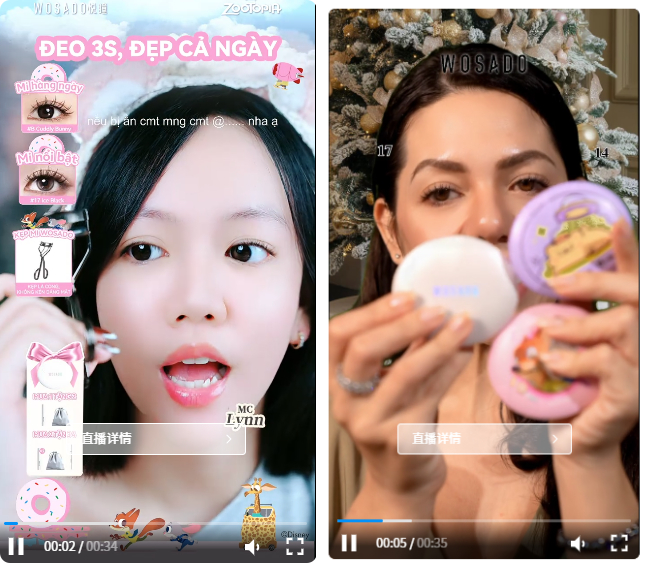
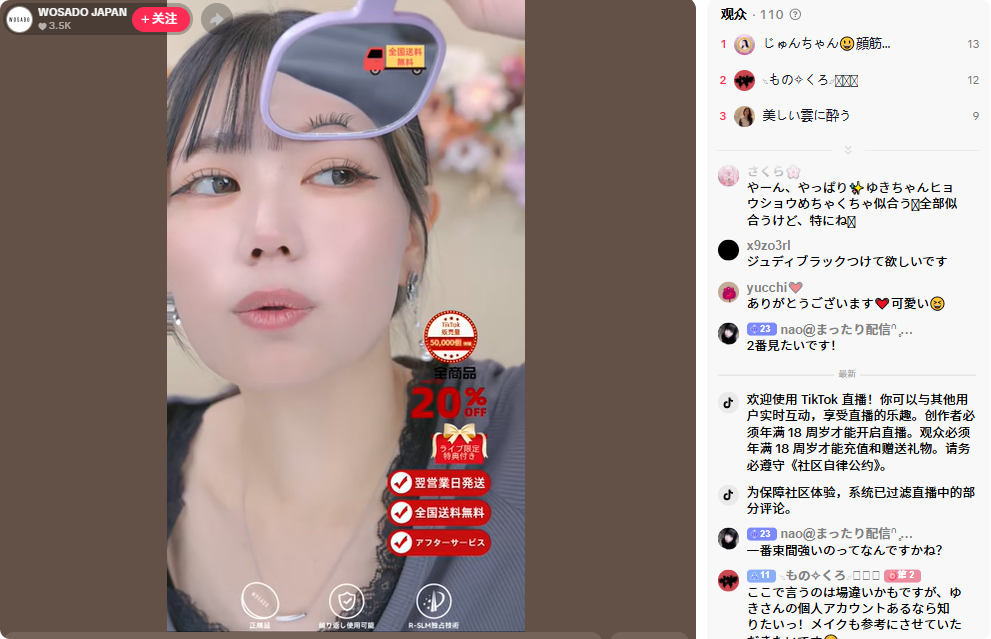
الفرق بين البث المباشر لنفس العلامة التجارية في المنطقة الأمريكية وجنوب شرق آسيا مصدر الصورة:TikTok
بعد فهم الفروق، كيف نتحرك؟ الخطوات الثلاث التالية تبني نظام البث المباشر المحلي من الصفر إلى الواحد.
الخطوة الأولى: بناء الفريق——استئجار “القبطان المحلي”
أعمق توطين هو توطين الإنسان.
في سوق جنوب شرق آسيا، شركة إيتاو تكنولوجي التي تجاوزت مبيعاتها السنوية 100 مليون، في فريقها المحلي يصل إلى90% من الموظفين محليون، وفريق الإدارة الأساسي فقط يأتي من الصين. يعتقد المؤسس أن المحليين فقط هم من يستطيعون بناء رابط عاطفي مع المستهلكين من خلال اللهجة المحلية والإحساس بالمكان، مما يدفعهم إلى الضغط على زر الشراء.
بالنسبة للعلامات التجارية، هذا يعني إما تشكيل فريق محلي، إما التعاون مع من يدرك الثقافة المحلية بعمق.تعاون مع وكالة MCN أو المؤثرين.

مصدر الصورة: ثقافة شركة نينغبو
الخطوة الثانية: استراتيجية المحتوى—— تحدث بـ"اللغة المحلية"
يجب أن يكون المحتوى ملائمًا للبيئة المحلية. بصريًا، تفضل أوروبا وأمريكا البساطة والمباشرة، بينما تفضل جنوب شرق آسيا الحيوية والمرح.
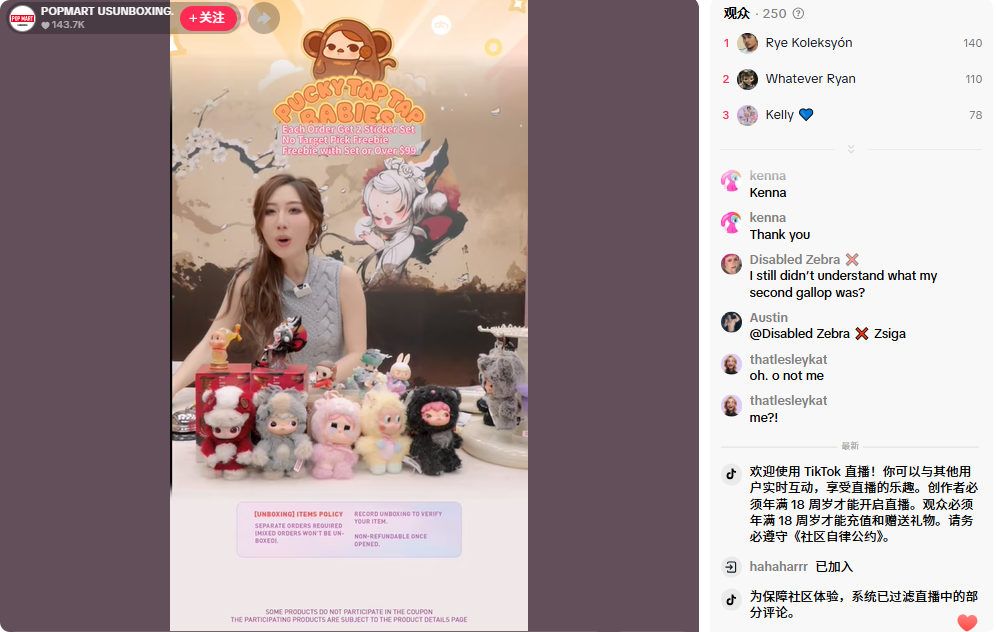
سرديًا، يجب تضمين الرموز الثقافية بمهارة. على سبيل المثال، في سوق الشرق الأوسط، يجب أن يتوافق المحتوى مع العادات الدينية، ويظهر بشكل لائق وأنيق؛ بينما في الولايات المتحدة، يمكنإلىعملاق الألعاب العصرية بوب مارت (POP MART) تعلم، من خلال إطلاق عدد كبير (448) من مقاطع الفيديو الإبداعية القصيرة، وبمساعدة التفاعلات الممتعة مثل تحديات المنصة ومرشحات الواقع المعزز، استهدفت بدقة الجيل Z الذي يسعى إلى تجارب رائعة، وفي النهاية حققت رقماً قياسياً في يوم العلامة التجارية الفائق بمبيعات تجاوزت 6 ملايين دولار في 10 ساعات.
مصدر الصورة:TikTok
الخطوة الثالثة: التمكين التكنولوجي——عبور الفجوة اللغوية
اللغة هي عائق أساسي، لكن التكنولوجيا توفر جسرًا.
يمكن بناءمصفوفة أدوات الترجمة بالذكاء الاصطناعي: استخدام الأدوات لتحويل الصوت إلى نص فوري وترجمة فورية للبث المباشر؛ استخدام الأدوات للتعرف تلقائيًا على التعليقات متعددة اللغات وإنشاء قوالب الرد.
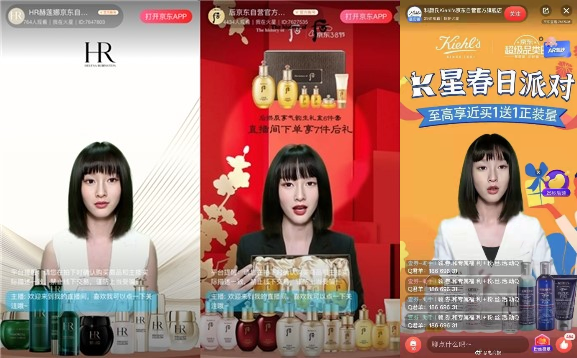
بالإضافة إلى ذلك، الامتثال“البث المباشر بدون بشر” أو المذيعين الافتراضيين يمكنها أيضًا حل مشكلة فارق التوقيت بشكل فعال، وتحقيق تواجد المتجر على مدار 24 ساعة، وتقليل تكاليف التشغيل.
المصدر: الإنترنت
النظرة طويلة المدى: انتظارارتفاع “درجة حرارة الماء”، والأهم تعلم “السباحة”
التجارة الإلكترونية عبر البث المباشر للخارج، هي في جوهرها تنمية سوق تتطلب صبرًا. كما قال المسؤول الخارجي لشركة ياووانغ للتكنولوجيا، القطاع بأكمله“انتظار ارتفاع درجة حرارة الماء”. لكن الانتظار ليس passive.
في هذه المرحلة، بناء قيمة العلامة التجارية أهم من السعي لتحقيق مبيعات فردية. من خلال الاستمرار في تقديم محتوى محلي عالي الجودة، بناء علاقة ثقة مع المستخدمين. في نفس الوقت، الحفاظ على مرونة الاستراتيجية، مثل شركة ياووانغ للتكنولوجيا، التي تحولت بحزم في السوق الأوروبية نحو الفيديو القصير والبث المباشر للمتجر.
الأهم من ذلك، الشجاعة في الاختبار، ربما كما فعلت شركة ياووانغ للتكنولوجيا بشكل غير متوقع بتحويل ألعاب الطين إلى فئة عموديةكما في TOP، المفاجآت تأتي دائمًا من الاستكشاف المحلي.