 2527
2527
عام 2026التجارة الإلكترونية عبر الحدودإذا كنت لا تزال تعتمد على اختيار المنتجات اليدوي، والسهر لتحرير الفيديوهات، والرد الآلي على البريد الإلكتروني، فأنت حقًا تقود جرارًا في سباق مع سيارات خارقة.
كيفهل أصبح الذكاء الاصطناعي "موظفًا خارقًا" في أعمالنا؟ اليوم نحنسَأَفُكُّاشرح,كيفاستفد جيدًا من أداة هذا العصر الجديد.
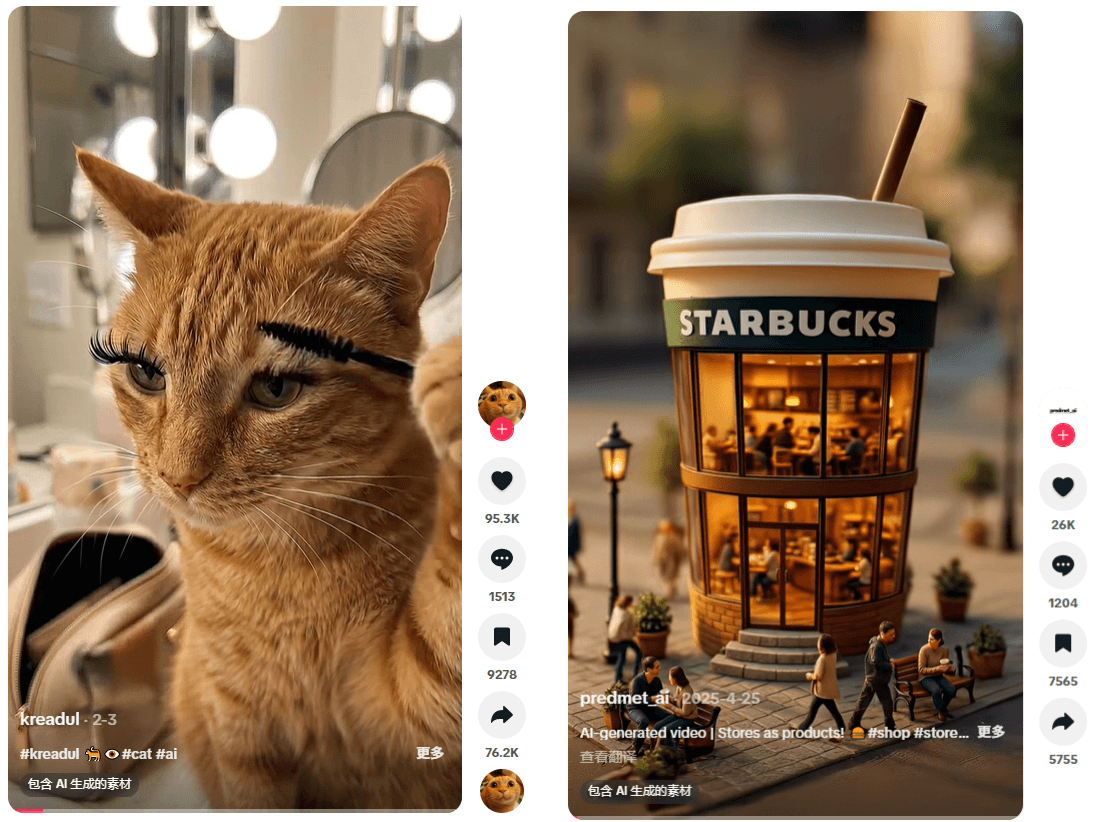
مصدر الصورة:TikTok
لا تختار المنتجات بشكل عشوائي بعد الآن، دعالذكاء الاصطناعي يعمل كـ"جاسوس للسوق"
كيف كنا نختار المنتجات في السابق؟ انظرقائمة الأكثر مبيعًا، أو بناءً على الإحساس. وغالبًا ما تكون النتيجة: ما تعتقد أنه جيد، المستودع مليء بالمخزون.
الطريقة الحقيقية للعب تسمى الآن"حساب الطلب". الذكاء الاصطناعي لا يجيد الجمال، لكنه يجيد الحساب. يمكنه من خلال جمع البيانات من وسائل التواصل الاجتماعي العالمية (خاصة TikTok) للموضوعات الرائجة والكلمات المتكررة في التعليقات، وحتى تغيرات الطقس في المناطق المختلفة، أن يستنتج كيف يجب أن يكون شكل المنتج.
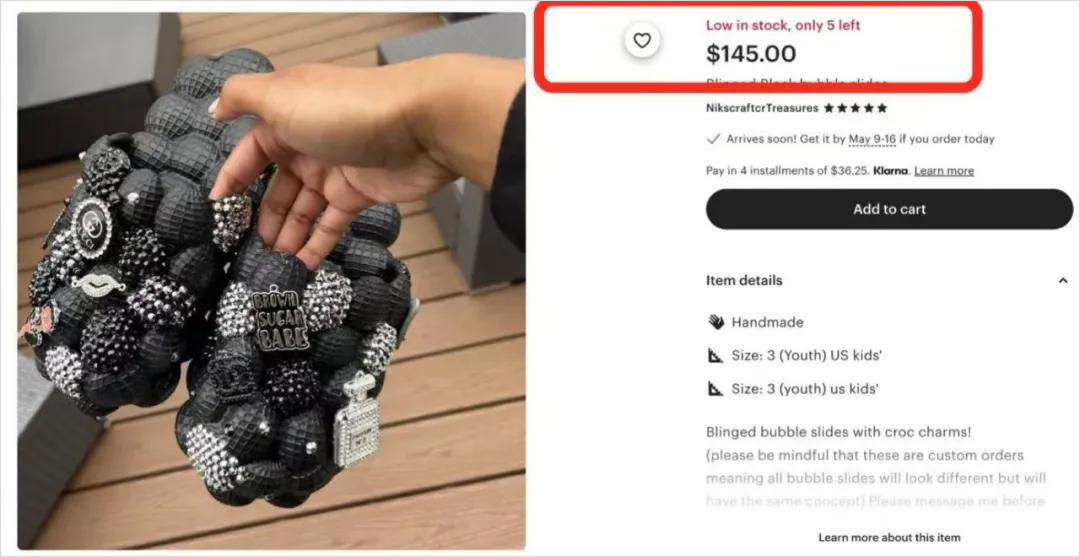
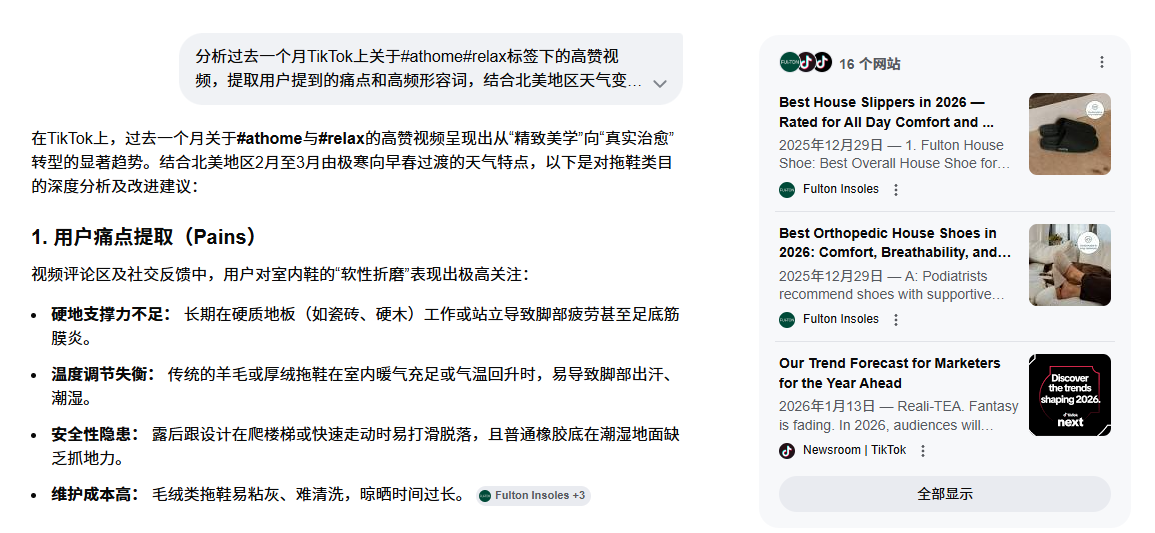
مثلاً،من فوجيان تشيوانتشو صانع نعال"ريادي الأعمال من جيل ما بعد 95، ليو شي تشي، لم يعد قادرًا على المنافسة في حرب الأسعار، لذا قرر أن يجعل الذكاء الاصطناعي مديرًا للمنتجات. من خلال تحليل اتجاهات التواصل الاجتماعي للشباب في أوروبا وأمريكا باستخدام الذكاء الاصطناعي، توصل إلى نتيجة غير متوقعة: الشباب يسعون إلى "راحة غريبة"."
يقترح الذكاء الاصطناعي عليه ألا يصنع تلك النعال الجميلة التقليدية، بل يجمع بين "نقاط الضغط الصينية لتدليك القدمين" و"الألوان الفلورية الرائجة على وسائل التواصل الاجتماعي في الولايات المتحدة" و"الزخارف المعلقة DIY" لصنع "نعال قبيحة".
النتيجة؟ هذا النعال الذي يبدو غريبًا في الصين، يُباع في أمريكا الشمالية بـ145 دولارًا للزوج الواحد، وهامش الربح في الجملة يصل إلى 92%.
مصدر الصورة: الإنترنت
هذا هو النموذجي للسماحالذكاء الاصطناعي يفهم البيانات، وليس الجماليات.
كل ما عليك فعله هو إعطاءتعليمات الذكاء الاصطناعي: "حلل مقاطع الفيديو عالية التصويت على TikTok تحت وسم #athome#relax خلال الشهر الماضي، استخرج نقاط الألم والصفات عالية التكرار التي ذكرها المستخدمون، واجمع مع تغيرات الطقس في أمريكا الشمالية، وقدم اقتراحات لتحسين فئة النعال."
ثورة الصناعة في إنشاء محتوى TikTok: شخص واحد هو فريق واحد
TikTok الآن ساحة المعركة الرئيسية للتدفق، ولكنه أيضًا حفرة لا قاع لها تلتهم الوقت والمال.
لتصوير فيديو ترويجي عالي الجودة، تحتاج إلى تصوير وإضاءة وعارضة أزياء ومونتاج، وأحيانًا يتطلب الأمر دفع مئات الدولارات لاستئجار ممثل صوتي أجنبي. ولكن الآن،أدوات إنشاء الفيديو بالذكاء الاصطناعي خفضت التكلفة بشكل كامل.
لا تحتاج إلى معرفة كيفية التصوير، ولا حتى معرفة لغة أجنبية. الطريقة العملية هي كالتالي:
كل ما عليك فعله هو تحميل صورة المنتج على خلفية بيضاء، ثم فتحأداة إنشاء الفيديو بالذكاء الاصطناعي، واختيار وظيفة "إنشاء فيديو".
يمكنك تحميل صورة كمرجع للمنتج، وتحميل مقطع فيديو للحركة المطلوبة كمرجع للأسلوب.
أعطتعليمات الذكاء الاصطناعي بسيطة أيضًا: "@الصورة1 كجسم المنتج، أنشئ فيديو رأسي TikTok لمدة 15 ثانية. يجب أن تكون الخلفية في مطبخ مضاء، مع كاميرا تتحرك من اللقطة القريبة إلى البعيدة، تعرض تأثير استخدام المنتج، وقم بإنشاء تعليق صوتي باللغة الإسبانية الأصلية تلقائيًا، وتأكد من مزامنة الصوت والصورة."
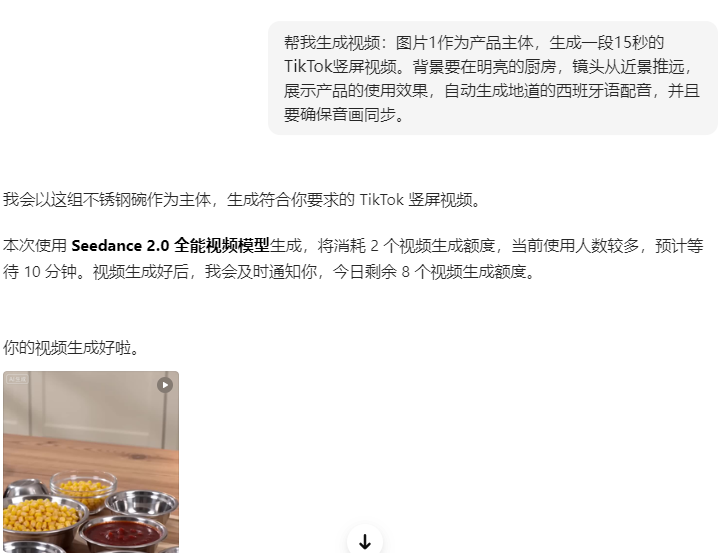
ما هي النتيجة؟ في السابق، كان يمكن إخراج ما يصل إلى3 مقاطع فيديو يوميًا، ولكن الآن بمساعدة الذكاء الاصطناعي، يمكن لشخص واحد إنشاءعشراتمقاطع فيديو ترويجية بمشاهد ولغات مختلفة، وتم تخفيض التكلفة من مئات الدولارات لكل فيديو إلى بضعة دولارات.
على سبيل المثال،هناك بائع يبيعكوب سيراميك على شكل كتاب ثلاثي الأبعاد، حساب صغير بأقل من 5000 متابع، نشر فيديو تم إنشاؤه بواسطة الذكاء الاصطناعي - الفيديو يحتوي فقط على "كتاب مضيء" وفنجان قهوة يخرج منه البخار، والأجواء ممتعة للغاية.
النتيجة7 أيام: 18.1 مليون مشاهدة، 38 ألف طلب، إيرادات تقارب 600 ألف دولار. وهناك من يبيع ألعاب كلاب آلية، باستخدام فيديو الذكاء الاصطناعي لعرض الكلب "ينبح ويتحرك"، وباع أكثر من 30 ألف قطعة في 20 يومًا.

المصدر: الإنترنت
خدمة العملاء والمبيعات:البائع الذهبي الذي لا ينام لمدة 24 ساعة
أي شخص عمل في التجارة عبر الحدود يفهم أن فارق التوقيت هو أكبر عدو. غالبًا ما يستيقظ العميل الأمريكي لطرح سؤالين، بينما أنت نائم بعمق، وعندما تستيقظ في الصباح، يكون العميل قد ذهب إلى المتجر المجاور وطلب بالفعل.
الآن،خدمة العملاء بالذكاء الاصطناعي تستعيد هذه الطلبات التي كانت من حقك.
أطلقت TikTok في فيتنام مؤخرًا أداة خدمة عملاء ذكية تسمى 'Lead Genie'، والتي يمكنها معالجة الرسائل الخاصة للمستخدمين تلقائيًا وتحديد العملاء المحتملين ذوي القيمة العالية بدقة.
تشير الدراسات إلى أن العلامات التجارية إذا تمكنت من الرد على استفسار العميلخلال 3 دقائق، فإن معدل تحويل المبيعات يمكن أن يصل إلى 2.2 ضعف الأصل.
هذه هي القيمة العاطفية— شخص يرد عليك في منتصف الليل، يشعر المستهلك بالامتنان، ولا تتردد يده في الطلب.

مصدر الصورة: الإنترنت
بالحديث عن هذا، قد تشعر بالقلق: مع هذه الأدوات الكثيرة، أي منها يجب أن أتعلم؟
في الواقع، الخبراء الحقيقيون الآن لا يدرسون كيفيةالنقر على لوحة المفاتيح' لإعطاء أوامر للذكاء الاصطناعي. لأن وتيرة تطور التكنولوجيا سريعة جدًا، هذا العام تحتاج إلى إدخال تعليمات معقدة، وفي العام القادم قد تحتاج فقط إلى قول جملة بشرية.
كما شارك التاجر من تشيوانتشو تجربته:فريقنا لا يبذل أي جهد أبدًا لتعلم تلك التعليمات المعقدة للذكاء الاصطناعي، لأن هذه المهارات تصبح قديمة بعد ستة أشهر. ما نحتاج إلى فعله هو تركيز كل طاقتنا على 'الاستراتيجية'.
ما عليك فعله أولاً هو توضيح سير العمل في شركتك، وتوحيد كل خطوة.
ثم أخبرالذكاء الاصطناعي بـ 'استراتيجيتك': مثل ما هي استراتيجية التسعير لدينا؟ ما هو الأسلوب الذي يحبه عملاؤنا المستهدفون؟ اترك دور 'العقل' لنفسك، وكل المهام المتكررة والتنفيذية، مثل صنع الصور، التحرير، إرسال البريد الإلكتروني، الإجابة على الأسئلة الأساسية، اتركها جميعًا للذكاء الاصطناعي باعتباره 'الأيدي والأرجل'.