 1783
1783
مؤخرًا،يقوم متجر TikTok Shop بحركات متكررة في سوقين رئيسيين في الخارج.
أصدر المتجر في المملكة المتحدة ميزة اشتراك المنتج لجميع البائعين، محاولًا جذب العملاء المتكررين بالخصومات؛ بينما بدأت التجارة عبر الحدود في جنوب شرق آسيا من هذا العاماعتبارًا من يوليو، تم تعديل قواعد تقييم المتجر، حيث تم استبدال معدل الشكاوى السابق بمدة معالجة ما بعد البيع.
يبدو أن الإجراءين مستقلان، لكنهما يشيران في الواقع إلى نفس الاتجاه: المنصة تتحول من النمو الواسع إلى التشغيل الدقيق، وتُوضع قدرة البائعين التشغيلية طويلة المدى في موقع أكثر أهمية.
المتجر في المملكة المتحدة: إطلاق ميزة الاشتراك، الخصومات مقابل عمليات الشراء المتكررة
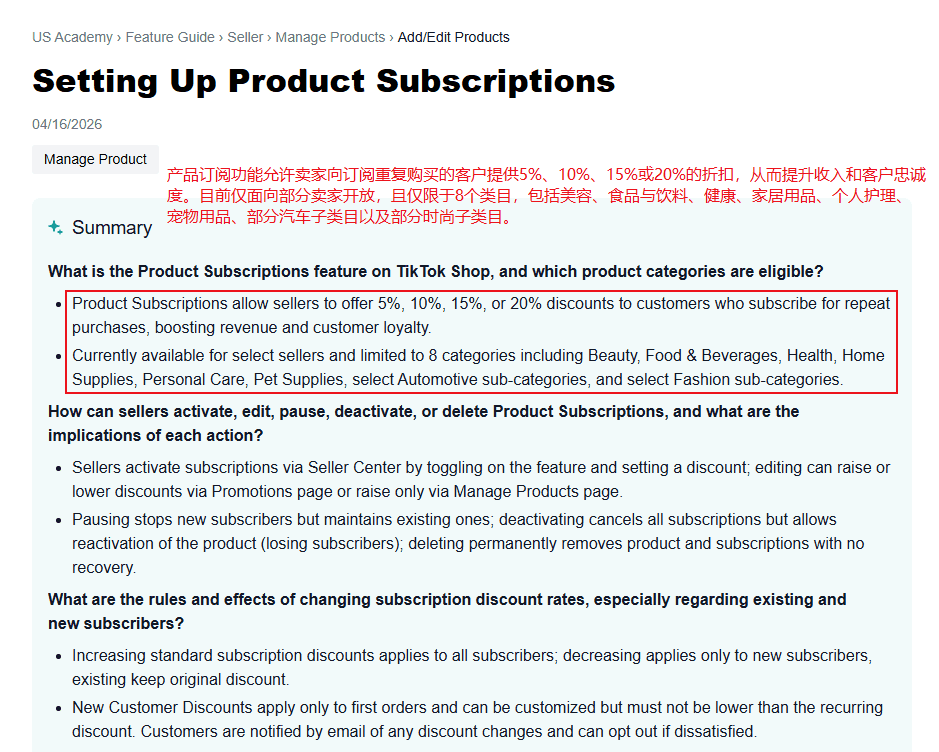
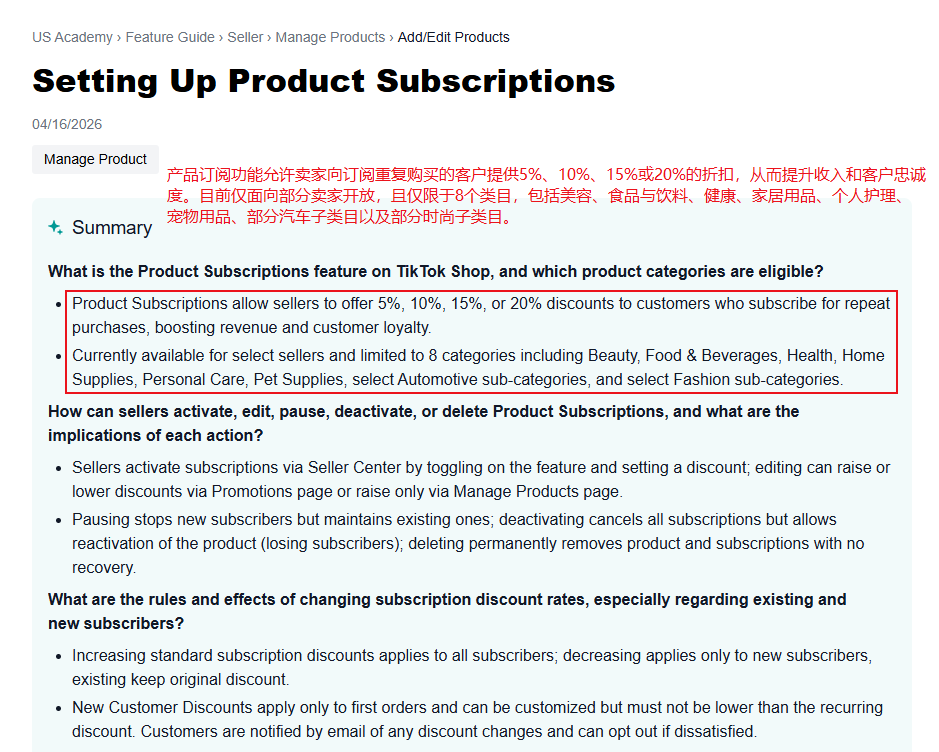
أطلق متجر TikTok في المملكة المتحدة رسميًا ميزة 'اشتراكات المنتجات' لجميع البائعين. ببساطة، إنها أداة شراء متكرر دورية، حيث يمكن للبائعين تقديم خصومات بمستويات 5%، 10%، 15% أو 20% لجذب المستخدمين للطلب بانتظام. وتقتصر حاليًا على فئات عالية التكرار مثل التجميل، الأغذية والمشروبات، الصحة، المستلزمات المنزلية، العناية الشخصية والحيوانات الأليفة.
مصدر الصورة:seller-us.tiktok
بالنسبة للبائعين، هذه فرصة وتحدي في نفس الوقت. الجانب الإيجابي هو أن نظام الاشتراك يمكنه حجز جولات متعددة من الاستهلاك المستقبلي مسبقًا، مما يقلل تكاليف اكتساب العملاء ويجعل توقعات طلبات المتجر أكثر استقرارًا. لكن المنصة قدمت أيضًا تحذيرًا مهمًا: إذا أخطأت استراتيجية التسعير، فقد تضغط على الأرباح على المدى الطويل.
على سبيل المثال، في البداية تم تحديد خصم بنسبةخصم 20%، ثم الرغبة في خفضه إلى 10% غير ممكن، حيث يحتفظ المستخدمون القدامى بخصم 20% السابق، ولا يرى المستخدمون الجدد سوى الخصم الأقل. وهذا يعني أنه بمجرد منح المستخدمين القدامى خصمًا مرتفعًا جدًا، سيظل هذا 'العبء التاريخي' قائمًا. على العكس، إذا كان الخصم صغيرًا ثم زاد تدريجيًا، يتم ترقية المستخدمين الجدد والقدامى بشكل متزامن.
شيء آخر يجب الانتباه إليه هو المستغلون. على الرغم من أن المنصة تقدم حوافز إضافية للطلب الأول لتعزيز التحويل، إلا أن ولاء المستخدمين الذين يأتون فقط من أجل السعر المنخفض منخفض جدًا. إذا ركز البائعون فقط على جذب عملاء جدد بخصومات عالية، فسيجدون أنفسهم بسهولة في مأزق يأتي فيه طلب ويذهب.
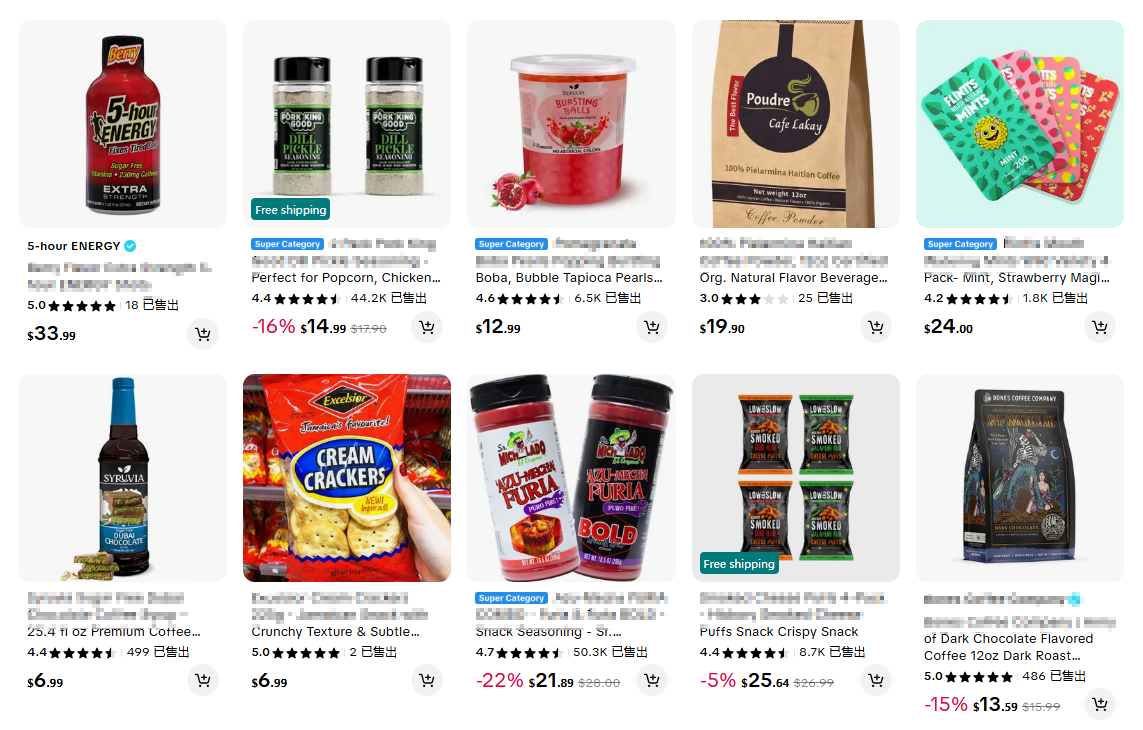
مصدر الصورة:TikTok Shop
الممارسة القيمة حقًا هي تصفية مجموعة العملاء الذين لديهم حاجة طويلة الأمد للمنتج نفسه، واستخدام الاشتراك كأداة للحفاظ على العملاء القدامى، وليس مجرد وسيلة ترويجية. بالنسبة للفئات التي يكون فيها التكرار منخفضًا بطبيعته، فإن فرض الاشتراك قد يكون غير مجدٍ.
التجارة عبر الحدود في جنوب شرق آسيا: تغيير كبير في قواعد تقييم المتجر، السرعة أهم من الموقف
في نفس الوقت تقريبًا،كما أعلن متجر TikTok في التجارة عبر الحدود بجنوب شرق آسيا عن تغيير مهم: اعتبارًا من يوليو 2026، سيتم استبدال معدل شكاوى المشتري السابق بمدة معالجة البائع ما بعد البيع خلال 60 يومًا في تقييم المتجر. بدءًا من مايو من هذا العام، يمكن للبائعين معاينة أداء التقييم الجديد مسبقًا، مع فترة سماح تزيد عن شهر للتعديل.

مصدر الصورة:Google
جوهر هذا التعديل هو تحول جذري في معايير قياس جودة الخدمة لدى المنصة. كان معدل الشكاوى السابق يميل أكثر إلى مشاكل الموقف، مثل رضا المستخدم أو تعبيره عن عدم الرضا؛ بينما تختبر مدة معالجة ما بعد البيع بشكل صريح مشاكل الكفاءة، مثل المدة التي يستغرقها البائع للاستجابة بعد أن يبدأ المستخدم طلب ما بعد البيع.
من الواضح أن الأخير يؤثر بشكل مباشر أكثر على تجربة التسوق للمستهلك. وفقًا لأهداف المنصة، يحتاج البائعون إلى الحفاظ على متوسط وقت الاستجابة لما بعد البيع في حدودفي غضون 20 ساعة.
في الوقت نفسه، تم ترقية صفحة تقييم المتجر. يمكن للبائعين رؤية الجوانب التي يتخلفون فيها بشكل أوضح، وسيقدم النظام اقتراحات للتحسين. بالنسبة للبائعين الجدد الذين لا تظهر تقييماتهم مؤقتًا، سيخبرهم النظام بوضوح بعدد الطلبات التي يجب إكمالها للحصول على تقييم.
تغيير آخر جدير بالملاحظة هو أنه في معدل التقييمات السلبية والإرجاع المسؤول عن البائع/معدل الاسترداد وما إلى ذلك، سيتم مقارنة أداء البائعين أفقيًا مع بائعين في نفس الفئة، لتجنب المقارنة غير العادلة عبر الفئات.
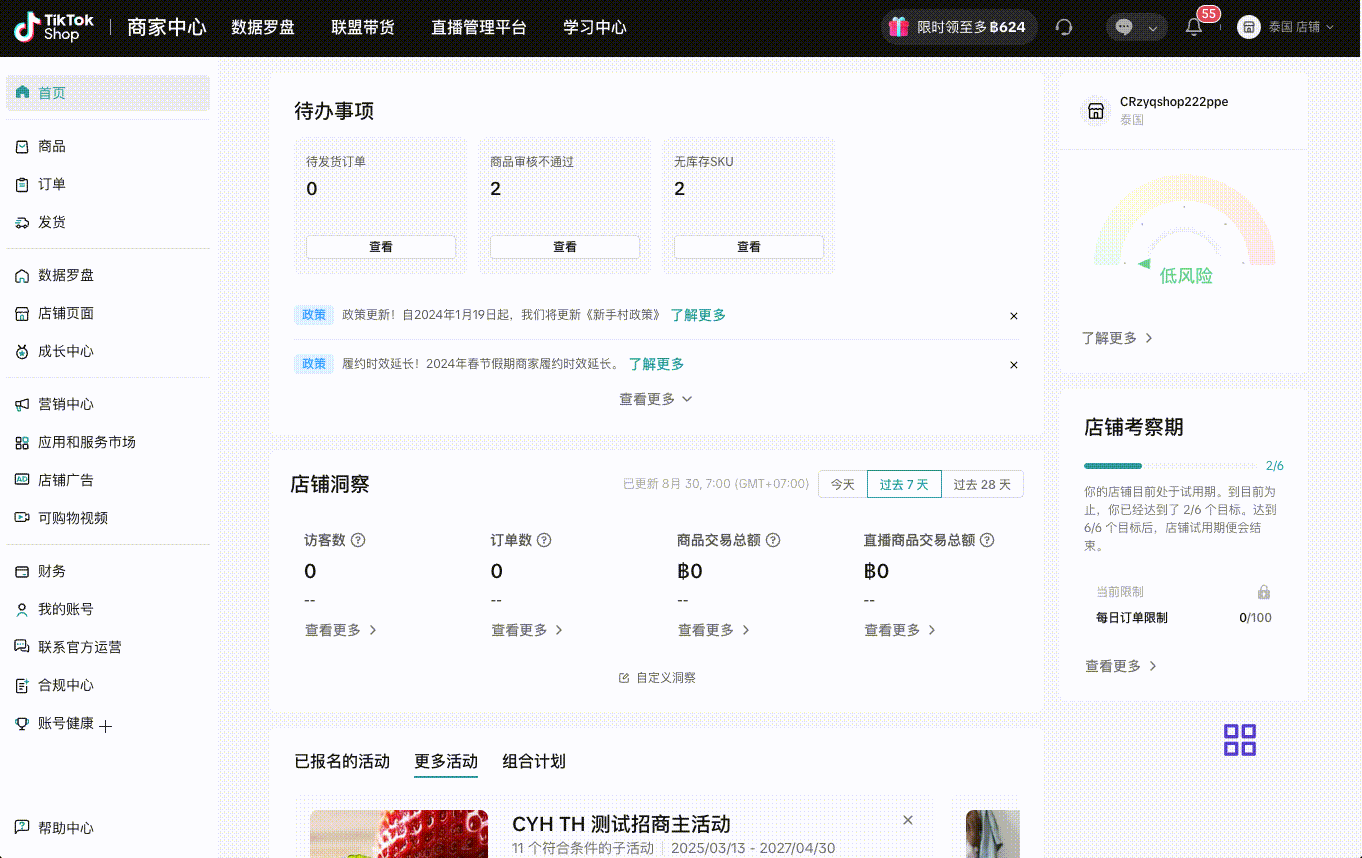
مصدر الصورة:seller.tiktokglobalshop
بالنسبة للبائعين، هذا النظام الجديد يعني أن فريق ما بعد البيع يجب أن يسرع. في الماضي، ربما كانوا يعتقدون أنه طالما لا توجد شكاوى كبيرة، فكل شيء على ما يرام. الآن كل طلب ما بعد البيع لديه عد تنازلي. كلما تم التعامل معه بشكل أسرع، كان تقييم المتجر أفضل؛ وكلما طالت المدة، انخفض التقييم.
خاصة التجار الذين لديهم حجم طلبات كبير ولكن عدد موظفي خدمة العملاء غير كافٍ، قد يحتاجون إلى إعادة تصميم عملية ما بعد البيع، مثل إعداد الردود التلقائية، وقوالب معالجة الأسئلة الشائعة، وحتى التفكير في إدخال أدوات خدمة عملاء بسيطة.
خاتمة
وظيفة الاشتراك في الموقع البريطاني تستخدم الخصم لتبادل الولاء في المرحلة الأولى من المعاملة، وتختبر حكمة التسعير لدى البائع وقدرته على تصفية المستخدمين؛ إصلاح قواعد التقييم في جنوب شرق آسيا العابر للحدود يستخدم السرعة لتبادل الثقة في المرحلة اللاحقة من المعاملة، مما يدفع البائعين لتحسين كفاءة ما بعد البيع.
بالنظر إلى الأمرين معًا،TikTok Shop يبني تدريجيًا نظامًا بيئيًا للتجارة الإلكترونية أكثر نضجًا - لم يعد مجرد لعبة أرقام تركز على GMV، بل بدأ في صقل الأساسيات الأبطأ ولكن الأكثر أهمية مثل الاحتفاظ والخدمة والتجربة.
بالنسبة للبائعين، بغض النظر عن السوق الذي يتواجدون فيه، فإن التكيف المبكر مع هذا المنطق الجديد، وتوسيع التركيز من كيفية تحقيق المبيعات السريعة إلى كيفية الاحتفاظ بالعملاء على المدى الطويل وكيفية حل المشكلات بكفاءة، هو طريق البقاء في المستقبل.