 2553
2553
بالنسبة لبائعي التجارة الإلكترونية العابرة للحدود في جميع أنحاء العالم، كل صيفبرايم داي هو بلا شك حدث سنوي لا يمكن تفويته.
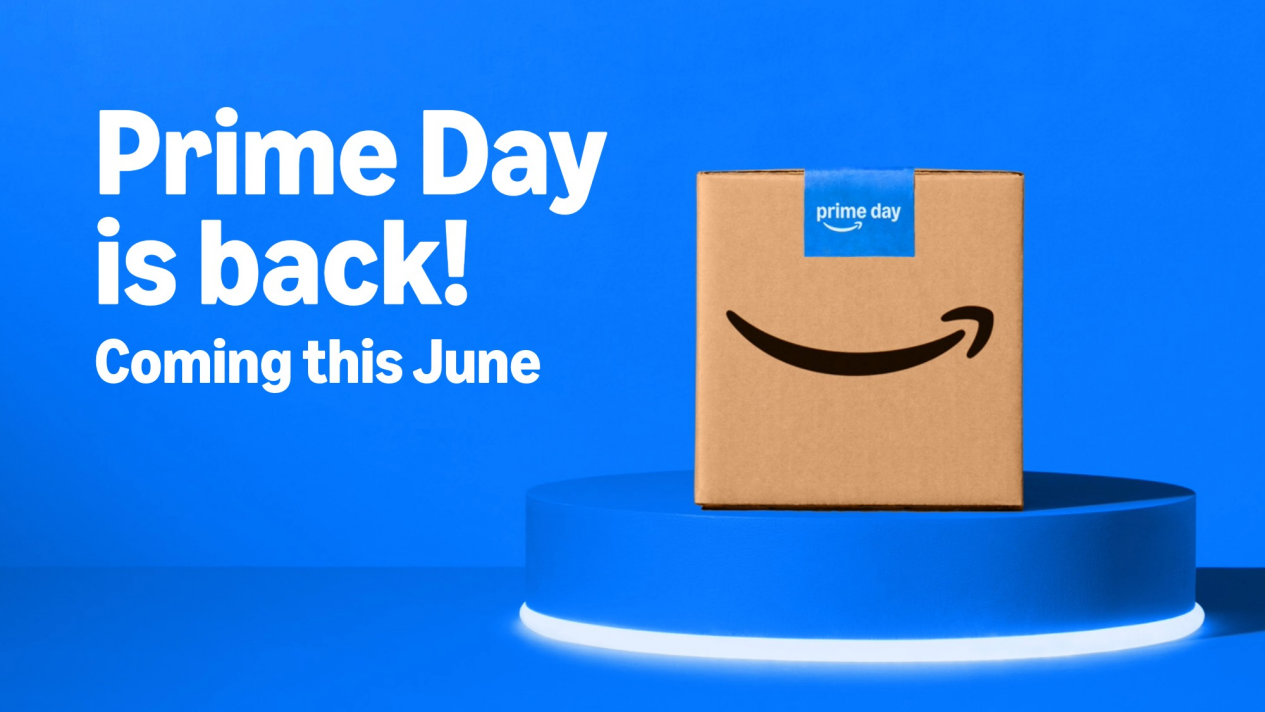
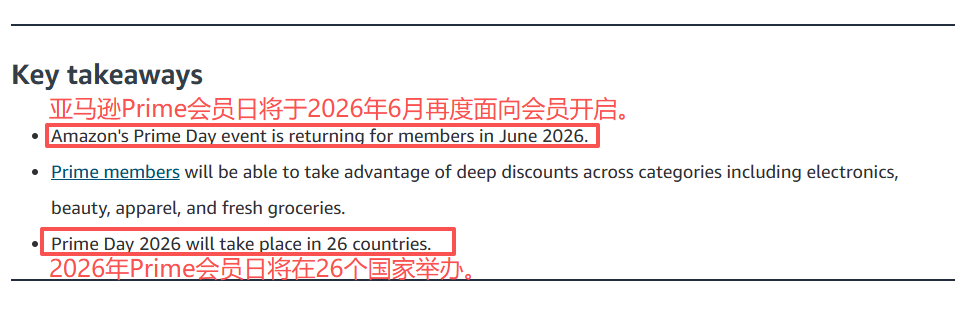
في الآونة الأخيرة، ألقت أمازون رسميًا واحدة"قنبلة مدوية": سيكسر يوم Prime لعام 2026 التقاليد السنوية، حيث سينطلق عالميًا لأول مرة في يونيو، ويغطي أكثر من عشرين موقعًا رئيسيًا بما في ذلك الولايات المتحدة والمملكة المتحدة وألمانيا وفرنسا.
ما يثير الاهتمام هو أن الموقع الياباني سيؤجل إقامته بشكل منفرد إلى يوليو. هذا الترتيب الذي يبدو مستقلاً، في الواقع يحتوي على اعتبارات استراتيجية عميقة من أمازون.
مصدر الصورة:About Amazon
إعادة جدولة المواعيد العالمية، لماذا تصبح المحطة اليابانية“استثناء”؟
وفقًا للجدول الزمني الرسمي المنشور، سيكون شهر يونيو من هذا العامالحدث الرئيسي لـ Prime Day. المواقع الرئيسية في أوروبا وأمريكا تنطلق بالتزامن للتنافس على أكبر نافذة تدفق زائر في النصف الأول من العام. أما موقع اليابان، الذي كان يسير جنبًا إلى جنب مع المناطق الأخرى في السنوات الماضية، فقد تم تحديده بوضوح هذا العام ضمن موعد مستقل في يوليو.
السبب في أن أمازون تقوم بهذاالترتيب "الفريد" يحمل في طياته اعتبارات أساسية دقيقة. من ناحية، شهر يونيو هو فترة الذروة لأنظمة الشحن في أوروبا وأمريكا، وإذا انضم الموقع الياباني في نفس الوقت، فإن مخاطر امتلاء المستودعات، وتأخير التوصيل، وحتى تحميل الخوادم الزائد ستزداد بشكل واضح، مما قد يؤدي إلى تدهور تجربة المستخدمين في مواقع متعددة في آن واحد. إن توقيت الموقع الياباني بشكل منفصل يعادل "تخفيف العبء" على نظام الشحن والتشغيل بأكمله. من ناحية أخرى، يوليو يتوافق مع موسم التخفيضات الصيفية التقليدية في اليابان، حيث تكون رغبة المستهلكين المحليين في الشراء وميزانياتهم في أعلى مستوياتها. بتجنب تأثير سحب تدفق الزبائن من العروض الترويجية الكبرى في أوروبا وأمريكا، يمكن للموقع الياباني التركيز بشكل أكبر على إطلاق القوة الشرائية المحلية. يمكن القول إن هذا ليس "إهمالاً" للسوق اليابانية، بل هو إطلاق مكاسب محلية تتميز بالتحكم الدقيق.
مصدر الصورة:About Amazon
مأزق البائع: انخفاض دورة التخزين إلى النصف، وزيادة حادة في ضغوط التكلفة
بالنسبة لغالبية البائعين، هذاإشعار "تقديم الموعد" لا يقتصر على مجرد تغيير التاريخ. في السنوات السابقة، كان Prime Day يُعقد عادةً في يوليو، لكنه الآن تم تقديمه فجأة إلى يونيو، مما يعني أن دورة التجهيز قد انضغطت بقسوة لمدة شهر تقريبًا. مع بداية النصف الأول من مايو، دخل العديد من البائعين في حالة من القلق.
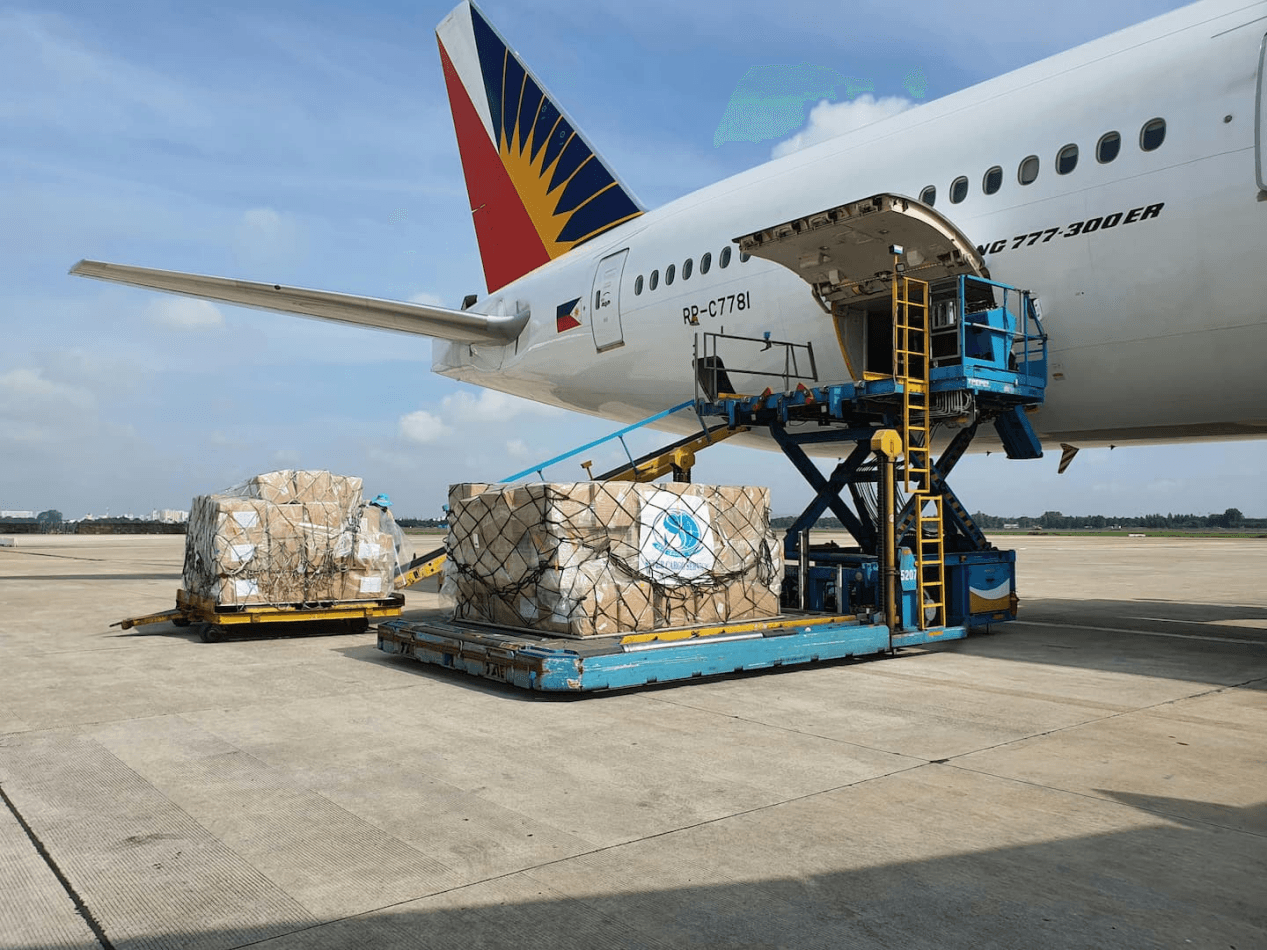
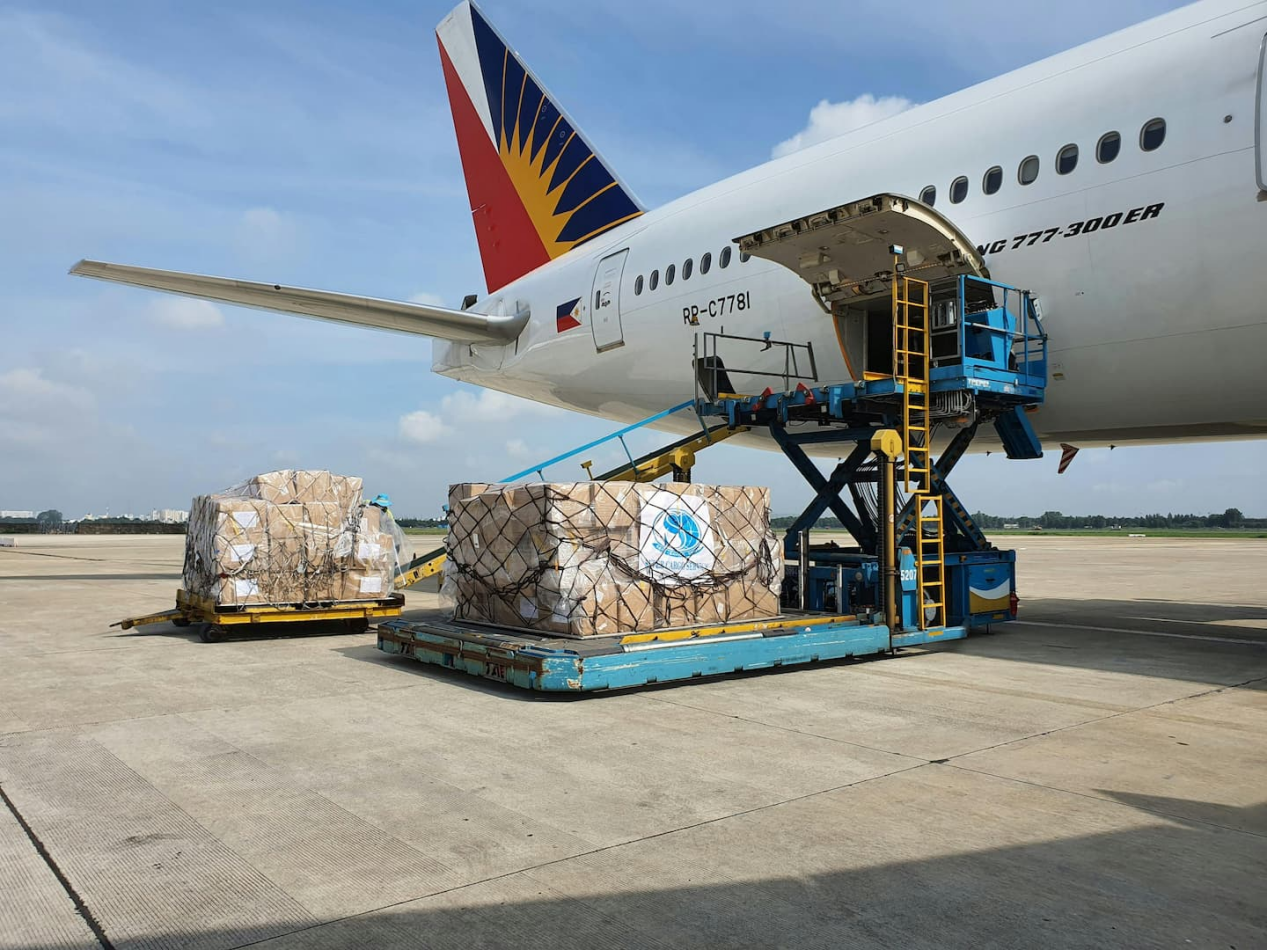
الأكثر صعوبة هوضغط تخزين FBA. مواعيد الإغلاق للتخزين في العديد من المواقع الرئيسية تنتهي في أواخر مايو، ونوافذ الشحن محدودة للغاية. أصبحت ضيق المساحات وعدم استقرار مواعيد السفن ظاهرة شائعة، حيث لا تزال كميات كبيرة من البضائع إما في البحر أو يتم تحويلها بشكل مؤقت إلى الشحن الجوي السريع عالي التكلفة. أي تأخير بسيط قد يؤدي إلى فقدان مدخل حركة المرور للعروض الكبرى.
في الوقت نفسه، تلتهم تكاليف اللوجستيات الأرباح بسرعة. السلع الصغيرة والخفيفة التي كانت تعتمد على الشحن البحري للتحكم في التكاليف، أُجبرت على التحول إلى قنوات الشحن الجوي، مما أدى إلى ارتفاع كبير في تكلفة الشحن لكل قطعة. والأسوأ من ذلك، أن أمازون شددت هذا العام في نفس الوقت هياكل رسوم العروض الترويجية وعتبات مراجعة التسعير، وإذا تم التخزين بشكل أعمى، فمن السهل الوقوع في..."المأزق: كلما زادت المبيعات، زادت الخسائر."
المصدر:Global Track Lines
طريقة الخروج من المأزق: كيف تنتعش في خضم الفوضى
تغير الإيقاع فجأة، الشكوى لا فائدة. الآن، الوحيد القادر على تثبيت الوضع هو البائعون ذوو القوة التنفيذية العالية.
1. قم بالتقليص بحسم. ضع كل المساحة التخزينية والميزانية المحدودة على المنتجات الأكثر مبيعًا في المتجر، واستبعد المنتجات الراكدة والروابط ذات التصنيف المنخفض. استخدم أداة تحليل جودة محتوى Amazon A+ لتحسين قوائم المنتجات والحفاظ على هامش الربح.
٢. لا تركز على قناة واحدة في الخدمات اللوجستية. أصبح التخزين الزائد في مايو أمرًا محتومًا. يُنصح باستخدام الشحن الجوي للحفاظ على مخزون المنتجات الرائجة، والشحن البحري للتحكم في التكاليف العادية. خلال فترة العروض الترويجية، البضائع هي الملك، ونفاد المخزون يعني العمل بلا فائدة.
٣. لا تتجاهل الفرصة المخفية في موقع اليابان. إذا كانت أوروبا وأمريكا في يونيو غير مجدية، فقم بالاستعداد المبكر لموقع اليابان في يوليو. استخدم بيانات العروض الترويجية من أوروبا وأمريكا لمراجعة المنتجات الرائجة والتسعير. التخزين خارج الذروة لا يقلل التكاليف فحسب، بل يمنحك أيضًا تدفقًا فريدًا من المحيط الأزرق. بينما يتنافس الآخرون في يونيو، يمكنك الحصاد في يوليو.
مصدر الصورة:Shutterstock
في الختام
من المقرر أن يكون Prime Day لعام 2026 نقطة تحول مهمة في إعادة كتابة قواعد العروض الترويجية العالمية من قبل أمازون.
من الماضي حيث انطلقت الجميع بشكل موحد في يوليو، إلى الآن حيث الانطلاق العالمي في يونيو وموقع اليابان منفردًا في يوليو، تعيد المنصة تشكيل إيقاع العروض الترويجية للتجارة الإلكترونية عبر الحدود بوسائل أقوى وأكثر دقة.
لقد ولت أيام الأرباح الضخمة. الآن ما يحدد حقًا مدى تقدم البائعين هو مرونة سلسلة التوريد، والحساسية تجاه البيانات، والقدرة على التنفيذ في مواجهة التغييرات المفاجئة. الغربلة تطرد المترددين والمعتمدين، وتبقي أولئك الذين يجرؤون على التكيف ويجيدون التعامل مع الوضع - المستثمرون على المدى الطويل.
بالنسبة لكل من يبحر إلى الخارج، فإن هذا الامتحان الكبير في منتصف العام هو تحدٍ وفرصة لإعادة ترتيب الأوراق.