 2859
2859
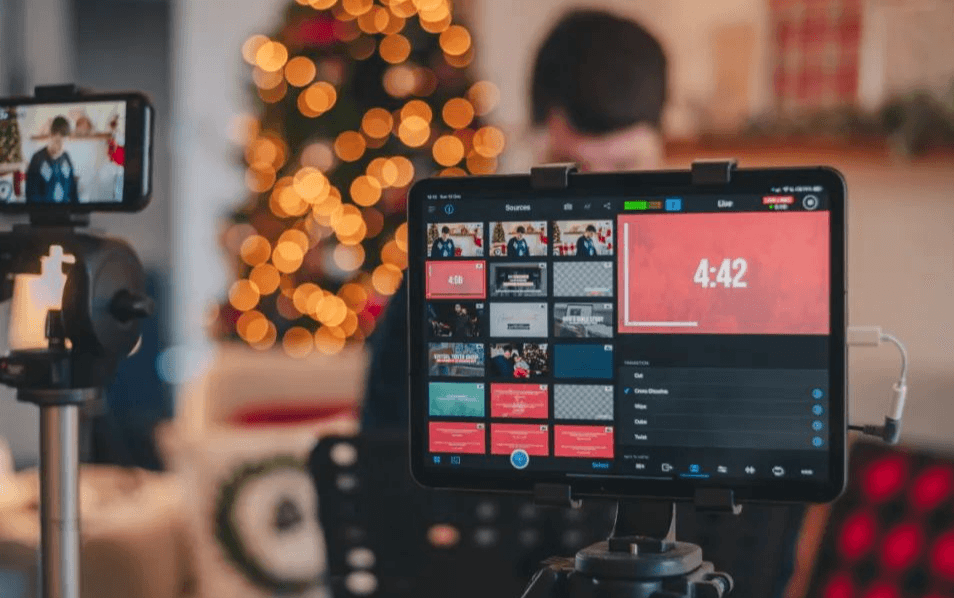
En los últimos años, el comercio en vivo a través de fronteras se ha convertido en un motor de crecimiento indispensable para las empresas que se expanden al extranjero.
Según datos de grandviewresearch, el tamaño del mercado global del comercio en vivo se valoró en 128 400 millones de dólares en 2024, y se espera que alcance los 2 469 100 millones de dólares para 2033, con una tasa de crecimiento anual compuesta del 39,9% durante el período.
Especialmente en mercados emergentes como el Sudeste Asiático, Oriente Medio y América Latina, el comercio en vivo está reescribiendo los hábitos de compra de los consumidores locales.
Para las empresas que se expanden al extranjero, el live streaming no es solo una extensión del canal de ventas, sino también un terreno clave para la construcción de marca, la interacción con los usuarios y la comprensión del mercado.
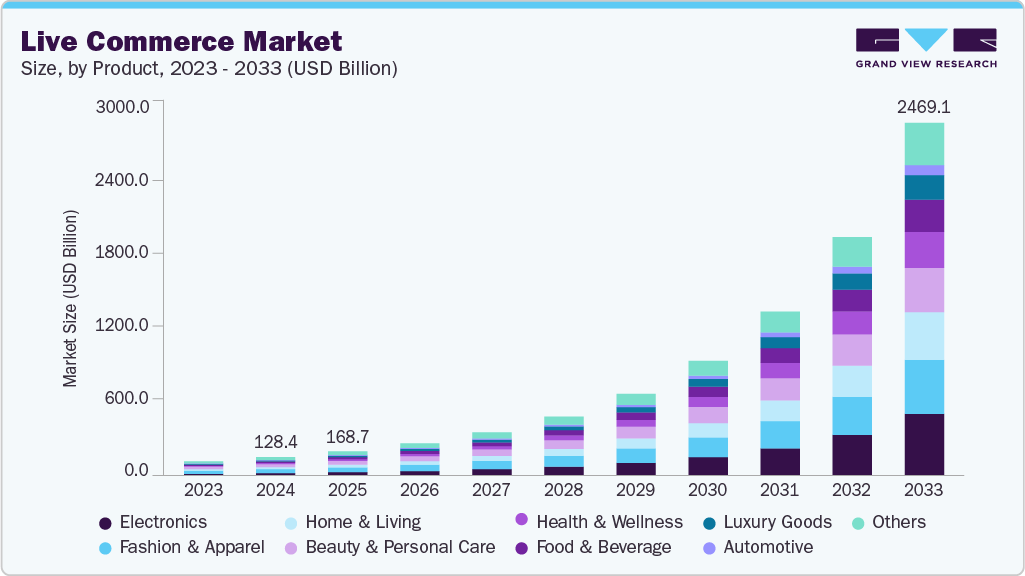
Fuente: grandviewresearch
Localización cultural: un puente que cruza las fronteras virtuales
El éxito de la venta en vivo se basa primero en una comprensión cultural profunda del mercado objetivo. Muchas empresas que se expanden al extranjero fallan no por el producto en sí, sino por ignorar las diferencias regionales en símbolos culturales, etiqueta social y psicología de consumo.
Por ejemplo, en Oriente Medio, el horario de las transmisiones en vivo debe evitar las cinco oraciones diarias; en el mercado del Sudeste Asiático, el contenido y las estrategias promocionales durante el Ramadán deben diseñarse especialmente; mientras que en Japón, un lenguaje de ventas demasiado exagerado puede generar rechazo entre los consumidores. Las empresas exitosas suelen invertir mucho tiempo antes de la transmisión en investigar festividades locales, temas de actualidad y jergas de internet, e incluso invitan a KOLs locales a participar en la planificación, asegurando que el contenido en vivo se alinee con la identidad de la marca y se conecte con las necesidades emocionales de los consumidores locales.
Otra dimensión de la localización cultural es la experiencia visual y auditiva. Desde la decoración del fondo del estudio y la vestimenta del presentador hasta la música de fondo, cada detalle debe reflejar las preferencias estéticas del mercado objetivo. Los consumidores del Sudeste Asiático prefieren colores brillantes y música alegre, mientras que los usuarios nórdicos aprecian más los diseños minimalistas y las atmósferas relajantes. Aunque estos ajustes parezcan minuciosos, son un paso clave para construir la afinidad de la marca.
Fuente: Google
Integración tecnológica: creando una experiencia de live streaming transfronterizo sin interrupciones
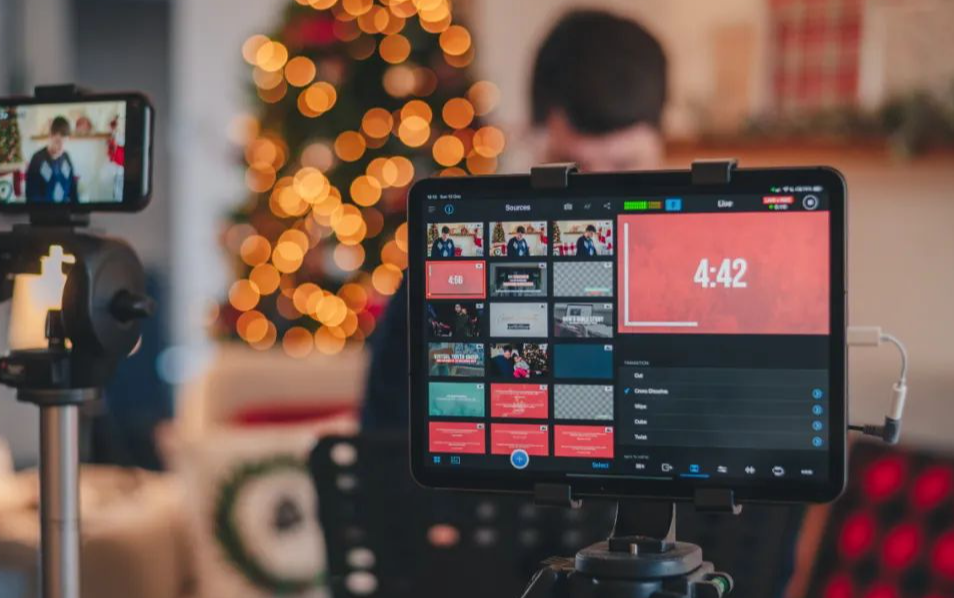
Uno de los mayores desafíos que enfrenta el live streaming para la expansión al extranjero es la integración transfronteriza de tecnología y logística. La latencia de la red, las barreras de pago y la incertidumbre logística pueden destruir instantáneamente un evento de live streaming cuidadosamente planificado.
Las empresas líderes en expansión global están construyendo stacks tecnológicos optimizados específicamente para el live streaming transfronterizo. Esto incluye: implementar nodos de computación en el borde para reducir la latencia; integrar sistemas de pago multimoneda para admitir métodos de pago localizados; desarrollar funciones de subtítulos en tiempo real; y crear interfaces visuales de seguimiento logístico que permitan a los consumidores conocer el estado de sus pedidos en tiempo real.
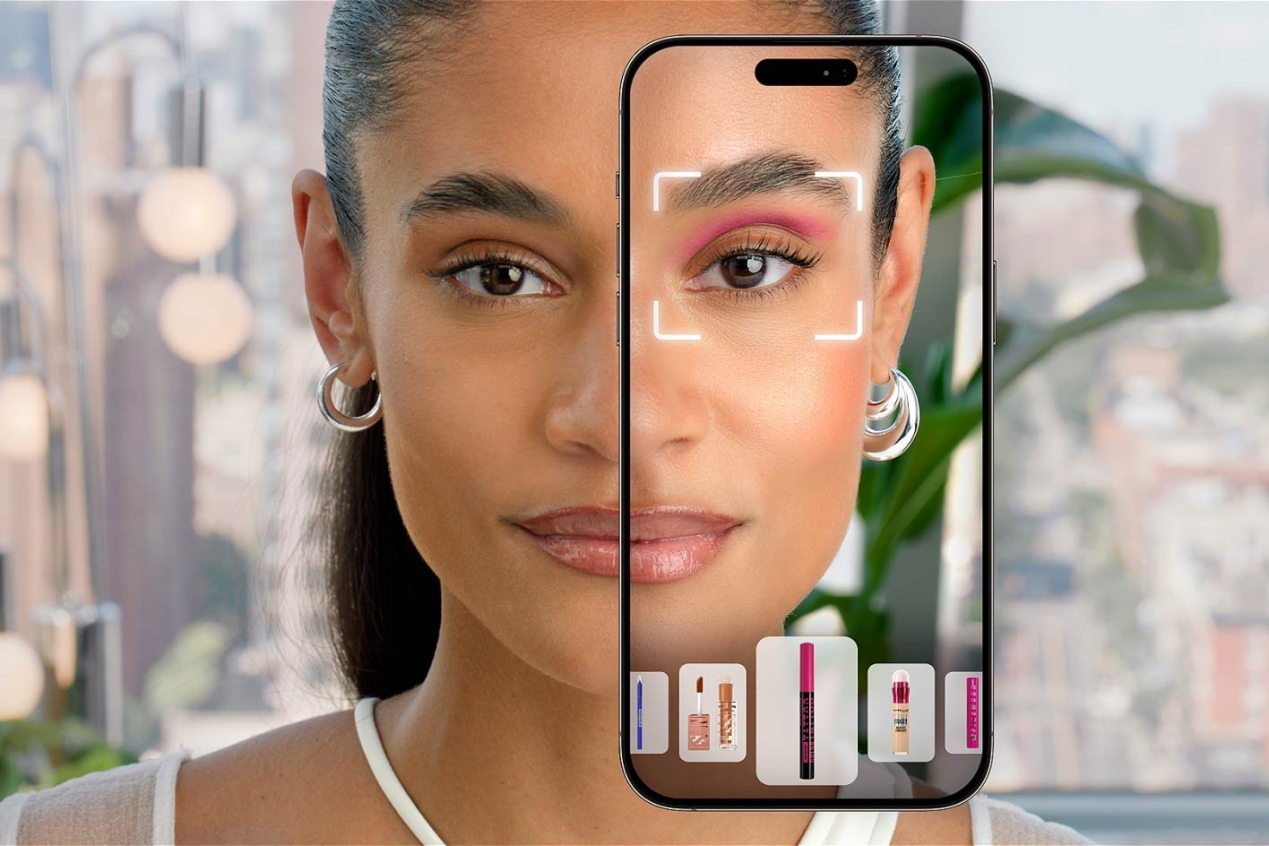
Más destacable es la innovación en la aplicación de tecnologías AR/VR en el live streaming. Algunas marcas de cosméticos ya ofrecen funciones de prueba virtual de maquillaje, mientras que las empresas de muebles permiten a los consumidores "colocar" productos en sus hogares para vista previa a través de la interfaz de la transmisión. Esta experiencia inmersiva no solo mejora las tasas de conversión, sino que también reduce significativamente las tasas de devolución.
Otra frontera de la integración tecnológica es la aplicación profunda del análisis de datos. Al monitorear en tiempo real los datos de interacción de los usuarios, incluido el tiempo de permanencia, la frecuencia de interacción y las rutas de conversión, las empresas pueden ajustar dinámicamente sus estrategias durante la transmisión, e incluso lograr experiencias de live streaming personalizadas de "mil personas, mil caras".
Fuente: Google
Estrategia de contenido: de vender productos a la co-creación de valor
El live streaming tradicional está impulsado por promociones, mientras que el enfoque avanzado del live streaming para la expansión global está impulsado por el valor. Los consumidores ya no se conforman con simples presentaciones de productos y descuentos; anhelan conocimiento, entretenimiento y conexión emocional.
Los live streams exitosos suelen adoptar una estructura de contenido de "proporción áurea": 30% de exhibición de productos + 40% de soluciones contextualizadas + 30% de entretenimiento interactivo.
Por ejemplo, una marca de equipos para actividades al aire libre no solo mostrará los parámetros de la tela de una tienda de campaña, sino que simulará una escena de campamento, demostrará cómo montar la tienda rápidamente, cómo afrontar condiciones climáticas imprevistas, e invitará a los usuarios a compartir sus propias historias al aire libre. Este diseño de contenido transforma los productos en soluciones y a los consumidores en participantes.

Fuente: Google
Construcción de ecosistema: de transacciones únicas a relaciones continuas
El live streaming no debe verse como una actividad de ventas aislada, sino como un nodo importante dentro de todo el ecosistema de expansión global. El final de una transmisión en vivo es solo el comienzo de la relación con el usuario.
Una cadena posterior a la transmisión completa incluye: crear comunidades exclusivas para los espectadores, ofrecer contenido de valor añadido posterior, diseñar sistemas de incentivos para la recompra, y establecer mecanismos de contenido generado por el usuario (UGC).

Fuente: TikTok
Como algunas marcas que, después de cada transmisión en vivo, dirigen a los espectadores a grupos locales de redes sociales, comparten periódicamente consejos de uso, organizan talleres en línea y animan a los usuarios a compartir sus propias configuraciones. Esta interacción continua no solo aumenta el valor de vida del cliente, sino que también proporciona información valiosa para la iteración del producto.
La gestión refinada del tráfico privado es especialmente crucial en esta etapa. Mediante un sistema de etiquetado por capas, las empresas pueden proporcionar comunicación posterior personalizada según el comportamiento del usuario en la transmisión (como tiempo de visualización, frecuencia de interacción, historial de compras), transformando a los espectadores ocasionales en defensores a largo plazo de la marca.
Conclusión
Con la popularización de la tecnología 5G y la mejora de la infraestructura de pagos digitales globales, los límites del comercio en vivo seguirán expandiéndose.
Para las empresas que se expanden al extranjero, este es el momento crucial para diseñar una estrategia de live streaming. Además de seguir las tendencias actuales, también es necesario prepararse para los cambios en los escenarios de consumo de los próximos tres a cinco años.
El verdadero experto en live streaming para la expansión global no vende productos frente a la cámara, sino que tiende puentes entre diferentes culturas, encuentra caminos en la innovación tecnológica, construye barcos en el océano del contenido y, en última instancia, crea un ecosistema comercial que trasciende las fronteras geográficas.
Este camino sin duda está lleno de desafíos, pero también es donde reside el crecimiento.