 2107
2107
En la etapa inicial del comercio electrónico transfronterizo, el tráfico es la línea de vida. La inversión en tráfico publicitario es ciertamente una forma efectiva de obtener resultados rápidos, ya que puede llevar tu producto directamente ante los ojos del usuario objetivo.
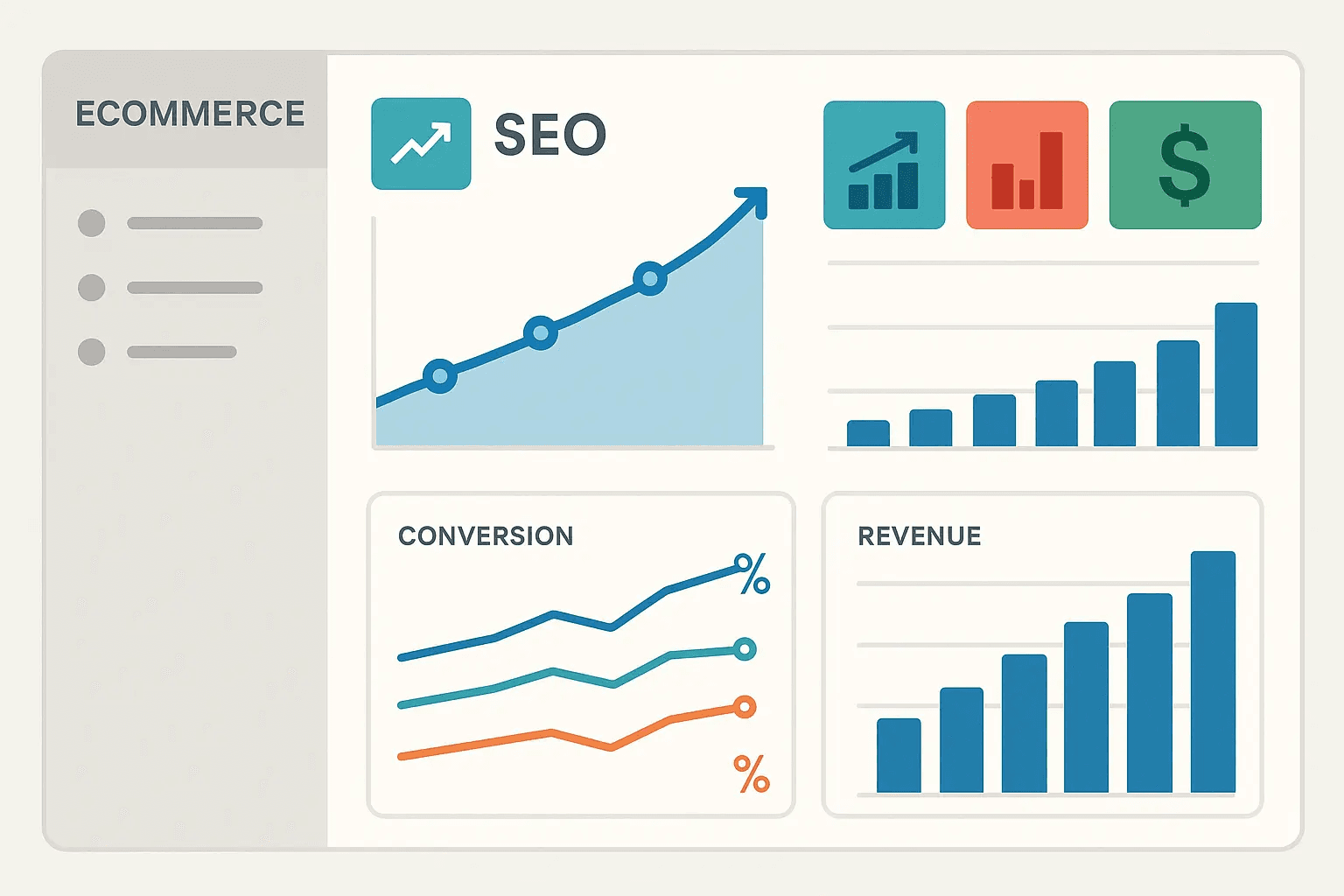
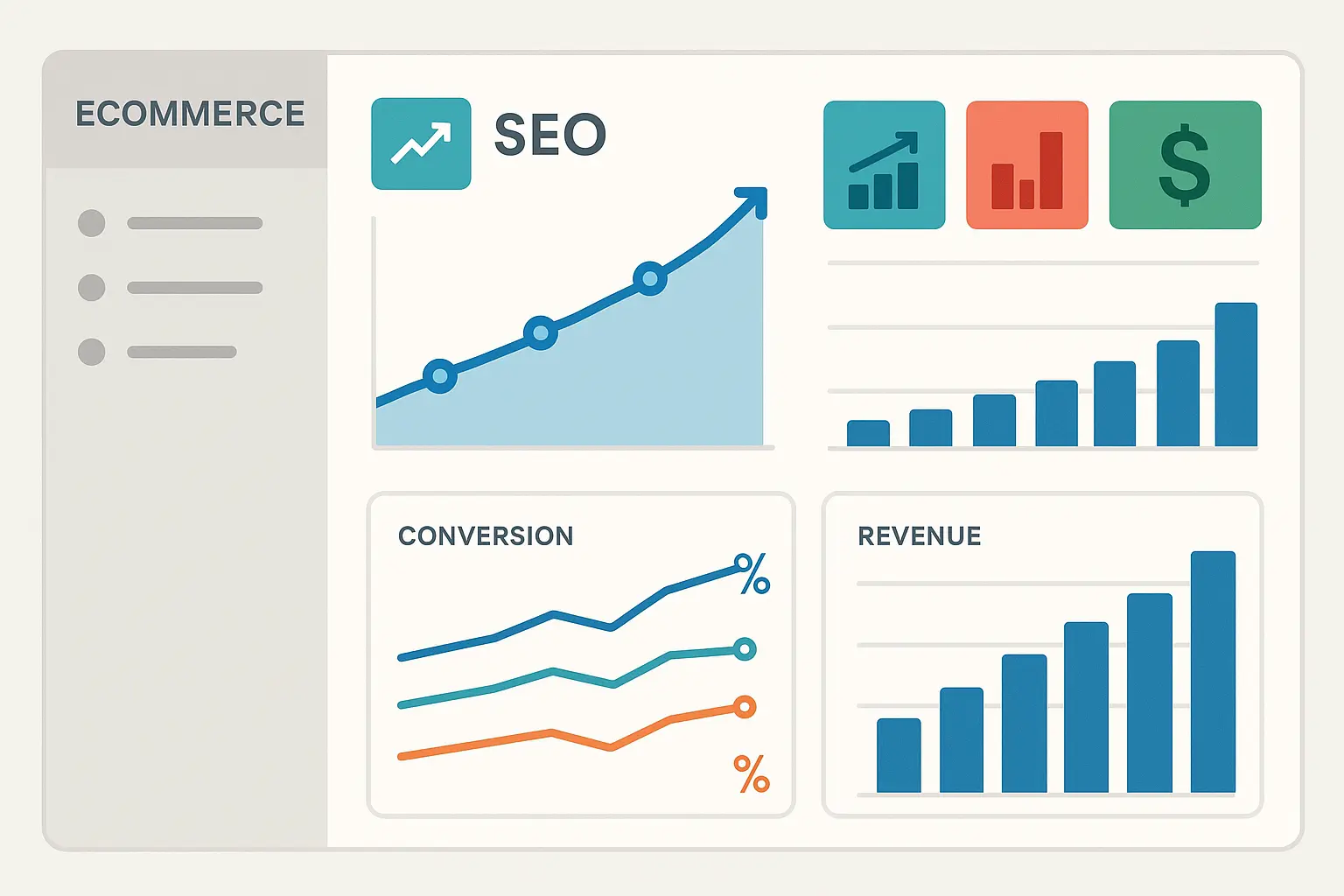
Pero para los vendedores novatos con presupuestos limitados, además de los anuncios de pago, hay dos“tuberías de agua gratuitas” que muchos pasan por alto: SEO (optimización para motores de búsqueda) y marketing de contenido.
Si las conectas correctamente, el tráfico limpio, gratuito y preciso fluirá sin cesar hacia tumarca.
Fuente: Internet
Primero, entender la lógica: en 2026, la búsqueda ha cambiado
Antes, cuando hacíamos SEO, lo primero que pensábamos era “cómo posicionar una palabra clave en el primer lugar de Google”. Pero en 2026, esta mentalidad debe actualizarse.
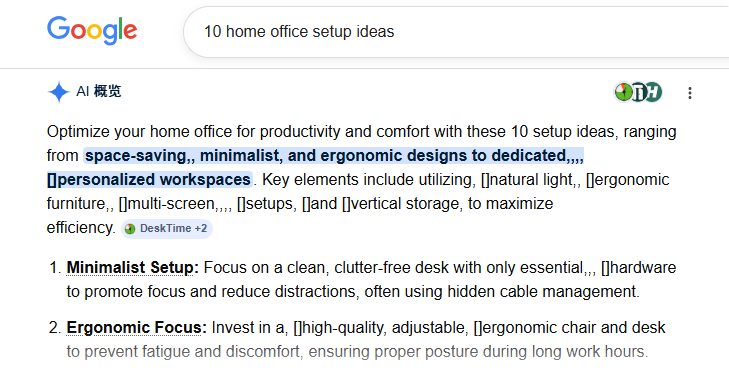
Ahora, la página de resultados de búsqueda de Google tiene una gran sección en la parte superior que probablemente sea un resumen generado por IA (SGE). ¿Qué significa esto? Que los usuarios quizás ni siquiera hagan clic en ningún sitio web, y su duda ya esté resuelta. Por lo tanto, el núcleo del SEO actual ya no es solo “pelear por el ranking”, sino “pelear por el derecho a ser citado por la IA”.
Debes hacer que el contenido de tu sitio web se convierta en la “fuente de información” más confiable y digna de ser citada según la IA. Solo cuando la IA cite repetidamente tu contenido, el tráfico fluirá como agua de manantial sin cesar. Esto nos lleva a nuestra primera estrategia.
Fuente: Google
Convierte tu sitio web de un“catálogo de productos” en una “biblioteca”
Muchos vendedores solo tienen unas pocas páginas de productos secas en su sitio independiente, con parámetros listados y precios colgados, esperando que los usuarios vengan a comprar. Es como abrir una tienda nueva con estantes vacíos; ¿quién querría entrar?
Por lo tanto,deja de escribir artículos cortos y dispersos como “¿Qué es XX?”. Intenta construir un grupo de contenido en torno a una palabra clave central.
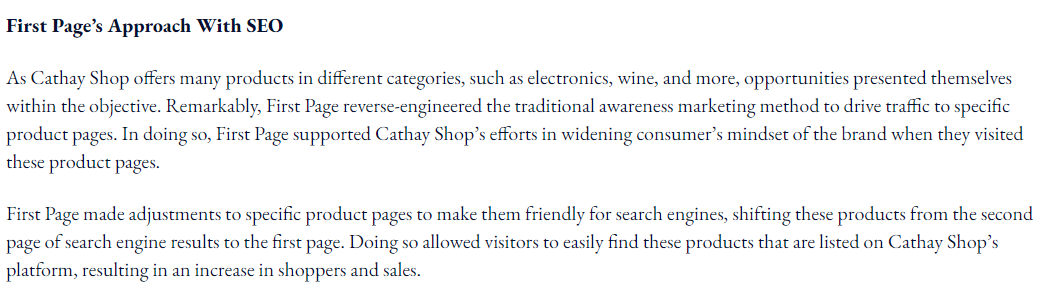
Aquí podemos ver un caso que, aunque no es un sitio independiente, tiene una lógica completamente universal: la plataforma de compras de Cathay Pacific,Cathay Shop. Querían transformarse de un simple servicio de vuelos a un comercio electrónico de estilo de vida, vendiendo vino y productos electrónicos. Si fueras tú, ¿cómo lo promocionarías? No invirtieron fuertemente en publicidad, sino que aplicaron un SEO de “pensamiento inverso”.
Optimizaron minuciosamente las páginas de productos específicos para palabras clave de cola larga concretas. ¿El resultado? Estas páginas de productos que antes estaban en la segunda página saltaron directamente a la primera. Los usuarios que llegan buscando términos precisos tienen una intención de compra muy alta, convirtiendo a los que navegaban por vuelos en compradores de la tienda.
Fuente: marketing
UsaE-E-A-T para “engañar” a los ojos de la IA
En2026, Google valora enormemente algo llamado “E-E-A-T”, que traducido significa: Experiencia, Expertise, Autoridad y Confianza. ¿Cómo entenderlo?
Experiencia (Experience): ¿Realmente has usado esto?
Expertise (Expertise): ¿Eres conocedor?
Autoridad (Authoritativeness): ¿Te reconocen los demás?
Confianza (Trustworthiness): ¿Eres confiable?
En 2026, los usuarios solo confían en dos cosas: pruebas reales y la voz de la gente común.
Por ejemplo,una marca de muebles de exterior llamada Topson hizo algo muy inteligente durante su transformación: modificar los productos basándose en las reseñas negativas y comentarios de los usuarios.
Descubrieron que los usuarios de carros de camping se quejaban de que “las ruedas eran demasiado pequeñas, difíciles de empujar en la arena”, así que desarrollaron un carro infantil más adecuado para la playa. Luego, publicaron en su sitio web “la historia detrás del desarrollo” y “videos de pruebas reales de usuarios”. Esta transmisión de experiencia auténtica aumentó sus compras repetidas en un 60%.

Fuente: Ebrun Power
TikTok no es solo entretenimiento, es tu “nuevo motor de búsqueda”
Al principio mencionamos que los hábitos de búsqueda de laGeneración Z han cambiado. Más del 40% de los jóvenes, cuando buscan algo, su primer impulso no es abrir Google, sino abrir TikTok.
Esto significa que si tu contenido no tiene “visibilidad de búsqueda” enTikTok, te estás perdiendo la primera oportunidad de interceptar el conocimiento.
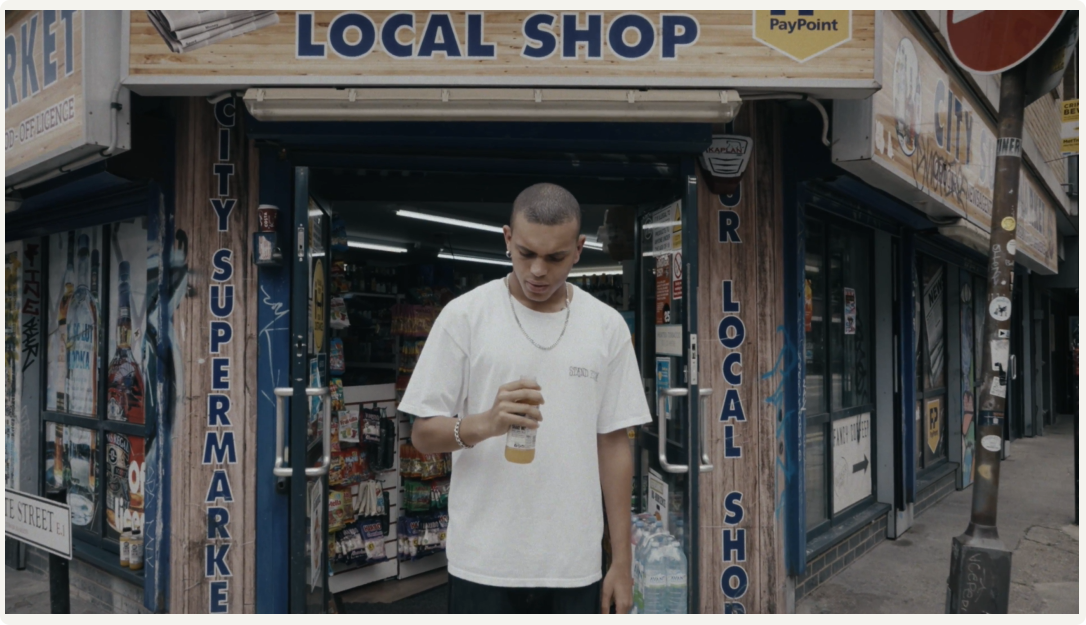
Mira cómo lo hizo la marca de bebidasJuice Burst. Para llegar a los jóvenes de la Generación Z, no hicieron anuncios sofisticados, sino que buscaron a 7 micro-creadores (KOC) reales, quienes grabaron su día a día de “ganar dinero” y “esforzarse” con su propio estilo, mientras tomaban un sorbo de la bebida.
Este contenido extremadamente cercano, como si lo grabara un vecino, obtuvo tasas de visualización y resonancia muy altas.
Por supuesto,no esperes que el primer video se vuelva viral. Necesitas una línea de producción de “reutilización de contenido”: guías largas del sitio independiente → desglosarlas en guiones de video corto de TikTok → agregar etiquetas de palabras clave → publicar y dirigir de vuelta al sitio independiente para ver el tutorial detallado. Así se forma el ciclo cerrado de tráfico.
Fuente: lbbonline
Al final: lo lento es rápido
Lo sé, hacerSEO y marketing de contenido es difícil, porque no es como invertir en anuncios, donde hoy pagas y mañana tienes pedidos. Es como hacer una bola de nieve: al principio cuesta esfuerzo, pero mientras la pendiente sea lo suficientemente larga y la nieve lo suficientemente húmeda, luego se hará más y más grande.
En 2026, el tráfico se está reestructurando y la IA está reconstruyendo las rutas de acceso de los usuarios. Para los pequeños y medianos vendedores con presupuestos limitados, esto es precisamente la mayor oportunidad. Porque cuando los métodos de inversión de los grandes streamers y grandes vendedores fallan, lo que realmente compite es quién tiene un contenido más sincero y quién tiene una mayor profundidad profesional.