 2332
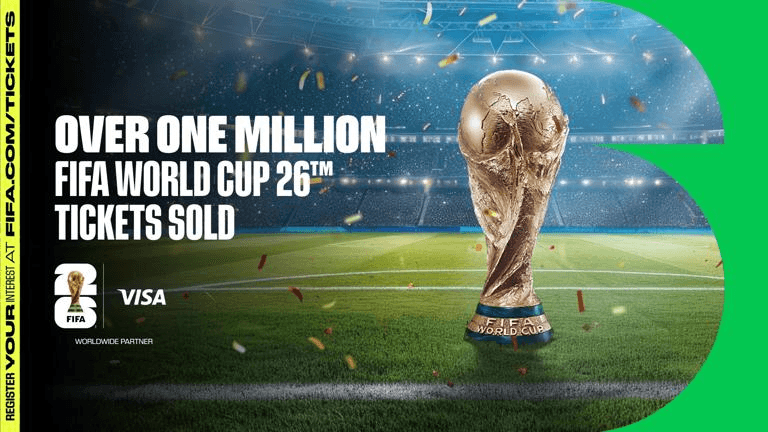
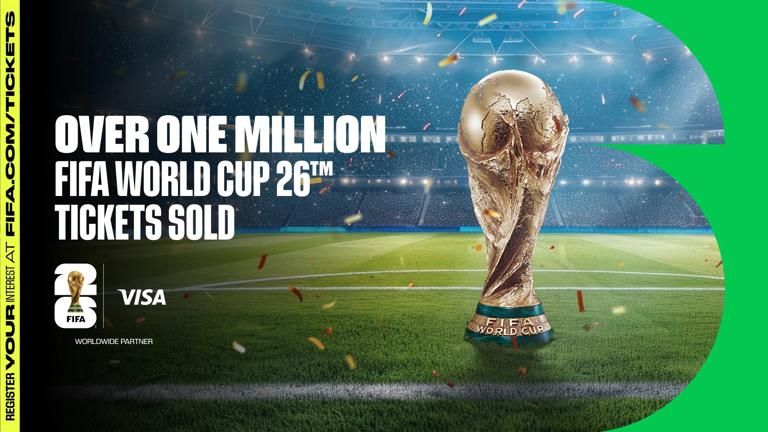
2332El Mundial 2026 de Estados Unidos, Canadá y México se acerca cada vez más, y para los vendedores de comercio electrónico transfronterizo, sin duda es la oportunidad de tráfico que más vale la pena apostar este año.
Fuente: Xinhua
Sin embargo, las ediciones anteriores del concurso han estado acompañadas de un lote de demandas por infracción (TRO) y dolorosos casos de tiendas cerradas: productos con IP oficial como banderas, emblemas de equipos y retratos de estrellas del fútbol, que parecen fáciles de vender, pero en realidad están llenos de trampas.
Entonces, ¿cómo asegurar la seguridad de la cuenta mientras se aprovechan al máximo las oportunidades deportivas? La respuesta está en evitar las trampas de derechos de autor y elegir,"Estrategia de selección de productos sin riesgo de derechos de autor."
Los siguientes tres direcciones son seguras y tienen potencial de mercado, y vale la pena que los vendedores las planifiquen con anticipación.
La fusión transversal entre los hitos urbanos y el fútbol
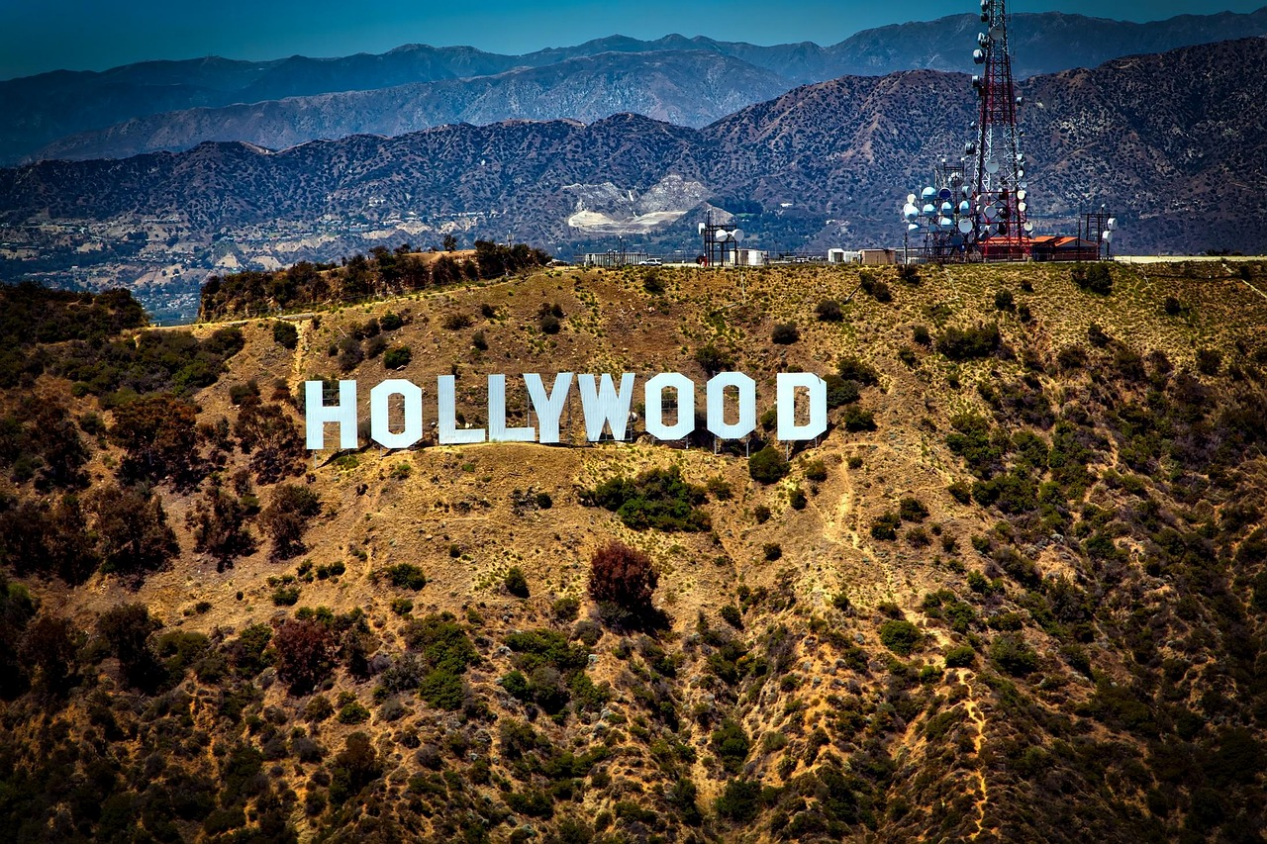
Esta Copa Mundial es organizada conjuntamente por tres países: Estados Unidos, Canadá y México, con un total de16 ciudades anfitrionas, cada una con edificios emblemáticos altamente reconocibles. Desde el letrero de Hollywood hasta el horizonte de Nueva York, desde la Torre CN de Toronto hasta el Templo Mayor de la Ciudad de México, estas imágenes emblemáticas en sí no están protegidas por derechos de autor, pero llevan consigo los profundos sentimientos de los aficionados hacia las sedes del evento.
Fuente:Google
Los vendedores pueden combinar hábilmente estas siluetas de ciudades con elementos futbolísticos. Por ejemplo, haciendo que el fútbol"Volar" sobre los puntos de referencia, o integrar el contorno del estadio en el paisaje nocturno de la ciudad. Este diseño evita el riesgo de infracción de la IP oficial y, al mismo tiempo, satisface con precisión la necesidad psicológica de los aficionados de coleccionar recuerdos de los partidos.
Para los vendedores, esto significa que pueden crear productos conmemorativos de alto margen utilizando costos de derechos de autor extremadamente bajos, comoCamisetas, tazas, imanes de nevera, etc.
Expresión creativa de los colores nacionales y los símbolos culturales
El uso directo de banderas, nombres de países o escudos oficiales es sin duda una conducta de alto riesgo de infracción, pero la identificación de los aficionados con su país aún debe ser satisfecha. La solución está en extraer los colores clásicos y símbolos culturales más reconocibles de cada país.
Las rayas azules y blancas de Argentina, la combinación amarilla y verde de Brasil, el azul, blanco y rojo de Francia, y el naranja de los Países Bajos....Estas combinaciones de colores no están protegidas por derechos de autor, pero pueden despertar instantáneamente el sentido de pertenencia nacional de los aficionados. Además, se pueden incorporar símbolos culturales representativos no protegidos de cada país, como el sol de Argentina, el loro de Brasil o el contorno de un molino de viento de los Países Bajos.
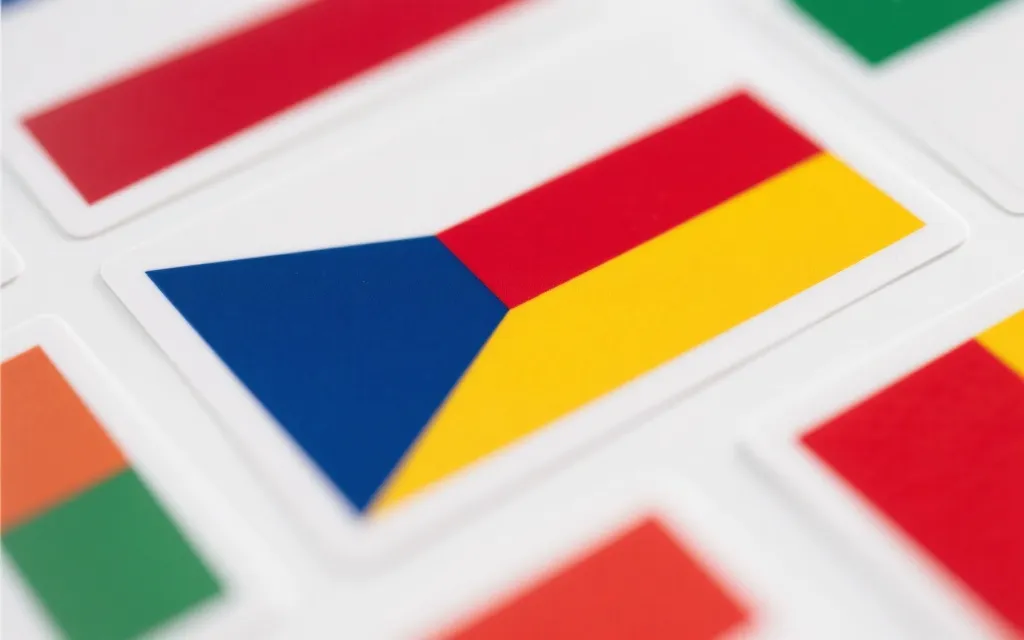
Fuente de la imagen:Google
Esta técnica de diseño que identifica países por colores logra crear una fuerte atmósfera de competición, manteniéndose firmemente dentro de la zona segura. Los vendedores deben tener en cuenta que las preferencias estéticas de los aficionados varían mucho según el país, por lo que se recomienda realizar diseños dirigidos al mercado objetivo, evitando un enfoque único para todos.
Elementos de diseño público comunes de la cultura del fútbol
Si las dos primeras direcciones llevan la huella de eventos específicos, entonces los artículos generales de fútbol son la opción de menor riesgo y mayor aplicabilidad.
La textura del campo de fútbol, la clásica forma de balón de fútbol en blanco y negro, los tacos en la suela de los zapatos de fútbol, el silbato del árbitro, estos símbolos universales de la cultura futbolística pertenecen al dominio del diseño público y no están sujetos a protección de derechos de autor. Los vendedores pueden realizar creaciones secundarias basadas en estos elementos, como combinar la textura del balón con estampados modernos o convertir el silbato del árbitro en un llavero.

Fuente de la imagen:Google
La ventaja de este tipo de productos es que no solo se venden bien durante la Copa Mundial, sino que también pueden seguir generando pedidos como productos periféricos de fútbol habituales en tiempos normales, con menos presión de inventario y un ciclo de vida más largo. Para los vendedores pequeños y medianos que recién ingresan, este es el punto de entrada más seguro.
Impacto en los vendedores y estrategias de respuesta
Cambiar a la selección de productos sin riesgo de derechos de autor, el beneficio más directo es evitardemandas de TRO y riesgo de cierre de tienda, pero al mismo tiempo plantea mayores exigencias a la capacidad de diseño y la sensibilidad de mercado de los vendedores, ya que ya no pueden simplemente imprimir una bandera y vender, sino que necesitan dedicar tiempo a la integración creativa.
Se recomienda que los vendedores adopten activos ligeros+ estrategia multiplataforma: mediante el modelo de drop shipping POD (impresión bajo demanda), sin necesidad de almacenar inventario, una vez confirmado el diseño se puede producir y enviar, con salida de almacén en 48 horas y entrega en 5-7 días hábiles, al mismo tiempo que se publican los productos simultáneamente en múltiples plataformas como Amazon, AliExpress, eBay, Temu, Mercado Libre, etc., para recibir pedidos de diferentes canales de manera flexible.
De esta manera, incluso si la política de alguna plataforma se endurece, otros canales aún pueden seguir enviando productos, y la capacidad de resistencia al riesgo se mejora enormemente.
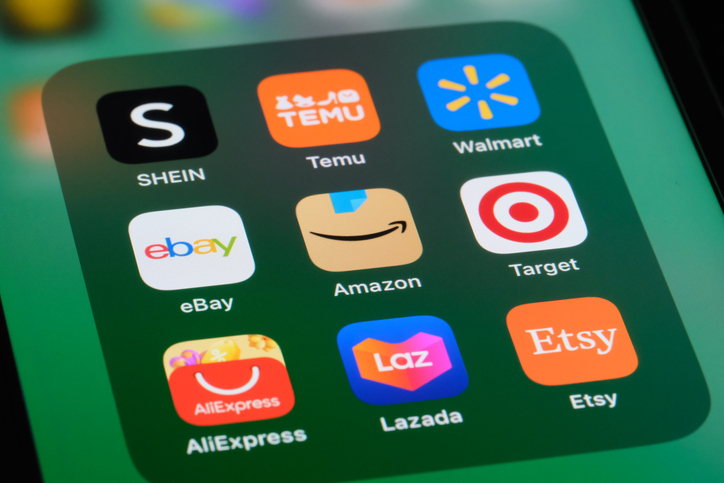
Fuente de la imagen:Google
Conclusión
Los beneficios de tráfico de la Copa Mundial 2026 son indudables, pero la premisa para ganar dinero es evitar las trampas de la propiedad intelectual oficial. Girar hacia tres direcciones sin riesgo de derechos de autor: puntos de referencia urbanos, combinaciones de colores nacionales y cultura futbolística general, no solo es responsable con la seguridad de la tienda, sino también una planificación racional para el negocio a largo plazo.
Nunca faltan seguidores de tendencias en la moda, lo que falta son jugadores inteligentes que puedan ver la dirección del viento y mantenerse firmes en los límites. Ahora comienza a pulir el diseño, conectar con la cadena de suministro, y cuando llegue el evento, podrás vender con tranquilidad y obtener ganancias de manera estable.