
 2223
2223La industria global del comercio electrónico ha experimentado un fuerte crecimiento en los últimos años, especialmente en Brasil, que, como líder del crecimiento del comercio electrónico en América Latina, ha mostrado una velocidad de expansión del mercado impresionante. Según la última encuesta de Akamai Technologies, el 20% de los consumidores brasileños realiza compras en línea al menos una vez por semana, mientras que la proporción de quienes compran al menos una vez al mes alcanza el 31%. Se espera que estas cifras sigan aumentando durante la próxima promoción del "Black Friday".

Fuente: Google
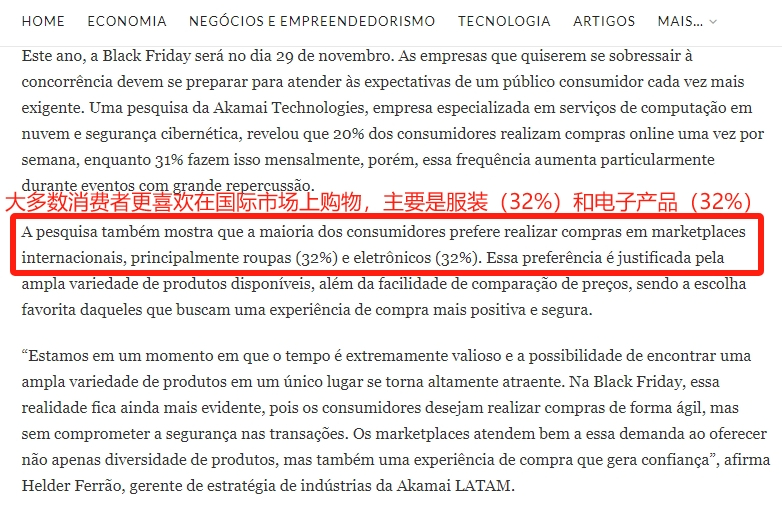
En cuanto a las preferencias de compra, los consumidores brasileños tienden a adquirir ropa y productos electrónicos en plataformas internacionales, y el 32% de ellos elige estas plataformas principalmente porque ofrecen una selección más amplia de productos y precios competitivos, lo que no solo hace que el proceso de compra sea más conveniente, sino que también mejora la seguridad de las compras, elevando significativamente la experiencia del consumidor.
Fuente: marcasemercados
Los consumidores brasileños también muestran una gran flexibilidad al elegir canales de compra, y su elección a menudo depende del tipo específico de producto que compran. Por ejemplo, en el sector de productos electrónicos, muchos consumidores equilibran sus opciones entre mercados internacionales como Amazon y Mercado Livre, y los locales brasileños como Magazine Luiza y Casas Bahia. En la compra de electrodomésticos, aproximadamente el 45% de los consumidores prefiere utilizar sitios web brasileños locales.
Sin embargo, en general, las aplicaciones para teléfonos inteligentes siguen siendo el método de compra más popular entre los consumidores brasileños, especialmente en las categorías de alimentos y ropa, donde su conveniencia e intuitividad mejoran aún más la experiencia de compra.
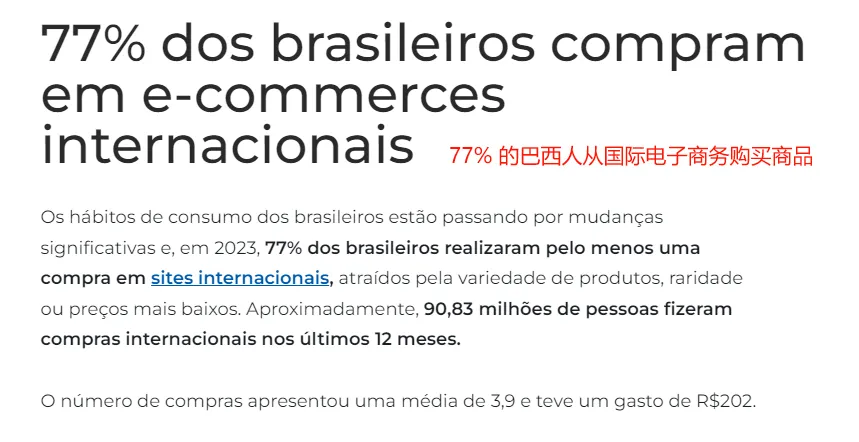
Además, el mercado brasileño tiene una alta aceptación de productos importados y comercio electrónico transfronterizo. Según un estudio conjunto de la Federación Brasileña de Gerentes Minoristas con SPC Brasil y Offerwise Pesquisas, en 2023, el 77% de los brasileños realizó al menos una compra en plataformas de comercio electrónico transfronterizo.
Fuente: ecommerce Brasil
En particular, los productos chinos son muy apreciados por los consumidores brasileños. Según datos relevantes, de cada 10 consumidores brasileños, 7 han comprado productos chinos. Esta tendencia no solo refleja la popularidad de los productos chinos en el mercado brasileño, sino que también destaca el papel importante del comercio electrónico transfronterizo en el comercio global.
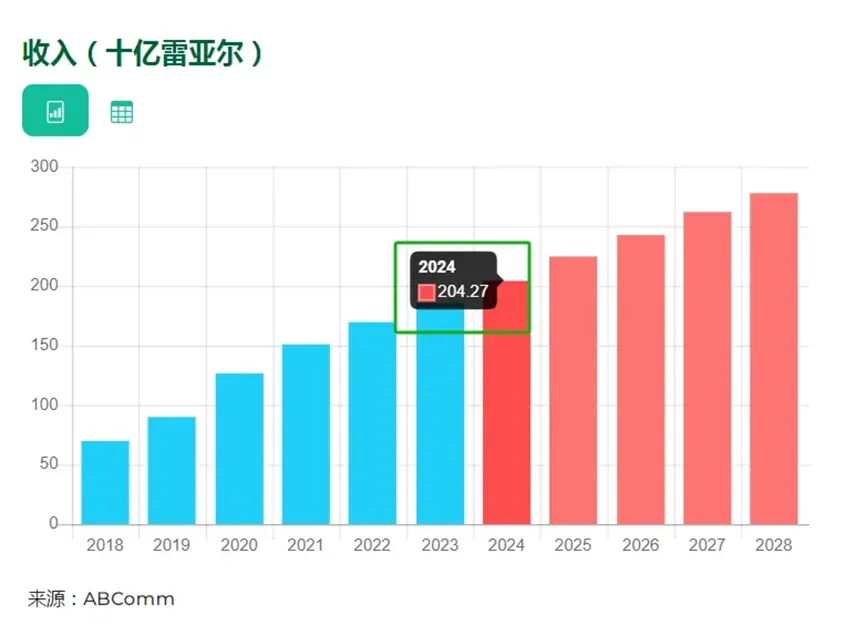
Como la economía más grande de América Latina, Brasil siempre ha sido considerado por muchos vendedores como un mercado azul emergente. Según datos de la Asociación Brasileña de Comercio Electrónico, en 2023, el tamaño del mercado de comercio electrónico minorista en Brasil alcanzó los 185 mil millones de reales, un crecimiento significativo desde los 70 mil millones de reales en 2018. De cara al futuro, se espera que para 2024, las ventas de comercio electrónico en Brasil aumenten a 204,3 mil millones de reales, con una tasa de crecimiento anual de aproximadamente el 10%. Esta tendencia de crecimiento continuo resalta el enorme potencial y atractivo del mercado de comercio electrónico brasileño.
Fuente: ABComm
Con el desarrollo de la tecnología de Internet y la amplia popularización de los teléfonos inteligentes, las compras en plataformas de comercio electrónico se han convertido en un hábito diario, lo que ha traído un enorme espacio de crecimiento para el comercio electrónico transfronterizo. Sin embargo, el rápido desarrollo del mercado de comercio electrónico brasileño también ha traído algunos desafíos, especialmente en términos de confianza y seguridad del consumidor.
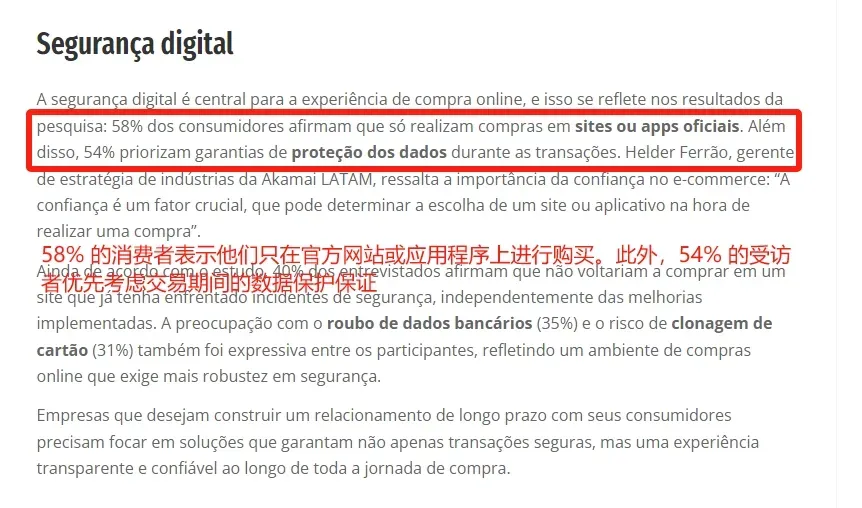
Según la encuesta, el 58% de los consumidores prefiere comprar solo en sitios web oficiales o aplicaciones, y el 54% está preocupado por la seguridad de las transacciones. Incidentes de seguridad como filtraciones de datos pueden llevar a que aproximadamente el 40% de los usuarios se nieguen a realizar compras nuevamente.
Fuente: telesintese
Aunque el mercado de comercio electrónico transfronterizo brasileño tiene un enorme potencial de crecimiento, la competencia en este campo es cada vez más intensa, y las expectativas de los consumidores sobre la calidad del servicio y los productos continúan aumentando. Para establecer una posición en el mercado, los vendedores deben optimizar continuamente sus servicios y gestionar meticulosamente la calidad del producto. En este mercado en constante evolución, solo aprendiendo y adaptándose continuamente se puede lograr un éxito y crecimiento duraderos.