
 2486
2486En 2025, la economía global sigue sumida en la nube de la inflación. Los consumidores británicos, bajo la presión del aumento del costo de vida, se ven obligados a adoptar un modo de "apretarse el cinturón".
Desde tiendas de descuento físicas hasta plataformas de bajo costo en línea, desde acumular productos rebajados hasta optar por marcas blancas, una revolución del consumo centrada en la "relación calidad-precio" está arrasando el mercado británico e influyendo profundamente en las estrategias competitivas del comercio electrónico transfronterizo global.

Fuente: Internet
1. Consumidores británicos: un giro completo de "comprar marcas" a "comprar practicidad"
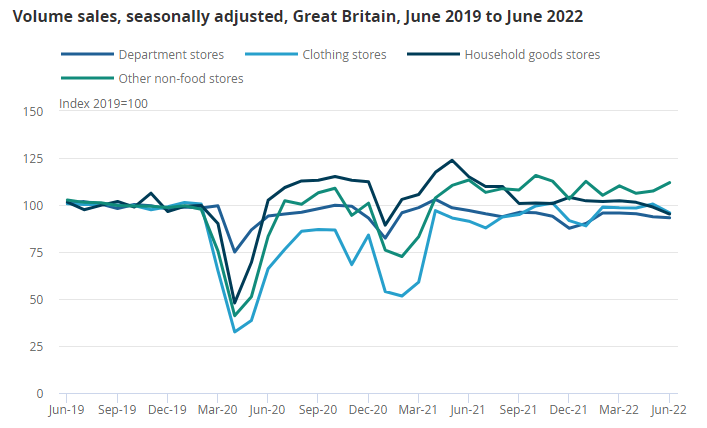
Según datos de la Oficina Nacional de Estadística del Reino Unido, en 2022, el 62% de los adultos británicos ya había reducido el gasto en productos no esenciales debido a la crisis del costo de vida, y esta tendencia se ha intensificado aún más en 2025. El índice de consumo de Kantar muestra que los consumidores británicos están combatiendo la inflación de diversas maneras: comprando frutas y verduras "feas" para ahorrar, recurriendo a tiendas de descuento y marcas blancas (como indican los datos de 2022, la cuota de mercado de las marcas blancas de los supermercados británicos ha crecido significativamente).
Fuente: Internet
Es importante destacar que la reducción del consumo no se trata simplemente de buscar precios bajos. Esta lógica de consumo "calculadora" obliga a las marcas a reevaluar el posicionamiento de sus productos: los precios bajos deben vincularse al valor práctico, no solo a una reducción de precio.
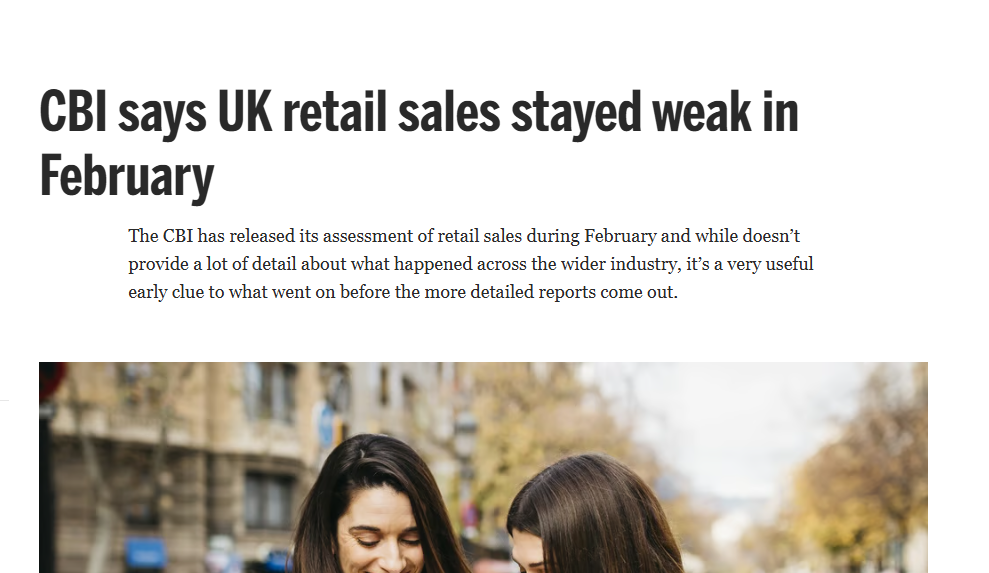
A pesar de ello, la sombra de la desaceleración económica británica ya cubre el mercado, y la reducción del consumo se ha convertido en una tendencia inevitable. Recientemente, los datos de evaluación de ventas minoristas de febrero publicados por la Confederación de la Industria Británica (CBI) muestran que el rendimiento de las ventas minoristas sigue siendo débil, sin lograr salir de la recesión. Al mismo tiempo, el pesimismo entre los minoristas sobre las perspectivas del mercado continúa extendiéndose, y se espera que las ventas de marzo disminuyan aún más. Esta situación no solo refleja la gravedad del entorno económico actual, sino que también indica que el camino hacia la recuperación del mercado de consumo sigue siendo largo.
Fuente: Fashion
2. La "estrategia de precios bajos" del comercio electrónico transfronterizo y los desafíos de la localización
Las plataformas de bajo costo aceleran su penetración, pero aumentan las barreras de localización
Ante la sensibilidad al precio de los consumidores británicos, los gigantes del comercio electrónico transfronterizo están ajustando sus estrategias. Amazon lanzó en 2024 el centro comercial de bajo costo Amazon Haul, y aunque la respuesta en el mercado estadounidense fue tibia, lo expandió rápidamente a Europa e invirtió 2400 millones de dólares en expandir su red logística para respaldar la entrega rápida de productos de bajo costo. AliExpress, mediante marketing localizado como patrocinar el London Comic Con y bombardear con anuncios en el metro, alcanzó el primer lugar en descargas de aplicaciones de compras en el Reino Unido durante el "Double 11" de 2024, con figuras de acción y artículos festivos de alta relación calidad-precio como productos estrella. Temu, propiedad de Pinduoduo, continúa erosionando la cuota de mercado de las plataformas tradicionales con su modelo de "precios ultrabajos + difusión social".

Fuente: Amazon
La demanda del consumidor impulsa la actualización de la cadena de suministro
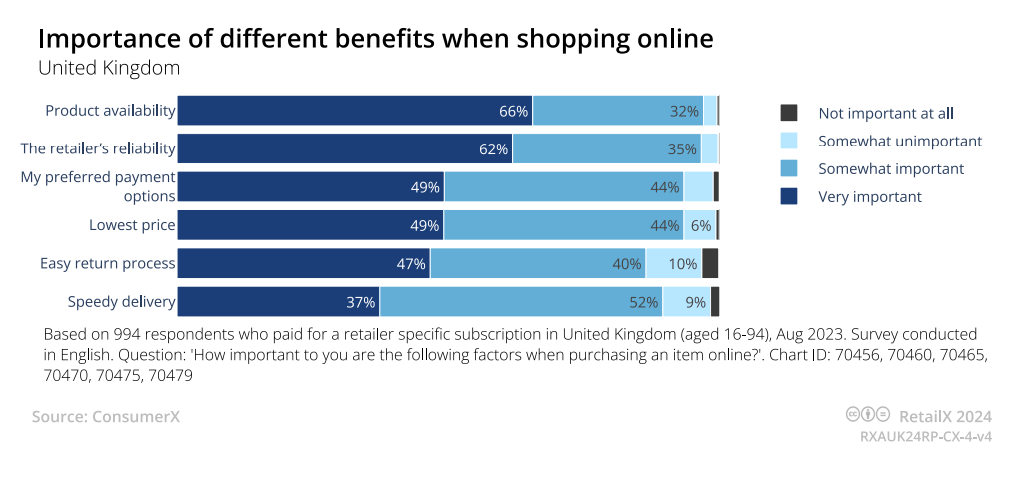
Los consumidores británicos son casi exigentes con la eficiencia logística: el 84% espera que los paquetes lleguen en 3-5 días, y el 32% espera entrega en 1-2 días. Sin embargo, los vendedores transfronterizos enfrentan el desafío de una cadena de suministro más compleja tras el Brexit. El 39% de los consumidores europeos ha reducido las compras transfronterizas debido a los ajustes en las reglas del IVA, las importaciones británicas desde la UE han disminuido un 28.8%, y las exportaciones han caído un 407%. Además, los servicios localizados se han convertido en clave competitiva: el 43% de los consumidores dice que las "devoluciones flexibles" son su prioridad, y el 56% considera el "envío gratuito" como el factor principal al elegir una plataforma.
Fuente: ConsumerX
Costos ocultos detrás de la guerra de precios
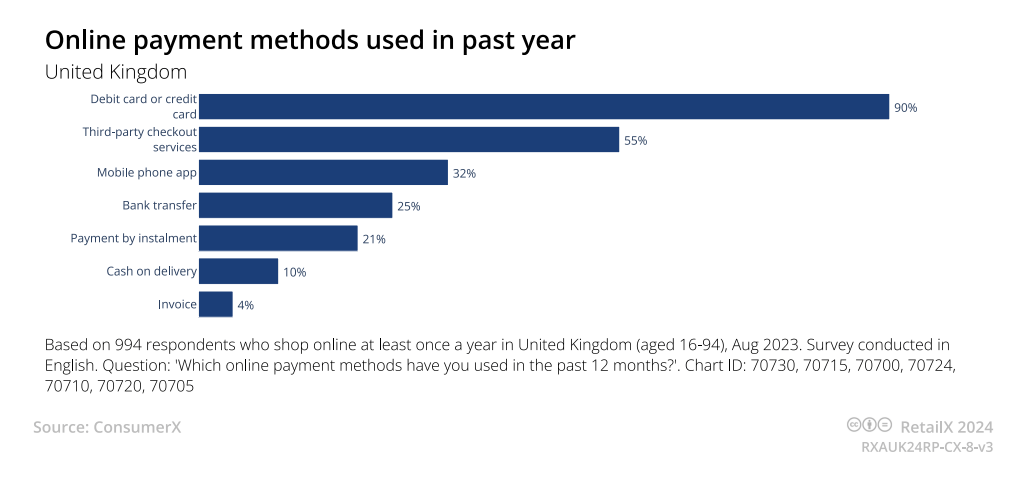
La estrategia de precios bajos no es una panacea. Los datos de la temporada navideña de 2024 muestran que, aunque las ventas minoristas generales en el Reino Unido crecieron un 2.3%, la categoría de ropa cayó un 2% y los productos electrónicos solo aumentaron un 1.3%, lo que indica que las categorías no esenciales se ven más afectadas por la guerra de precios. Al mismo tiempo, los consumidores exigen mayor transparencia en los productos: el 62% presta atención a las etiquetas de ingredientes y certificaciones de sostenibilidad, y el 93% valora la flexibilidad en los métodos de pago. Depender únicamente de precios bajos puede llevar a una pérdida de lealtad a la marca, especialmente en categorías impulsadas por la emoción como la belleza y la moda, donde el valor diferenciado sigue siendo una barrera clave.
Fuente: ConsumerX
Conclusión
La reducción del consumo en el mercado británico es tanto un desafío como una oportunidad para reestructurar el panorama competitivo. Los vendedores transfronterizos deben salir de la "guerra de precios interna" y encontrar un equilibrio entre la relación calidad-precio y la identidad de marca mediante una selección precisa de productos, optimización de la cadena de suministro y marketing de valor. Como señala el informe de RetailX: "Los ganadores de 2025 serán aquellos que puedan controlar los costos y, al mismo tiempo, conectar con los consumidores a través de servicios localizados y conexiones emocionales". Solo adaptándose a las tendencias y arraigándose profundamente se podrá mantenerse firme en la ola de precios bajos.
(Nota: Todos los datos y eventos en este artículo se basan en informes públicos y estudios de investigación. Las estrategias específicas deben ajustarse según las necesidades comerciales reales)