 1999
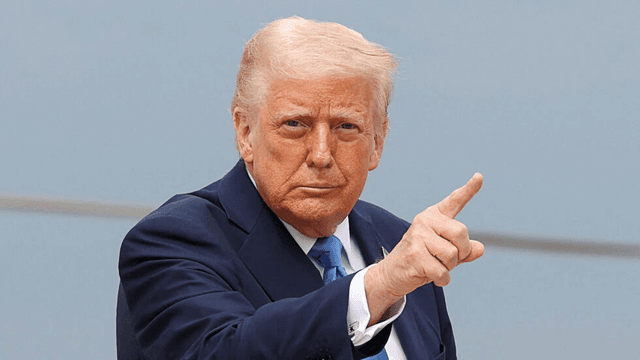
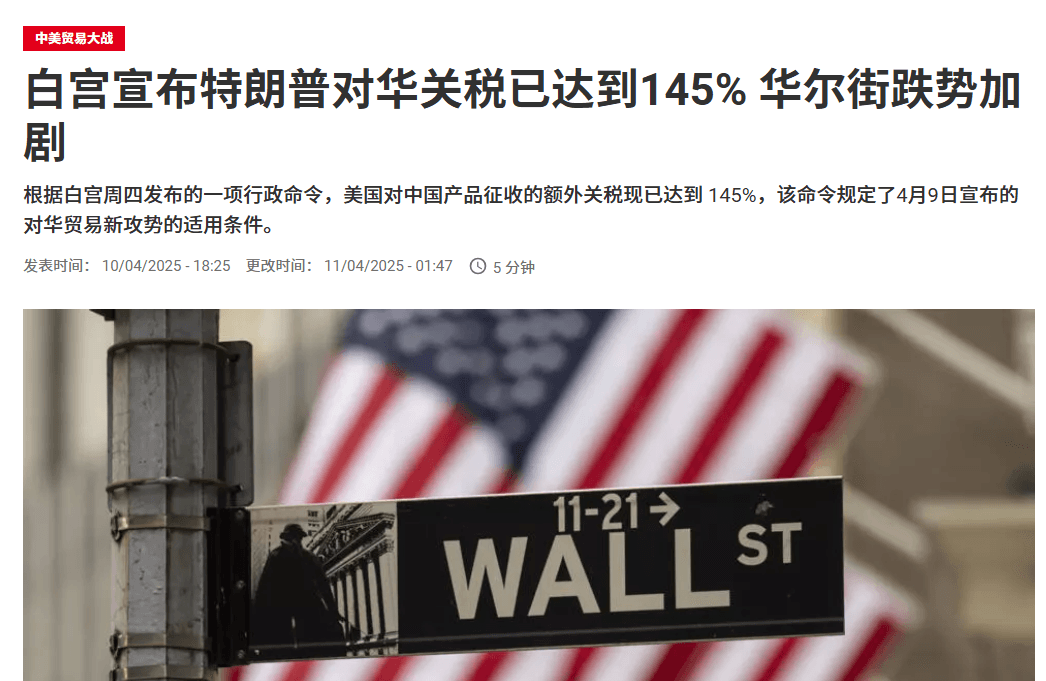
1999Recientemente, el nombre del expresidente estadounidense Trump volvió a acaparar los trending topics globales. Pero esta vez no fue por mítines de campaña, sino porque su "gran aventura arancelaria" se le fue de las manos. Tras esperar toda la noche sin recibir una llamada de China, Trump finalmente subió otro escalón, acumulando aranceles de hasta el 145%.
Los costos de los vendedores chinos se disparan, los bolsillos de los consumidores estadounidenses se vacían, y el "garrote arancelario" de Trump podría terminar golpeando más fuerte a los propios estadounidenses.
Fuente: AFP
Escalada de la guerra arancelaria: del "arancel recíproco" al 125% de locura
La política arancelaria de Trump es como una montaña rusa fuera de control.
El 2 de abril, anunció con bombo un "arancel base" del 10% para todos los socios comerciales y aranceles punitivos del 20% al 34% para las principales economías como China y la UE. Pero solo una semana después, de repente aumentó los aranceles a los productos chinos al 125%, mientras que "dio un respiro" a 75 países suspendiendo temporalmente el 906.
Esta operación de cambios constantes tomó por sorpresa incluso a la propia Casa Blanca: Bloomberg reveló que el gobierno ni siquiera había fijado las tasas específicas antes del anuncio de la política.
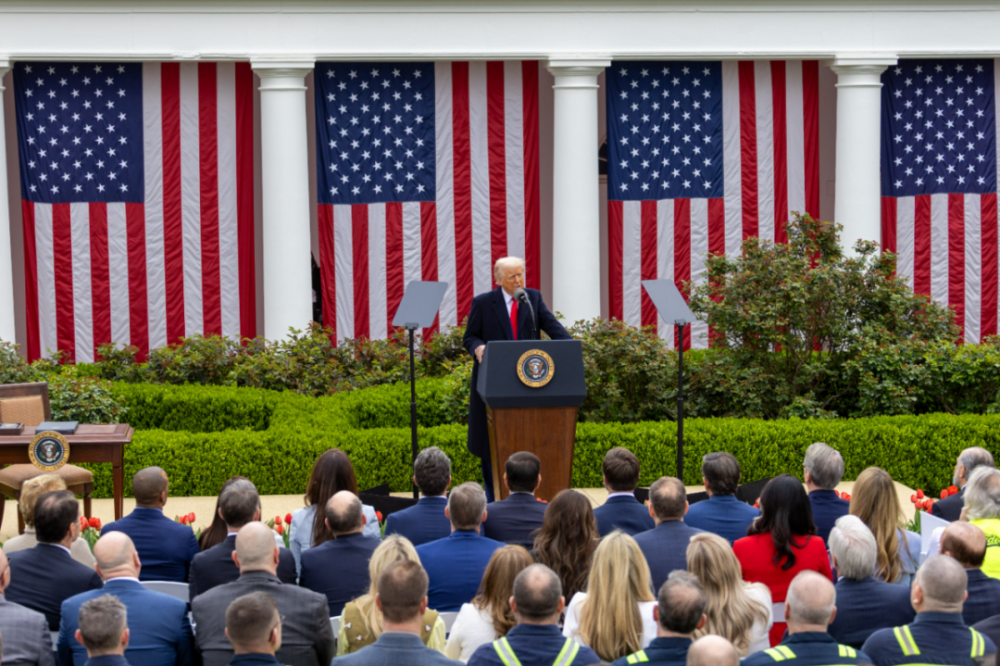
Discurso de Trump sobre el "arancel recíproco" Fuente: Xinhua
¿Por qué Trump está tan obsesionado con los aranceles? En apariencia, es para "revitalizar la industria manufacturera estadounidense", pero en realidad son cuatro cálculos: forzar a las empresas a regresar a EE. UU., llenar el agujero fiscal, reducir el déficit comercial y usar los aranceles como moneda de cambio.
Pero los datos le dieron una bofetada: en 2024, el déficit comercial de EE. UU. con China aumentó a 361 mil millones de dólares, un 12% más que antes de que Trump iniciara la guerra comercial en 2017.
Irónicamente, la inflación en EE. UU. repuntó al 3.5% debido a los aranceles, y la gente apenas puede comprar huevos.
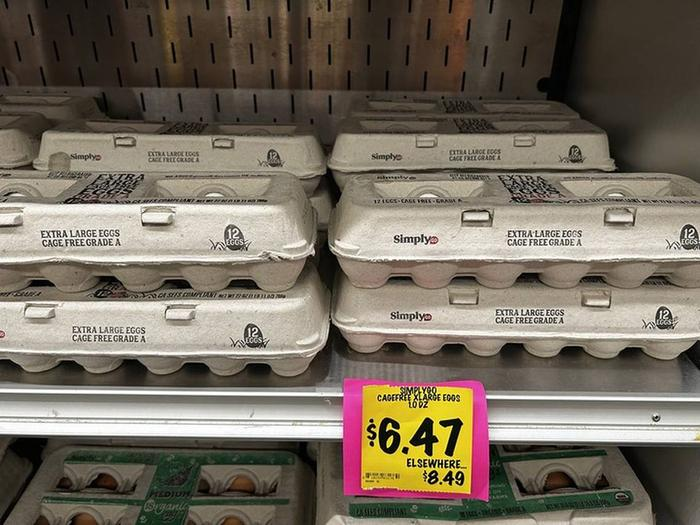
Fuente: Internet
"Ola de aumentos" global: la carrera contrarreloj del comercio electrónico transfronterizo
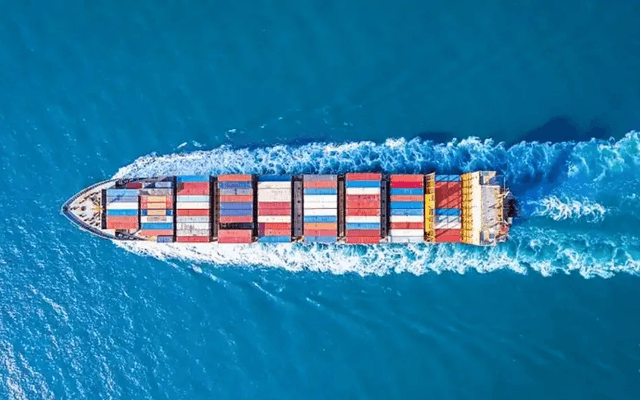
El garrote arancelario de Trump golpeó primero a los vendedores transfronterizos. Tomando como ejemplo el comercio electrónico chino:
Great Star Industrial "se enfrenta directamente": al día siguiente de la nueva política, anunció un aumento general de precios, y la gerencia declaró que "toda la industria seguirá pronto".
Anker Innovation juega con "aumentos ocultos": reduce descuentos promocionales, aumenta los precios de nuevos productos y reduce la proporción de ingresos en Norteamérica del 60% al 40%, expandiéndose agresivamente al Sudeste Asiático y América Latina.
Zoyu Technology hace un "gran movimiento": traslada la producción de muebles a Vietnam, etiquetándolos como "Hecho en Vietnam" para evadir impuestos, pero Trump ya tiene el ojo puesto en el Sudeste Asiático, exigiendo inspecciones estrictas del origen.
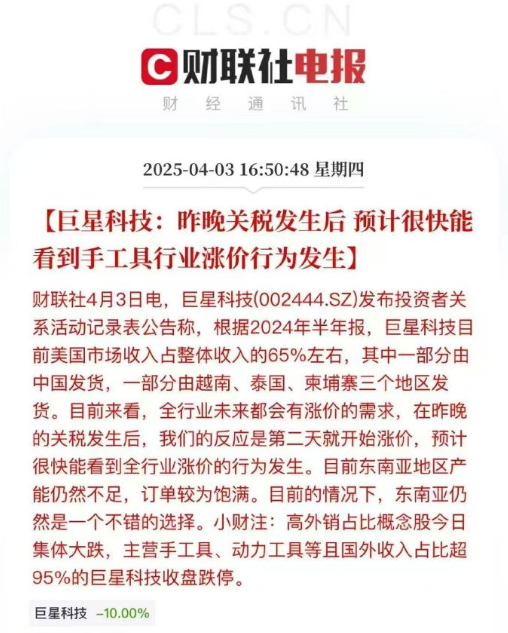
Fuente: Cailianshe
Las empresas estadounidenses tampoco escapan. La marca de hogar Simple Morden gastó 40 millones de dólares adicionales en aranceles y se vio obligada a despedir empleados; Walmart, debido a la ruptura de la cadena de suministro china, tiene el 80% de sus estantes de productos electrónicos vacíos. En Amazon, los cubos de basura subieron un 5%, los ventiladores de baño un 11% y la cinta de pintura un 17%. Los consumidores compran en pánico, y las redes sociales claman: "¡Los salarios no suben, pero los precios se vuelven locos!"

Fuente: OKLAHOMA BUSINESS VOLCE
Escena del "contragolpe" en EE. UU.: la ira desde Wall Street hasta las calles
Desde que se descubrió que impuso un arancel del 10% a las islas Heard y McDonald, habitadas solo por pingüinos, Estados Unidos está completamente decepcionado con su presidente. Es bastante gracioso, los pingüinos son las primeras criaturas en librar una guerra comercial con los humanos...
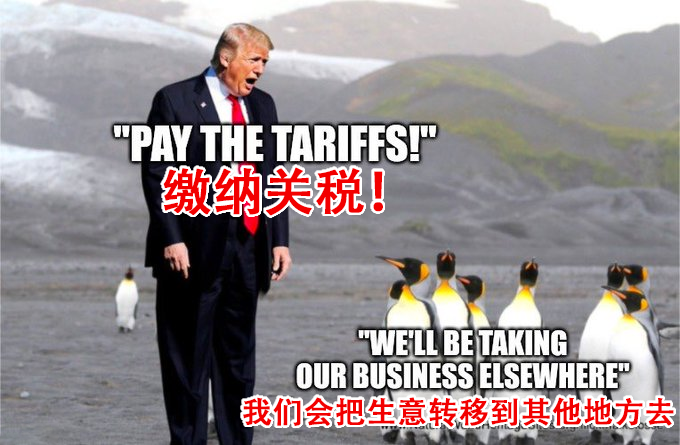
Fuente: Internet
Quizás Trump no esperaba que esta guerra arancelaria colapsara primero a Estados Unidos.
El mercado de valores se desplomó: el Nasdaq cayó un 9% en una semana, las acciones de Apple y Nike se hundieron un 7%, y Goldman Sachs advirtió que 2 millones de empleos minoristas están en peligro.
La cadena de suministro se rompió: los pedidos de ropa en Vietnam se perdieron debido al arancel del 46%, y los grupos de bajos ingresos en EE. UU. enfrentan una "crisis de armario"; la expansión de la fábrica de Tesla en Shanghái se detuvo, y los costos de transferencia de la cadena de suministro de Apple aumentaron un 30%.
La gente se enfureció: 500,000 personas salieron a las calles para "detener a Trump", con carteles que decían "todo está subiendo de precio". Los estados del bastión republicano se pasaron al otro lado debido a los aranceles de represalia de la UE sobre el whisky y las motocicletas.
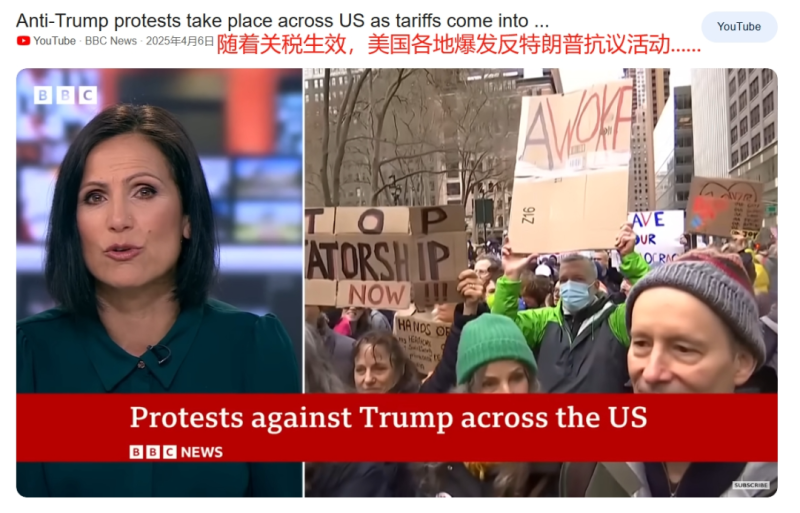
Fuente: YouTube BBC News
Irónicamente, aunque China también se ve afectada, el mercado interno sostuvo la base, y las industrias de semiconductores y nuevas energías crecieron en contra de la tendencia, obligando a las empresas estadounidenses a comprar productos chinos a escondidas a través del Sudeste Asiático.
Conclusión
En resumen, el garrote arancelario de Trump es como golpearse el pie con un martillo. La globalización no se revierte con impuestos. Las empresas quieren ganar dinero, los consumidores quieren productos baratos, y las cadenas de suministro ya están intrincadamente entrelazadas. Desmantelarlas por la fuerza solo hará que todos sufran. ¿Cómo terminará esta farsa? Nadie lo sabe, pero una cosa es clara: cuando la guerra arancelaria se convierte en una carrera de resistencia de "quién aguanta primero", el que cae primero probablemente sea el que empuña el garrote.
(Nota: La información de este artículo proviene de informes públicos y datos de varias plataformas. La situación real está sujeta a la información oficial.)