 1183
1183
Amigos que hacen comercio electrónico transfronterizo, ¿tienen esta sensación: lo que más temen cada día no es que haya pocos pedidos, sino que el comprador de repente envíe una frase"I want to return this"? Vender un pedido no deja muchas ganancias, pero una vez que hay una devolución, los costos de envío, almacenamiento, procesamiento secundario... se acumulan capa tras capa, y sin cuidado, se llevan todas las ganancias de un pedido. Lo que es más doloroso de cabeza es que los productos devueltos, después de un largo proceso logístico internacional de regreso al país, ya han perdido la mejor temporada de ventas.
Pero ¿alguna vez has pensado,En realidad, esas devoluciones que te causan dolor de cabeza no son un problema, sino un¿"Oro enterrado"? La clave está en si sabes usar almacenes en el extranjero para manejar la logística inversa.
Fuente de la imagen: Internet
1. ¿Por qué debes dar importancia a la logística inversa?
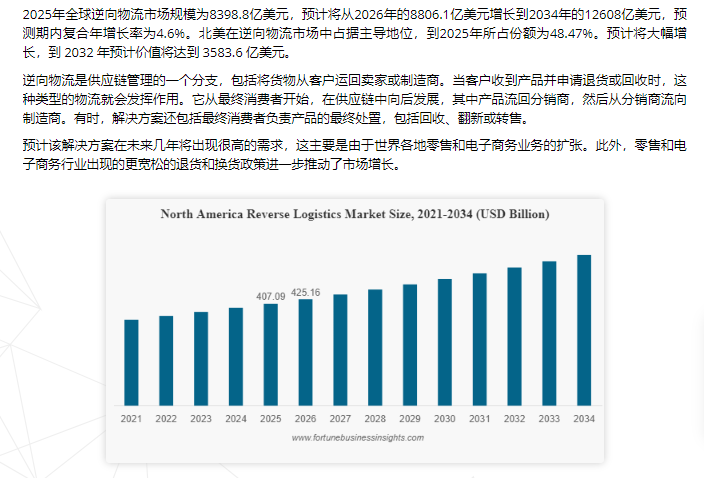
Primero mira un conjunto de datos y lo entenderás. Los datos muestran que,El mercado global de logística inversa en 2025 será de 8398.8 mil millones de dólares, se espera que crezca de 8806.1 mil millones en 2026 a 12608 mil millones en 2034, con una tasa de crecimiento anual compuesta del 4.6% durante el período de pronóstico.。Al mismo tiempo, la tasa de devolución del comercio electrónico transfronterizo alcanza hastadel 20% al 30%, muy por encima del 8% al 10% del comercio minorista físico. Es decir, por cada 10 productos vendidos, en promedio 2 o 3 serán devueltos.
La forma tradicional de manejo es enviar los productos devueltos de vuelta al país por la misma ruta, solo el costo logístico es aterrador, sin mencionar el complicado proceso de despacho de aduanas, inspección, y reabastecimiento. Muchos vendedores simplemente eligen"Reembolso directo, no quiero la mercancía", en apariencia ahorra el costo de envío, pero en realidad pierde el valor del producto sin beneficio.
Por lo tanto, aprender a usar almacenes en el extranjero para hacer logística inversa, esencialmente es aprender a convertir"costo de devolución" en "ingreso por segunda venta". A continuación, desgloso el método específico en tres pasos.
Fuente de la imagen:fortune business insights
Paso 1: Construir devoluciones con almacenes en el extranjero"Estación de recepción"
El primer paso de la logística inversa es que los productos devueltos tengan un"punto de aterrizaje". En el pasado, las devoluciones de muchos vendedores solo podían enviarse a almacenes nacionales, con un ciclo de hasta 30 a 45 días. Ahora, el almacén en el extranjero es tu "puesto avanzado de devoluciones" en el mercado extranjero.
A partir del 1 de abril de 2026, la Administración General de Aduanas promovió a nivel nacional el modelo de devolución entre distritos aduaneros para productos de comercio electrónico transfronterizo de venta minorista exportados. En pocas palabras, antes, sin importar desde dónde se exportaran tus productos, las devoluciones debían regresar desde ese mismo lugar, con una ruta logística larga y costosa. Ahora, puedes elegir flexiblemente cualquier puerto aduanero del país para gestionar la devolución, reduciendo considerablemente el costo de las devoluciones.
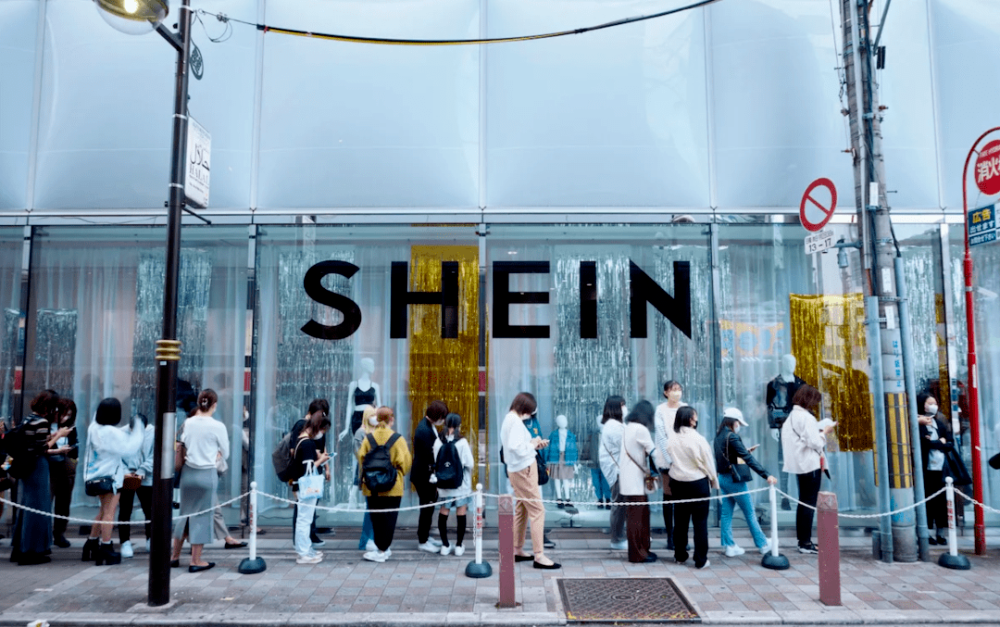
Por ejemplo, el gigante de la moda rápidaSHEIN lanzó en Brasil un servicio de logística inversa que cubre 4,000 puntos de servicio, los consumidores pueden llevar los productos devueltos a cafeterías, salones de belleza y otros puntos de colaboración cercanos, y escanear un código para completar la devolución. En comparación con la recogida a domicilio, este servicio ahorra un 20% de los costos.
Para ti, no necesariamente necesitas extender4000 puntos de venta, pero la idea se puede tomar como referencia: cooperar con almacenes en el extranjero con anticipación, establecer un centro de recepción de devoluciones local, para que los productos devueltos tengan un destino claro, en lugar de "devoluciones sin destino".
Fuente: Internet
Segundo paso: actualizar el almacén en el extranjero aTaller de renovación
Una vez que los artículos devueltos ingresan al almacén en el extranjero, las operaciones posteriores son el núcleo del valor de la logística inversa.——Inspección, clasificación, renovación, reventa.
Muchos vendedores procesan los devoluciones lentamente porque, al recibir la mercancía en el almacén, no saben cómo evaluarla. ¿Este producto aún se puede vender? ¿Necesita reparación? ¿Se puede volver a poner en stock si el empaque está dañado? Todo este análisis depende del trabajo manual, lo que resulta ineficiente y propenso a errores.
Lo ideal es establecer un proceso estandarizado de control de calidad dentro del almacén en el extranjero. Cuando la mercancía llegue al almacén, se debe clasificar inmediatamente por estado: los artículos en perfectas condiciones se colocan directamente en la zona de venta, los que tengan defectos leves pasan a la zona de renovación para cambiar etiquetas y empaques, y los gravemente dañados se concentran para su desecho o desmontaje y reciclaje.
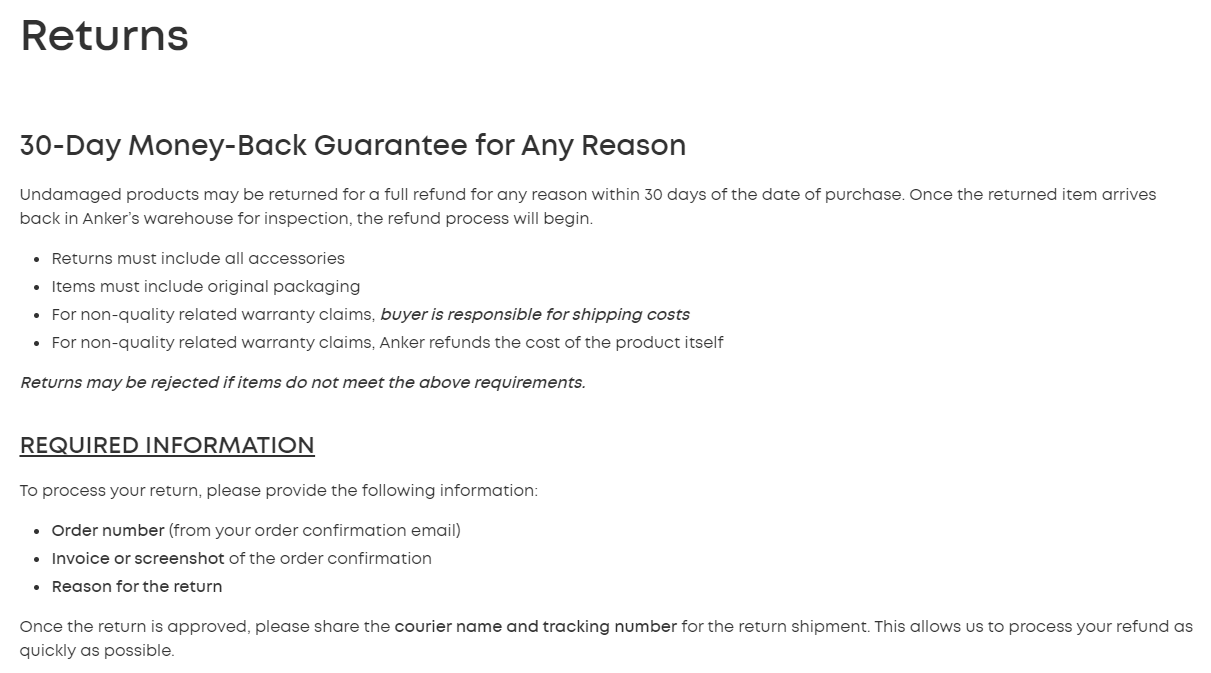
Anker Innovations (Anker lanza una política de devolución sin preocupaciones de 30 días en múltiples países locales. Los consumidores pueden solicitar con un solo clic a través de la aplicación y enviar los productos a los puntos de cooperación. Más importante aún, Anker ha construido un sistema digital de servicio postventa que cubre todo el mundo, capaz de rastrear todo el proceso de devolución desde la recepción hasta la inspección, reparación y reventa. Este sistema convierte la devolución de una "caja negra" en datos operativos visualizados.
Fuente de la imagen:Anker
Paso 3: UsarTikTok completa la "última milla" de la experiencia de devolución.
Dicho"Operaciones del 'back-end', hablemos del 'front-end'. La logística inversa no solo es cosa del almacén, sino que también afecta la impresión que los consumidores tienen de tu marca. Y TikTok, precisamente, es la mejor plataforma para conectarte con los consumidores y aliviar la ansiedad de las devoluciones."
TikTok Shop ha lanzado recientemente varias funciones nuevas de gestión de devoluciones, incluida la aprobación automática de solicitudes de servicio postventa, que cubren escenarios como devoluciones, reembolsos y cambios. Los vendedores también pueden establecer sus propios plazos de devolución (desde 14 hasta 90 días). Estas funciones reducen considerablemente el tiempo que los vendedores dedican a procesar manualmente las solicitudes de servicio postventa y también disminuyen los errores causados por descuidos humanos.
Pero la estrategia más inteligente no es manejar pasivamente las devoluciones, sino aprovechar activamente.El ecosistema de contenido de TikTok ayuda a reducir la tasa de devoluciones. Por ejemplo, puedes mostrar el tamaño real del producto y su uso a través de videos cortos, e incluso grabar un video de "unboxing + demostración del proceso de devolución" para decirle al comprador: "Si no es adecuado, así lo manejamos". Esta transparencia hará que los consumidores se sientan más seguros al realizar el pedido.
Fuente: Internet
La logística inversa no es un costo, sino un activo.
El cambio clave de pasar de reaccionar pasivamente ante las devoluciones a gestionar activamente la logística inversa radica en cómo ves el tema de las devoluciones.
En el pasado, la actitud de los vendedores de comercio electrónico transfronterizo hacia las devoluciones era a menudo"Evita si puedes, exime si puedes". Pero hoy, con la implementación completa de la política de devolución aduanera entre distritos, sumado a la popularización de herramientas digitales, ya tenemos las herramientas y condiciones para convertir las "devoluciones" de una carga en un activo.
La buena noticia es que, desdeDel 1 de enero de 2026 al 31 de diciembre de 2027, los productos de exportación de comercio electrónico transfronterizo que sean devueltos al país en su estado original dentro de los 6 meses por razones de poca demanda o devolución, podrán estar exentos de aranceles aduaneros de importación, IVA e impuestos al consumo en la importación. Esta exención fiscal, combinada con la política de devolución entre distritos aduaneros, constituye la ventana óptima para que los vendedores optimicen la logística inversa.
Por lo tanto, no permitas que las devoluciones sigan devorando tus ganancias. Construye tu red de devoluciones en almacenes en el extranjero, optimiza tus procesos de inspección de calidad y reacondicionamiento, y utiliza TikTok para contar bien tu historia de servicio postventa.Si logras que la logística inversa funcione bien, tendrás una ventaja competitiva que tus competidores no pueden ver.