 1326
1326
Muchos comerciantes que realizan negocios transfronterizos en el extranjero siempre piensan en ser completos y cubrir todas las bases, distribuyendo productos en una amplia red, ya sea en los mercados tradicionales de Europa y Estados Unidos, o en los mercados emergentes como el Sudeste Asiático y Medio Oriente, todos se apresuran a ingresar en masa.
Pero al final, todas las regiones funcionan de manera tibia, sin mejoría alguna.
Esto es precisamente cometer el gran tabú de salir al extranjero. Sin haber investigado a fondo el mercado ni conocer las condiciones reales, se ingresa ciegamente basándose en suposiciones subjetivas. Al final, no solo no se gana dinero,sino que también es fácil acumular mercancía que no se vende, y todo el dinero se pierde.
Por lo tanto, salir al extranjero no puede ser como una mosca sin cabeza. Si quieres ganar dinero de manera estable, el primer paso es comprender el problema central:¿Tu producto tiene demanda real en la región objetivo? ¿Cuánto espacio de mercado hay?
Tomando como ejemplo el sector de los vehículos eléctricos, antes de ingresar, es necesario consultar datos autorizados de la industria para identificar un océano azul con verdadero potencial de crecimiento.
Fuente de la imagen:Google
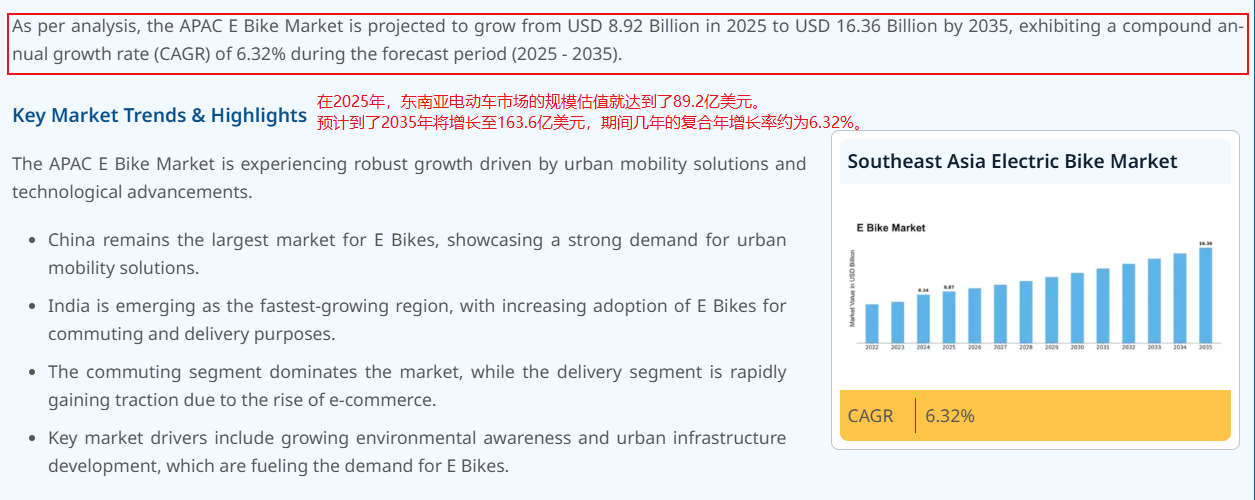
Según el informe de la industria publicado por MarketResearchFuture, el mundo está experimentando una ola de electrificación, y el Sudeste Asiático se ha convertido en el núcleo de crecimiento del mercado de vehículos eléctricos:
En2025, el tamaño del mercado de vehículos eléctricos en el Sudeste Asiático alcanzó los 89.2 mil millones de dólares, y se espera que para 2035 crezca hasta los 163.6 mil millones de dólares, con unatasa de crecimiento anual compuestade aproximadamente6.32%。
Fuente de la imagen:MarketResearchFuture
La repentina explosión de la demanda de vehículos eléctricos en el Sudeste Asiático se debe principalmente a los siguientes puntos:
Primero, países como Vietnam, Indonesia y Tailandia han implementado políticas de prohibición de motocicletas, convirtiendo a los vehículos eléctricos en la única opción legal para el transporte de corta distancia, lo que ha desatado una demanda de reemplazo. Además, el margen de beneficio por unidad alcanza2 veces;
Segundo, la población de la región sigue creciendo; solo la población de Indonesia ya ha alcanzado283 millones, el suministro de combustible es ajustado y los precios del petróleo siguen aumentando, lo que impulsa aún más la demanda del mercado de vehículos eléctricos;
Tercero, las políticas ambientales de varios países se implementan continuamente, sumado a la cultura del ciclismo que está de moda en el mercado, los modelos de vehículos eléctricos de larga autonomía y carga rápida son muy apreciados por los consumidores, y el entusiasmo del consumo se mantiene alto.
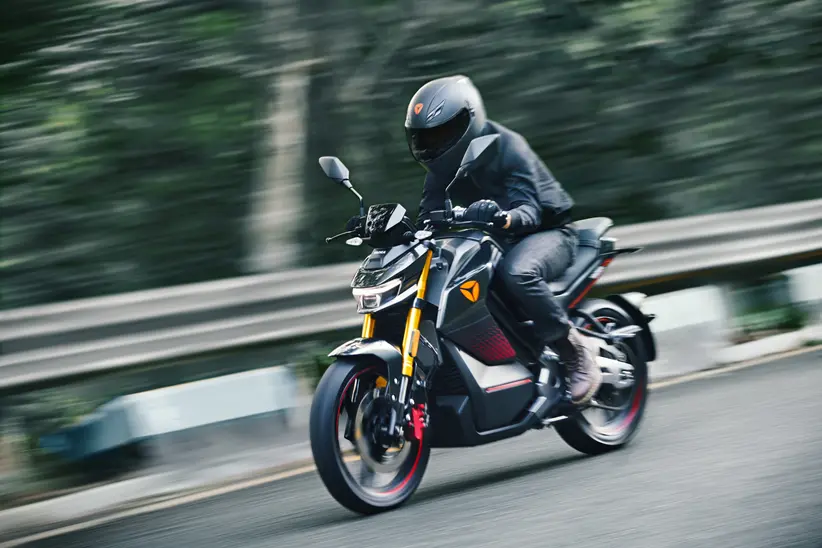
Fuente de la imagen:Google
Con tantos factores favorables reunidos, los vehículos eléctricos se han convertido en la nueva opción principal en el mercado de transporte de dos ruedas del Sudeste Asiático. El amplio前景 del mercado también ha atraído a un gran número de marcas a competir por posicionarse en el Sudeste Asiático.
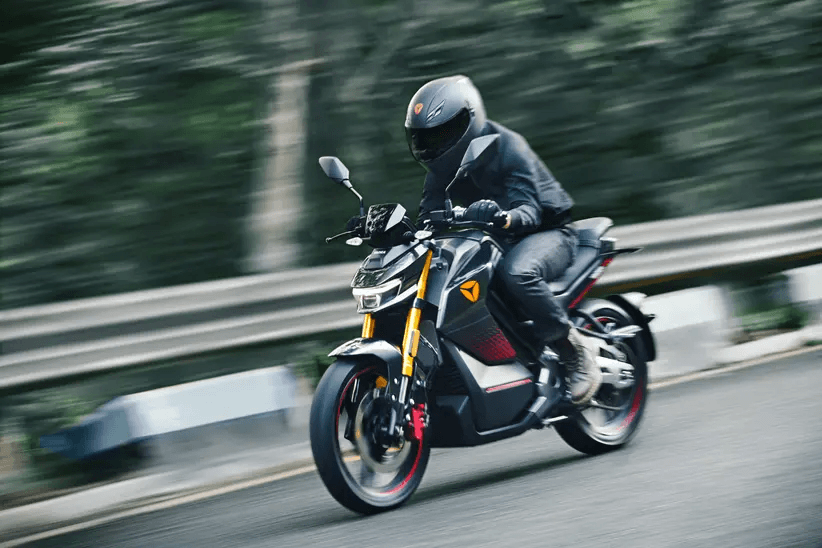
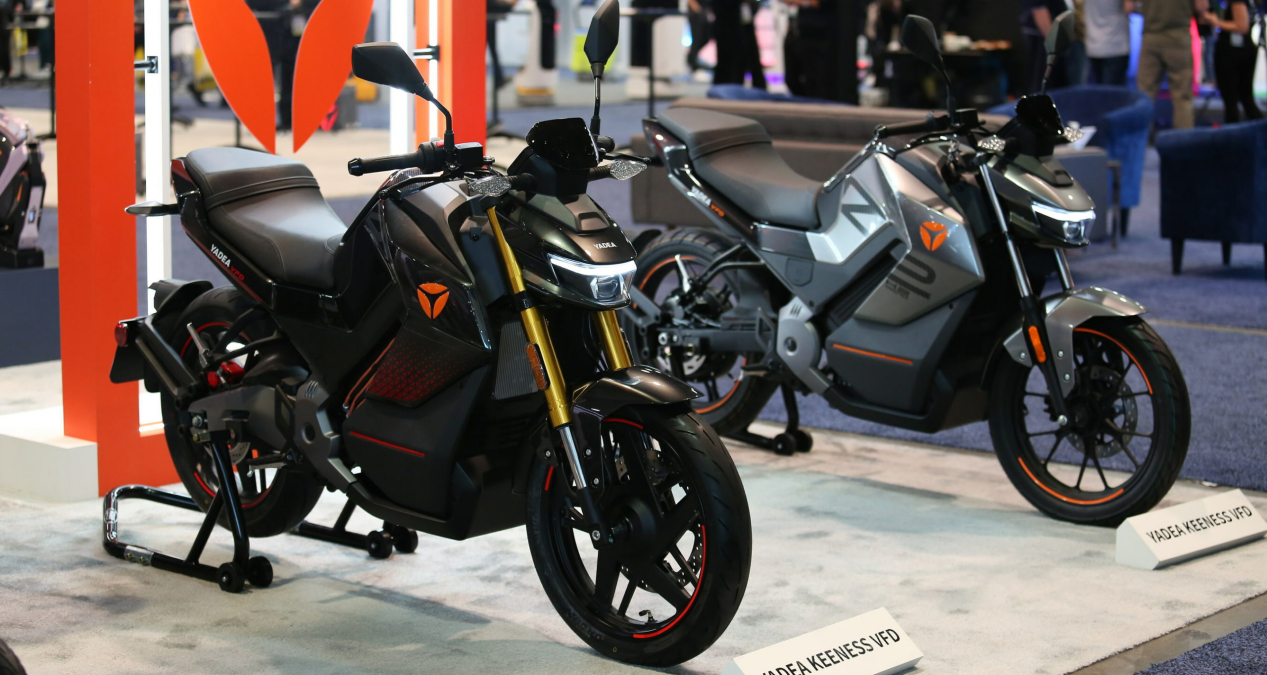
Hoy vamos a presentarYadea (Yadea), es un caso típico de ello.
Como líder mundial de la industria de vehículos eléctricos de dos ruedas, Yadea, gracias a su acumulación técnica de muchos años y a su estrategia operativa que comprende los hábitos de consumo locales, rápidamente se afianzó en el mercado del sudeste asiático y se hizo un nombre considerable.
El año pasado, las ventas totales globales de Yadea alcanzaron16.2692 millones de unidades, con ingresos de 37.008 mil millones de yuanes, y el beneficio neto superó los 2.912 mil millones de yuanes, con una tasa de crecimiento del beneficio de hasta el 128.83%. Un ritmo de crecimiento así es poco común en todas las industrias.
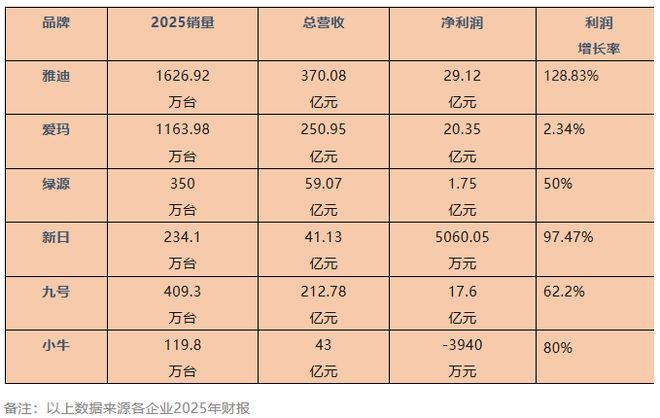
Fuente de la imagen: Internet
A continuación, echemos un vistazo juntos: ¿con qué tipo de estrategia la marca local china Yadea logró conquistar a los consumidores del sudeste asiático y convertirse en la favorita de los lugareños?
De una pequeña fábrica de motocicletas a un profundo enfoque en el sector de vehículos eléctricos
Según datos públicos, Yadea (Yadea) fue originalmente una fábrica de motocicletas pequeña en Wuxifábrica de motocicletas pequeña。
El fundador, el Sr. Dong, es de Anhui,nacido en los años 70, después de retirarse del servicio militar en 1992se estableció en Wuxi,Primero trabajó en una fábrica de motocicletas como conductor y vendedor, comprendiendo a fondo toda la cadena ascendente y descendente de la industria.Luego, en1997, junto con su esposa, la Sra. Qian, fundó el negocio,ingresando formalmente en el campo de la fabricación de motocicletas.
En 2001, Yadea Technology fue registrada oficialmente, dedicándose principalmente ala investigación, desarrollo y producción de vehículos eléctricos de dos ruedas.
El punto de inflexión clave del desarrollo llegó en2004-2005, cuando la compañía decidió detener completamente la producción de motocicletasnegocio, centrándose en vehículos eléctricossector,Desde entonces, se embarcóenel camino de desarrollo de la fabricación profesional de vehículos eléctricos.
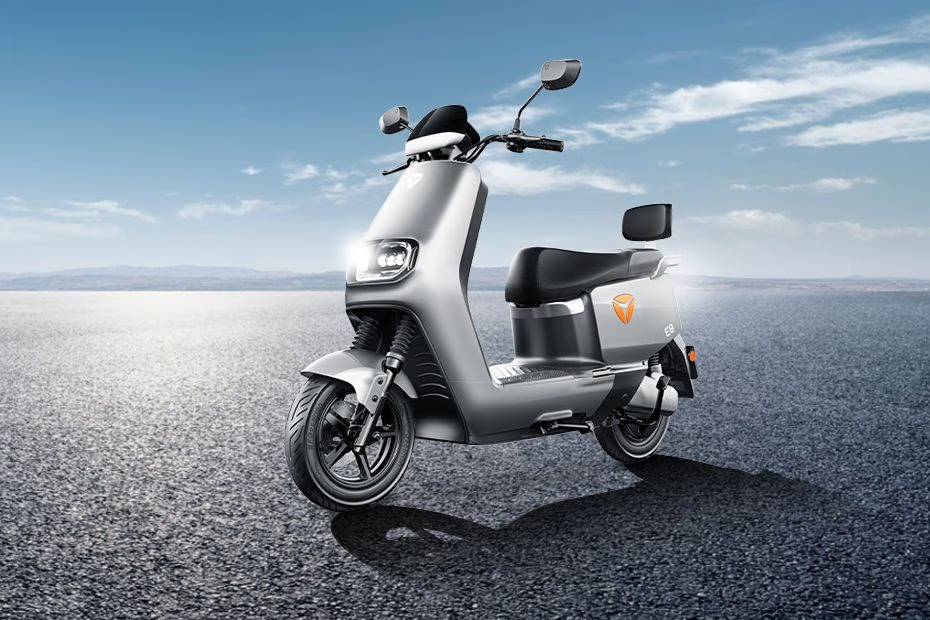
Fuente de la imagen:Google
En las primeras etapas del desarrollo de la marca, Yadea mantuvo firmemente el estándar de calidad y se negó rotundamente a seguir la ruta de la competencia interna de bajo precio y mala calidad.
En 2014,la empresalanzóya“vehículos eléctricos de gama más alta” deposicionamiento de marca, saliendo de la guerra de precios bajos de la industria con un posicionamiento diferenciado.
Además, invirtió mucho dinero en I+D, acumulando más de4.8 mil millones, y con tecnologías centrales como las baterías de grafeno y la larga autonomía, amplió la brecha con sus competidores y construyó barreras técnicas sólidas.
Al mismo tiempo,,adaptándose a los usuarios actualesdenecesidades, actualizándose continuamente hacia la inteligencia,funciones como conectividad APP, localización GPS, batería inteligente, asistencia de conducción autónoma, etc., se han convertido ahora en equipamiento estándar de los modelos de la compañíadeequipamiento estándar.

Fuente de la imagen:Google
Cobertura completa en línea, y offlinecon arraigo profundoRaíz
Para profundizar en el mercado del sudeste asiático, lograr realmente la llegada de productos y la penetración total, Yadee hizoarreglos integrales。
Primero,No solo vender los vehículos fabricados en el país, sino que toda la producción e investigación se realizan localmente,Sucesivamente, estableció bases de producción e investigación en países como Vietnam, Indonesia y Tailandia, toda la cadena de suministro se ha montado y la localización avanza muy rápido.
Los canales de venta también se han desplegado completamente, en línea se ha construido su propiositio web independiente,mostrando completamente toda la gama de productos, admitiendo pedidos globales、localentrega;Al mismo tiempo, optimizóSEOel ranking de búsqueda,permitiendo que los usuarios interesados lleguen con precisión, convirtiendo el sitio web independiente en el núcleo para la acumulación de tráfico privado.
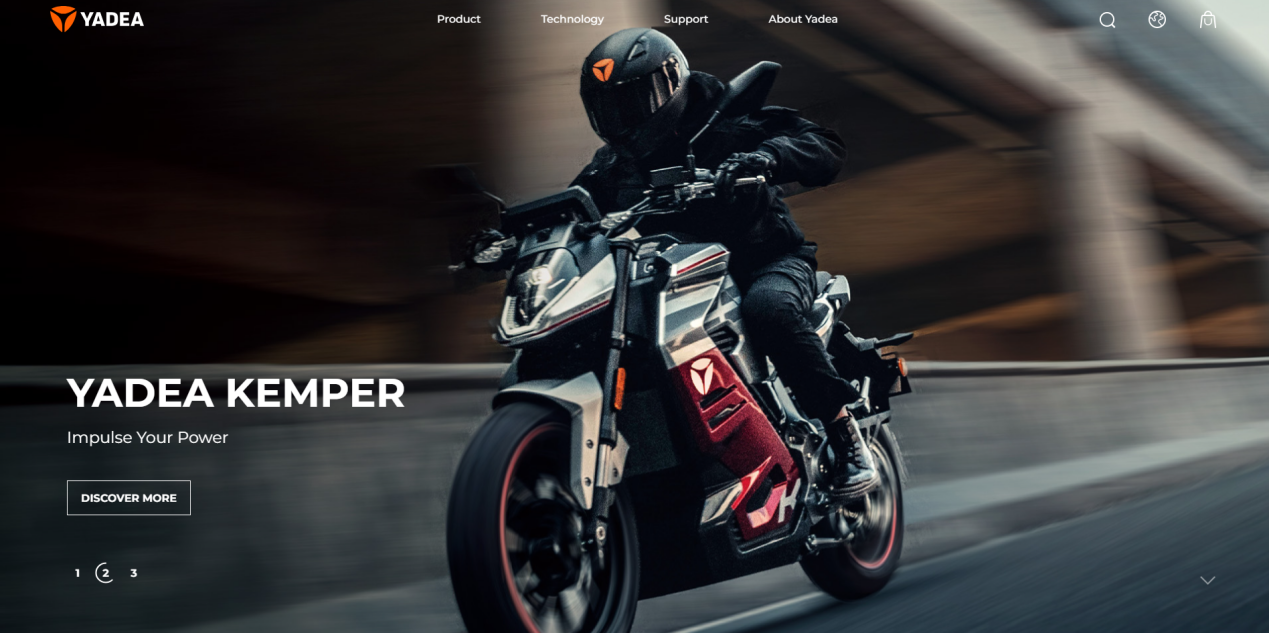
Fuente de la imagen:Yadea
Yadeetambiénabrió en Amazonyatienda insignia de la marca, y al mismo tiempoenVietnamdespliegueShopee、Lazada,enIndonesiadiseñoTokopedia,enTailandiadiseñoJD Central y otros localesdePlataformas principales de comercio electrónico, logrando una cobertura completa del comercio electrónico en línea en el Sudeste Asiático.
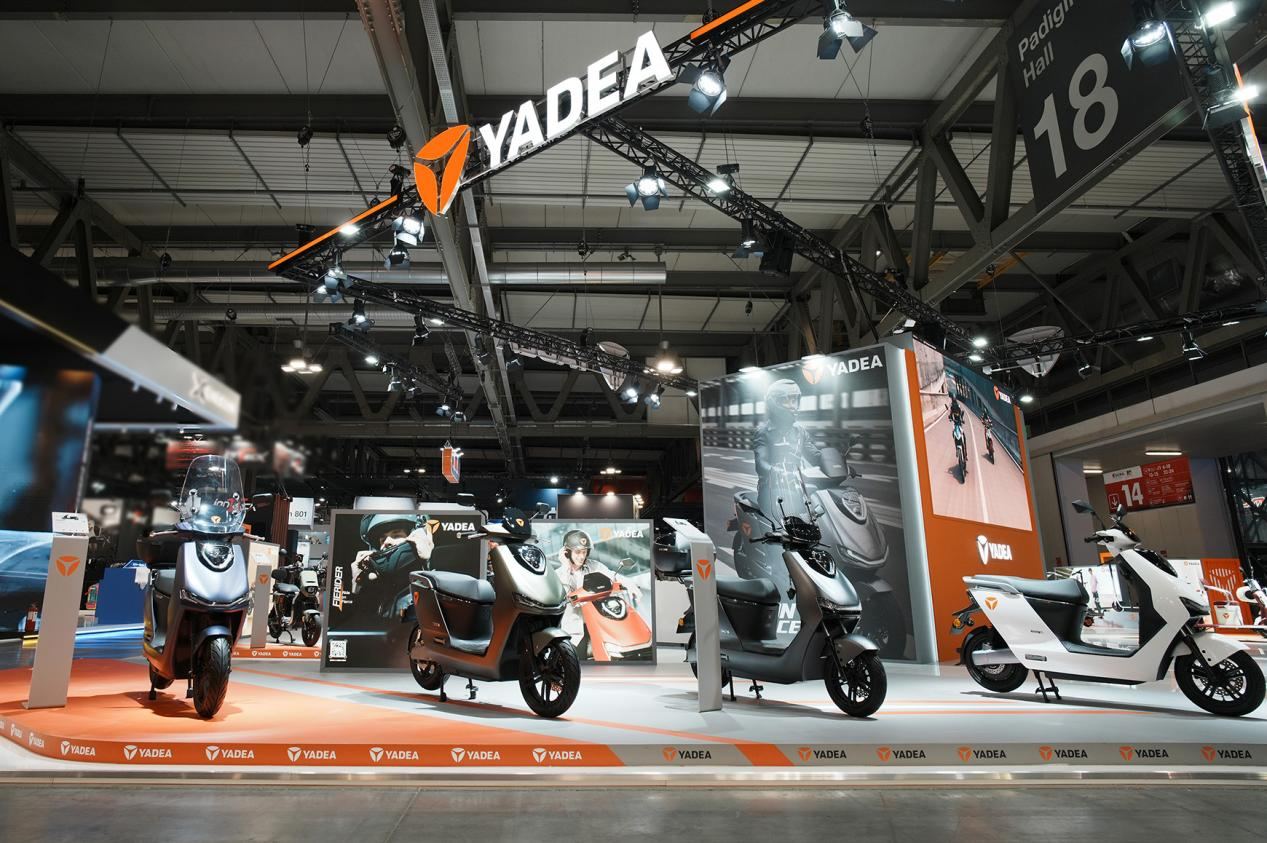
En el aspecto offline,La marca ya estáA nivel mundial, se han abierto más de1000 tiendas, con puntos de venta y tiendas autorizadas en mercados clave como Vietnam, Tailandia e Indonesia.。Combinando un equipo de servicio postventa localizado y servicios de asistencia en carretera, se resuelven de manera efectiva las dificultades de los usuarios extranjeros para reparar sus vehículos y obtener servicio postventa.Pregunta。
Fuente de la imagen:Google
Los datos públicos muestran,En 2024, las ventas acumuladas globales de Yadea ya superaron los 100 millones de unidades. Hasta ahora, Yadea haconvertirse en continuo9añorevalidarel gigante de vehículos eléctricos de dos ruedas número uno en ventas mundiales, es un referente indiscutible de la categoría.
usar bienTikTok: un mercado, una estrategia
Por supuesto, una marca extranjera que quiera afianzarse en el altamente competitivo mercado del sudeste asiático no puede confiar solo en la tecnología de productos, los canales de venta y las ventajas de la cadena de suministro.
puedeno puedeusar a los jóvenes localesque les gustamaneraexplicar claramente la marca,esYadeaenSudeste Asiáticohacerlo、la clave para superar a los competidores。
TikTok comoenSudeste Asiáticola red social principal más popular entre los jóvenesplataforma, naturalmente tambiénentoncesse convirtió en Yadeaconstruir marca、promocionar productos, atraer usuariosterritorio clave.
parayarealmente integrado en el mercado local, Yadeahacer operaciones completamente según las costumbres locales, implementar una cuenta oficial por país,publicar exclusivamente contenido que a los locales les gusta ver.
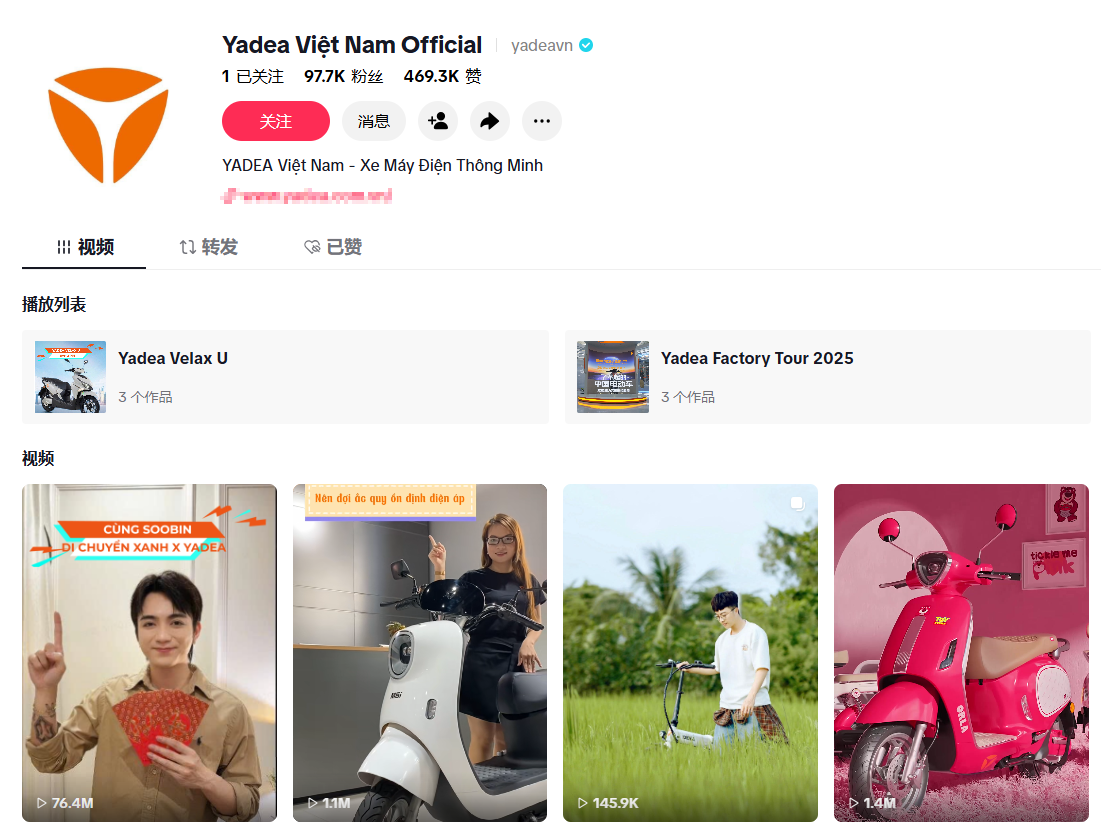
1. Cuenta de Vietnam: @Yadea Việt Nam Official
Número de seguidores:97.7k | Me gusta: 469.3k
Fuente de la imagen:TikTok
En el mercado vietnamita, Yadea se centra en la creación de contenido localizado, principalmente con demostraciones de funciones del producto, experiencias de conducción reales, y desglosa por secciones la configuración tecnológica de las motos eléctricas, ventajas de ahorro de energía y diversos escenarios de movilidad.
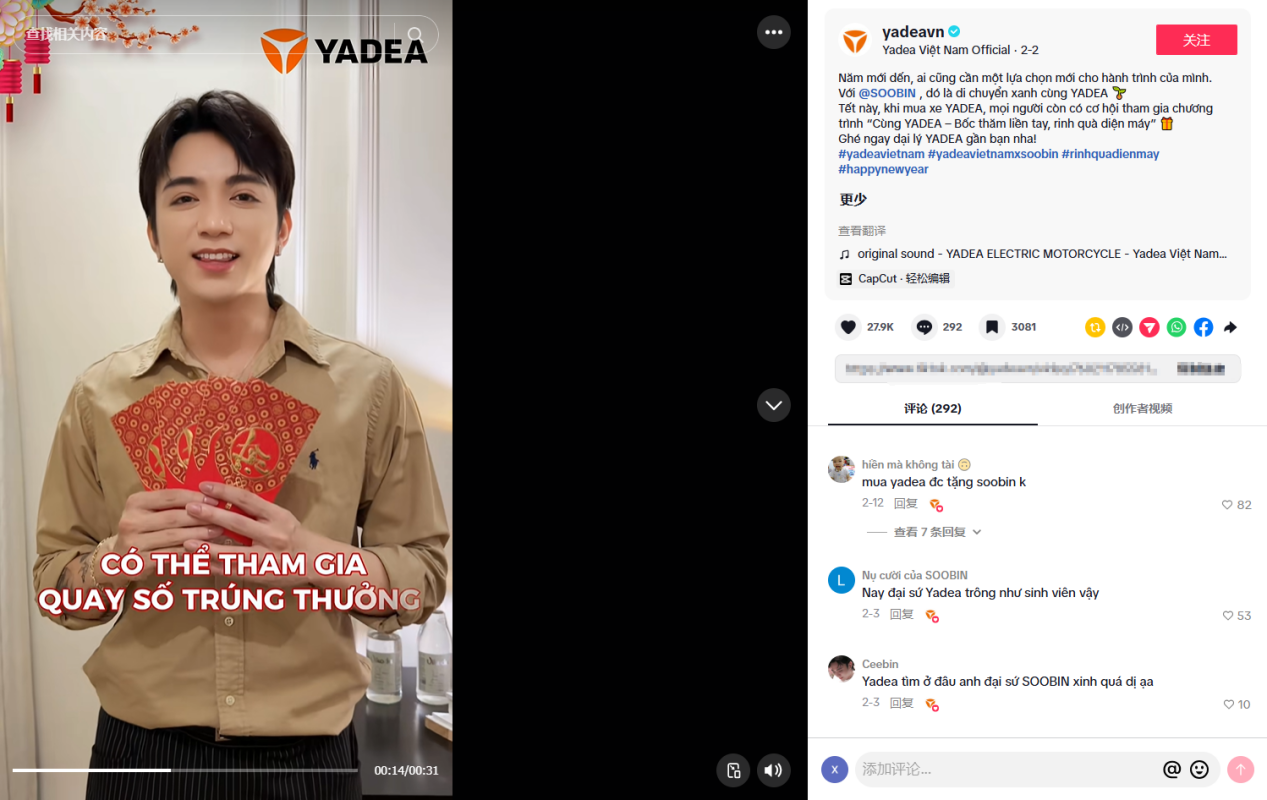
Al mismo tiempo, también firmó con una estrella popular vietnamitaSOOBIN como embajador de la marca, quien filmó varios videos promocionales cortos para la marca.
Uno de los videos promocionales con temática de Año Nuevo también lanzó una actividad de sorteo de compra de autos con regalos. Hasta ahora, el número de reproducciones de este video ha alcanzado la asombrosa cifra de76.4 millones, lo que no solo impulsó la interacción de los usuarios, sino que también aumentó las ventas del producto.
Fuente de la imagen:TikTok
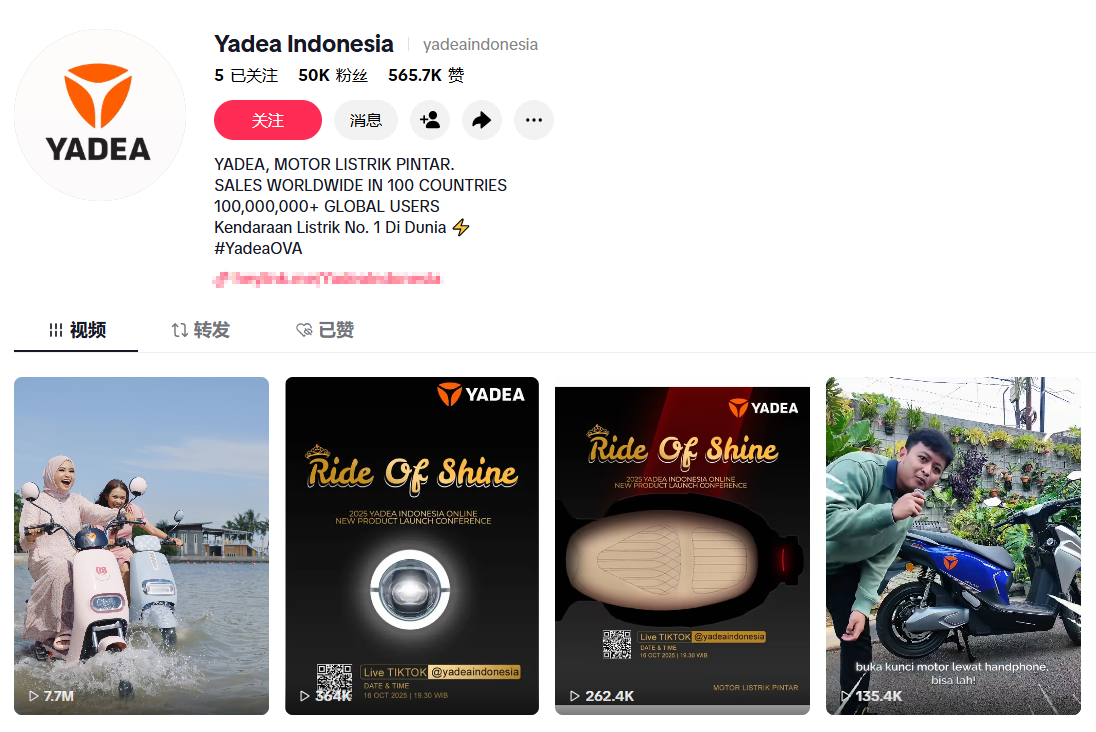
2. Cuenta de Indonesia: @Yadea Indonesia
Número de seguidores:50k | Me gusta: 565.7k
Fuente de la imagen:TikTok
del mercado indonesioel contenido de TikTok se inclina más hacia lo juvenil y entretenido, centrándose en lo divertidodecotidianovideos, captar firmemente la atención de la generación joven.
Como amigas íntimas montando un scooter eléctrico juntas.,en aguacentrojugarvideos cortos de la vida cotidiana, entonces se obtuvieronexcelentedatosActualmente,reproduccionespara7,7 millones,Cantidad de likes99.300
Escenas cotidianas ligeras y alegres permiten que los usuarios, mientras disfrutan de una experiencia inmersiva, perciban de manera gradual la potente resistencia al agua del modelo. Indonesia tiene un clima predominantemente de selva tropical, con altas temperaturas y lluvias abundantes durante todo el año; la resistencia al agua es precisamente una necesidad central para los usuarios locales. Esto también refuerza el reconocimiento de los consumidores hacia la calidad del producto, promoviendo efectivamente la conversión de intención de compra.

Fuente de la imagen:TikTok
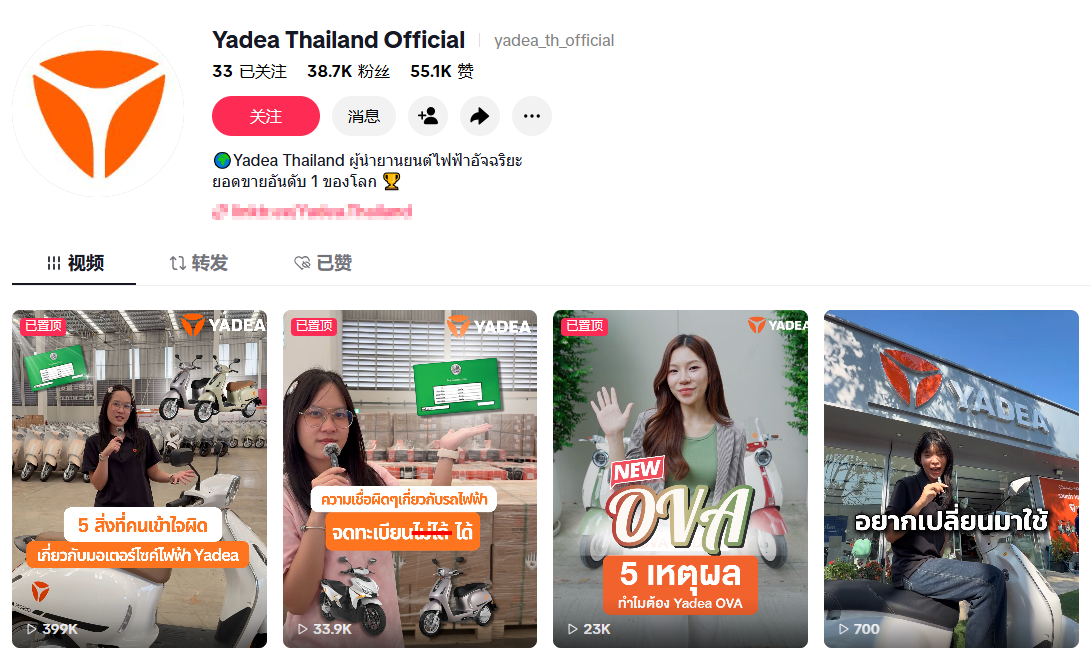
3. Cuenta de Tailandia: @Yadea Thailand Official
Seguidores:38.7 mil | Número de me gusta: 55.1 mil
Las cuentas tailandesas, por otro lado, toman un camino diferente, centrándose en preguntas y respuestas divertidas y entrevistas.
A través de experiencias compartidas de usuarios reales y respuestas profesionales a dudas, disipar las preocupaciones de los posibles compradores sobre la compra de vehículos, de forma cercana y accesible, permitir que el público perciba de manera intuitiva la conveniencia que los vehículos eléctricos aportan a los desplazamientos diarios, mejorando aún más la afinidad hacia la marca.
Fuente de la imagen:TikTok
Esta localización de Yadea, adaptada a las condiciones locales y con una estrategia por país.La estrategia de operación de TikTok no solo ayuda a las marcas a ingresar rápidamente en los mercados del sudeste asiático, sino que también genera suficiente reconocimiento y simpatía entre los jóvenes.Luego, vender bien fue algo natural.
Conclusión
Después de todo, el caso de Yadea es solo uno de los muchos que han hecho un excelente trabajo entre las marcas que se han expandido al extranjero.
Los mercados extranjeros de hoy, especialmente las regiones emergentes como el Sudeste Asiático, América Latina y Medio Oriente, están abriendo sus puertas a las empresas chinas. Tanto el entorno político como la demanda de consumo se encuentran en un raro ciclo ascendente.
Salir al extranjero ya no es algo que solo los gigantes puedan hacer; mientras tu producto tenga características y tu enfoque operativo sea lo suficientemente flexible, ahora no es tarde en absoluto para entrar.