 1988
1988La relación entre TikTok y Estados Unidos se puede describir en dos palabras: "compleja".
Desde que TikTok se lanzó en Estados Unidos, las críticas no han cesado, y el gobierno y los políticos estadounidenses la han atacado con frecuencia.
La "prohibición" se ha vuelto algo común para TikTok.
Hace poco, el estado de Montana en EE. UU. anunció una prohibición total de TikTok, planeando prohibir su uso en todo el estado a partir del 1 de enero de 2024. Esta prohibición convierte a Montana en el primer estado de EE. UU. en prohibir completamente TikTok.
Sin embargo, según informes de Reuters y NPR, el 30 de noviembre, el juez de distrito de Montana,Donald Molloy, emitió una orden judicial preliminar que bloquea la entrada en vigor de la prohibición estatal de TikTok, la plataforma de videos cortos.
Señaló que la prohibición de TikTok en Montana "excede el poder estatal y viola los derechos constitucionales de los usuarios."
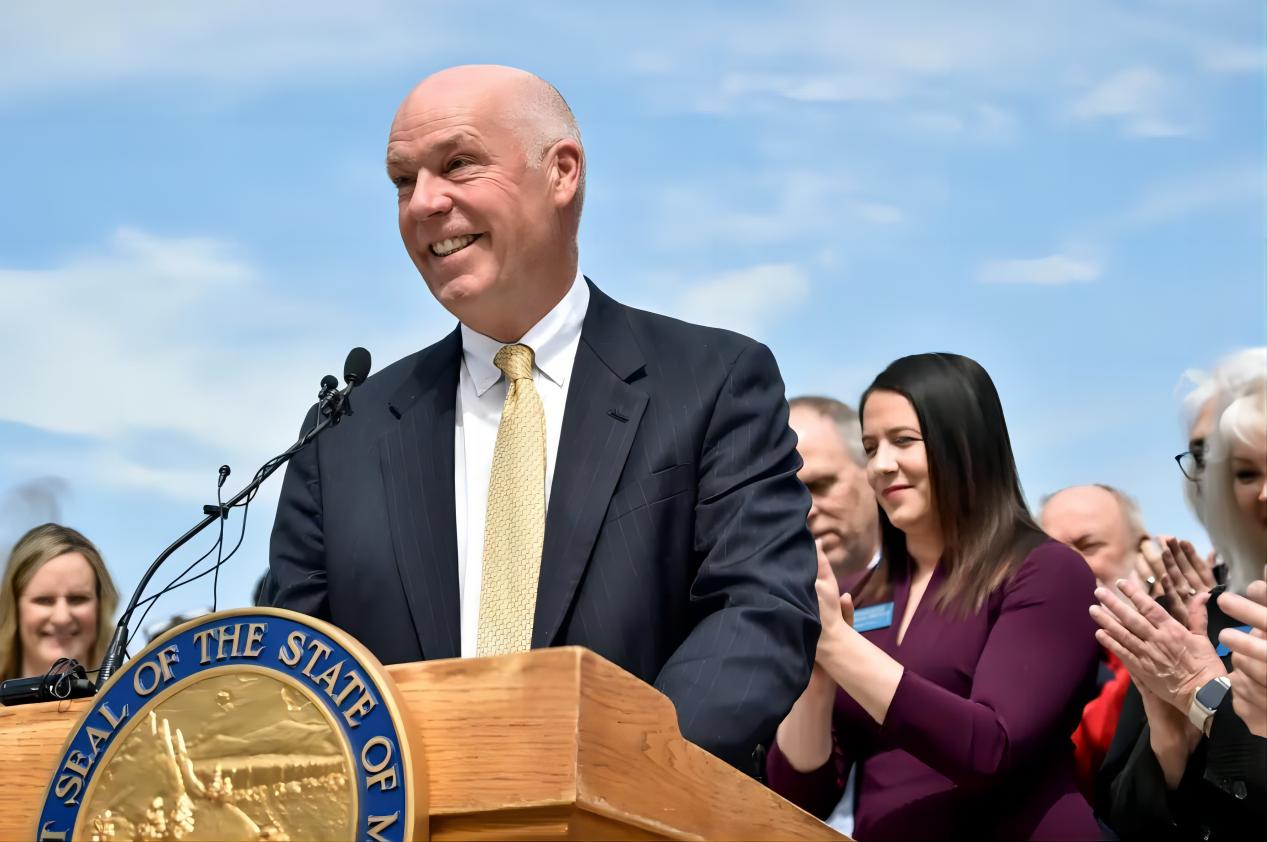
El gobernador de Montana, Greg Gianforte, firmó el proyecto de ley que prohíbe TikTok en el estado, convirtiéndolo en ley. Associated Press
¿Por qué TikTok es prohibido con tanta frecuencia?
En realidad, se puede resumir en una frase: ¡TikTok amenaza los intereses de Estados Unidos!
El desarrollo de TikTok en Estados Unidos ha sido como "ir a toda máquina".
Poco después de su lanzamiento, TikTok se llevó el primer lugar en descargas de octubre en EE. UU. (octubre de 2018). Ese mes, superó directamente a Facebook, Instagram, Snapchat y YouTube, dejando a estas conocidas redes sociales como un simple telón de fondo.
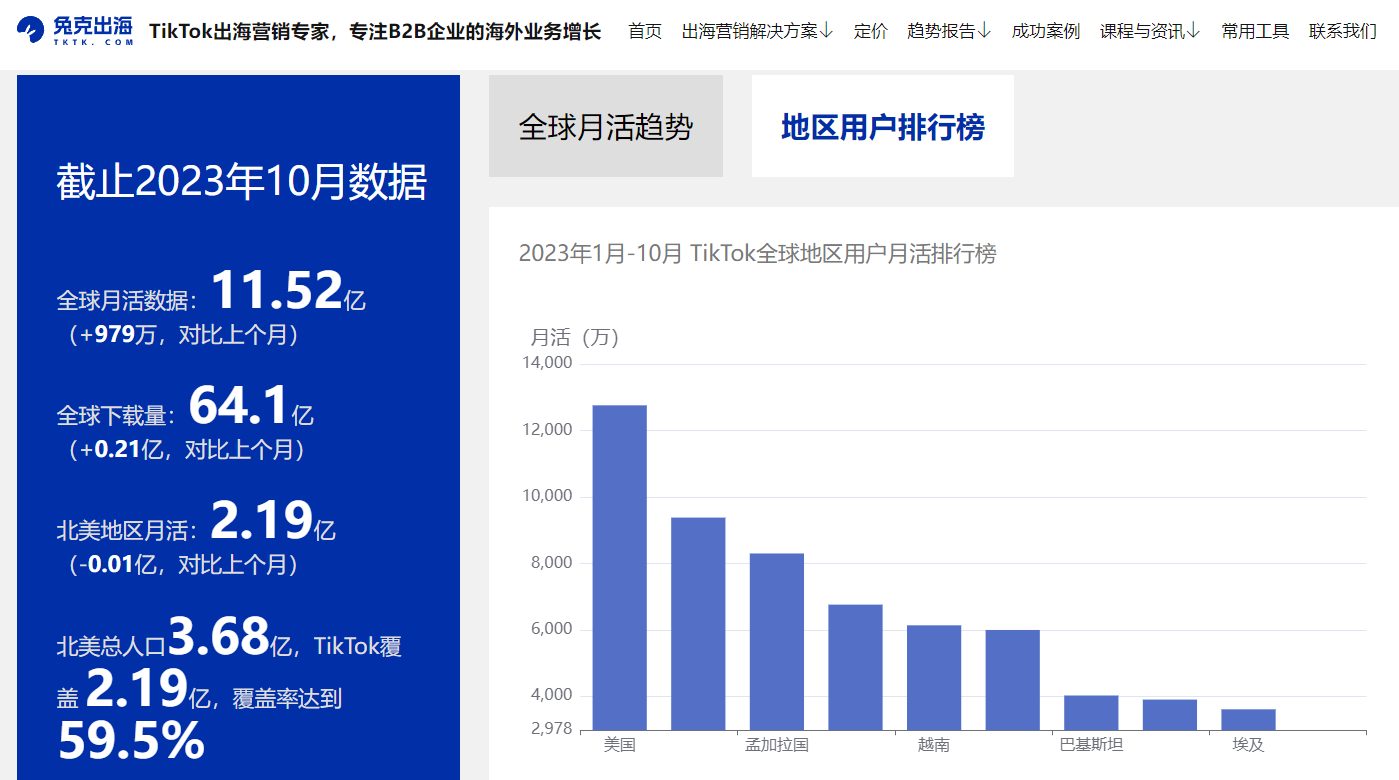
Actualmente, TikTok tiene casi 130 millones de usuarios activos mensuales en EE. UU., mientras que la población total de EE. UU. es de aproximadamente 330 millones. ¡Esto significa que de cada 5 estadounidenses, 2 han usado TikTok este mes!
Al respecto, lo que preocupa a Estados Unidos es que TikTok ha atraído a una gran cantidad de usuarios jóvenes de otras plataformas. Y los usuarios jóvenes son precisamente la fuerza principal del consumo.
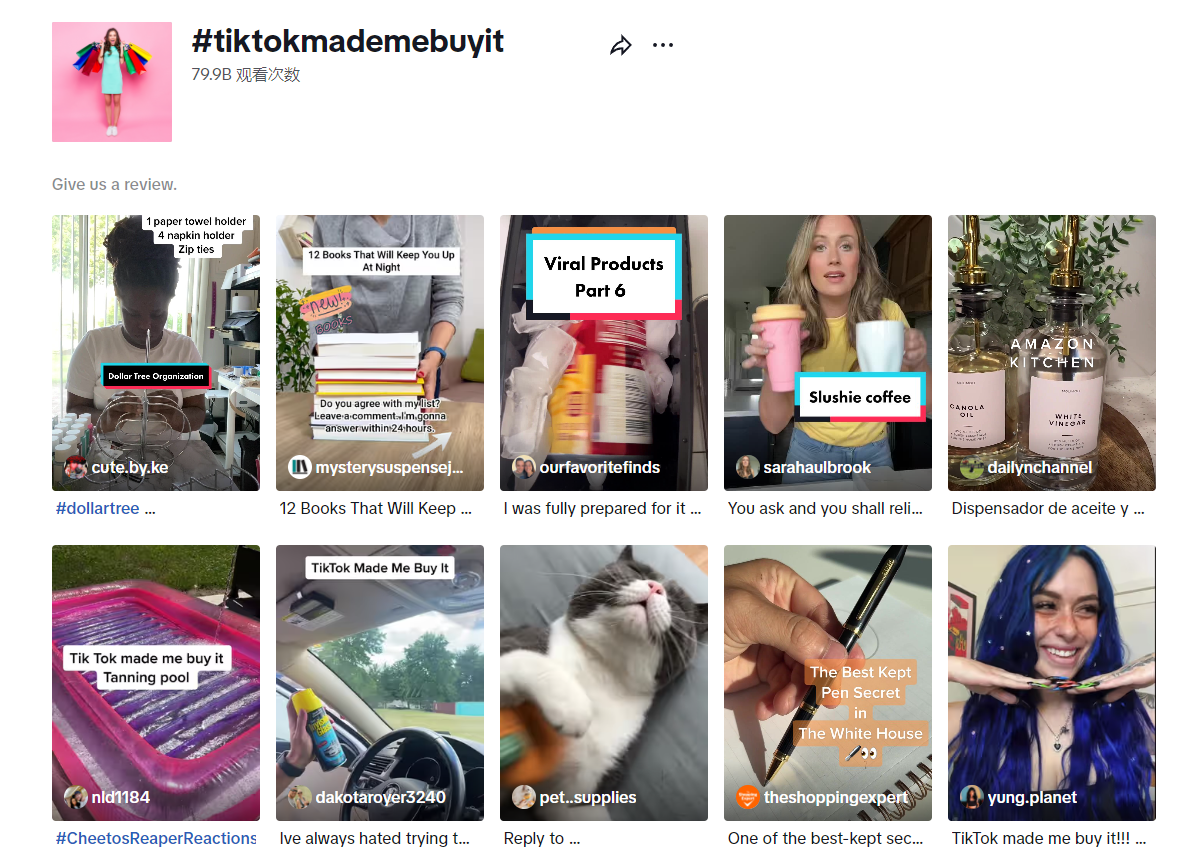
Una encuesta muestra que casi la mitad de los encuestados estadounidenses de entre 18 y 29 años planea comprar regalos navideños en redes sociales como TikTok. Hasta noviembre, la etiqueta viral #TikTokmademebuyit (TikTok me hizo comprarlo) ya había superado los 79.9 mil millones de visitas.
Al mismo tiempo, los datos de ventas totales de TikTok en EE. UU. en octubre también se publicaron recientemente. TikTok no defraudó su naturaleza de comercio electrónico, ¡logrando 200 millones de dólares! En comparación con los 140 millones de dólares en ventas de septiembre, ¡un aumento del 43%!
Viendo esto, no es difícil entender por qué Estados Unidos siempre ha estado tan empeñado en prohibir completamente TikTok.
Prohibiciones de TikTok en EE. UU. en orden cronológico
¿Qué tan "mal visto" está TikTok en Estados Unidos? Un resumen de noticias nos ayudará a entenderlo.
El 20 de julio de 2020, la Cámara de Representantes de EE. UU. aprobó un proyecto de ley con 336 votos a favor y 71 en contra, prohibiendo a los empleados federales descargar TikTok en dispositivos gubernamentales.
El 7 de agosto de 2020, el presidente Donald Trump emitió una orden ejecutiva que prohibía, después de 45 días, cualquier transacción comercial entre residentes estadounidenses y TikTok (versión internacional de Douyin) y su empresa matriz.
El 18 de septiembre de 2020, el Departamento de Comercio de EE. UU. planeó emitir una orden que prohibiría a los estadounidenses descargar la aplicación china de videos cortos TikTok a partir del 20 de septiembre.
En diciembre de 2022, siete estados de EE. UU. anunciaron sucesivamente la prohibición de TikTok en dispositivos gubernamentales.
El 15 de diciembre de 2022, el Senado de EE. UU. votó para aprobar un proyecto de ley que prohíbe a los empleados del gobierno federal usar TikTok en dispositivos proporcionados por el gobierno.
El 28 de febrero de 2023, el Comité de Asuntos Exteriores de la Cámara de Representantes de EE. UU. votó sobre un proyecto de ley que otorgaría al presidente Joe Biden el poder de prohibir TikTok en todos los dispositivos estadounidenses.
El 17 de mayo de 2023, Montana firmó un proyecto de ley que prohíbe la operación de TikTok, la plataforma de videos cortos, en el estado.
El 16 de agosto de 2023, la ciudad de Nueva York prohibió el uso de TikTok en dispositivos gubernamentales, citando supuestas "preocupaciones de seguridad".
Entonces, alguien podría preguntarse:Si la postura de Estados Unidos contra TikTok es tan firme, ¿por qué TikTok sigue siendo tan popular en EE. UU. y se ha convertido en una aplicación de éxito?
Quizás la respuesta está en la fuerte demanda del público.
No discutiremos aquí los temas sensibles relacionados con la política nacional; solo hablaremos del público objetivo de TikTok.
Los usuarios de TikTok son principalmente jóvenes, una fuerza que no se puede ignorar. Si se toman medidas coercitivas para prohibir TikTok, seguramente provocará una fuerte oposición y protestas de los jóvenes estadounidenses que ya están acostumbrados a usar TikTok para socializar.
Además, muchos de los comerciantes que se han unido a TikTok Shop en EE. UU. son locales. Si se prohíbe, esto afectaría enormemente a estos comerciantes locales, lo que llevaría a una nueva ola de protestas.
Por otro lado, hay estados y funcionarios estadounidenses que apoyan la prohibición de TikTok, y otros que no. Por lo tanto, ya sea en Estados Unidos o en otros países, prohibir completamente TikTok de manera total y permanente es muy difícil de lograr.
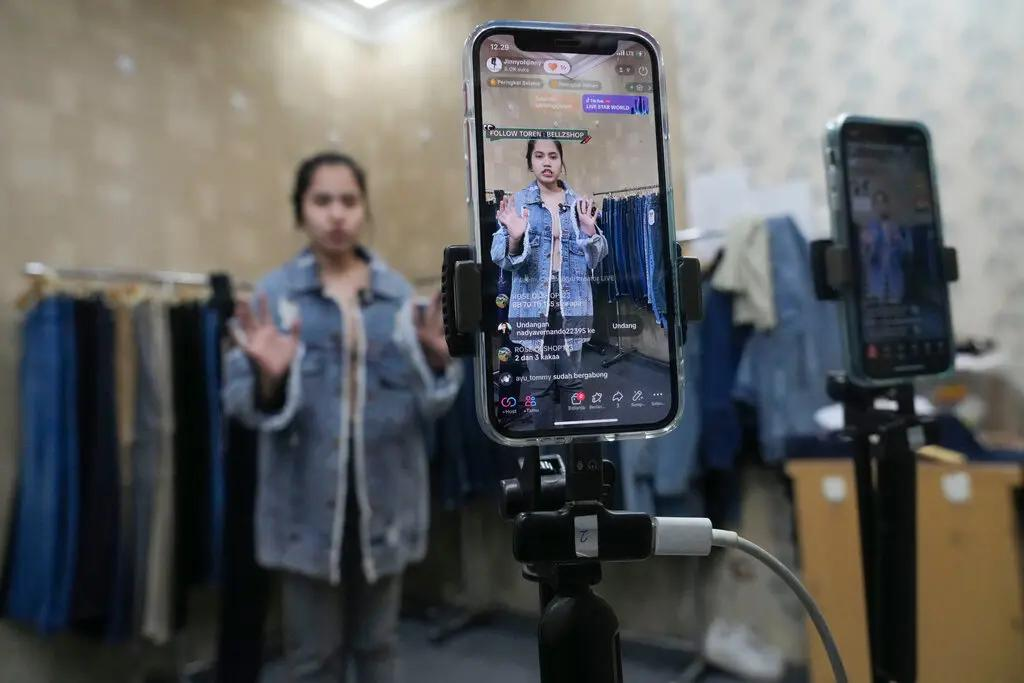
Fuente: Associated Press
Tomemos como ejemplo Indonesia. Hace un tiempo, Indonesia anunció la prohibición de TikTok Shop, pero luego optó por levantarla, lo que significa que TikTok puede continuar con sus operaciones de comercio electrónico en Indonesia con normalidad.
De hecho, ya el 3 de julio de 2018, TikTok fue prohibido en Indonesia.
Por lo tanto, considerando los eventos pasados, TikTok seguirá enfrentando varias prohibiciones de diferentes países en el futuro, pero es probable que sean a corto plazo. Una prohibición total a largo plazo o permanente es poco probable.