 1835
1835
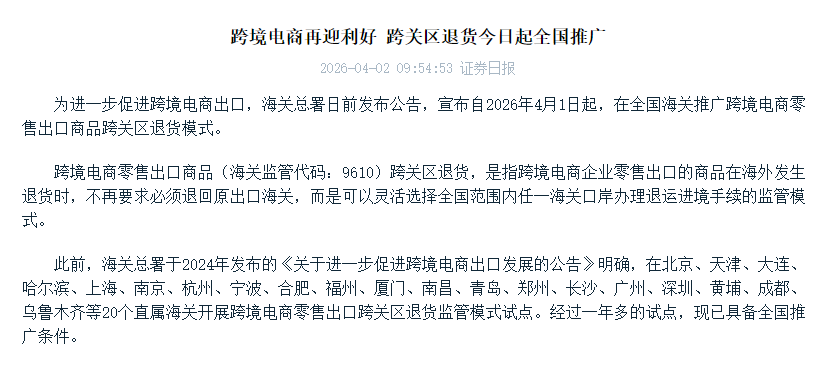
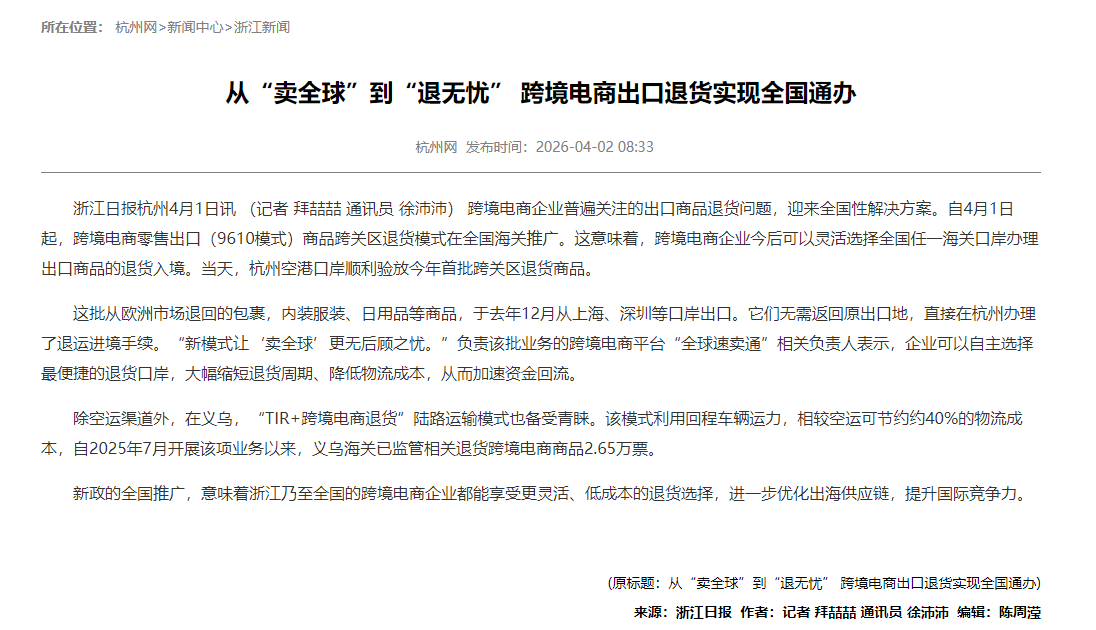
DariMulai 1 April, industri perdagangan lintas batas eceran mengalami perubahan bersejarah — Administrasi Umum Bea Cukai secara resmi mempromosikan secara penuh model pengembalian barang ekspor eceran lintas batas di seluruh bea cukai nasional!
Sederhananya, barang Anda yang dijual ke luar negeri dan dikembalikan, tidak perlu lagi repot-repot kembali ke pelabuhan ekspor asal, Anda bisa memilih pelabuhan mana pun di seluruh negeri!
Dulu menjual barang ke luar negeri, apa yang paling ditakuti? Bukan tidak bisa terjual, tetapi terjual tapi tidak bisa dikembalikan. Sekarang baiklah,Era "bebas khawatir pengembalian" akhirnya tiba! Menurut statistik, setelah kebijakan ini diterapkan, biaya pengembalian barang beberapa perusahaan langsung turun sekitar 40%. Makna di balik ini bukan hanya sedikit biaya pengiriman, tetapi revolusi layanan purna jual perdagangan lintas batas yang menyeluruh!
Sumber gambar: Securities Daily
Betapa menyakitkannya masa lalu?
Mari kita lihat kembali dulu"Mimpi buruk pengembalian barang".
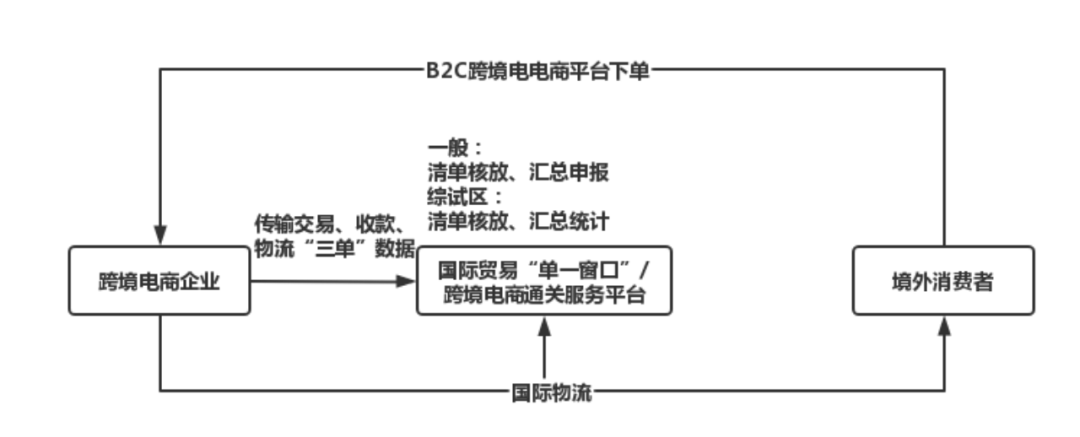
Teman-teman yang berkecimpung di perdagangan lintas batas tahu, barang melaluiModel "9610" setelah diekspor, jika mengalami pengembalian di luar negeri, yang paling merepotkan adalah — harus kembali melalui jalur asli. Misalnya Anda mengekspor dari Bea Cukai Yiwu ke Eropa, jika dikembalikan harus melalui Bea Cukai Yiwu lagi.
Kelihatannya cukup masuk akal? Masalahnya datang. Yiwu belum tentu memiliki kemampuan penanganan pengembalian yang memadai, atau jalur logistik tidak cocok. Lebih memalukan lagi, barang yang dikembalikan tidak memiliki pasar penjualan di Yiwu, harus ditransfer kembali ke tempat asal untuk dirakit ulang.
Pulang pergi, belum lagi biaya logistik yang mahal, waktu yang terbuang saja sudah cukup membuat frustrasi. Banyak penjual kecil memilih untuk menjual murah langsung di luar negeri,Bahkan dibuang sebagai sampah, diam-diam menanggung semua kerugian.
Di balik perkembangan pesat industri perdagangan lintas batas, masalah seperti kesulitan pengembalian dan penukaran barang, kualitas produk yang tidak merata, telah menjadi fokus advokasi konsumen.
Model 9610 Sumber gambar: Internet
Bagaimana aturan baru memecahkan kebuntuan?
Mulai hari ini, semua kekhawatiran ini hilang seketika!
Inti dari aturan baru ini dapat diringkas dalam satu kalimat:Ketika barang yang diekspor oleh perusahaan perdagangan lintas batas dikembalikan, tidak lagi diwajibkan untuk melalui bea cukai ekspor asli sebagai satu-satunya saluran masuk, tetapi dapat secara fleksibel memilih pelabuhan bea cukai domestik mana pun untuk menyelesaikan prosedur pengembalian.
Ini berarti, jika barang yang Anda ekspor dari Shanghai dikembalikan, Anda dapat mengembalikannya dari Hangzhou, Ningbo, atau bahkan Guangzhou yang terdekat. Yang perlu Anda lakukan adalah mengirim barang ke tempat pengawasan bea cukai atau lokasi yang menyelenggarakan bisnis ekspor eceran lintas batas.
Sumber gambar: Hangzhou Net
Keuntungan ganda ditumpuk! Insentif pajak melindungi secara bersamaan.
Selain pelonggaran penuh rute pengembalian, keuntungan lain juga sedang berlangsung bersamaan.
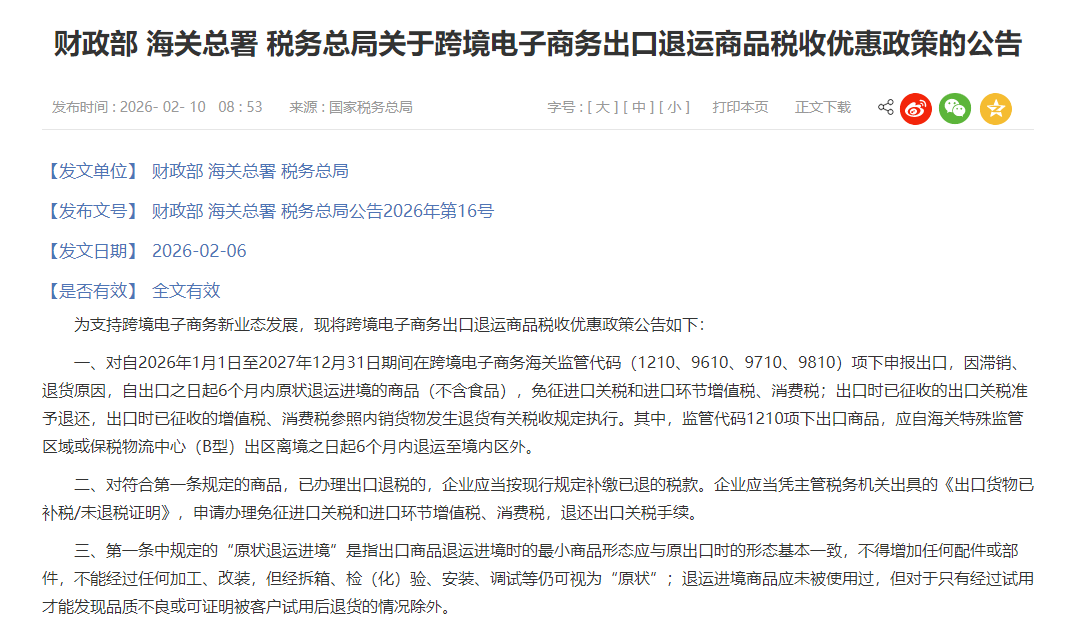
Tahun iniPeraturan kebijakan preferensi pajak yang dirilis bersama oleh tiga kementerian pada bulan Februari menetapkan: selama periode 1 Januari 2026 hingga 31 Desember 2027, barang yang diekspor melalui perdagangan lintas batas e-commerce jika karena alasan tidak laku atau retur, dikembalikan ke dalam negeri dalam kondisi asli dalam waktu 6 bulan (kecuali makanan), tidak hanya dibebaskan dari bea masuk dan PPN serta pajak konsumsi pada tahap impor, bahkan bea keluar yang telah dibayarkan sebelumnya juga dapat dimintakan pengembalian.
Apa yang paling ditakuti dari retur lintas batas? Pertama biaya, kedua pajak. Retur antar wilayah bea cukai menghemat biaya logistik dan waktu, preferensi pajak menghemat pajak impor, dua keuntungan besar."Dua pedang bersatu" .
Profesor Chen Jianwei dari Institut Penelitian Keterbukaan Nasional Universitas Perdagangan dan Ekonomi Internasional berkomentar bahwa akumulasi berbagai kebijakan tidak hanya secara langsung mengurangi beban keuangan perusahaan, tetapi juga merekonstruksi secara mendalam mekanisme kompensasi risiko perdagangan lintas batas e-commerce.— Kebijakan preferensi pajak pengembalian ekspor secara efektif dapat mengimbangi pajak tambahan yang timbul dari retur dan pertukaran, memungkinkan perusahaan berani merebut pasar dengan memperluas kategori produk.
Sumber gambar: Administrasi Pajak Nasional
Persyaratan kepatuhan tidak boleh diabaikan
Namun, meskipun dividen kebijakan besar, jangan lupa ambang kepatuhan.
Perlu secara khusus mengingatkan perusahaan untuk memperhatikan dua ambang kepatuhan:
Pertama, untuk menjalankan bisnis retur antar wilayah bea cukai ekspor ritel e-commerce lintas batas, perusahaan harus beroperasi secara terstandarisasi, dan juga harus memiliki area operasi fungsional independen, data sistem produksi operasi harus dibuka ke bea cukai, atau langsung terintegrasi dengan sistem informasi bea cukai.
Kedua, tujuan dan cakupan barang retur juga memiliki batasan yang jelas: barang yang dikembalikan hanya dapat dikirim ke tempat atau lokasi pengawasan bea cukai yang sebelumnya sudah menjalankan bisnis ekspor ritel e-commerce lintas batas, dan kebijakan retur ini hanya berlaku untukbarang di bawah model "9610" .

Sumber gambar: Internet
Sinyal masa depan: Perdagangan lintas batas e-commerce memasuki tahap baru pengembangan berkualitas tinggi
Promosi nasional retur antar wilayah bea cukai ini bukanlah peristiwa yang terisolasi. Di baliknya tercermin niat strategis negara untuk mendorong perdagangan lintas batas e-commerce dari pertumbuhan skala menuju pengembangan berkualitas tinggi dan bermerek.
PadaDalam aksi khusus fasilitasi perdagangan lintas batas tahun 2026, Administrasi Bea Cukai telah secara jelas meluncurkan serangkaian langkah fasilitasi yang berfokus pada empat tugas: perdagangan barang, perdagangan jasa, perdagangan digital, dan perdagangan hijau. Retur antar wilayah bea cukai hanyalah salah satu bagiannya, selanjutnya akan ada lebih banyak langkah inovatif seperti ekspor e-commerce lintas batas konsolidasi kargo "periksa dulu, muat kemudian" yang akan diluncurkan.
Seperti yang dikatakan Profesor Chen Jianwei, desain siklus tertutup retur berbiaya rendah dan efisien sedang mendorong perdagangan lintas batas e-commerce dari pertumbuhan skala menuju model pengembangan berkualitas tinggi dan bermerek. Kali ini, penjual e-commerce lintas batas China akhirnya dapat dengan percaya diri mengatakan:"Retur, saya juga mampu meretur!"