
 2287
2287
Untuk pendalamanBagi para penjual di pasar lintas batas Asia Tenggara TikTok Shop, ambang batas pembuatan konten sedang meningkat secara diam-diam. Berdasarkan pengumuman terbaru platform, mulai tanggal 24 April, TikTok Shop akan secara resmi meningkatkan pengawasan dan penanganan terhadap konten berkualitas rendah yang kurang interaksi real-time.
Artinya, video pendek yang sebelumnya hanya mengandalkan gambar statis, carousel seperti slide, atau kurang narasi lisan, kemungkinan besar akan menghadapi pembatasan lalu lintas atau bahkan penalti.
Di balik penyesuaian ini, tercermin keinginan mendesak platform untuk kualitas ekosistem konten, dan juga menjadi peringatan bagi penjual untuk bertransformasi.

Sumber gambar:Google
Apa itu"Konten non-interaktif"? Platform ini menarik garis merah yang jelas.
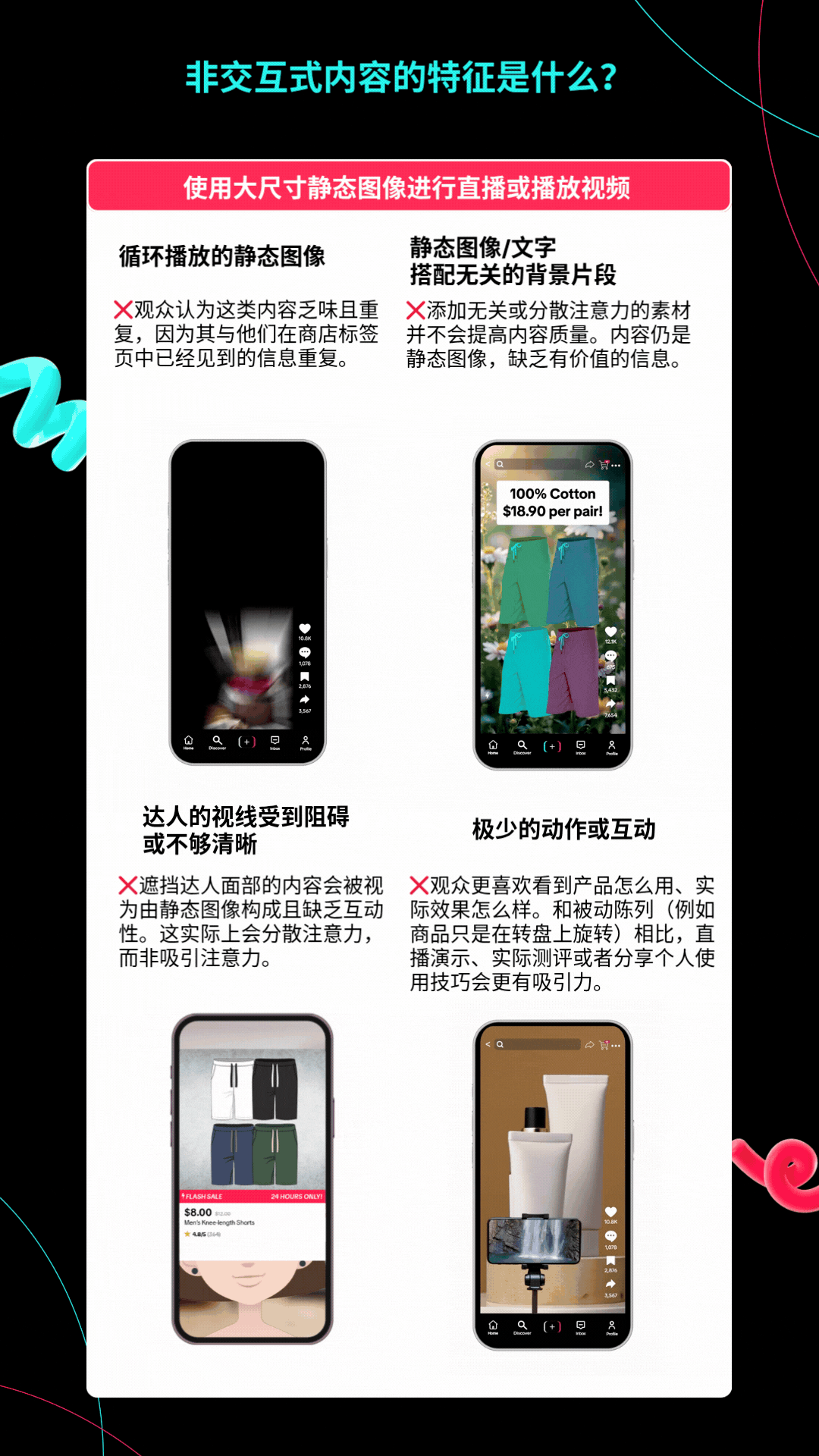
Untuk menghindari risiko, pertama-tama pahami dengan jelas.Video apa yang dianggap "berkualitas rendah" oleh TikTok Shop? Menurut definisi resmi yang diberikan, konten non-interaktif memiliki beberapa ciri khas.
Jenis yang paling umum adalah menggunakan gambar statis berukuran besar untuk melakukan siaran langsung atau memutar video, misalnya dengan memutar beberapa gambar produk dengan musik latar secara berulang. Penonton umumnya menganggap konten semacam itu membosankan dan berulang, karena pada dasarnya tidak ada perbedaan dengan informasi yang sudah mereka lihat di tab toko.
Kasus lainnya adalah menambahkan fragmen latar belakang yang tidak relevan pada gambar atau teks statis.——Platform secara khusus menunjukkan bahwa materi yang tidak relevan atau mengganggu perhatian tidak dapat meningkatkan kualitas konten, esensi konten tetaplah gambar statis yang kurang memiliki penyampaian informasi yang bernilai.
Selain itu, pandangan para kreator yang terhalang atau kurang jelas juga menjadi sasaran utama penanganan. Konten yang menutupi wajah akan dianggap kurang interaktif, bahkan justru dapat mengalihkan perhatian penonton, bukan membuat mereka bertahan.
Kriteria penilaian yang paling inti terletak pada sedikitnya gerakan atau interaksi; penonton lebih suka melihat cara penggunaan produk dan hasil sebenarnya. Dibandingkan dengan pajangan pasif (misalnya barang hanya berputar di atas meja putar), demonstrasi langsung, ulasan nyata, atau berbagi tips penggunaan pribadi akan lebih menarik. Singkatnya, video yang tidak memiliki penjelasan lisan, tidak memiliki penyampaian informasi substansial, dan tidak memiliki elemen interaksi real-time akan menghadapi pengawasan ketat.
Sumber gambar: Internet
Dampak bagi penjual: meningkatnya diversifikasi lalu lintas, naiknya biaya operasional.
Setelah peraturan baru ini diterapkan, dampak yang paling langsung akan terlihat pada alokasi lalu lintas.
Sebelumnya, beberapa penjual menggunakan video slideshow statis berbiaya rendah untuk membanjiri pasar, mengandalkan kuantitas untuk mendapatkan eksposur. Namun, setelah aturan baru diterapkan, konten semacam ini tidak hanya sulit mendapatkan rekomendasi, tetapi juga dapat memicu mekanisme penalti platform, yang menyebabkan penurunan bobot keseluruhan toko.
Bagi penjual kecil-menengah yang bergantung pada konten jenis salin-tempel atau tayangan slide, ini tidak berbeda dengan tantangan model bertahan hidup.
Sementara itu, biaya operasional juga akan meningkat. Di masa lalu, video statis mungkin hanya membutuhkan beberapa menit untuk diselesaikan, tetapi video berkualitas tinggi yang memenuhi persyaratan peraturan baru memerlukan kehadiran orang asli, penjelasan lisan, demonstrasi produk, dan bahkan interaksi real-time.
Ini berarti penjual perlu menginvestasikan lebih banyak waktu, tenaga, dan biaya peralatan untuk membuat konten. Bagi pedagang lintas batas yang belum memiliki tim konten profesional, mereka akan merasakan tekanan yang signifikan dalam jangka pendek.
Sumber gambar:Google
Strategi penjual: beralih dari menampilkan ke berinteraksi
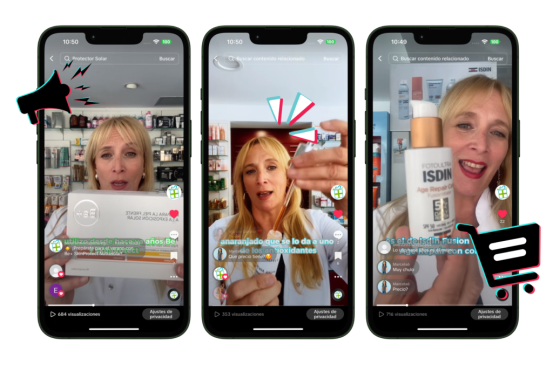
Menghadapi peningkatan konten ini, penjual perlu segera menyesuaikan strategi operasional. Perubahan paling inti adalah dari pajangan pasif menuju interaksi aktif. Secara spesifik, daripada membiarkan produk berputar di rak putar, lebih baik mengambil produk sendiri untuk didemonstrasikan.
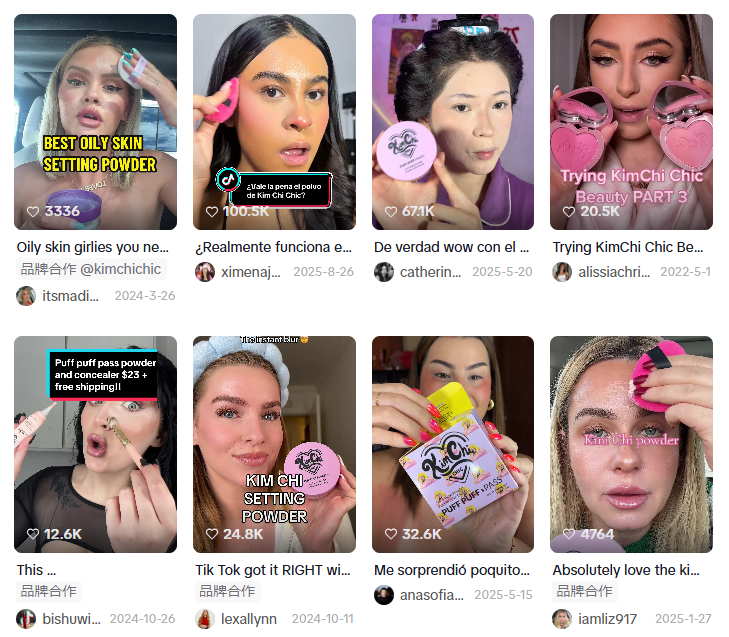
Misalnya, penjual peralatan dapur dapat merekam proses memasak sebenarnya untuk menunjukkan cengkeraman, daya tahan, dan kemudahan pembersihan produk; penjual kosmetik dapat mengambil video ulasan pemakaian langsung di wajah untuk berbagi efek perbandingan sebelum dan sesudah penggunaan.
Sumber gambar:TikTok
Penjelasan lisan sangat penting di sini, jangan mengira bahwa gambar yang cukup indah sudah cukup; platform secara jelas mewajibkan penyampaian informasi substansial. Ini berarti Anda perlu menjelaskan poin penjualan utama produk, cara penggunaan, dan skenario yang sesuai dengan kata-kata.
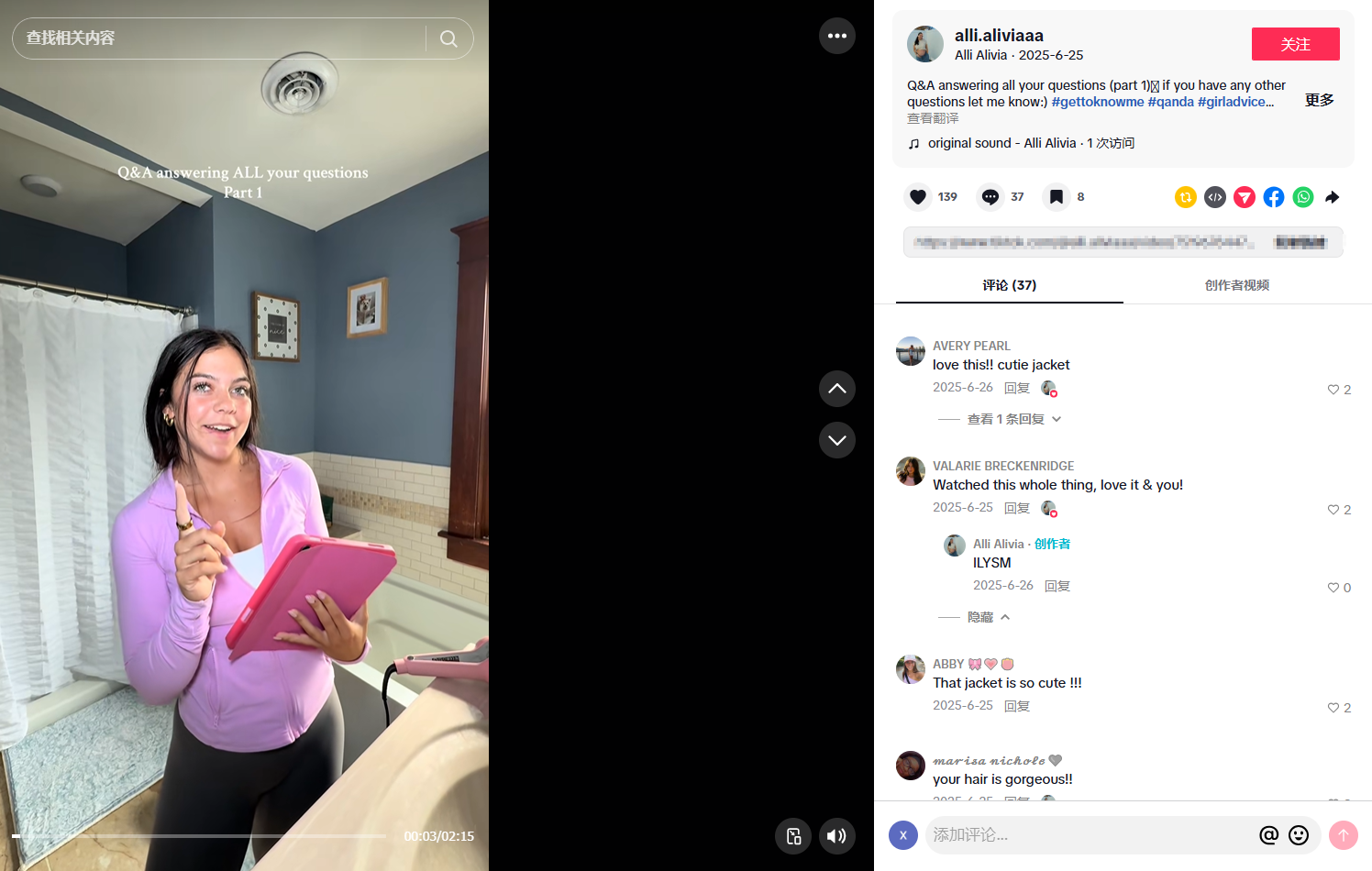
Strategi efektif lainnya adalah menambahkan kehadiran langsung dan elemen interaktif. Meskipun saat ini belum memiliki kondisi siaran langsung profesional, Anda bisa mencoba merekam video tanya jawab sederhana dengan ponsel.
Misalnya, untuk pertanyaan umum di kolom komentar penggemar, rekam video tanya jawab, dan sambil menjawab, perkenalkan produk secara alami. Cara ini tidak hanya memenuhi persyaratan interaktivitas platform, tetapi juga meningkatkan kepercayaan pengguna terhadap toko.
Sumber gambar:TikTok
Selain itu, disarankan penjual melakukan pemeriksaan mandiri terhadap video yang sudah ada.Sebelum 24 April, optimalkan atau hapus konten yang jelas-jelas berupa slide statis atau menutupi wajah, untuk menghindari hukuman massal setelah aturan baru berlaku. Pada saat yang sama, perhatikan format konten penjual teratas di kategori yang sama di platform, pelajari bagaimana mereka menyeimbangkan tampilan produk dan desain interaktif.
Kesimpulan
Peraturan baru tentang tata kelola konten untuk TikTok Shop lintas batas Asia Tenggara menandai langkah kunci platform dalam bertransisi dari perluasan skala ke peningkatan kualitas.
Seiring dengan tren konten e-commerce yang semakin dalam, para pedagang yang bersedia keluar dari zona nyaman dan memikat pengguna dengan interaksi nyata akan memenangkan peluang awal dalam putaran perubahan baru.