 1276
1276
Seiring dengan perkembangan lanskap e-commerce global yang terus berubah, musim puncak penjualan luar negeri telah menjadi pertempuran penting bagi kinerja tahunan penjual lintas batas.
Bagi pemula yang baru memasuki bidang penjualan luar negeri, menghadapi puncak lalu lintas yang datang berturut-turut sering kali membuat mereka bersemangat sekaligus bingung.。Tidak tahu bagaimana mempersiapkan secara sistematis untuk menangkap peluang bisnis yang cepat berlalu dan mencapai booming pesanan yang sesungguhnya.
Hari ini, mari kitadari praktikyangperspektif, menganalisis secara mendalamsejenaklogika persiapan dan rencana eksekusi musim puncak penjualan luar negeri, memberikan kerangka kerja operasional yang dapat diterapkan dan dirujuk bagi para pelaku penjualan luar negeri.
Wawasan Pasar dan Prediksi Irama: Dasar Kognitif untuk Perencanaan Musim Puncak
Persiapan musim puncak penjualan luar negeri bukanlah sekadar menambah promosi secara mendadak, melainkan sebuah latihan strategis yang dimulai dari musim sepi. Pemain penjualan luar negeri yang benar-benar matang sering kali memulaiperencanaan siklus musim puncak 6-8 bulan sebelumnya.
Langkah pertama adalah wawasan pasar yang mendalam.,Tidak hanya perlu memperhatikan tanggal festival belanja utama di pasar target, tetapi juga memahami perbedaan budaya konsumen di baliknya.
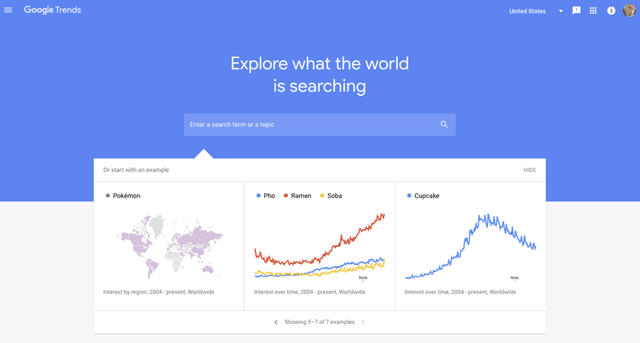
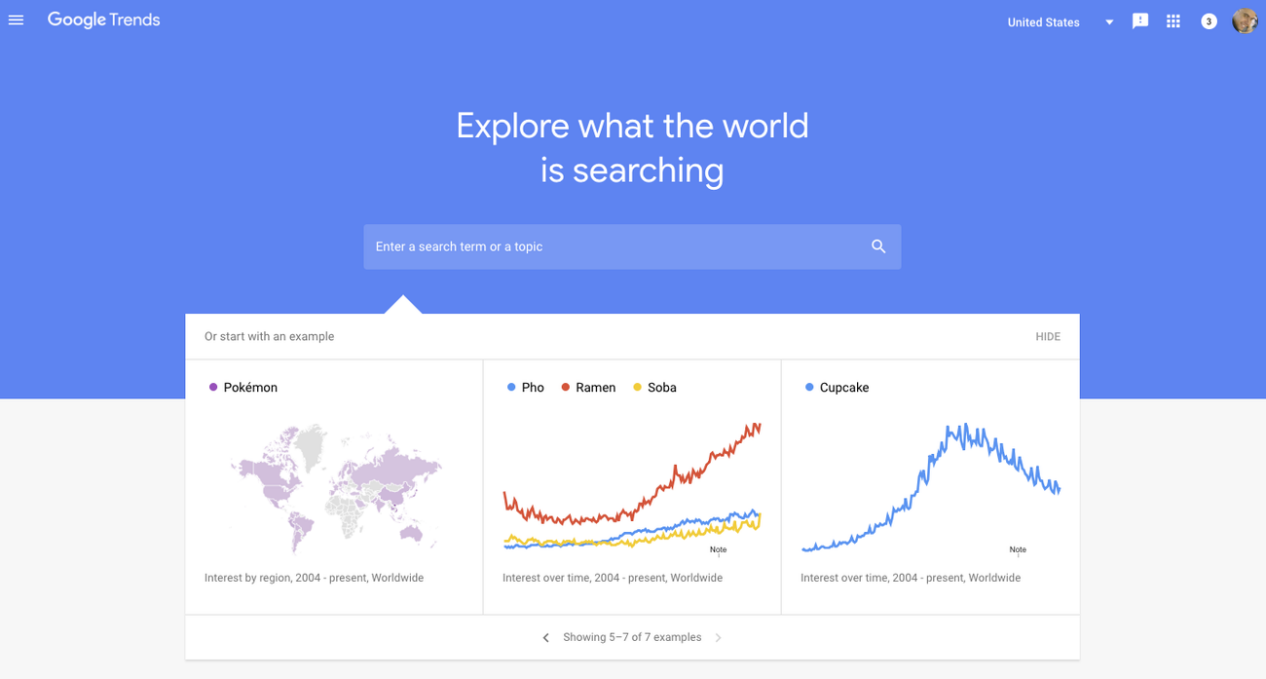
Misalnya, inti musim puncak di pasar Amerika Utara adalahmusim liburan November hingga Desember, sementara Asia Tenggara dipengaruhi secara signifikan oleh perayaan regional seperti Ramadhan dan 9.9. Dengan bantuan Google Trends, laporan industri, dan alat social listening, menganalisis hotspot pencarian dan kurva fluktuasi kategori musim puncak tahun-tahun sebelumnya, barulah dapat memprediksi arah lalu lintas tahun ini secara akurat.
Sumber gambar:Google
Selain itu,Wawasan yang lebih dalam terletak pada perubahan perilaku konsumen. Di era pasca-pandemi, kebiasaan belanja konsumen global telah mengalami perubahan struktural.。Waktu dimulainya musim belanja umumnya lebih awal, meneliti terlebih dahulu、lalu membeliyangperilaku menjadi semakin umum, orientasi belanja dari media sosial dan mesin pencari semakin jelas.
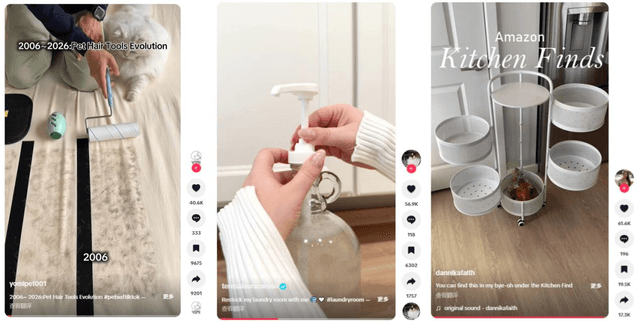
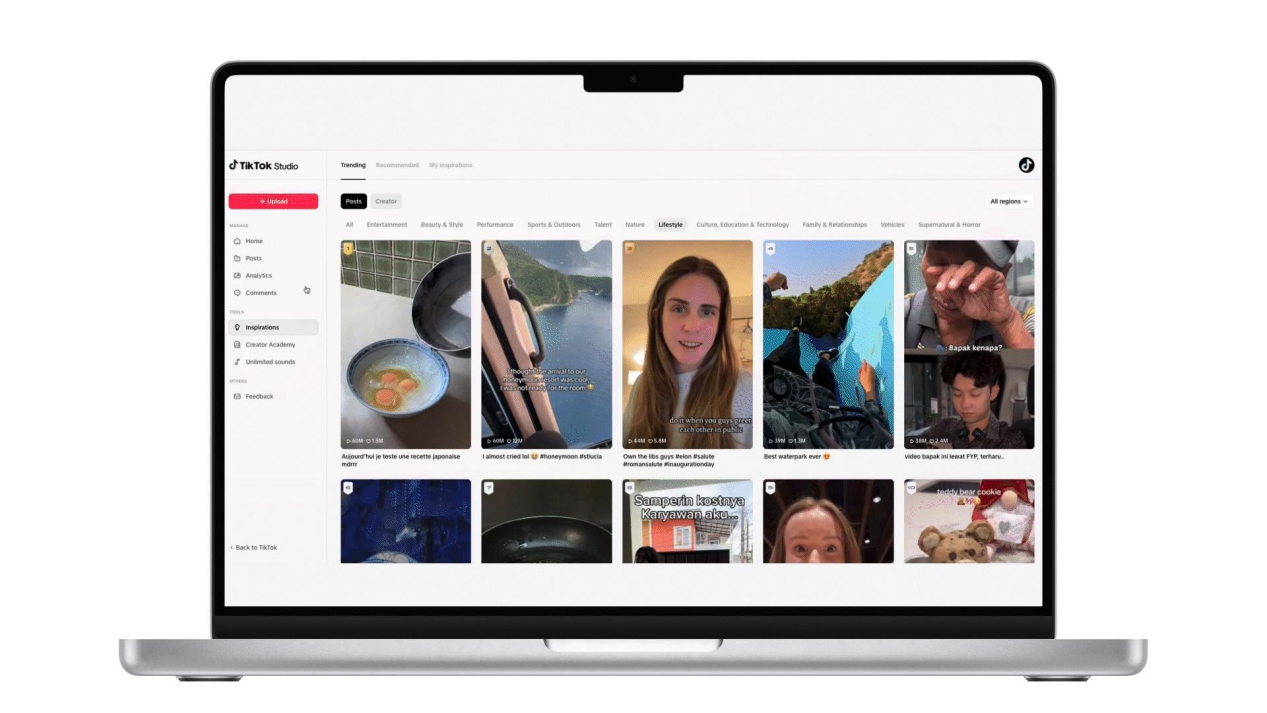
Ini berarti, praktik tradisional menimbun stok-Model promosi sudah mulai terlihat lemah, digantikan oleh jalur baru yang meliputi pemanasan konten, pembangunan kepercayaan, dan jangkauan multi-saluran. Penjual pemula perlu keluar dari pemikiran tunggal mengejar volume dengan harga murah, dan beralih ke strategi pemasaran siklus penuh yang berpusat pada perjalanan konsumen.
Sumber gambar:Google
Perhitungan Presisi Rantai Pasok dan Persediaan: Jaminan Dasar untuk Lonjakan Pesanan
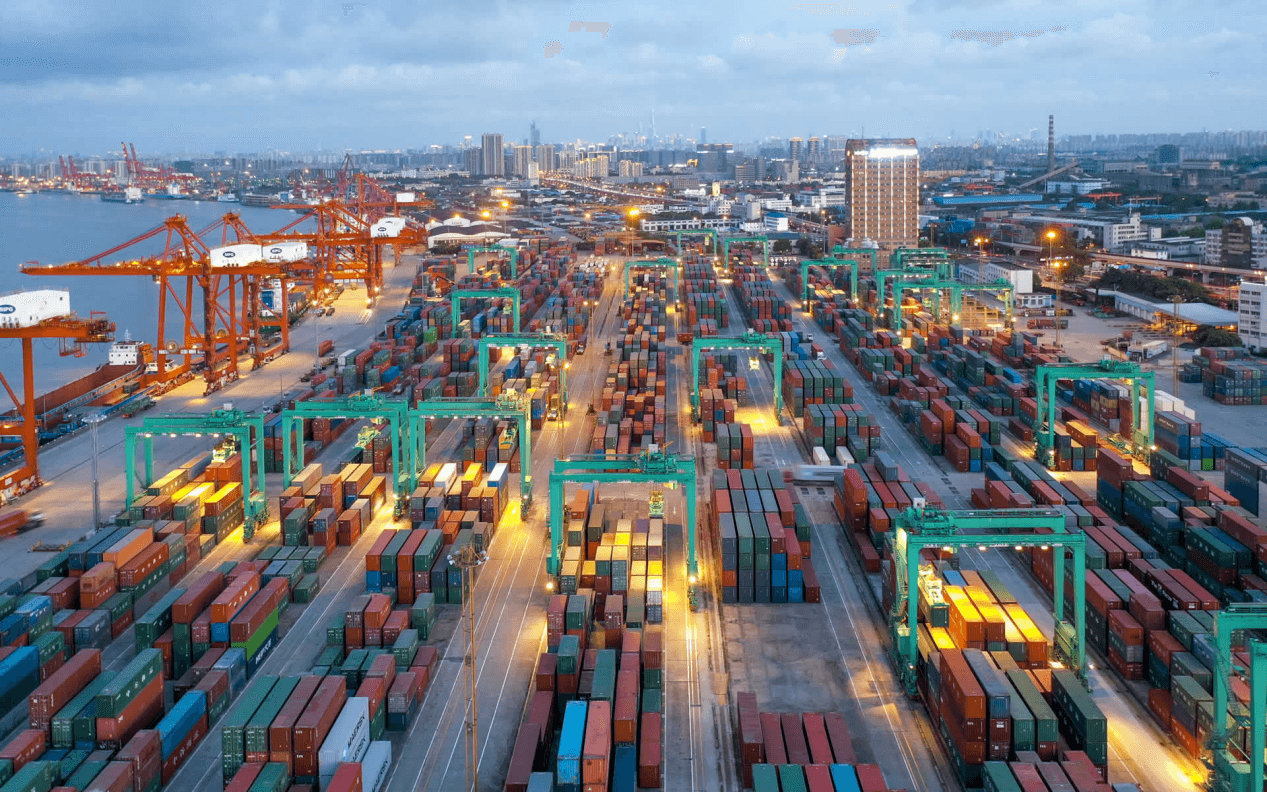
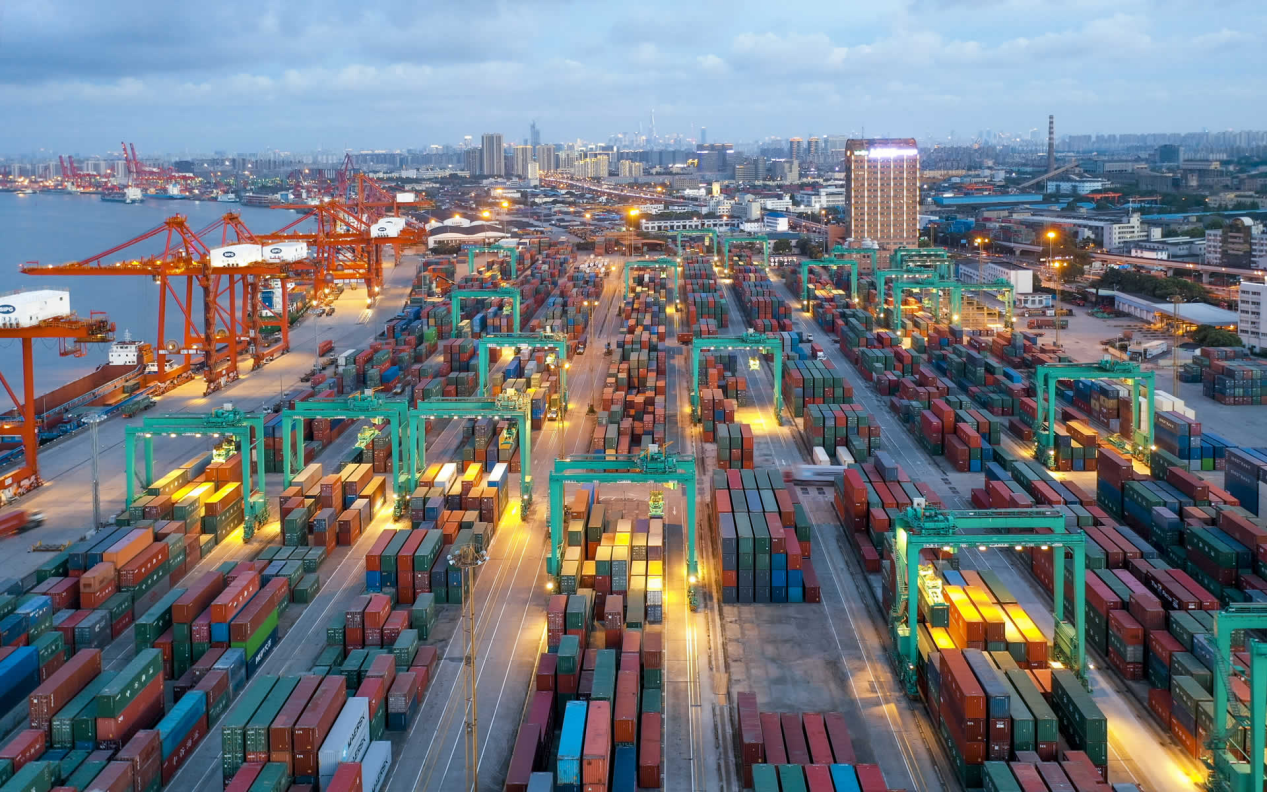
rantai pasokmilikStabilitas langsung menentukansudahBatas atas pesanan melonjak. Kekalahan pertama bagi banyak pemula yang go global seringkali berasal dari kesalahan perhitungan inventaris.。Entah persediaan tidak mencukupi sehingga kehilangan pesanan, atau kelebihan stok parah yang menggerogoti keuntungan. Manajemen inventaris yang ilmiah perlu mengintegrasikan berbagai variabel seperti data historis, ekspektasi pertumbuhan, waktu logistik, kapasitas pemasok, dan lain-lain.
Disarankan untuk menggunakan metode penyimpanan bertingkat: bagi stok menjadi tiga lapisan yaitu stok aman, stok promosi, dan stok darurat, dan sesuaikan secara dinamis berdasarkan ritme penjualan. Terutama perhatikan gudang luar negeri danOptimasi rasio FBA, menggunakan sistem peringatan logistik untuk memantau potensi risiko seperti kemacetan pelabuhan, perubahan rute, dll.
Sumber gambar:Google
Pembangunan Matriks Lalu Lintas Omnichannel: Mendapatkan Pelanggan Secara Tepat dari Banjir Lalu Lintas
Selama musim puncak, volume lalu lintas meningkat drastis, tetapi biaya persaingan juga ikut naik. Memasang iklan secara membabi buta sering kali mengakibatkanROI menurun drastis. Perolehan lalu lintas yang efisien bergantung pada matriks lalu lintas multi-saluran yang dibangun sebelumnya.
Matriks ini dapat dibagi menjadi tiga tingkat: lapisan lalu lintas pencarian (SEO/SEM Google, optimasi kata kunci Amazon), lapisan konten sosial (konten penanaman dan kolaborasi influencer di TikTok, Instagram, Pinterest) serta lapisan akumulasi domain pribadi (daftar email, operasi komunitas).
sebelum musim ramaiDalam 3-4 bulan, seharusnya mulai melakukan pengaturan konten SEO dan meningkatkan aktivitas akun media sosial, untuk mengumpulkan basis lalu lintas organik.

Sumber gambar:Google
Pengalaman Pengguna dan Optimasi Konversi: Infrastruktur Kunci untuk Langkah Penentu
Setelah lalu lintas tersedia, konversi akhir tergantung pada setiap detail pengalaman pengguna.
Dalam persiapan musim ramai, aspek yang sering diabaikan namun sangat penting adalah pengujian tekanan pengalaman pengguna. Ini mencakup: situs webOptimasi kecepatan pemuatan toko, pemeriksaan adaptasi perangkat seluler, penyederhanaan proses pembayaran dengan penyediaan berbagai opsi, serta perluasan sistem respons layanan pelanggan.
Untuk e-commerce lintas batas, tampilan waktu pengiriman yang jelas dan penjelasan kebijakan pengembalian dapat secara signifikan mengurangi kecemasan pengambilan keputusan konsumen.
Selain itu, kemampuan rekomendasi yang dipersonalisasi berbasis data, di musim ramaiyangnilai berlipat ganda. Dengan menganalisis data penelusuran dan pembelian sebelumnya dari pengguna, mendorong produk terkait atau saran upgrade dengan selisih harga di halaman keranjang belanja dan pengingat email dapat secara efektif meningkatkan nilai pesanan rata-rata.

Sumber gambar:Google
Kesimpulan
Ledakan pesanan di musim ramai ekspor, tampaknya merupakan pesta lalu lintas jangka pendek, namun sebenarnya merupakan uji konsentrasi kemampuan operasi sistematis jangka panjang. Ini menguji tidak hanya keterampilan menjual barang, tetapi juga kemampuan pengelolaan rantai penuh yang terperinci dari wawasan pasar, manajemen rantai pasok, operasi lalu lintas hingga pengalaman pengguna.
Bagi pemula ekspor, tidak perlu mengejar semua tren secara membabi buta, tetapi harus memilih segmen pasar yang unggul, memperkuat langkah-langkah di atas satu per satu, dan membentuk ritme serta metodologi sendiri.
Gelombang e-commerce global masih bergelora, musim ramai hanyalah puncak ombak di dalamnya. Pemenang sejati adalah mereka yang melihat puncak dengan hati biasa, memperkuat dasar dengan hati profesional, dan terus berinovasi dengan kesabaran sebagai penganut jangka panjang.
Semoga setiap pelaku ekspor dapat meraih peluang musim ramai, dan juga membangun kekuatan yang stabil yang melampaui siklus, berlayar dengan stabil dan jauh di lautan yang lebih luas.