This document mainly discusses the relevant situation of Chinese brands going overseas to Southeast Asia, including the reasons for going abroad, matters to be understood before going overseas, specific strategies, etc., aiming to provide guidance and reference for Chinese brands going overseas to Southeast Asia.

1. Reasons for Going Overseas

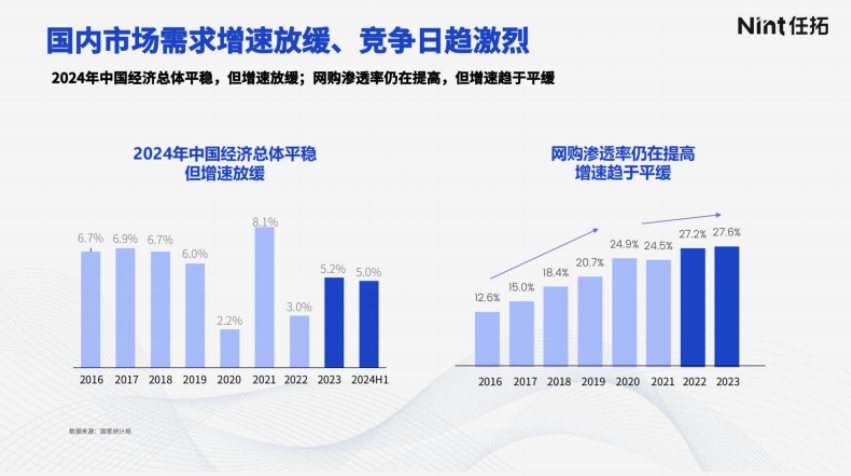
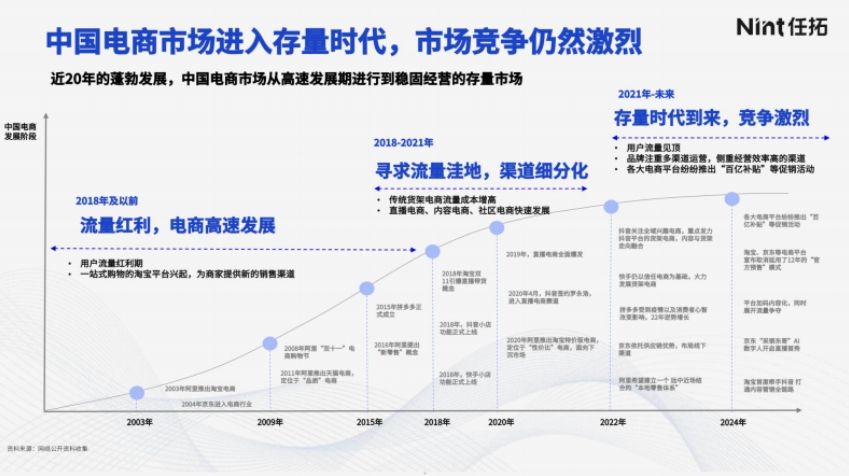
- Domestic Market Situation: China's economic growth is slowing down, the growth rate of online shopping penetration is leveling off, the e-commerce market has entered the era of stock competition, and competition is fierce, prompting brands to seek growth opportunities in overseas markets.

- Advantages in the Development of Chinese Brands: Developed manufacturing industry, recognized product quality, a complete supply chain and cross-border e-commerce ecosystem, which promote brand development; rapid growth of cross-border e-commerce platforms, reducing the cost and difficulty of going overseas.

- National Policy Support: The government has introduced a number of measures, such as optimizing the export business ecosystem and providing financial incentives, to help brands go overseas.

- Attraction of the Southeast Asian Market: Southeast Asia is a high-growth economy with strong GDP growth and leading global e-commerce growth. For example, in 2023, Southeast Asia's retail sales reached $1.1 trillion, and the e-commerce growth rate in three countries exceeded the global average, making it the first choice for Chinese brands to go overseas.

2. Matters to Be Understood and Strategies Before Going Overseas

- Opportunity Track Research

- Clarify Strategic Layout Direction: Understand changes in overseas markets and consumer preferences, conduct market scanning and competitive landscape analysis, etc. For example, smart home camera monitoring brands need to clarify the market size and growth trends to determine the strategic direction.

- Brand Overseas Positioning Analysis

- Product/Marketing Localization: Adapt to the Southeast Asian market, conduct brand competitiveness evaluation and consumer preference research, and achieve brand localization.

- Product Competitiveness Research and Product Selection Strategy

- Refine Product Selling Points: Analyze the concentration of the target market, grasp the market size and competitive landscape. For example, car cleaner brands need to clarify the market size, share, and growth situation, and refine the product selling points.

- Seize New Product Opportunities: Keep abreast of popular products and store trends in real time, explore new channels and new market opportunities. For example, car cleaners have seen significant sales growth in the Thai market.

- Channel Layout Strategy

- Direct Sales/Distribution Channel Analysis: Understand how cross-border merchants should identify target channels and formulate deployment strategies, including channel pricing and entry strategies, etc.

2024品牌出海东南亚的新机遇与挑战报告-12024品牌出海东南亚的新机遇与挑战报告-22024品牌出海东南亚的新机遇与挑战报告-32024品牌出海东南亚的新机遇与挑战报告-42024品牌出海东南亚的新机遇与挑战报告-5