 2499
2499
Недавно,TikTok Shop в американском регионе по отношению к своей политике возврата производитужеважные изменения: сиюня 2026 года, в случаях, когда «больше не нужен”“размер не подошел» и другие изменения намерений покупателя, приводящие к возврату, возникшиетранспортные расходынапрямую перекладываются на продавца.
Хотяновые правила еще не вступили в силу, но уже вызвали много внимания и обсуждений среди продавцов.
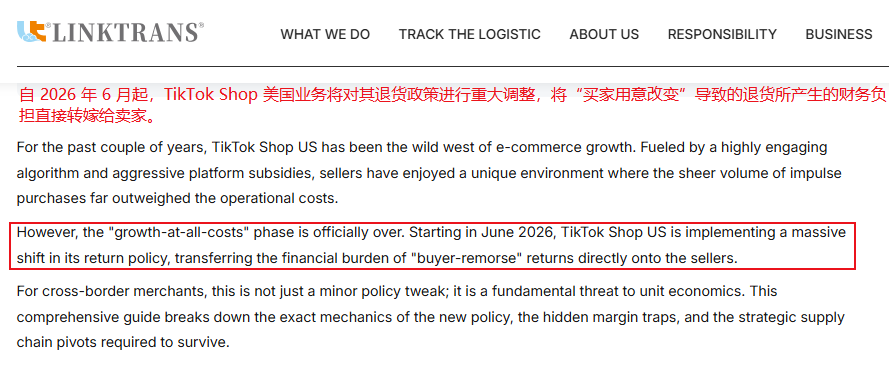
Источник изображения:LINKTRANS
Суть новых правил: все расходы, связанные с возвратом, несет продавец
Согласноконкретным правилам, опубликованным TikTok Shop, с июня 2026 года, независимо от того, по чьей вине произошел возврат — покупателя или продавца, все связанные с этим транспортные расходы полностью ложатся на продавца. То есть, если происходит возврат, продавец почти неизбежно должен оплатить эти транспортные расходы.
Единственное исключение: если в партии возврата все товары не являются ответственностью продавца (то есть все по вине покупателя),TikTok Shop возьмет на себя транспортные расходы по возврату; но если в этой партии возврата есть хотя бы один товар, за который отвечает продавец, то транспортные расходы всей партии все равно ложатся на продавца.
Такое правило фактически заставляет продавца нести транспортные расходы в подавляющем большинстве сценариев возврата.
Источник изображения:Google
Прямое влияние на продавцов: значительное увеличение давления расходов на возвраты
Влияние этого нового правила на продавцов является прямым и реальным. Раньше при возвратах по вине покупателя транспортные расходы распределялись между несколькими сторонами, и доля продавца была ограниченной. После введения нового правила, как только покупатель инициирует возврат, независимо от причины,«размер не подошел» или «больше не нужно», транспортные расходы по возврату ложатся на продавца.
Для тех категорий, у которых и так высокий процент возвратов, например, одежда, обувь, головные уборы, аксессуары и другие нестандартные товары, это означает, что ежемесячные операционные расходы значительно возрастут. Продавцам необходимо пересмотреть свою модель прибыли и включить транспортные расходы по возврату в качестве постоянной статьи расходов.
Что более примечательно, даже если в партии возврата подавляющее большинство товаров возвращается по вине покупателя, если в ней затесался хотя бы один товар, за который отвечает продавец, транспортные расходы всей партии полностью ложатся на продавца.
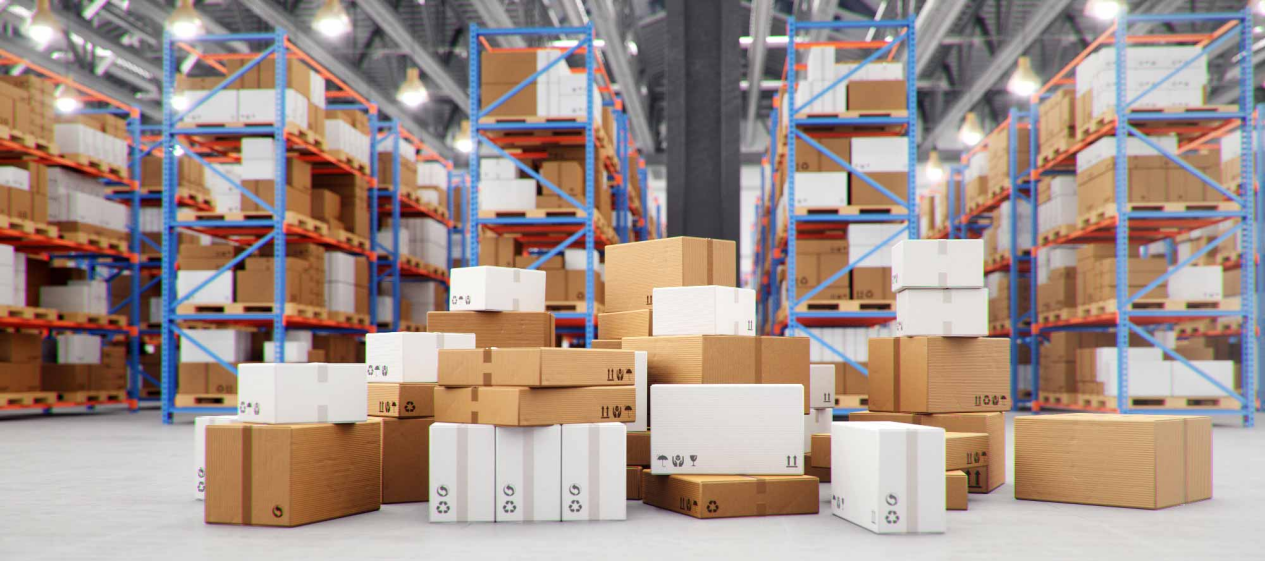
ТакойМеханизм «коллективной ответственности» еще больше увеличивает риск для продавцов. Для малых и средних продавцов, которые ежедневно обрабатывают большое количество заказов, любая ошибка в отправке может привести к дополнительным затратам.
Источник изображения:Google
Идеи для продавцов: заранее оптимизировать, чтобы уменьшить возвраты по вине покупателя
Хотя новые правила вступят в силу тольков июне 2026 года, продавцы могут начать подготовку уже сейчас.
В частности, продавцамследуетВнимательно изучить последние правила возврата и возмещения на платформе, разобраться, какие случаи относятся к ответственности покупателя, а какие — к ответственности продавца, чтобы избежать ненужных затрат из-за недопонимания.
Во-вторых, необходимо пересмотреть стратегию ценообразования: можно включить ожидаемую стоимость обратной доставки в цену товара, чтобы предотвратить значительное сжатие прибыли после вступления новых правил в силу.
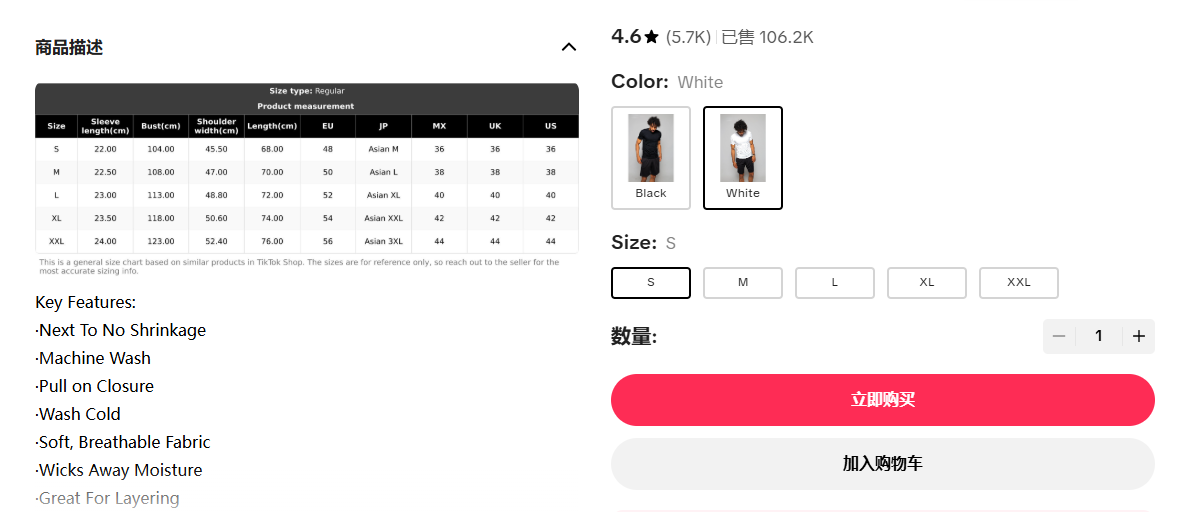
Наконец, самое важное — улучшить информацию на странице товара. Многие покупатели возвращают товары из-за неуверенности в размере, нечетких параметров или непонимания функций.
Если продавцы смогут предоставить более подробную таблицу размеров, фотографии товара с разных ракурсов и четкое описание характеристик, это эффективно снизит вероятность возвратов из-за информационной асимметрии.
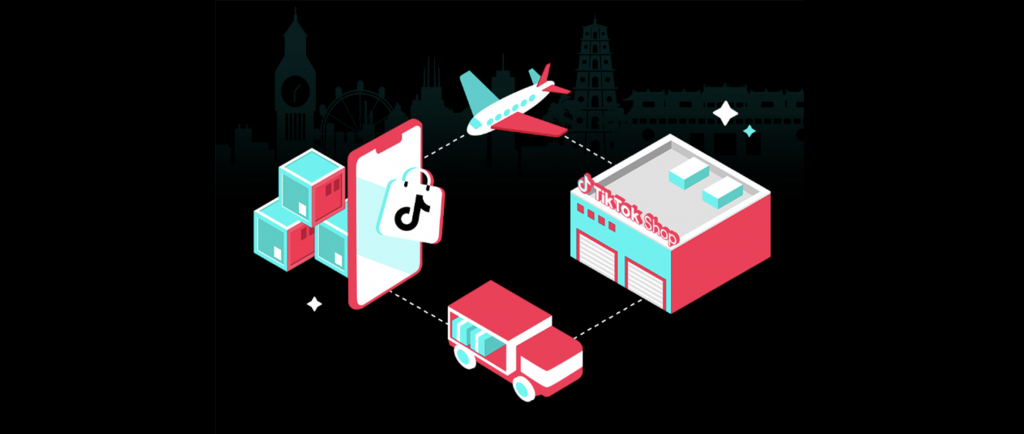
Источник изображения:TikTok Shop
Заключение
На этот раз TikTok Shop в СШАэтогоновые правила возврата доставки — это палка о двух концах.
Для продавцов рост затрат — это реальная проблема, но в то же время это возможность заставить себя перейти к более детализированному управлению. Заранее скорректировать цены, оптимизировать страницы, тщательно отбирать товары, гибко работать с послепродажным обслуживанием — все это меры, которые можно предпринять немедленно.
По мереОфициальное вступление в силу новых правил в июне приведет к перестройке структуры стоимости доставки для трансграничной электронной коммерции в США. Те продавцы, которые смогут быстро адаптироваться к правилам и активно оптимизировать свою работу, возможно, наоборот, укрепят свои позиции в ходе новой перетасовки.