 2551
2551
Sıfırdan bire ilerleme kaydeden birçok yurtdışına açılan işletme, genellikle bir büyüme engeline takılıp kalıyor—ilk sipariş müşterilerini nasıl düzenli müşteri haline getireceğiniz ve rastgele satın alımları nasıl sürekli tüketime dönüştüreceğiniz, yurtdışı iş başarısını belirleyen kritik bir faktör haline geldi.
Şimdi, yurtdışına açılan işletmelerde tekrar satın alma oranını artırmak için bir stratejik çerçeve inceleyelim ve farklı gelişim aşamalarındaki işletmelere uygulanabilir çözümler sunalım.

Görsel kaynağı: Google
Yurtdışı Tüketicilerin Tekrar Satın Alma Davranış Özelliklerini Anlamak
Farklı bölgelerdeki tüketiciler, birbirinden tamamen farklı tekrar satın alma davranış modelleri sergiler. Bu farklılıkları anlamak, etkili stratejiler oluşturmanın ön koşuludur.
Kuzey Amerika tüketicileri, marka değerleriyle uyuma daha fazla önem veriyor. Bir ankete göre, Kuzey Amerika tüketicilerinin %64'ü, marka felsefesini benimsedikleri için tekrar satın alma sıklıklarını artırıyor; Avrupa pazarı ise ürün sürdürülebilirliği ve kurumsal sosyal sorumluluğa karşı daha hassas. Almanya'daki tüketicilerin %72'si, çevre dostu ürünler için prim ödemeye ve bunları düzenli olarak satın almaya istekli olduklarını belirtiyor.
Güneydoğu Asya'daki yükselen pazarların tüketicileri, fiyata karşı daha duyarlı olsa da, aynı zamanda güçlü bir sosyal paylaşma motivasyonuna sahipler. Endonezya pazar verileri, sosyal tavsiyeler yoluyla gelen müşterilerin tekrar satın alma oranının, sıradan müşterilere kıyasla %40 daha yüksek olduğunu gösteriyor.
Kültürel farklılıkların tekrar satın alma davranışı üzerindeki etkisi göz ardı edilemez. Japon tüketiciler, satın alma deneyiminin mükemmelliğine son derece önem verir; tatmin edici olmayan bir alışveriş deneyimi, kalıcı müşteri kaybına yol açabilir. Orta Doğu tüketicileri ise kişisel ilişkilerin sürdürülmesine daha fazla değer verir; düzenli bayram tebrikleri ve kişiselleştirilmiş iletişim, tekrar satın alma isteğini önemli ölçüde artırabilir.
Bu nedenle, kültürler arası bir tüketici içgörüsü sistemi kurmak ve veri analizi yoluyla yüksek tekrar satın alma potansiyeline sahip müşteri gruplarını belirlemek, genel tekrar satın alma oranını artırmanın temel çalışmasıdır.

Görsel kaynağı: Google
Veri Odaklı Bir Müşteri Segmentasyonu Yönetim Sistemi Oluşturmak
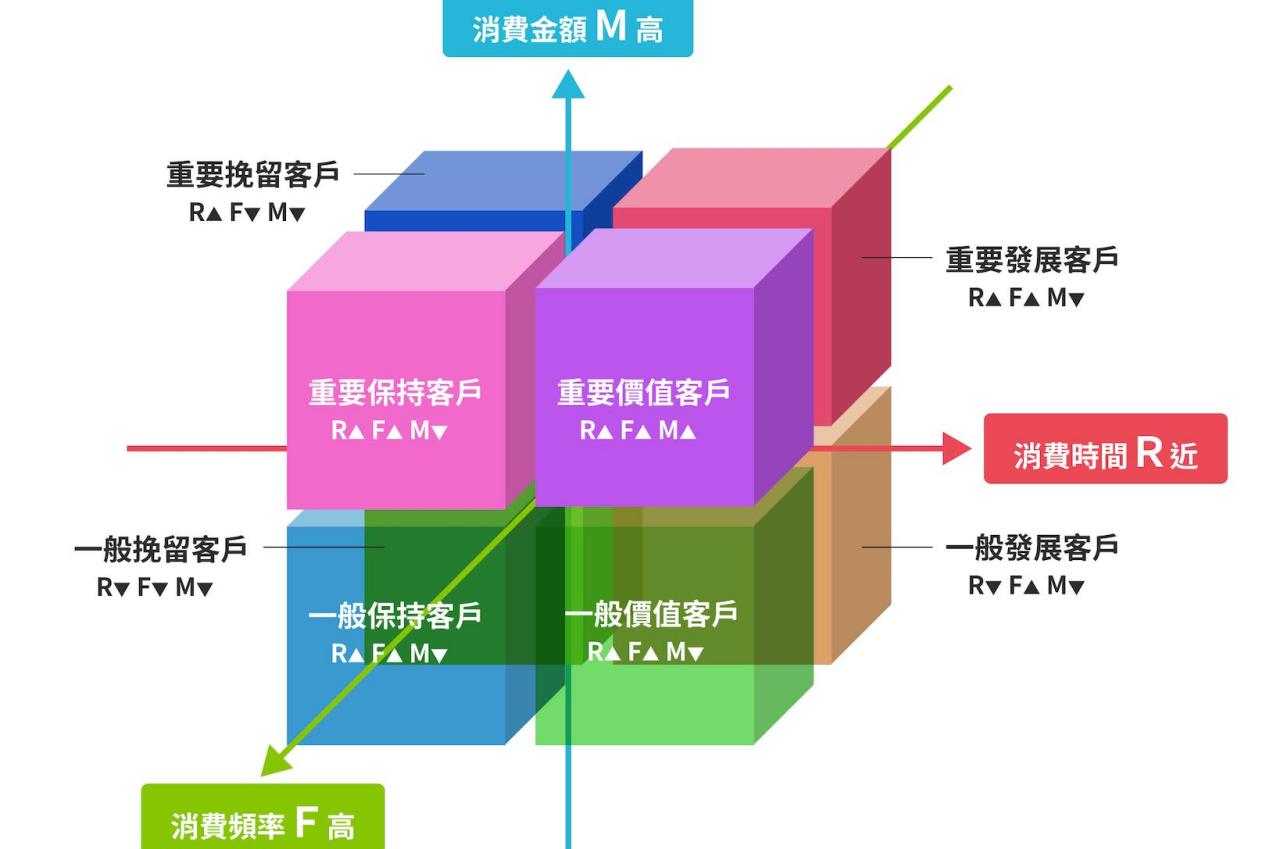
Hassas operasyonun ön koşulu, müşteri gruplarının bilimsel bir şekilde segmentlere ayrılmasıdır.RFM modeli (Recency - Son Satın Alma Zamanı, Frequency - Satın Alma Sıklığı, Monetary - Satın Alma Tutarı), yurtdışına açılan işletmeler için en pratik müşteri değeri değerlendirme aracıdır.
Pratik deneyime göre, yurtdışı müşteriler; yüksek değerli müşteriler (yakın zamanda satın almış, sık ve yüksek tutarlı), uyuyan müşteriler (ortalama satın alma döngüsünü aşmış, geri alım yapmamış), yeni müşteriler (ilk satın alımı 30 günden kısa süre önce yapmış) gibi farklı seviyelere ayrılabilir ve her müşteri türü için farklılaştırılmış erişim stratejileri tasarlanabilir.
Teknolojik araçlar, müşteri segmentasyonunda kritik bir rol oynar. Bir CDP (Müşteri Veri Platformu) dağıtarak web sitesi davranış verileri, işlem verileri ve CRM verileri entegre edilir ve birleşik bir müşteri görünümü oluşturulur.
Tahmine dayalı analiz modellerinin uygulanması, ayrılması muhtemel yüksek değerli müşterileri önceden tespit ederek önleyici elde tutma önlemleri alınmasını sağlar. Uygulamada, yurtdışına açılan işletmelerin pazar değişikliklerine uyum sağlamak için müşteri segmentasyon standartlarını en az üç ayda bir güncellemeleri önerilir.
Görsel kaynağı: Google
Kültürler Arası Uyumlu Bir Sadakat Teşvik Programı Tasarlamak
Sadakat programlarının tasarımı, küresel tutarlılık ile yerel uyarlama arasında bir denge kurmayı gerektirir. Puan değişimi, dünya genelinde geçerli temel bir mekanizmadır, ancak uygulamada yerelleştirme ayarlamaları yapılması gerekir.
Örneğin, Orta Doğu pazarında, puanları yerel bayramlarla (Ramazan, Ramazan Bayramı gibi) ilişkilendiren promosyon kampanyaları, tekrar satın alma katılımında normal kampanyalara kıyasla %50 daha yüksek bir artış sağlar; Japonya pazarında ise sınırlı sayıda üretilen puan değişim ürünleri genellikle çarpıcı bir tekrar satın alma etkisi yaratır.

Görsel kaynağı: Google
Çok Kanallı Müşteri Erişimi ve Etkileşim Deneyimini Optimize Etmek
E-posta pazarlaması, yurtdışı tekrar satın alma operasyonları için hala temel kanaldır, ancak basit promosyon mesajları göndermenin ötesine geçmek gerekir. Kullanıcı davranışına dayalı tetikleyici e-posta dizileri (sepet terk etme hatırlatıcıları, ürün kullanım kılavuzları, tamamlayıcı ürün satın alma hatırlatıcıları gibi), hem otomatik hem de kişiselleştirilmiş iletişim sağlayabilir.
Veriler, davranış tetiklemeli e-postaların açılma oranının toplu e-postalardan 3-5 kat, dönüşüm oranının ise 7-10 kat daha yüksek olduğunu gösteriyor. Çok dilli e-posta oluştururken doğrudan çeviri yapmaktan kaçınılmalı, kültürel uygunluğu sağlamak için yerel içerik yazarları işe alınmalıdır.
Ayrıca, sosyal medya etkileşimi müşteri ilişkilerini yeniden şekillendiriyor. Facebook, Instagram, Line gibi platformlar aracılığıyla marka toplulukları oluşturmak ve marka savunucuları yetiştirmek de tekrar satın alma oranını büyük ölçüde artırabilir.

Görsel kaynağı: Google
Sonuç
Yurtdışına açılan işletmelerde tekrar satın alma oranını artırmak hem bir bilim hem de bir sanattır. Bilim, verilerin titizlikle analiz edilmesinde ve süreçlerin hassas bir şekilde tasarlanmasında yatar; sanat ise kültürel farklılıkların keskin bir şekilde kavranmasında ve insancıl iletişimde yatar.
Küresel rekabetin giderek yoğunlaştığı günümüzde, ancak kısa vadeli promosyonları uzun vadeli müşteri ilişkisi kurma ile birleştirerek sürdürülebilir bir yurtdışı iş büyümesi elde edilebilir.