 2144
2144
Halk arasında şöyle bir söz dolaşıyor,“Dünyadaki her 3 termos bardaktan 1'i Zhejiang'da üretiliyor.”
Bazıları hâlâ Alman işçiliğini ve ithal büyük markaları ararken, biz zaten dünyanın en büyük termos bardak üreticisi olduk.
Geçen yıl, yalnızca ABD'nin Çin'den ithal ettiği termos bardakların oranı%89.7 oldu. Okyanusun ötesinde gördüğünüz, şıkların elinde sallanan bardakların hepsinde aynı etiket olabilir: Made in China.
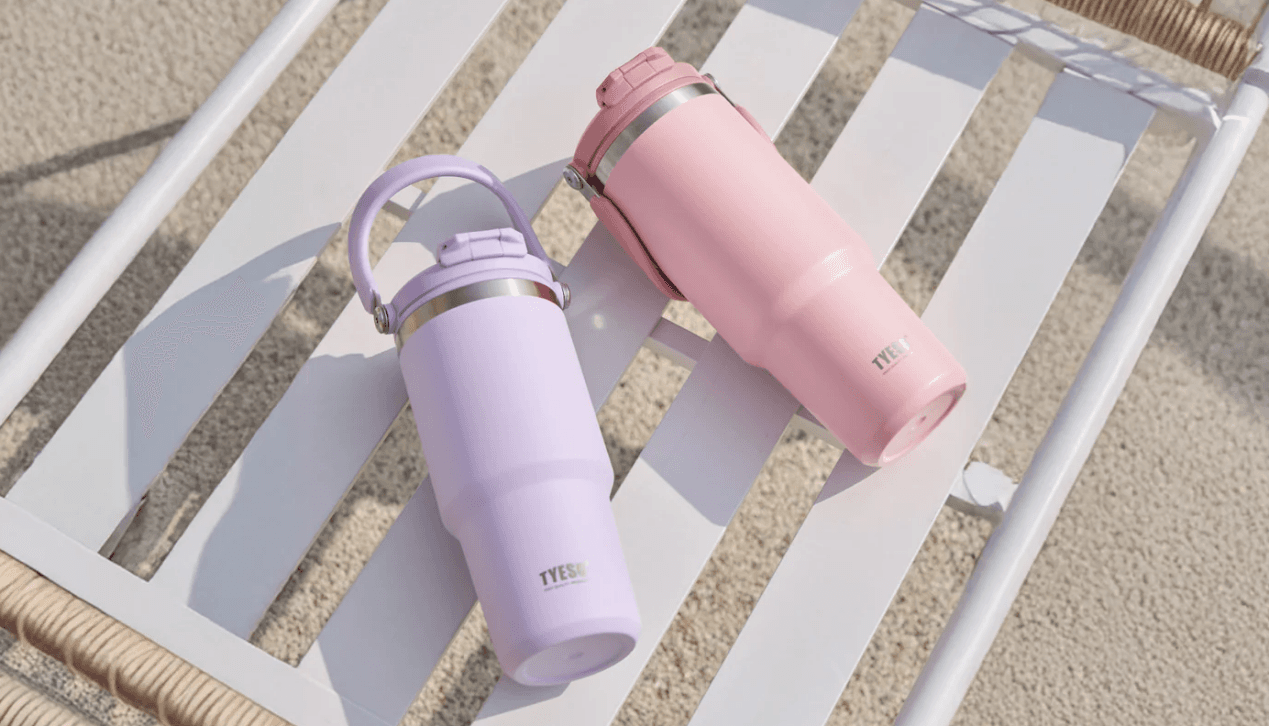
Ve bu üretim bereketli topraklarında,adlı bir markaTyeso markası,“Zhejiang Üretimi”denizaşırı gençlerin rağbet ettiği“popüler ürün”。

Görsel kaynağı:Tyeso
TyesoMarka'nın hikayesi aslında tipik bir“fabrika ikinci nesil” ters köşe senaryosu.OnlarErken dönemde Wuyi ve Yongkang sanayi bölgelerindeki çoğu fabrika gibi, yabancı markalar için OEM yapmaya odaklandılar. Ancak asıl dönüm noktası2021'den sonra Tyeso tamamen kendi markasıyla yurt dışına açılmaya yöneldi.
Sadece birkaç yıl içinde,OnlarSadece Avrupa, Amerika, Japonya ve Güney Kore pazarlarında yer edinmekle kalmadı, aynı zamanda2024 yılında Güneydoğu Asya pazarında patlama yaşadı. TikTok Shop'ta influencer matrisi oluşturarak toplam 1,8 milyon adetten fazla satış yaptı, toplam GMV 13 milyon ABD dolarına ulaştı ve marka konuşma görüntülenmesi 1,5 milyarı aştı.
Bir arka plan OEM fabrikasından, denizaşırıZ kuşağının peşinden koştuğu popüler marka, Tyesomarkageçiş yolu, denizaşırı pazarları izleyen her yerli işletmenin dikkatlice incelemesine değer.
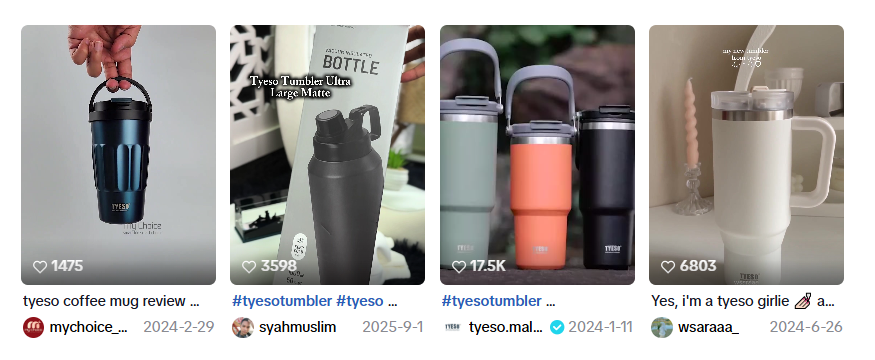
Görsel kaynağı:TikTok
Sadece bununla sınırlı kalmayıp"OEM": Alt segmentlerde fırsat aramak
Tyeso'nun denizaşırı pazarlara açılma yolu baştan beri yüksek profilli değildi. 2021-2022 döneminde daha çok sağlam bir "ürün yöneticisi" gibiydi. Zhejiang Taishuo Endüstri ve Ticaret Limited Şirketi'nin yıllardır süren üretim deneyimine dayanarak Tyeso iki anahtar kelimeyi yakaladı:Yüksek maliyet etkinliği ve çoklu senaryo uyumu。
O zamanlar, denizaşırı pazarlarda zaten mevcut olmasına rağmenYeti, Stanley gibi devler, ancak 13-25 dolar ana fiyat aralığında hem "pratiklik + görsellik" özelliklerini bir araya getiren ürünlerde hala bir boşluk vardı.
Tyeso, Alibaba uluslararası sitesi, Amazon ve Japonya-Kore'deki Rakuten gibi platformlar aracılığıyla ürünlerini, açık hava, işe gidip gelme ve ev gibi birden çok senaryo arasında geçiş yapması gereken tüketicilere hassas bir şekilde ulaştırdı.
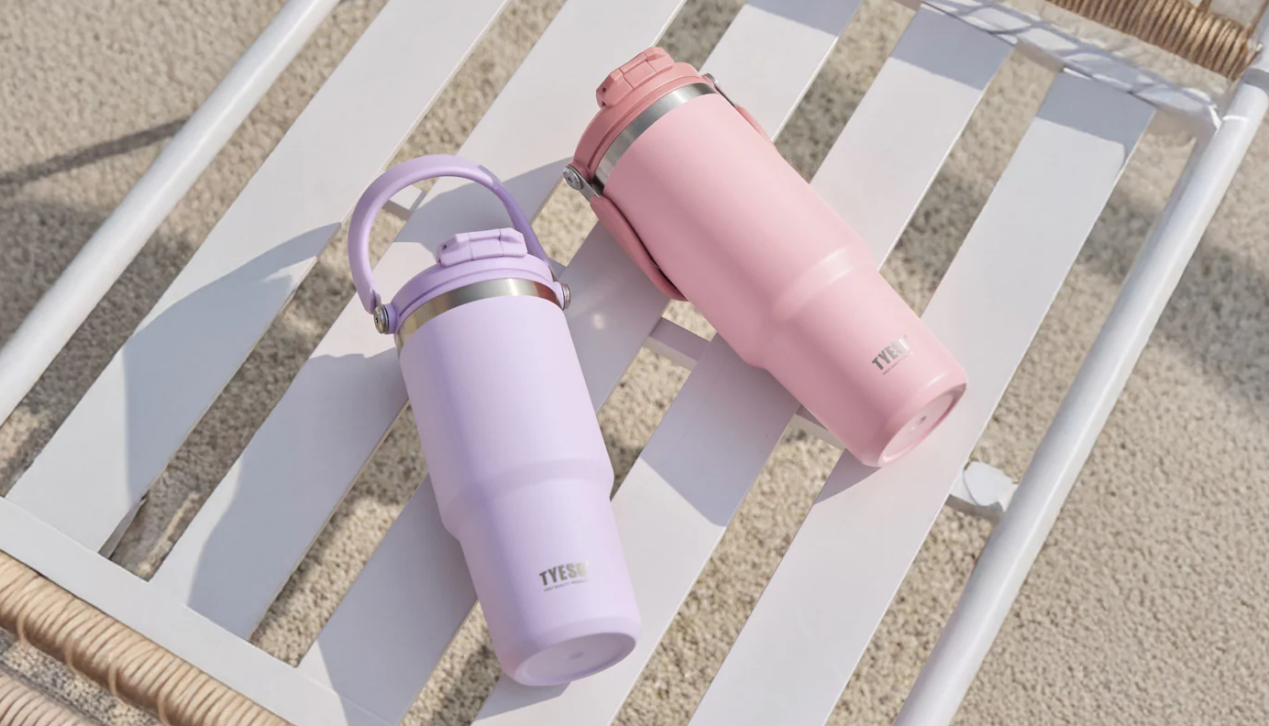
Görsel kaynağı:Tyeso
Gelindiğinde2025 yılında, Tyesomarkadüzeni giderek daha olgunlaştı. Çevrimiçi kanalları sağlamlaştırırken,OnlarEndonezya'da münhasır distribütör ile anlaştı ve Güneydoğu Asya'daki yerelleştirme hizmetlerini iyileştirmeye başladı.
Ürün tarafında ise sürekli mikro yenilikler yapıldı; çift ağızlı, buz çubuğu ve hatta telefon tutacağı kulplu fonksiyonel modeller piyasaya sürüldü ve kova gövdesi, kapak yapısı gibi patentler başvurusu yapılarak kendi ürün bariyerleri oluşturulmaya çalışıldı.
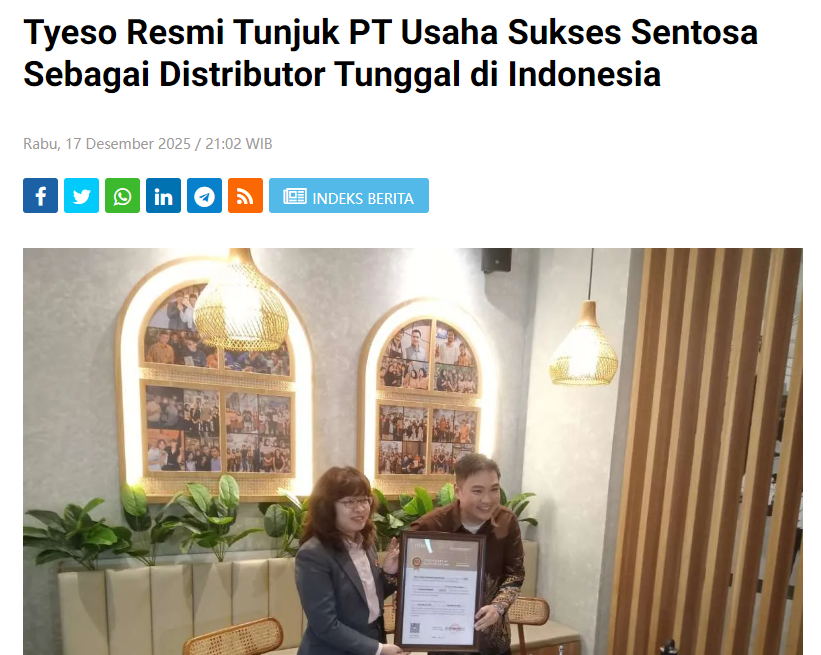
Görsel kaynağı:Kontan
Rüzgar nereye esiyor? Milyarlarca dolarlık yoldaki"Made in China" söz hakkı
Pazar büyüklüğü açısından bakıldığında, termos bardakpazarıistikrarlı bir şekilde büyüyen dev bir pastadır.
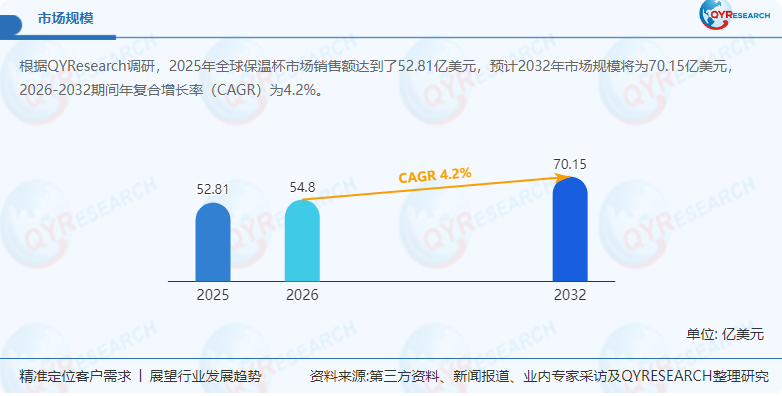
Verilere göre,2025 yılı itibarıyla küresel termos bardak pazar büyüklüğü yaklaşık 52.81 milyar ABD dolarına ulaşmış olup, 2032 yılına kadar 70.15 milyar ABD dolarına büyümesi bekleniyor ve yıllık bileşik büyüme oranı %4.2 civarında seyrediyor.
Bu pazarda Çin yalnızca mutlak bir üretim merkezi değil, aynı zamanda yurtdışına açılımın temel motorudur.
2024 yılında Çin'in termos bardak üretimi küresel üretimin %65'inden fazlasını oluşturdu ve yıllık üretim kapasitesi yaklaşık 800 milyon adettir. 2025 yılında fiyat faktörlerinin etkisiyle ihracat tutarı hafif dalgalanarak 50.70 milyar ABD dolarına gerilese de, ihracat hacmi yıllık bazda %9.3 artış göstererek son derece güçlü bir küresel talep direncini ortaya koydu.
Görsel kaynağı:qyresearch
Daha da dikkat çekici olan, pazar talebinin yeniden yapılanmakta olmasıdır. Çevre bilincinin yaygınlaşması, açık hava ekonomisinin yükselişi ve kahve-çay kültürünün popülerleşmesi, termos bardağı dayanıklı tüketim malından günlük giyim aksesuarına dönüştürmüştür.
Bu“Sağlıklılaşma, senaryolaşma ve içerik e-ticaretleşmesi” eğilimi, tam da güçlü endüstri zincirine ve hızlı tepki verme yeteneğine sahip Tyeso gibi Çin markalarına büyük bir destek sağlıyor.
Artık yalnızca düşük fiyatlı tedarikçiler değiller; aksine,“Mikro inovasyon” ve “hızlı yineleme” ile küresel niş talepleri karşılayan marka oyuncuları haline geliyorlar.

Görsel kaynağı:Tyeso
olarakTikTok'u bir ürün amplifikatörü olarak kullanma
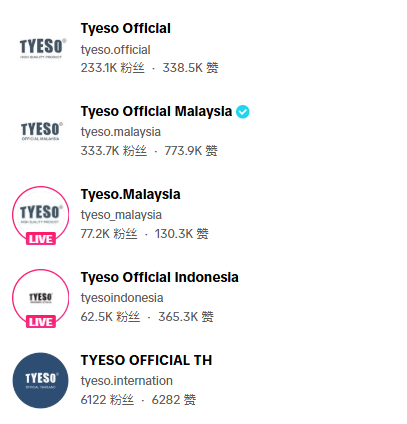
giriş yapmaTikTok Güneydoğu Asya içerik e-ticaret alanına, TyesomarkasıHesap düzenleme aşamasından itibaren yerelleştirme penetrasyonu yönünü belirledi, tek bir küresel hesapla tüm pazarları kapsamak yerine,bir set「Küresel resmi ana hesap+ bölgesel yerel alt hesaplar」 şeklinde dikey hesap matrisi oluşturdu.
Aşağıdaki şekilde görüldüğü gibi, onlarGüneydoğu Asya'nın çekirdek pazarlarını kapsamayı tamamlamış, Malezya, Endonezya, Tayland, Filipinler vb. dahil olmak üzere, temel stratejik pazarlarda ise çoklu hesap operasyonu yapılandırmıştır.,Bu, yerel kullanıcıların güven duygusunu daha da güçlendirmektedir.
Tyeso markasının bazı hesapları Görsel kaynağı: TikTok
TyesoMarkaHesap içeriği katmanlı bir işletme stratejisi benimser ve temel olarak iki yöne ayrılır:
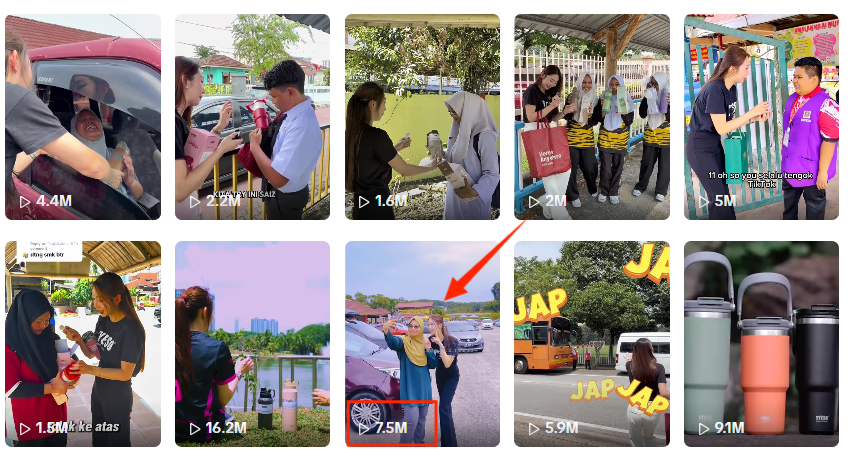
Birincisi, senaryolaştırılmış yumuşak reklam içeriğidir; doğal tavsiye odaklıdır, sert reklam tepkisinden kaçınmak içinsert reklam tepkisini, ürün performansını ve kullanım duygusunu doğal olarak video hikayesine entegre ederek, tamamlama oranını ve etkileşim oranını artırır。
Bunlar arasında, Malezya hesabı@tyeso.malaysia bu tür içeriklerde oldukça başarılıdır. Yayınladıkları 'yoldan geçenlere hediye' serisi, TikTok'ta oldukça iyi tepkiler aldı; en yüksek trafiğe sahip video 7,5 milyon izlenmeye ulaştı ve bu, markanın yerel popüler içeriklerinden biri olarak kabul ediliyor.
Görsel kaynağı:TikTok
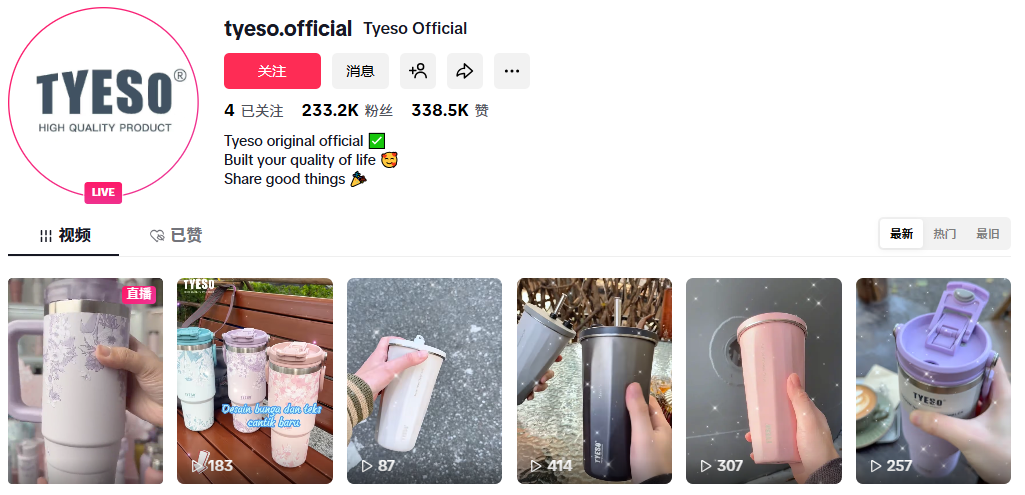
İkincisi, doğrudan ürün satış videolarıdır; bu tür videolar genelliklesüreyi kontrol eder, doğrudan anında dönüşüme hizmet eder.
Örneğin marka hesabı@tyeso.official bu tür videolar yayınlamakta uzmanlaşmıştır; içerikler çoğunlukla doğrudan satış noktalarının sergilenmesi ve kutudan çıkarma (unboxing) videolarına dayanır, gereksiz hikaye anlatımı yoktur.
Bu tür içerikler genellikle canlı yayın akışının ritmine uygun olarak yayınlanır; temel amaç, canlı yayın odasına hedefli trafik çekmek ve önceden birikim yaparak dönüşüm sağlamaktır.
Görsel kaynağı:TikTok
Video trafiği çok yüksek görünmese de,Tyeso markası miktarla kazanmayı hedefler; sürekli ve istikrarlı içerik çıktısıyla hesap aktivitesini korur ve canlı yayın odasına sürekli 'trafik besleme' yapar.
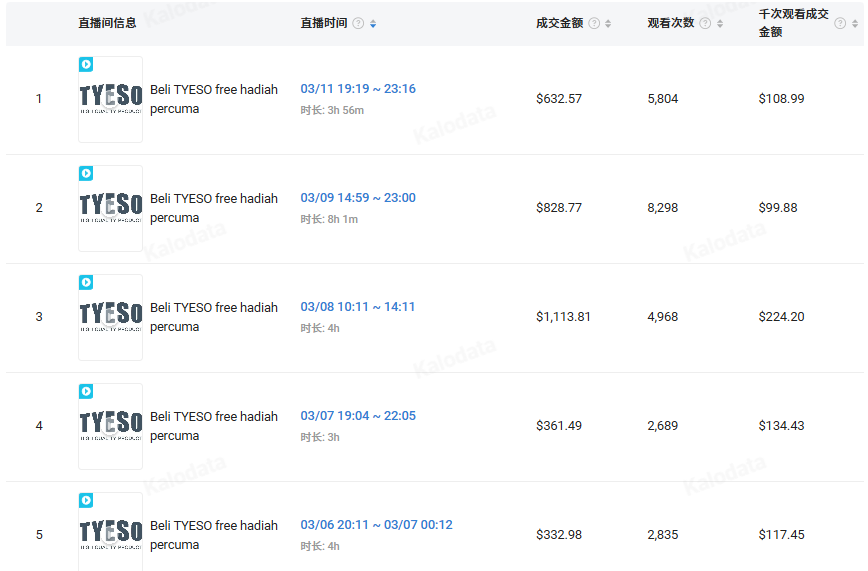
Son dönem canlı yayın verilerine bakıldığında, bu stratejinin etkisioldukça iyidir; birden fazla canlı yayında satış tutarı yüzlerce ila binlerce dolar arasında istikrarlı kalmış, izlenme sayısı iki-üç binden sekiz bine kadar değişmiş ve canlı yayın odası istikrarlı bir üretim kapasitesine sahip olmuştur.
Görsel kaynağı:kalodata
Kendi içerikleri ve canlı yayın dışında,Tyesomarka ayrıcakatmanlı fenomen iş birliklerine dayanarakgelirSesi daha da yükseltmek ve düşük maliyetle küresel çapta sınırları aşmanın yolunu bulmak.
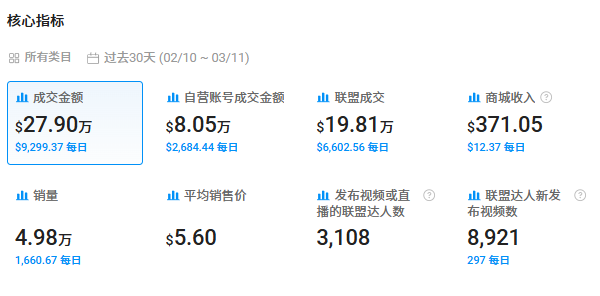
Marka mağazası olarakTyeso Official Malaysia örneğini ele alalım. Son 30 günde, sadece video yayınlama veya canlı yayın yapan ortak fenomenlerin sayısı 3108, toplamda 8900'den fazla içerik üretildi, bu da günde yaklaşık 300 fenomenin aynı anda marka için "tanıtım yapması" anlamına geliyor.
Bu fenomenler sıkı örülmüş bir ağ gibi,Tyeso'nun ürünlerini TikTok'un her köşesine yaydılar ve bu ağın getirdiği doğrudan getiri, ortak kanalların toplam 198.100 dolar satış hacmine katkıda bulunması ve mağaza toplam satışlarının %70'inden fazlasını oluşturması oldu.
Görsel kaynağı:kalodata
Birçok yurtdışı markanın büyük bütçelerle üst düzey fenomenlerin trafiğini kapmaya çalışmasından farklı olarak,Tyesomarka「Başlıca fenomenler marka referansı sağlar, orta düzey fenomenler içerik dönüşümü yapar,alt düzey fenomenlertaban yayma ve ilgi çekme」 katmanlı stratejisi uygulanıyor, en yüksek paya sahip olan1-50 bin takipçili yerelalt düzey fenomenler, aksine katkıda bulunduğu50%'den fazla satış, düşük maliyetli, hedefli dönüşüm, maliyet etkinliği avantajı belirgindi.
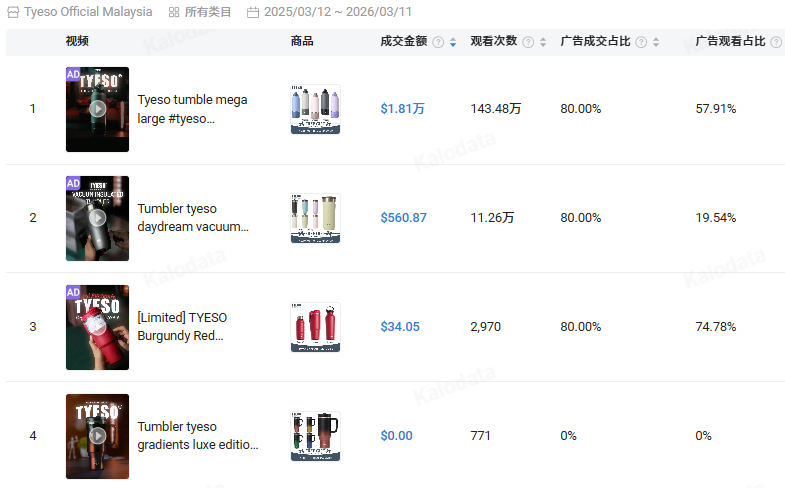
TikTok fenomeni @yakinlah.shop bunun iyi bir örneği. Sadece 22 bin takipçisi olmasına rağmen videoları neredeyse her zaman 10 binin üzerinde görüntüleme alıyor.
Bunlardan, oTyeso için oluşturduğu spor matarası tanıtım videosu toplamda neredeyse 1,5 milyon izlenmeye ulaştı ve sonuçta ürün tanıtım dönüşüm oranı, birçok milyon takipçili üst düzey fenomeni bile geçerek küçük ölçekli fenomenlerin düşük maliyetli yüksek dönüşüm avantajını mükemmel bir şekilde ortaya koydu.
Görsel kaynağı:kalodata
Yurtdışına açılmak için hiçbir zaman çok geç değildir.
Buraya kadar yazdıktan sonra,artık gerek yoktekrar özetlemeyeTyeso'nun tam olarak ne yaptığını. Çünkü onların taktiklerini kopyalamaktan daha önemli olan, bunun arkasındaki sinyali anlamaktır.
Çin'in tedarik zinciri avantajları her zaman vardı.,Ancak uzun bir süre boyunca, biz daha çokO "markanın arkasında gizlenen" kişi – biz üretiyoruz, başkaları markalıyor; biz işleme ücreti kazanıyoruz, başkaları marka primini kazanıyor.
Şimdi farklı.
TikTok gibi platformlar, özünde "dikkat" adlı kıt kaynağı yeniden dağıtıyor. Ve dikkatin akışı, artık tamamen büyük markaların bütçeleri tarafından tekelleştirilmiyor. Yerli işletmeler için budaBu, yurtdışına açılmanın eşiğinin düştüğü anlamına geliyor.。
Elbette, bu yurtdışına açılmanın kolay bir yol olduğu anlamına gelmez. Yerelleştirme operasyonu sabır gerektirir, fenomenlerle işbirliği uyum sağlamayı gerektirir, ürün inovasyonu sürekli yatırım gerektirir. Ama en azından, şu anki oyun kuralları daha fazla kişiye giriş fırsatı veriyor.