 2974
2974
مؤخرًا، مصباح صغير ملون من الصين أصبح مشهورًا في الخارج.
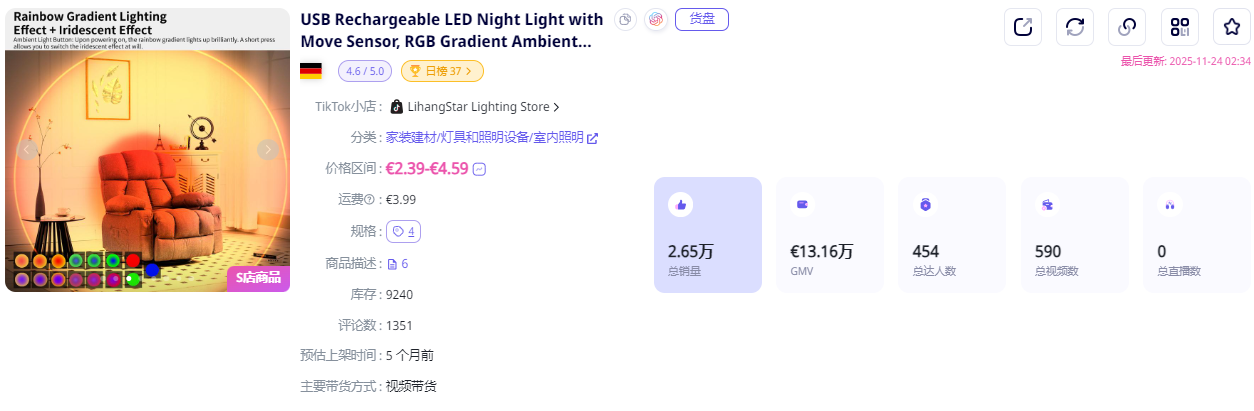
بدون دعم تقني عالي، وبدون تأييد علامة تجارية كبيرة، إنه مجرد مصباح أجواء صغير يبدو عاديًا، لكنهاخترق سوق ألمانيا في TikTok، وبعد 5 أشهر من الإدراج، باع 26,500 قطعة بإيرادات 131,600 يورو (حوالي 1,080,000 يوان صيني)، وساعد متجرًا جديدًا على الصعود مباشرة إلى المراكز الثلاثة الأولى في فئته.
قد تتساءل: أليس هذا مجرد مصباح؟ لماذا يهتم به الألمان بشغف؟
لا تتعجل، اليوم سنكشف لكم التفاصيل.
مصدر الصورة:echotik
مصباح صغير ملون، كيفأسر الألمان؟
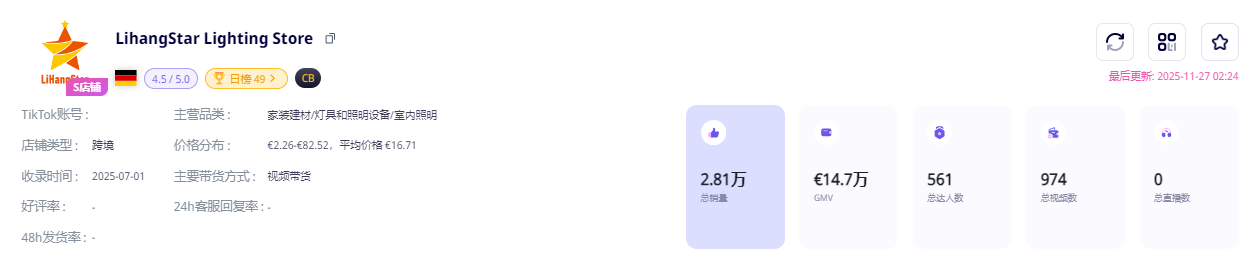
في ألمانياالذي اشتهر على TikTokهذاالمصباح الصغير الملون USB، من متجر إضاءة عبر الحدود ألماني على TikTok يُدعى LihangStar Lighting Store。
مصدر الصورة:echotik
حاليًا، هناك454 مؤثرًا يروجون لمصباح الأجواء هذا، ونشروا أكثر من 590 مقطع فيديو. معظم الفيديوهات ذات المبيعات الجيدة لها هيكل مماثل، إما ظهور المؤثرين لشرحه، أو عرض تأثير الإضاءة مباشرة. العرض البصري البسيط والواضح يتوافق تمامًا معTikTokمنطق انتشار منصات الفيديو القصيرة.
من بينها، الفيديو الذي حقق أعلى مبيعات في الترويج كان من المؤثرArmin Eagle، حيث باع مقطع فيديو واحد 3,200 قطعة!
مصدر الصورة:TikTok
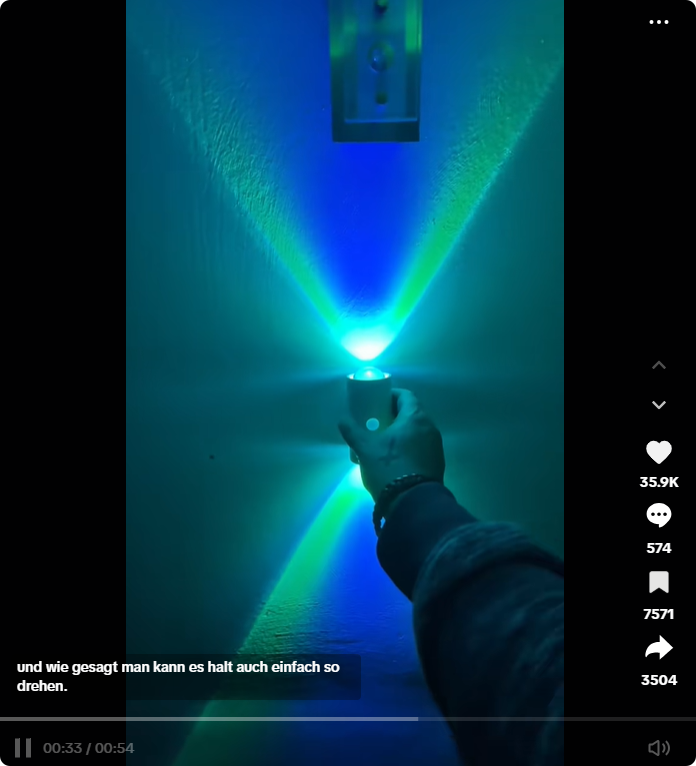
بالعودة إلى هذا المصباح الصغير الملون، مبدأه بسيط جدًا، فهو يعتمد على وظيفة الاستشعار بالأشعة تحت الحمراء، يضيء عند وجود شخص ويطفئ عند مغادرته، ويمكنه تغيير سبعة ألوان، ويعمل بالشحن.
بالنسبة لألمانيا التي تهتم بالأمان والنظافةالناس، بالنسبة لهذا النوعمنتج 'صفر عبء'يمكن القولأصاب الهدف المنشود.
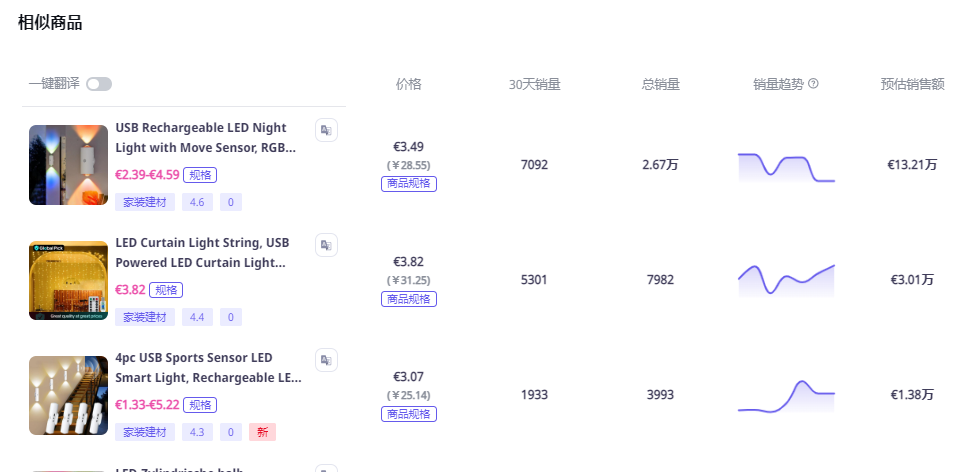
الأهم أن سعر هذا المصباح أقل من5 يورو، وهو فقط نصف سعر المنتجات المماثلة في المتاجر الألمانية. هذا النوع منعالٍ جدًانسبة السعر إلى الجودة تجعل المستهلكين لا يحتاجون تقريبًا إلى التردد لاتخاذ قرار الشراء.

مصدر الصورة:echotik
ربما يعتقد البعض أنه فيأن بيع 1.08 مليون في خمسة أشهر على TikTok ليس كثيرًا مقارنة بالمنتجات الرائجة التي تبيع ملايين في المنطقة الأمريكية وجنوب شرق آسيا.
لكن لا يمكن حساب الأمور بهذه الطريقة. بالنسبة لـموقع TikTok ألمانيا الجديد، هذا المصباح الصغير الملون هو بلا شك إشارة مشرقة.
إنه يثبت أنه طالمااختيار المنتج المناسب الذي يصيب الهدف، فإن اللاعبين الجدد لديهم فرصة كاملة للتميز بسرعة.
مصدر الصورة:echotik
التي تنير شتاء ألمانيا“دافئ ومريح”
اختيار المنتج، ماذا نختار؟ في النهاية، لا نختار الشيء نفسه، بل المستهلكين وراءه.
عليك أن تفهم الناس في مكان ما، ما يهتمون به في أعماقهم، وما اعتادوا عليه في الحياة. فهم هذه الأمور يحل نصف لغز المنتج الرائج.
أن يصبح هذا المصباح الصغير الملون رائجًا في ألمانيا هو مثال جيد.
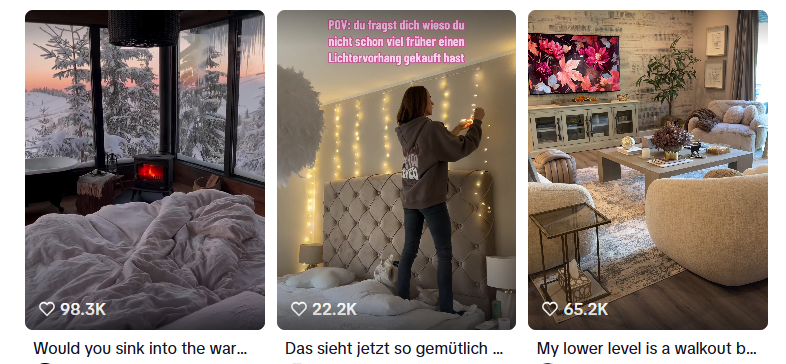
إنه يصيب بدقة مفهوم الحياة الذي يقدره الألمان بشدة——“Gemütlichkeit”。هذه الكلمة ليست سهلة الترجمة حرفيًا، لكن يمكنك فهمها على أنها نوع من“أجواء دافئة ومريحة”。
في هذه اللحظة،الضوء، في نظرهم، ليس مجرد أداة إضاءة،بلهو روح خلق أجواء المنزل.
المصدر:TikTok
في الوقت نفسه،العادات الثقافيةأيضًاأثرت بشكل مباشر على سلوكهم الاستهلاكي.
منذبدءًا من نهاية أكتوبر، يبدأ الألمان في الاستعداد لعيد الميلاد، وزينة الشوارع، وأضواء الشموع في المنازل، وسلاسل الأضواء الدافئة في واجهات المحلات، تصبح البلاد بأكملها أكثر إشراقًا شيئًا فشيئًا.
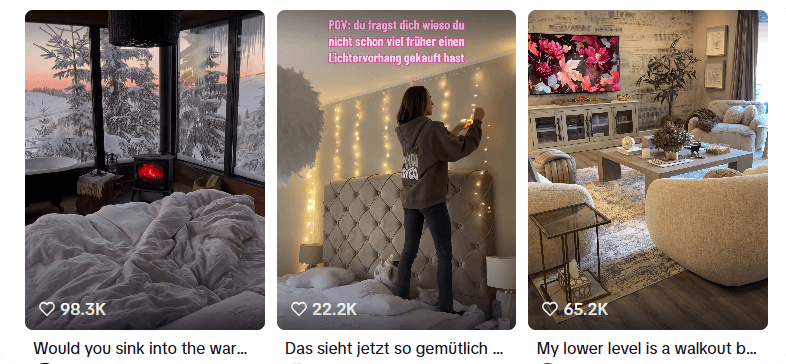
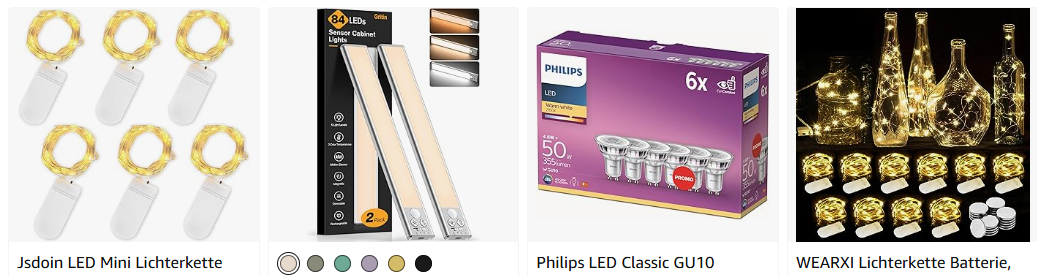
لذلك،مختلف“أضواء الأجواء”أصبحتقبل عيد الميلادألمانياواحدة من أكثر المنتجات مبيعًا.هذهالأضواء الصغيرة الملونة USBلقد توافقت تمامًا مع هذه النقاط، وأصبحت منتجًا رائجًا.
المصدر:Amazon
من النقطة إلى السطح: الموجة العالمية لاستهلاك القيمة العاطفية
رواج الأضواء الصغيرة الملونة،في الواقع أيضًايعكسعنقدصناعة الإضاءةاتجاه استهلاكي أكبر:المستهلكون ينتقلون من الاستهلاك الوظيفي إلى الاستهلاك العاطفي。
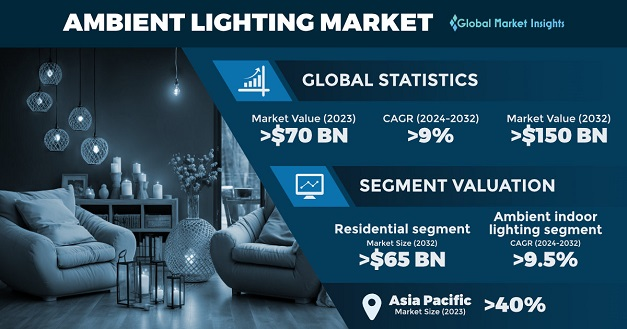
وفقًا للبيانات،سوق الإضاءة الجوية العالمية ينمو بسرعة،تُقدر قيمته بأكثر من 70 مليار دولار في 2023، ومن المتوقع أن يصل إلى حوالي 150 مليار دولار بحلول 2032، بمعدل نمو سنوي مركب يبلغ حوالي 9%.
يدل على أن الناس لم يعودوا فقط لـ“الرؤية الواضحة” شراء المصباح،بليهتمون أكثر بالإحساس.
مصدر الصورة:gminsights
إذا وجهنا نظرنا إلى سوق أوسع، سنجد منتجات مماثلةمنتجات “القيمة العاطفية” تكتسب شعبية عالميًا.
في الولايات المتحدة، سجلت منتجات مثل مصباح الإسقاط المائي ومصباح أجواء الغروب أرقام مبيعات تصل إلى عشرات الآلاف من القطع في متجر واحد؛ وفي موسم الكريسماس، حقق رجل ثلج بلاستيكي مصمم بذكاء، بفضل الطقوس الاحتفالية التي يوفرها، مبيعات تجاوزت في يوم واحدانفجار مبيعات 3000 قطعة.
جميعها تؤكد معًا اتجاه الاستهلاك العاطفي—— من الاستهلاك العقلاني إلى الاستهلاك العاطفي.

مصدر الصورة:TikTok
خاتمة
من قصة هذا المصباح الملون الصغير، يمكننا أن نرى بوضوح أن المنافسة في التجارة الإلكترونية عبر الحدود قد دخلت مرحلة جديدة.
سلسلة التوريد الصينية قوية جدًا لدرجة أن أي منتج يمكن أن يظهر له مقلد بسرعة. عندما تكون الوظائف والمظهر متشابهة، بماذا ستفوز؟ بتخفيض السعر؟ هذا سيؤدي فقط إلى المنافسة الداخلية اللانهائية.
لذلك، ربما يكون المخرج الأفضل هوربط القيمة العاطفية بالمنتج بعمق,لتزويد المستهلكينعلامة تجارية لا يمكن تكرارهابالدفء.
ما رأيك؟