
 2220
2220"تأتي وتذهب كما تشاء" — قصة عملاق التجارة الإلكترونية العالمي أمازون والسوق الإسرائيلي تشهد تطورات جديدة مؤخرًا. وفقًا لتقارير إعلامية، يعيد أمازون بهدوء ترتيب أعماله في إسرائيل، حيث عيّن بسرعة رئيسًا للفرع الإسرائيلي، وبدأ في تجنيد الكوادر، كما أجرى محادثات مكثفة مع البائعين المحليين لاستكشاف السوق.
ليست هذه المرة الأولى التي يدخل فيها أمازون السوق الإسرائيلي، واليوم، يعود أمازون بقوة، وقد تغيرت بيئة السوق، لكن التحديات لا تزال قائمة. هل سينجح أمازون هذه المرة؟ دعونا نلقي نظرة على دروس فشله السابقة والاستراتيجيات الجديدة المحتملة.
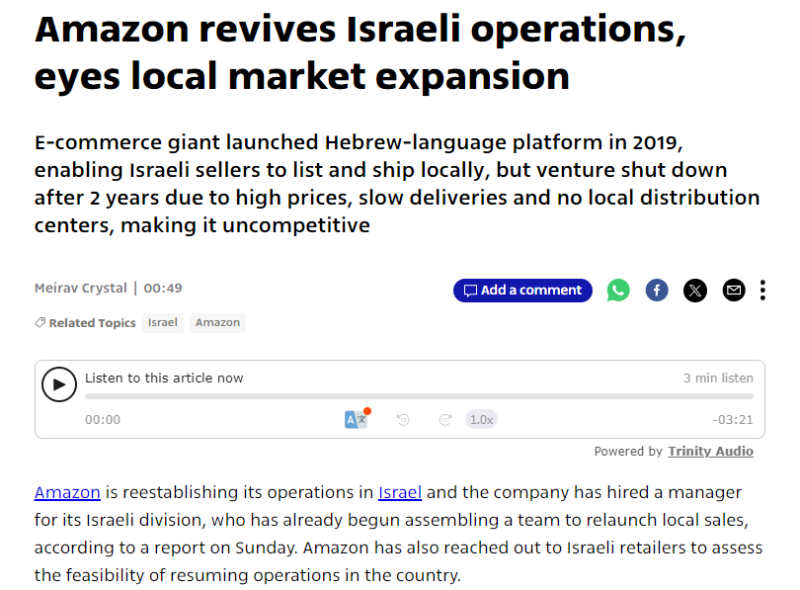
المصدر: Ynetnews
بالعودة إلى عام 2019، دخل أمازون السوق الإسرائيلي بشكل كبير، وأطلق موقعًا إلكترونيًا كاملًا باللغة العبرية، وفتح الأبواب أمام البائعين المحليين. كانت القواعد بسيطة في ذلك الوقت: يدير البائعون مخزونهم بأنفسهم ويقومون بالشحن (نموذج FBM)، وتحصل أمازون على عمولة 8%. على السطح، بدا هذا وكأنه وضع مربح للجانبين — حيث يمكن للشركات الصغيرة والمتوسطة الإسرائيلية الاستفادة من حركة مرور أمازون، ويحصل المستهلكون على قناة تسوق إضافية، بينما يختبر أمازون سوقًا جديدة بنموذج أصول خفيفة.
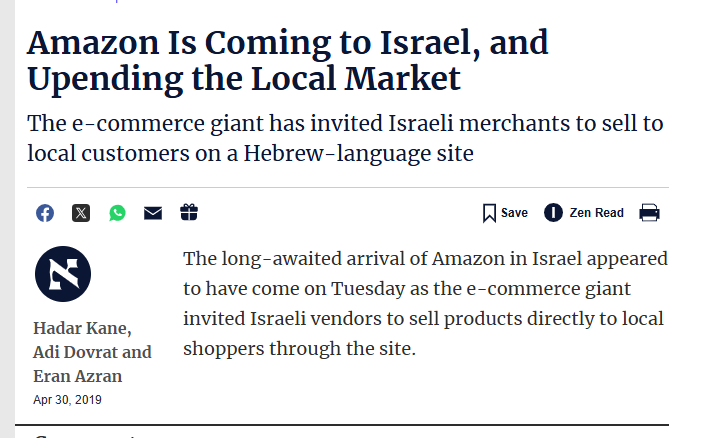
تقرير عن دخول أمازون السوق الإسرائيلي عام 2019 المصدر: haaretz
لكن الواقع سرعان ما ألقى ماءً باردًا:
حرب الأسعار "استسلمت": بدون مستودعات محلية، يتم شحن جميع السلع من قبل البائعين أنفسهم، مما يجعل تكاليف الخدمات اللوجستية مرتفعة للغاية. نفس السلعة، سعر أمازون أغلى بنسبة 20%-30% من منصات التجارة الإلكترونية المحلية مثل Yango (المعروفة سابقًا باسم Yandex.Market) أو Tradedoubler.
التوصيل أصبح "بطيئًا": اعتاد المستهلكون الإسرائيليون على "التوصيل في نفس اليوم" من المنصات المحلية، بينما تستغرق فترة توصيل أمازون عادةً 3-5 أيام، وقد تصل إلى أكثر من أسبوع في أيام العطل.
الجائحة كالضربة القاضية: في عام 2020، تسببت الفوضى في سلسلة التوريد العالمية في تفاقم الخدمات اللوجستية العابرة للحدود الهشة بالفعل، ولم يتمكن أمازون حتى من الحفاظ على "تجربة أساسية"، مما أدى في النهاية إلى إغلاق أعماله المحلية في عام 2021.
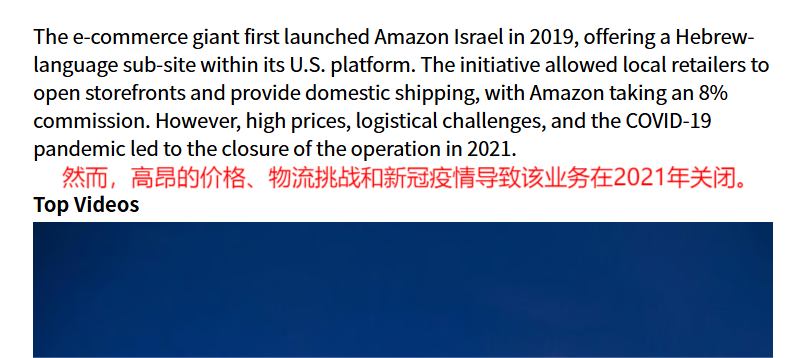
المصدر: Ynetnews
على الرغم من إغلاق أعماله المحلية في إسرائيل، لا يزال أمازون يحافظ على نفوذه في إسرائيل من خلال التجارة الإلكترونية عبر الحدود. أطلق خدمة "الشحن المباشر من الولايات المتحدة إلى إسرائيل"، حيث يمكن للطلبات التي تزيد قيمتها عن 65 دولارًا الاستفادة من الشحن المجاني. وقد لاقت هذه السياسة ترحيبًا من المستهلكين، خاصة أولئك الذين يحتاجون إلى علامات تجارية دولية.
ومع ذلك، على الرغم من أن هذا النموذج مفيد للمستهلكين، إلا أنه لا يقدم مساعدة جوهرية للبائعين المحليين، الذين ما زالوا يفتقرون إلى منصة لبيع منتجاتهم بكفاءة. لذلك، ليس من المستغرب أن يعيد أمازون النظر في استئناف أعماله في إسرائيل.
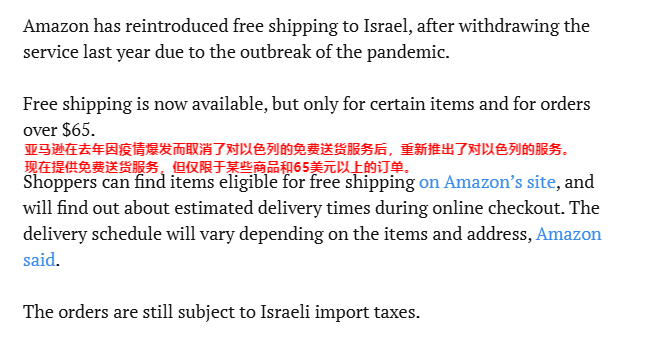
المصدر: timesofisrael.com
اليوم، يحاول أمازون مرة أخرى دخول السوق الإسرائيلي، ولكن ما إذا كان سيتبع النموذج السابق أم سيجري تعديلات تتناسب مع السوق المحلية، أصبح محط اهتمام. من التجارب السابقة، إذا أراد أمازون النجاح في السوق الإسرائيلي، يجب عليه إجراء تغييرات في عدة جوانب رئيسية.
أولاً، قد يحتاج إلى النظر في إنشاء مراكز تخزين وتوزيع محلية لتحسين الكفاءة اللوجستية وتقليل تكاليف الشحن للبائعين والمستهلكين. بعد كل شيء، تحدد القدرة التنافسية اللوجستية تجربة التسوق للمستهلكين بشكل مباشر، وقد اعتاد المستهلكون الإسرائيليون على خدمات التوصيل السريع التي تقدمها التجارة الإلكترونية المحلية. إذا استمر أمازون في الاعتماد فقط على شحن البائعين بأنفسهم، فمن الصعب الفوز في السوق.
ثانيًا، يحتاج أمازون إلى تحسين استراتيجية التسعير الخاصة به. السوق الإسرائيلي لا يخلو من المنافسين، فقد أنشأت منصات التجارة الإلكترونية المحلية مثل Shufersal وAzrieli وP1000 قواعد عملاء مستقرة، بينما تتوسع منصات دولية مثل AliExpress وTemu بسرعة في إسرائيل.

الصورة من الإنترنت
إذا استمر أمازون في الحفاظ على نسبة عمولة 8% وترك البائعين يتحملون تكاليف لوجستية مرتفعة بأنفسهم، فإن ميزته السعرية لن تكون واضحة، وسيظل المستهلكون يفضلون المنافسين الأرخص.
لذلك، إذا أراد أمازون العودة إلى السوق، فقد يحتاج إلى تعديل نموذج العمولة، أو حتى اعتماد استراتيجيات ترويجية أكثر تنافسية لجذب البائعين وتحفيز عودة المستهلكين.
بالطبع، على الرغم من أن سوق التجارة الإلكترونية الإسرائيلية شهدت تطورًا سريعًا في السنوات الأخيرة، إلا أنها لا تزال أصغر مقارنة بأسواق أوروبا وأمريكا، وهو أحد الأسباب التي جعلت أمازون يستثمر بشكل محدود في إسرائيل في الماضي.

الصورة من الإنترنت
بشكل عام، عودة أمازون إلى السوق الإسرائيلي هذه المرة تستند بلا شك إلى اعتبارات إمكانات نمو التجارة الإلكترونية في إسرائيل. بعد الجائحة، اعتاد المزيد من المستهلكين الإسرائيليين على التسوق عبر الإنترنت، ولا يزال أمازون يتمتع بقوة علامة تجارية قوية ومزايا في سلسلة التوريد. لكن النجاح يعتمد في النهاية على ما إذا كان يمكنه التكيف حقًا مع خصوصية السوق الإسرائيلي وإجراء تعديلات فعالة بناءً على تجارب الفشل السابقة. بالنسبة للبائعين والمستهلكين المحليين، قد يجلب عودة أمازون المزيد من الخيارات، وقد يشعل عاصفة تنافسية جديدة في صناعة التجارة الإلكترونية المحلية.