 1910
1910من يتابع الأخبار مؤخرًا قد لاحظ أن TikTok يقوم مرة أخرى بحركة كبيرة في جنوب شرق آسيا!
هذه المرة، يستثمرون مباشرة300 مليار بات تايلاندي (حوالي 8.8 مليار دولار أمريكي) على مدى خمس سنوات، بهدف مساعدة تايلاند في بناء البنية التحتية الرقمية، وتدريب الكوادر التقنية، والترويج للمنتجات المحلية والثقافة.
بهذا الحجم، يمكن القول إنهم يهدفون إلى جعل تايلاند "المركز الرقمي" في جنوب شرق آسيا.
لكن، لماذا أصبح TikTok مهتمًا بتايلاند فجأة؟ دعنا نلقي نظرة على البيانات أولاً.
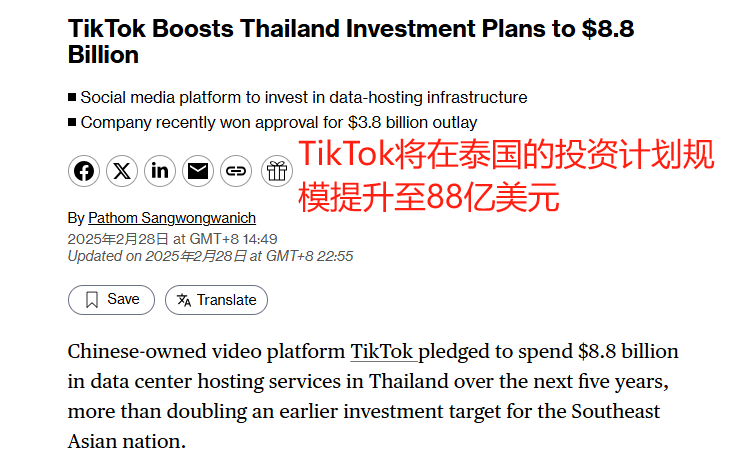
TikTok يعلن استثمار 8.8 مليار دولار في تايلاند المصدر: bloomberg
إجمالي قيمة البضائع في تايلاند يتصدر جنوب شرق آسيا، وعدد المستخدمين يتجاوز 50 مليونًا
على الرغم من أن مساحة تايلاند ليست كبيرة، إلا أنها تعتبر "العمود الفقري" في خريطة TikTok لجنوب شرق آسيا.
تظهر أحدث البيانات أن إجمالي قيمة البضائع السنوية لـ TikTok Shop في جنوب شرق آسيا قد وصل إلى21 مليار دولار أمريكي، حيث ساهم موقع تايلاند وحده بـ5 إلى 6 مليارات دولار أمريكي، ليحتل المركز الأول مباشرة.
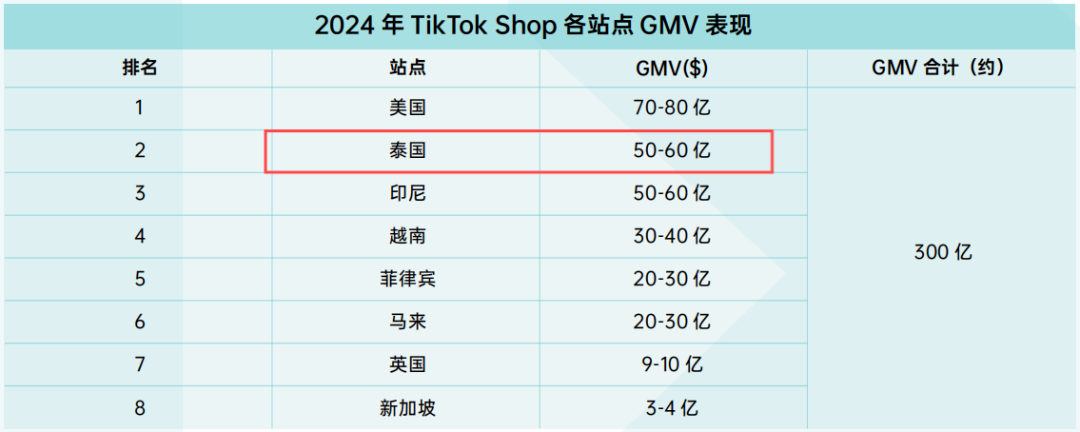
أداء إجمالي قيمة البضائع لمواقع TikTok Shop في 2024 المصدر: TT123
والأكثر إثارة للدهشة، أن عدد مستخدمي TikTok في تايلاند قد وصل إلى50 مليونًا، مع العلم أن إجمالي سكان تايلاند يزيد قليلاً عن 70 مليونًا، وهذا الانتشار غير عادي بالتأكيد.
يمكن القول إن حماس التايلانديين لتصفح TikTok قد يكون أقوى من حماسنا لتصفح Douyin. الشباب يحبون قضاء الوقت في مشاهدة مقاطع الفيديو القصيرة والبث المباشر للتسوق على المنصة، بالإضافة إلى أن سوق التجارة الإلكترونية في تايلاند لا يزال في مرحلة نمو سريع، لذا فإن استثمار TikTok الآن يهدف بوضوح إلى "الاستحواذ الكامل على هذه الفريسة".
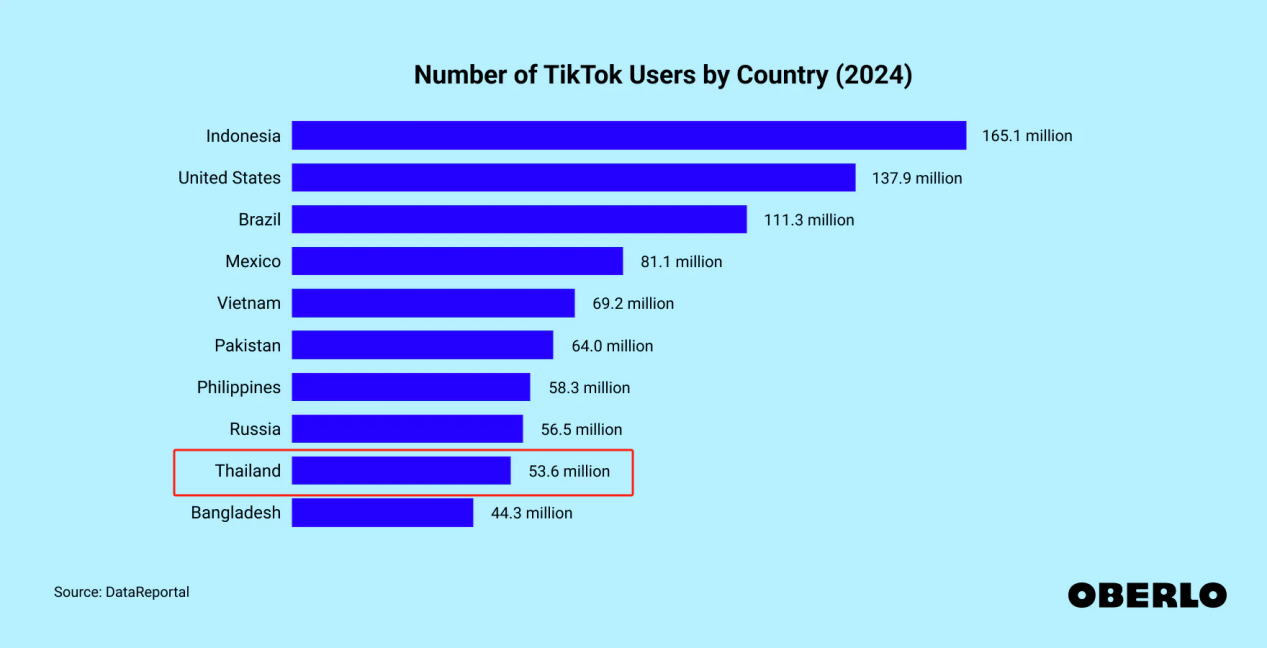
مستخدمو TikTok في تايلاند تجاوزوا 50 مليونًا المصدر: Oberlo
الاستثمار ليس عشوائيًا، فأين تذهب هذه الأموال؟
قد يعتقد البعض أن 8.8 مليار دولار رقم فلكي، لكن خطة TikTok هذه عملية جدًا. تنقسم الأموال إلى ثلاثة أقسام رئيسية:بناء البنية التحتية، وتدريب الكوادر، وتعزيز الأمان.
أولاً، البنية التحتية. قدرات الحوسبة السحابية في تايلاند ليست من بين الأفضل في جنوب شرق آسيا، وTikTok تخطط لتحسين قدرات معالجة البيانات محليًا، لجعل المنصة تعمل بشكل أسرع وتحميل الفيديو دون تقطيع. ثم الأمان السيبراني، حيث يعتبر الاحتيال عبر الهاتف مشكلة مزمنة في جنوب شرق آسيا، وTikTok ستتعاون مع الحكومة التايلاندية لتطوير تقنيات مكافحة الاحتيال، ومكافحة الأخبار المزيفة أيضًا، وهذه الخطوة تكسب السمعة وتنظف المنصة في نفس الوقت، فائدة مزدوجة.
تدريب الكوادر هو الأكثر عملية. تايلاند تعاني من نقص في الكوادر التقنية الرقمية، وTikTok تفتح دورات تدريبية مباشرة لتعليم المحليين كيفية صنع مقاطع الفيديو القصيرة والبث المباشر، وحتى كيفية استخدام أدوات الذكاء الاصطناعي. تشبه هذه العملية ما فعلته شركات الإنترنت في الصين سابقًا عندما نزلت إلى القرى لتعليم كبار السن استخدام الهواتف، لكن هذه المرة تستهدف "الجيل Z" في جنوب شرق آسيا.

المصدر: الإنترنت
سوق الولايات المتحدة غير مستقر، وجنوب شرق آسيا أصبح "الخطة البديلة"؟
عند هذه النقطة، قد يتساءل البعض: لماذا أصبح TikTok مهتمًا جدًا بجنوب شرق آسيا فجأة؟
قد تكون الإجابة مخبأة في سوق آخر —الولايات المتحدة.
في بداية العام، حدد TikTok لفريق التجارة الإلكترونية هدفًا لمضاعفة إجمالي قيمة البضائع بحلول 2025، حيث يجب أن يصل معدل نمو السوق الأمريكية إلى 200%.
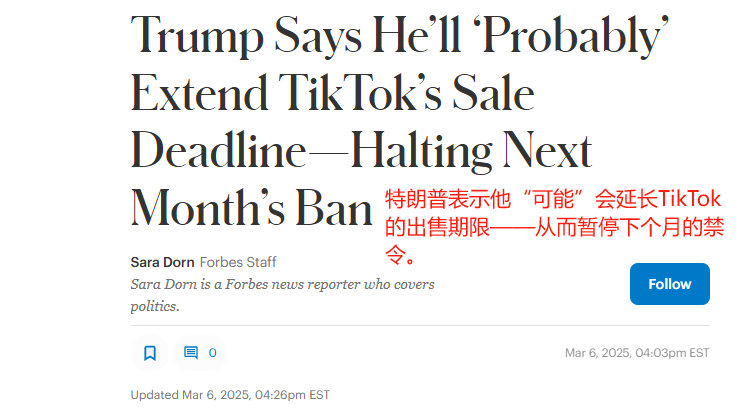
لكن الواقع قاسٍ، فالسياسات الأمريكية تتغير باستمرار، وتهدد بالحظر بين الحين والآخر، مما يجعل TikTok في حالة قلق. في هذه الأثناء، اعتبار جنوب شرق آسيا كخيار بديل يمكن أن يوزع المخاطر، ويحتل سوقًا سريع النمو مسبقًا، فائدة مزدوجة.
المصدر: forbes
علاوة على ذلك، أساس جنوب شرق آسيا قوي بالفعل. من بين 700 مليون نسمة، أكثر من نصفهم من الشباب تحت سن 35، و63% من الجيل Z مدمنون على وسائل التواصل الاجتماعي.
هؤلاء الأشخاص لديهم عادات تصفح مقاطع الفيديو القصيرة ومشاهدة البث المباشر للشراء، تشبه تمامًا الجيلين 90 و00 في الصين. TikTok بنسخ نموذج"مقاطع الفيديو القصيرة + البث المباشر للتسوق" الذي يعمل في الصين، لا يحتاج إلى تعديلات كثيرة، ويمكنه بسرعة ترسيخ موطئ قدم في سوق جنوب شرق آسيا وتحقيق العائد التجاري.

المصدر: الإنترنت
خمس سنوات قادمة، قد يتغير نمط حياة جنوب شرق آسيا
هذه الخطوة من TikTok، ظاهريًا هي تخطيط تجاري، لكن خلفها تكمن "طموحات" أكبر.
بمجرد أن تنهض البنية التحتية الرقمية في تايلاند، قد تؤدي إلى ترقية صناعية في جميع أنحاء جنوب شرق آسيا. على سبيل المثال، بعد تحسين قدرات الحوسبة السحابية، قد تذهب المزيد من شركات الذكاء الاصطناعي لإنشاء مراكز بيانات هناك؛ وعندما تنضج تقنيات الأمان السيبراني، ستستفيد صناعات مثل التكنولوجيا المالية والمدفوعات عبر الحدود أيضًا. ببساطة، TikTok تضع الأساس لنظامها البيئي المستقبلي في جنوب شرق آسيا.
لكن، بالعودة إلى الموضوع، ما إذا كان 8.8 مليار دولار سيحدث تأثيرًا كبيرًا، يعتمد على قدرة TikTok على التعامل مع "العقبات الناعمة" مثل السياسات المحلية والثقافة. فسوق جنوب شرق آسيا معقد ومتنوع، والاستثمار الرأسمالي وحده لا يكفي، بل كيفية الاندماج في الثقافة المحلية والتكيف مع البيئة السياسية هي المفتاح لتحديد النجاح أو الفشل.