 2354
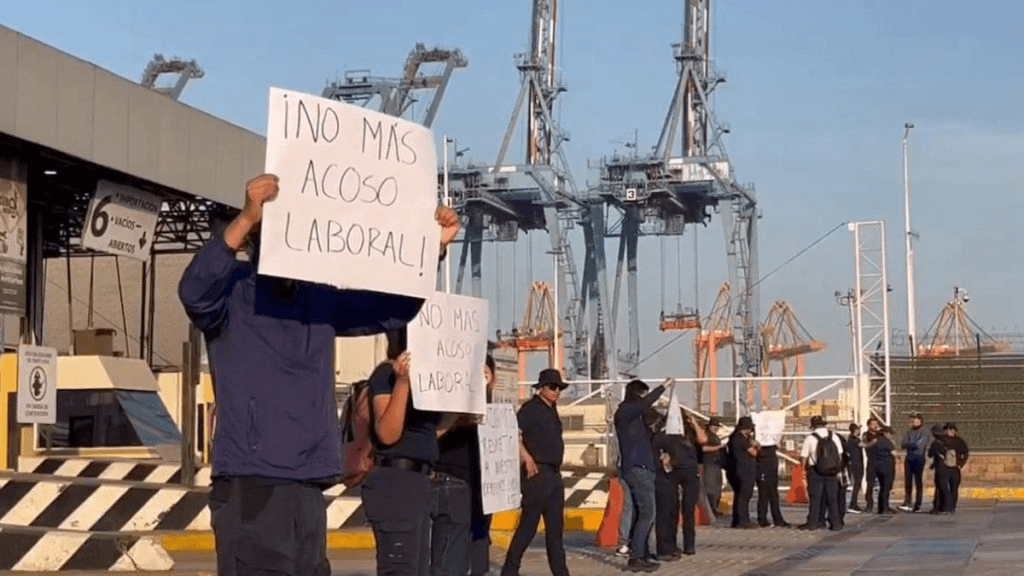
2354في أحدث التطورات، اندلع إضراب لعمال الجمارك في ميناء مانزانيلو في المكسيك، مما أدى إلى انخفاض حاد في كفاءة التخليص الجمركي وتراكم كميات كبيرة من البضائع. هذا الميناء، وهو أحد أكثر الموانئ ازدحامًا على ساحل المحيط الهادئ في المكسيك، يواجه حاليًا انقطاعًا كاملاً في الخدمات اللوجستية منذ بداية هذا الأسبوع، حيث يتعطل أكثر من 5000 شاحنة يوميًا وتتراكم آلاف الأطنان من البضائع في منطقة الميناء.
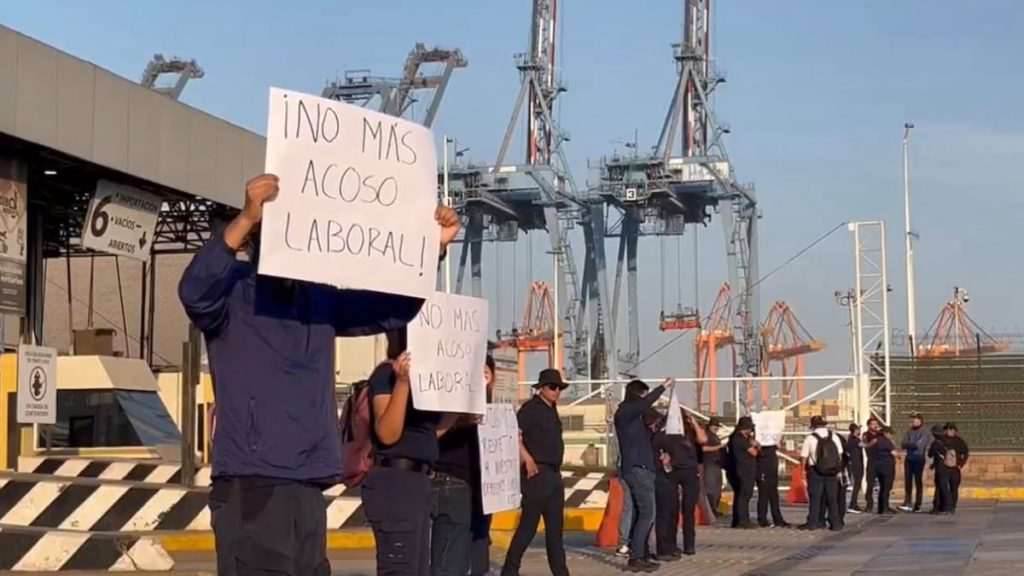
مشهد الإضراب في ميناء مانزانيلو المصدر: caribe peninsular
بدأ هذا الإضراب من قبل ما يقرب من مائة من عمال الجمارك، الذين ارتدوا ملابس سوداء ورفعوا لافتات احتجاجًا في الممرات الحيوية للميناء، مطالبين بتحسين ظروف العمل. وفقًا للشعارات في الموقع، يبلغ متوسط نوبة العمل اليومية في وظائف الجمارك في مانزانيلو أكثر من 12 ساعة، ويُجبر الموظفون الذين يرفضون الامتثال للشروط على الاستقالة. ويقول المضربون إنهم سيواصلون إغلاق الميناء إلى أجل غير مسمى إذا لم يتم تلبية مطالبهم.
حتى وقت كتابة هذا التقرير، لا يزال الإضراب مستمرًا. يحذر خبراء الصناعة من أنه على الرغم من أن الميناء لم يُغلق بالكامل، إلا أن تدفق الخدمات اللوجستية قد تأثر بشكل كبير. يواجه البائعون عبر الحدود وشركات الشحن التي تعتمد على هذا الميناء صعوبات، مع زيادة حادة في مخاطر تأخير تسليم البضائع.
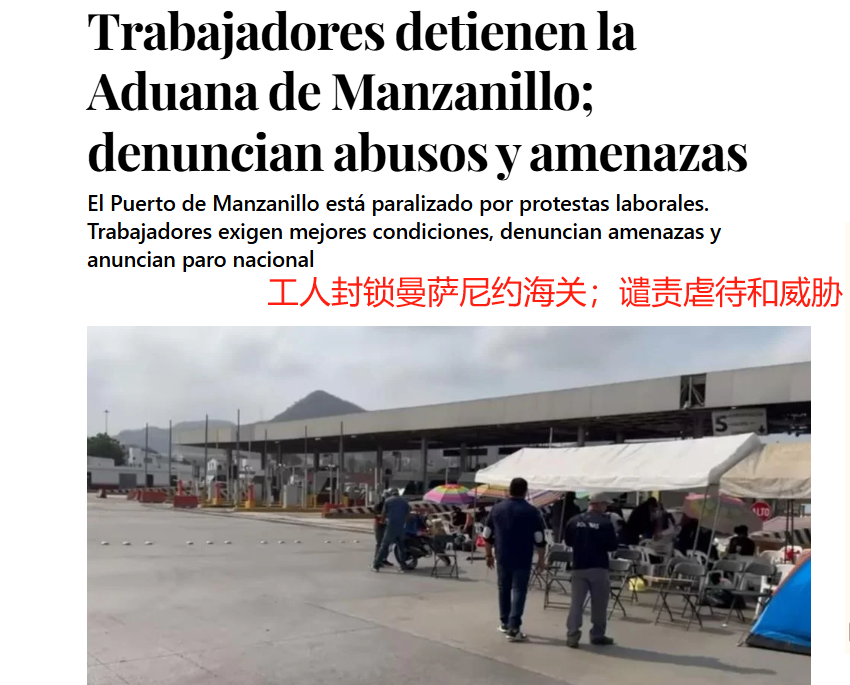
العمال أغلقوا جمارك مانزانيلو المصدر: lasillarota
ولم تقتصر المشاكل على ذلك، بل تشهد الموانئ المكسيكية حاليًا عمليات تفتيش واسعة النطاق. فقد تم تمديد عملية التفتيش في ميناء مانزانيلو، التي كان من المقرر أن تنتهي في 18 مايو، بسبب الإضراب؛ بينما أعلن ميناء لازارو عن تشديد عمليات التفتيش على البضائع المستوردة والمصدرة اعتبارًا من 20 مايو. وهذا يعني أنه حتى بعد انتهاء الإضراب، سيستغرق استعادة كفاءة التخليص الجمركي بعض الوقت، ويجب على البائعين الاستعداد لتأخيرات طويلة الأمد.
هذه الحادثة ليست معزولة. ففي نهاية العام الماضي، شهدت 36 ميناءً على الساحل الشرقي للولايات المتحدة وخليج المكسيك إضرابًا كبيرًا بسبب نزاعات عمالية، شمل 45 ألف موظف، وأثر على حوالي 45% إلى 49% من البضائع المستوردة إلى الولايات المتحدة. وأشار تحليل لشركة Sea-Intelligence الاستشارية للشحن إلى أنه حتى لو استمر الإضراب يومًا واحدًا فقط، فقد يؤدي تراكم البضائع إلى تأخير لمدة 4-5 أيام؛ وإذا استمر لفترة أطول، فقد لا تعود سلسلة التوريد إلى طبيعتها حتى عام 2025.
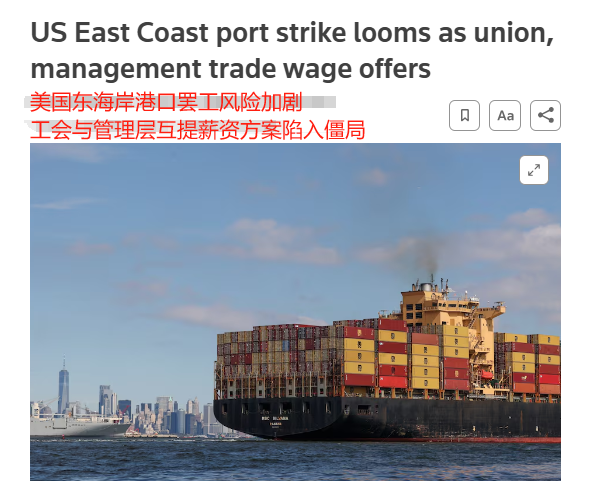
إضراب 45 ألف عامل في موانئ الساحل الشرقي للولايات المتحدة المصدر: رويترز
بالإضافة إلى الإضرابات، تشكل الكوارث غير المتوقعة أيضًا تهديدًا للخدمات اللوجستية. ففي أبريل 2025، اندلع حريق كبير في ميناء شهيد رجائي في إيران بسبب انفجار كيميائي، مما أدى إلى تدمير أكثر من 10 آلاف حاوية. وباعتباره أكبر ميناء للحاويات في إيران، تسبب هذا الحادث في عرقلة شديدة للتجارة اللوجستية المحلية.
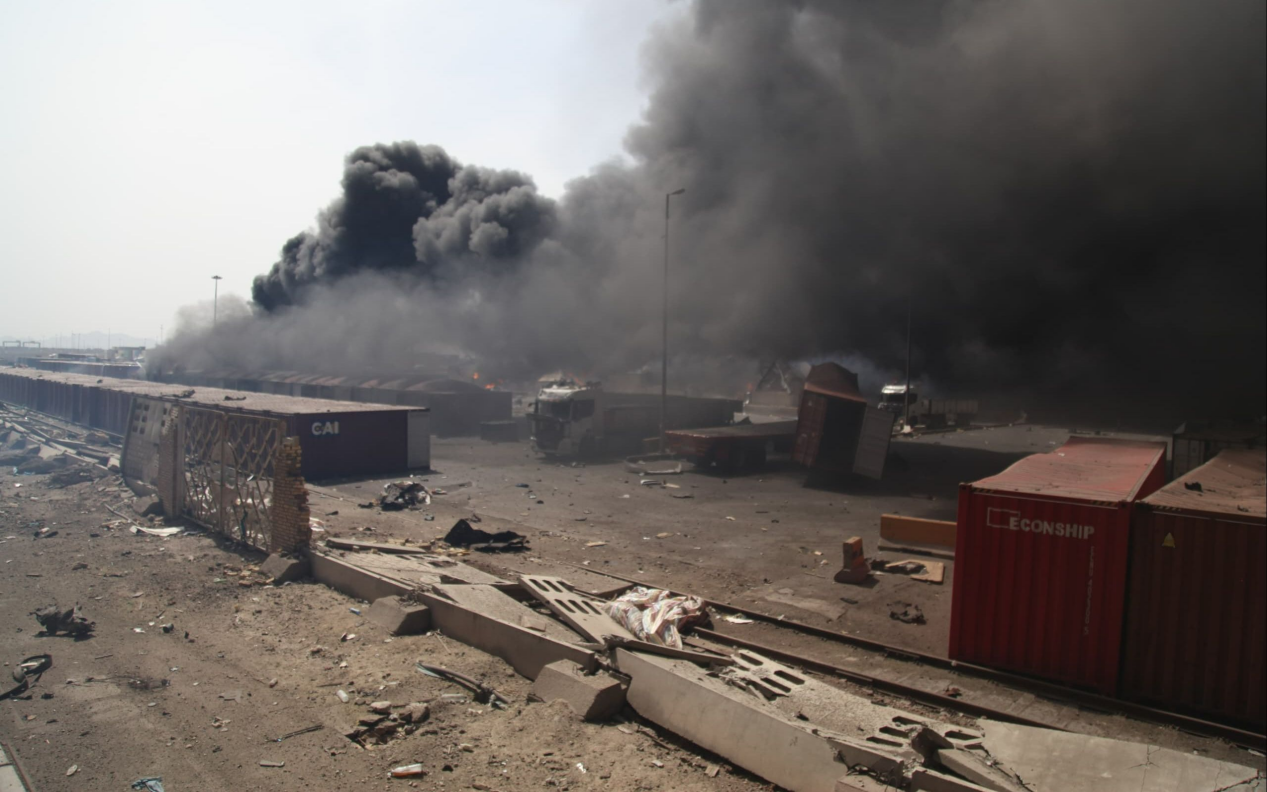
مشهد الانفجار في ميناء شهيد رجائي الإيراني المصدر: وكالة أنباء شينخوا
إذن، في مواجهة عدم اليقين في الخدمات اللوجستية عبر الحدود، يحتاج البائعون إلى وضع خطط طوارئ مسبقًا:
1. تنويع القنوات: تجنب الاعتماد المفرط على ميناء أو خط شحن واحد، وتوزيع مخاطر النقل، على سبيل المثال عن طريق تحويل البضائع عبر ميناء لازارو في المكسيك أو موانئ الساحل الغربي للولايات المتحدة.
2. تعزيز التواصل والمراقبة: الحفاظ على اتصال وثيق مع وكلاء الشحن، ومتابعة حالة البضائع في الوقت الفعلي، وتعديل الخطط اللوجستية حسب الحاجة.
3. التخزين المسبق في المستودعات الخارجية: تخزين البضائع في مستودعات خارجية قبل مواسم الذروة، لتقليل الاعتماد على التخليص الجمركي الفوري في الموانئ وتقصير دورة التسليم.
4. التأمين لتقليل الخسائر: شراء تأمين للبضائع عالية القيمة لمواجهة مخاطر التأخير أو التلف أو الفقدان المحتملة.
لم ينته إضراب ميناء مانزانيلو بعد، ولا يمكن لأحد التنبؤ بالتطورات اللاحقة. لكن المؤكد هو أنه في نظام سلسلة التوريد العالمية، أي مشكلة في أي حلقة ستؤدي إلى تأثيرات متسلسلة. ما يمكن للتجار العابرين للحدود فعله الآن هو مراقبة حركة البضائع عن كثب، ووضع خطط طوارئ، وعدم الانتظار حتى تخلو الرفوف ليشعروا بالقلق.