 1829
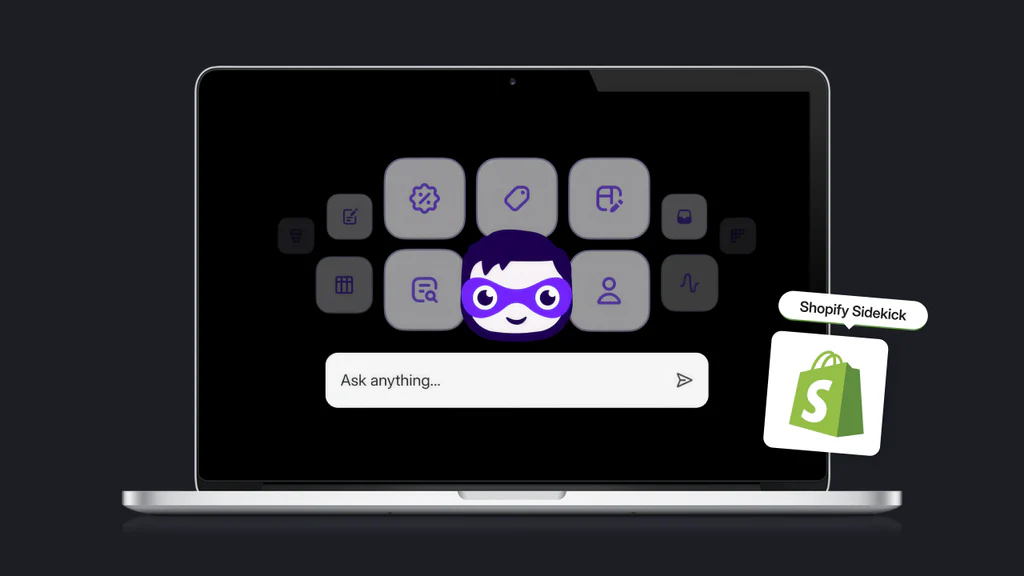
1829في الآونة الأخيرة، شهد المساعد التجاري الذكي Sidekick من Shopify تطورًا جديدًا وترقية كبيرة. تمت إضافة ميزات التفكير متعدد الخطوات وتوليد الصور، مما يوفر للتجار دعمًا تشغيليًا أكثر ذكاءً وسهولة. تعزز هذه الترقية من فائدة Sidekick، مما يشير إلى أن تطبيقات الذكاء الاصطناعي في مجال التجارة الإلكترونية تدخل مرحلة جديدة.

المصدر: Google
من تحليل البيانات إلى الإبداع البصري، تمكين شامل للتجار
يكمن جوهر ترقية Shopify Sidekick في توسع عمق واتساع وظائفها. إضافة قدرة التفكير متعدد الخطوات تمكن Sidekick من مساعدة التجار في حل المشكلات المعقدة مثل مستشار أعمال ذي خبرة.
عندما تنخفض مبيعات المتجر، لم يعد Sidekick مقتصرًا على تقديم تقارير بيانات بسيطة، بل يمكنه تحليل بيانات متعددة الأبعاد مثل مستويات المخزون، وفعالية الحملات التسويقية، وأنماط سلوك العملاء، لاستخلاص جذور المشكلة وتقديم توصيات حلول محددة، مثل تعديل استراتيجيات الإعلانات، أو تحسين تسعير المنتجات، أو تصفية المخزون الراكد.


المصدر: Google
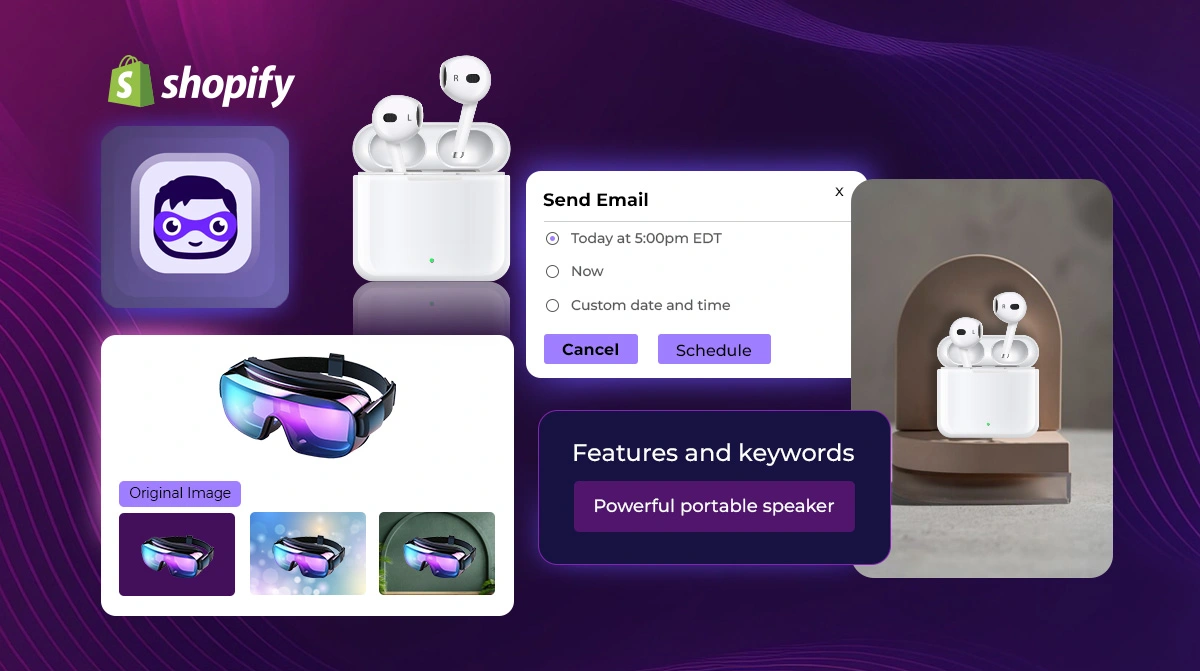
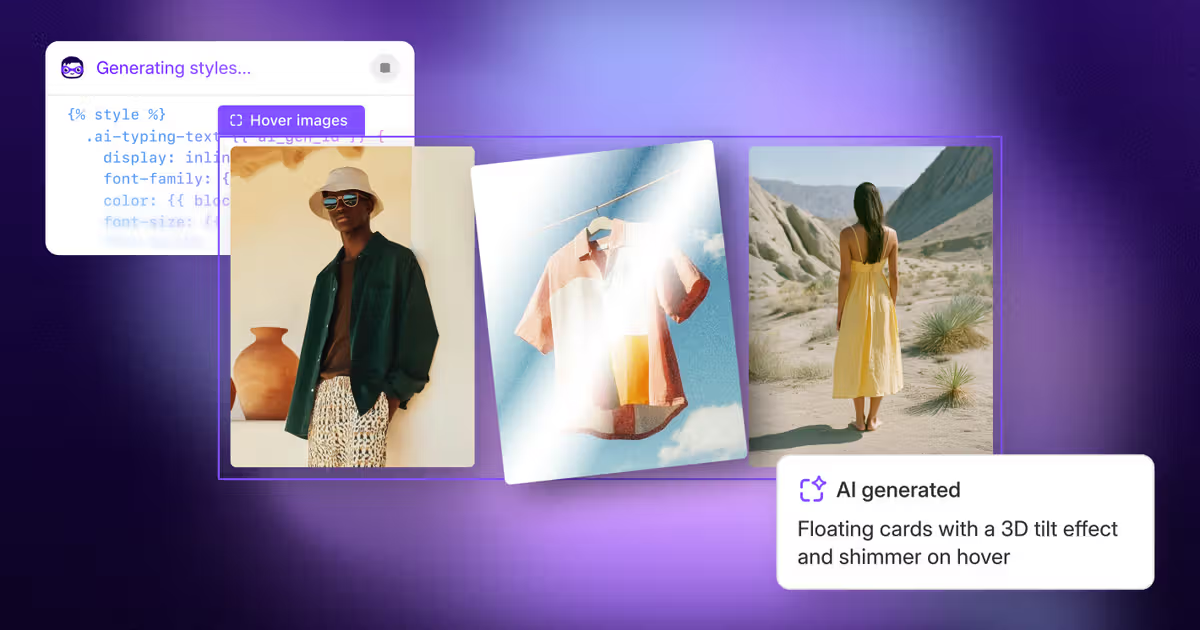
إضافة ميزة توليد الصور تسد الفجوة في احتياجات التجار لإنشاء المحتوى البصري.只需 إدخال وصف نصي بسيط، يمكن لـ Sidekick توليد صور رئيسية عالية الجودة للمنتجات، أو لافتات تسويقية، أو رسوم توضيحية للمدونات. يوفر ذلك وقت وتكاليف البحث عن مصممين أو تعلم برامج التصميم الاحترافية، ويساعد التجار على اختبار أنماط بصرية مختلفة بسرعة للعثور على الحلول الإبداعية الأكثر جذبًا للجمهور المستهدف.

المصدر: Google
تحسين الكفاءة وخفض التكاليف، لكن التحديات لا تزال قائمة
لا شك أن ترقية Sidekick ستجلب تحسينًا ملحوظًا في الكفاءة وخفض التكاليف للتجار. تحرر ميزات تحليل البيانات الآلي وتوليد التقارير وقتًا كبيرًا للتجار، مما يمكنهم من التركيز على أعمال ذات قيمة أعلى مثل اتخاذ القرارات الاستراتيجية، وتطوير المنتجات، وإدارة علاقات العملاء. بينما تخفض ميزة توليد الصور بالذكاء الاصطناعي حاجز إنشاء المحتوى البصري، مما يسمح حتى للتجار الصغار أو رواد الأعمال الأفراد ببناء صورة متجر احترافية بسهولة.
ومع ذلك، فإن انتشار أدوات الذكاء الاصطناعي يجلب أيضًا بعض التحديات.
أولاً، يحتاج التجار إلى التكيف مع سير العمل الجديد، وتعلم كيفية التفاعل بفعالية مع Sidekick لتحقيق إمكاناته الكاملة. ثانيًا، قد يؤدي الاعتماد المفرط على الذكاء الاصطناعي إلى إهمال التجار لفهم جوهر الأعمال والحكم عليها. على سبيل المثال، النصوص التسويقية أو الصور التي يولدها الذكاء الاصطناعي قد تكون فعالة، لكنها تفتقر إلى اللمسة الإنسانية والتفرد بالعلامة التجارية، مما قد يصعب بناء روابط عاطفية عميقة مع المستهلكين.

المصدر: Google
استراتيجيات التجار للتعامل
في مواجهة الفرص والتحديات التي يقدمها Sidekick، يجب على التجار اعتماد استراتيجيات تعامل إيجابية. يجب عليهم تعلم واستكشاف وظائف Sidekick المختلفة بشكل نشط، ودمجها في جميع جوانب العمليات اليومية. على سبيل المثال، يمكن استخدام وظيفة تحليل البيانات من Sidekick لمراقبة أداء المتجر واكتشاف المشكلات في الوقت المناسب؛ واستخدام وظيفة توليد الصور لإنشاء مواد اختبار A/B بسرعة لتحسين معدلات التحويل.
في الوقت نفسه، يجب الحفاظ على التفكير المستقل، واستخدام الذكاء الاصطناعي كأداة مساعدة بدلاً من الاعتماد الكامل عليه. يجب التحقق من التوصيات ونتائج التحليل التي يقدمها الذكاء الاصطناعي وتعديلها من قبل التجار لضمان توافقها مع هوية العلامة التجارية وأهداف الأعمال. على سبيل المثال، يمكن استخدام النصوص التسويقية التي يولدها الذكاء الاصطناعي كمسودة أولية، ثم يقوم التاجر بتحسينها وإضافة شخصية العلامة التجارية.

المصدر: Google
خاتمة
تعني هذه الترقية لـ Shopify Sidekick أن تطبيقات الذكاء الاصطناعي في مجال التجارة الإلكترونية دخلت مرحلة جديدة، مما يسرع بلا شك تطور الذكاء والأتمتة في صناعة التجارة الإلكترونية.
ومع ذلك، فإن التقدم التكنولوجي دائمًا ما يكون وسيلة وليس غاية. بينما يتبنى التجار الذكاء الاصطناعي، يجب عليهم أيضًا الحفاظ على فهم عميق لجوهر الأعمال، والجمع بين التكنولوجيا والحكمة البشرية، ليكونوا قادرين على الصمود في المنافسة الشرسة في السوق.
المستقبل قد حان، فلننتظر ونرى كيف سيواصل الذكاء الاصطناعي إعادة كتابة قواعد التجارة الإلكترونية.