 1937
1937في الآونة الأخيرة، عثر محرر Tuke على منشور مثير للاهتمام على الإنترنت.
في المنشور، قال مستخدم يُدعى "safari": "كنت أعلم أن تجارة التصدير في منطقة كانتون مزدهرة، لكنني لم أتوقع حقًا أن تكون قوانغتشو قد وصلت إلى هذا المستوى من الانفتاح الآن"، وأرفق عدة صور لشوارع قوانغتشو.
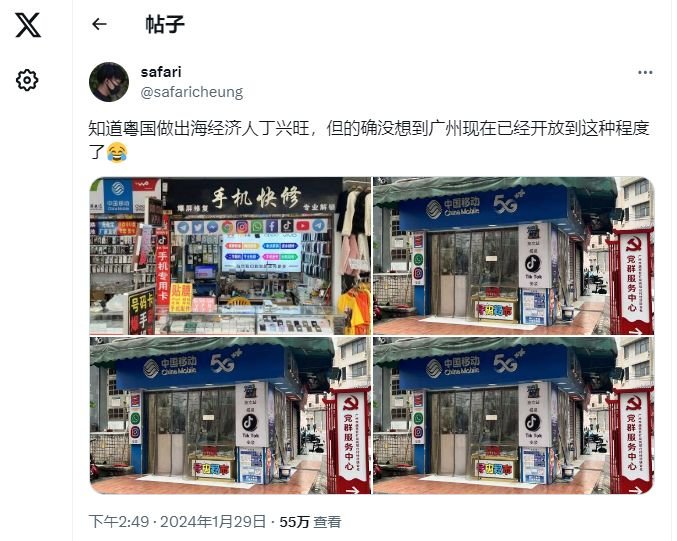
من الصور، يمكننا أن نرى أن متاجر الهواتف المحمولة في شوارع قوانغتشو لا تقدم خدمات إصلاح الهواتف فحسب، بل تساعد أيضًا في بناء مواقع مستقلة في الخارج وتثبيت تطبيقات وسائل التواصل الاجتماعي مثل TikTok، مما يظهر فهمًا عميقًا لمفهوم "عبر الحدود"، مما يجعل المرء يتعجب من العقلية التجارية لأهالي قوانغتشو.
في منطقة قوانغتشو-شنتشن، يتواجد التجار العابرون للحدود مثل النجوم المتلألئة، معتمدين على التدفق السريع للمعلومات وتكامل حركة المرور وسلاسل التوريد، وقد شهدوا تطورًا سريعًا لأكثر من عقد من الزمان على هذه الأرض الخصبة. لقد شهدوا الإدراج الرائع للبائعين الكبار، وعاشوا أيضًا لحظات الأزمات عند إغلاق الحسابات والمتاجر.
اليوم، على الرغم من أن أساطير الثراء السريع من "فترة الفوضى" قد تلاشت تدريجيًا، إلا أن حيوية صناعة التجارة الإلكترونية عبر الحدود لا تزال قوية. تشكل منصات مثل Temu's "Super Bowl" وTikTok Shop المدارة بالكامل أو ذاتية التشغيل حلقات ضخمة من تدفق حركة المرور، وتقود باستمرار اتجاهات استهلاكية جديدة.
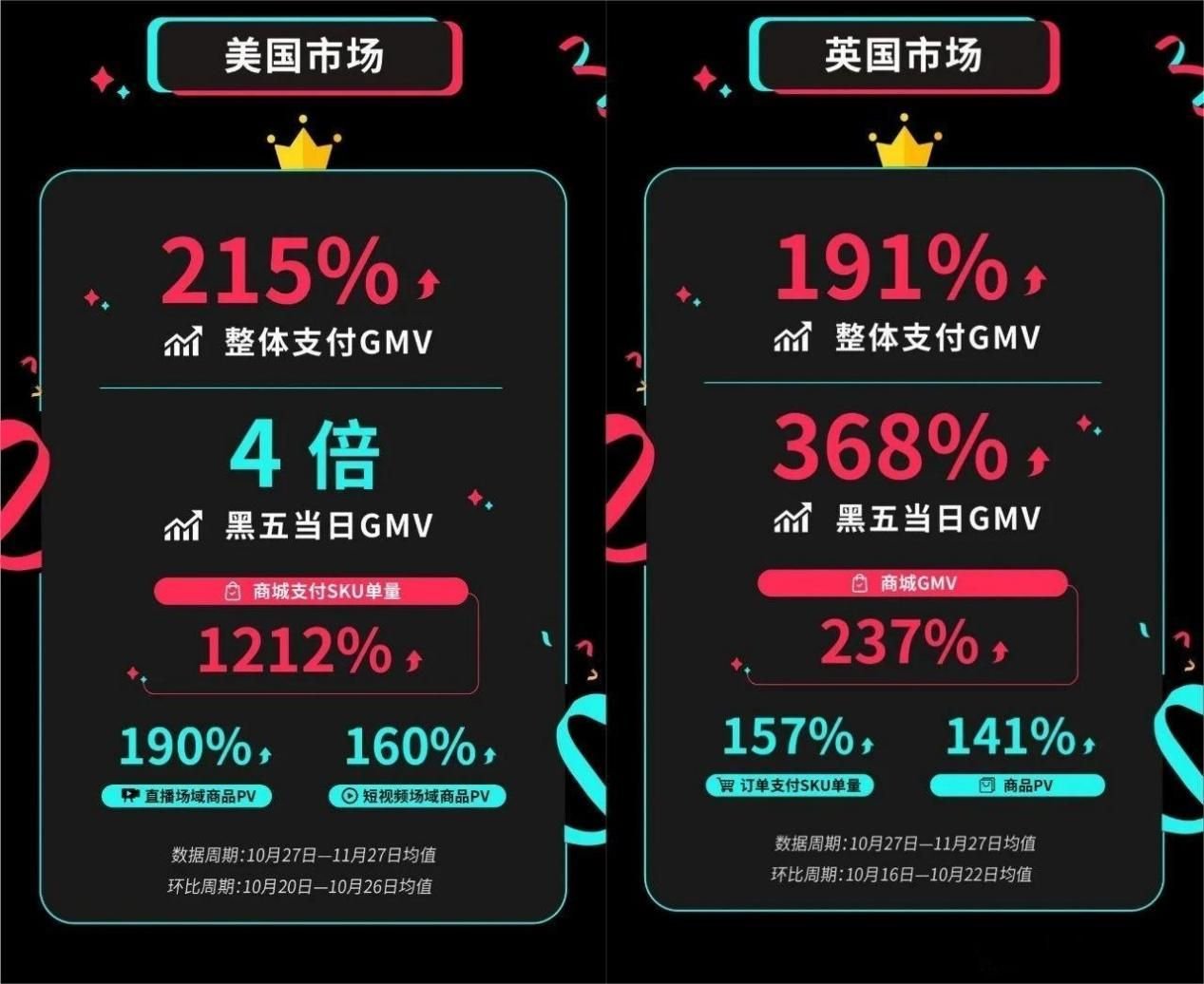
وفقًا لإحصائيات مبيعات الجمعة السوداء من TikTok Shop، خلال الفترة من 27 أكتوبر إلى 27 نوفمبر، ارتفع إجمالي GMV للمدفوعات في السوق الأمريكية بنسبة 215%، وزاد GMV في يوم الجمعة السوداء بنسبة 4 أضعاف، مما يظهر إمكانات سوقية هائلة ويجذب المزيد من التجار العابرين للحدود للدخول.
بين التجار العابرين للحدود الذين دخلوا بالفعل، يمكننا أيضًا رؤية العديد من الشركات الصينية المألوفة، مثل Yilai (LED)، Mufan (مصنع إضاءة)، Yichi (مصنع سيليكون)، Kuangkuang للملابس، Chaoliu للتكنولوجيا (علامة تجارية للملابس الداخلية)، وغيرها.
على الرغم من أن صناعة التجارة الإلكترونية عبر الحدود تتطور باستمرار، إلا أن هؤلاء التجار ذوي الخبرة، بفضل بصيرتهم الحادة وخبراتهم العملية الغنية، لا يزالون يجدون مكانتهم ويحققون التطور في المشهد السوقي الجديد.
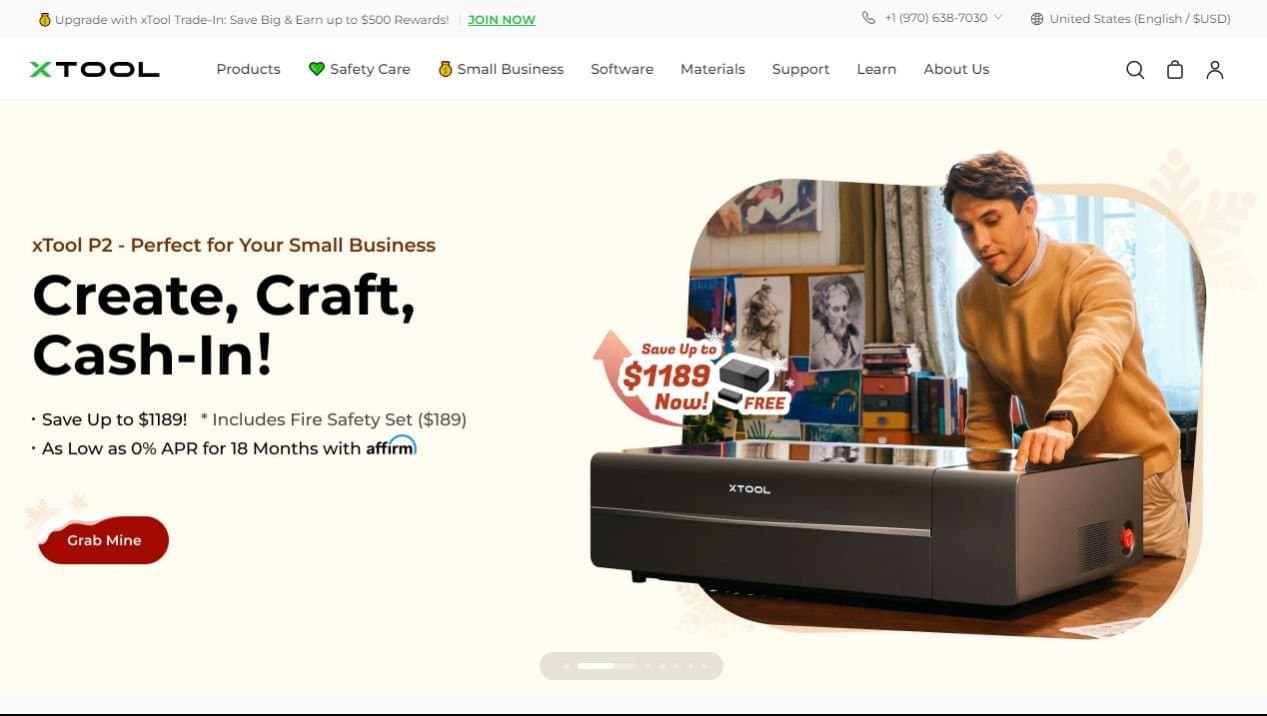
تمامًا مثل علامة آلات النقش بالليزر xTool، التي تنتقل من المستوى الصناعي إلى المستوى الاستهلاكي، وتحمل إمكانيات لا حصر لها.
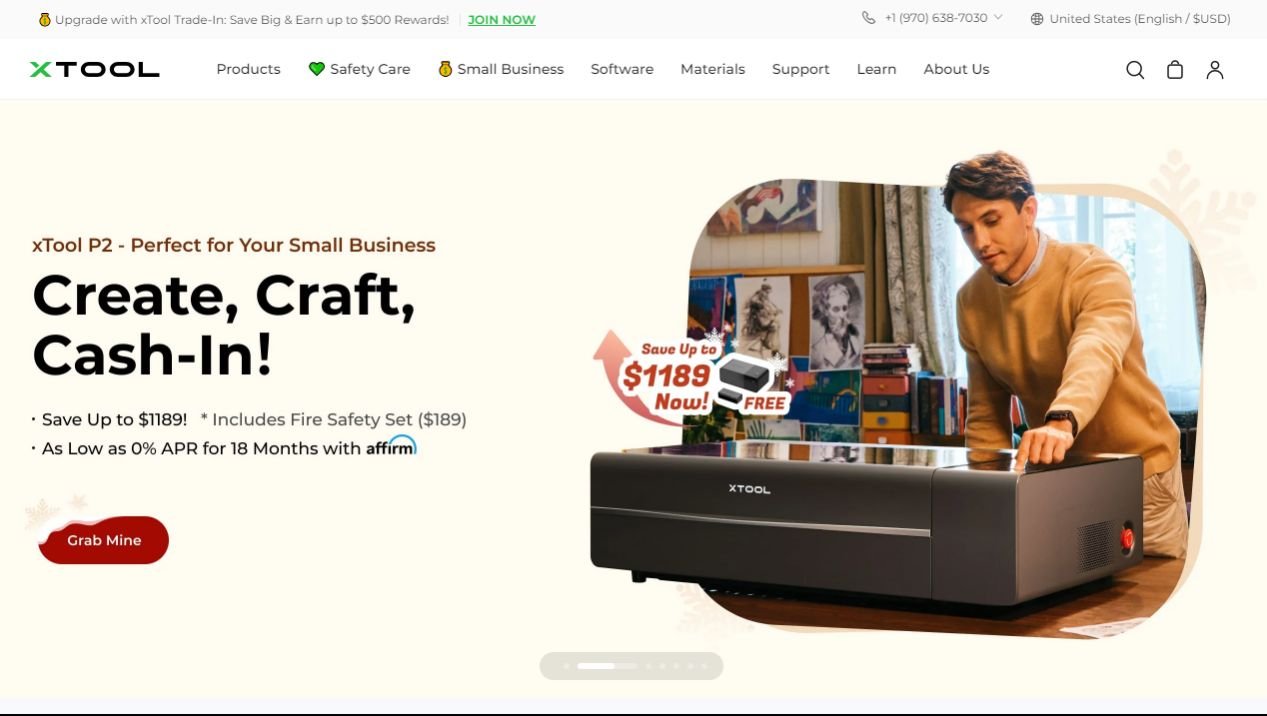
عندما تعرف Tuke على xTool لأول مرة، كان ذلك خلال السنوات الثلاث التي اجتاح فيها الوباء. في ذلك الوقت، لم تكن xTool قد تطورت لتصبح العلامة التجارية الرائدة في الصناعة كما هي الآن، بل كانت مجرد شركة جديدة مسجلة في أكتوبر 2021. وكانت آلات النقش بالليزر مجرد فئة منتجات على خطوط التجميع في المصانع الكبيرة.
ومع ذلك، بين عامي 2021 و2022، شهد الطلب على آلات النقش بالليزر ارتفاعًا هائلاً. وفقًا لبيانات أمازون، ارتفعت مبيعات فئة آلات النقش بالليزر على أمازون بنسبة 1310% في عام واحد فقط، لتصبح بسرعة الخيار الجديد للمبدعين وهواة الأعمال اليدوية.
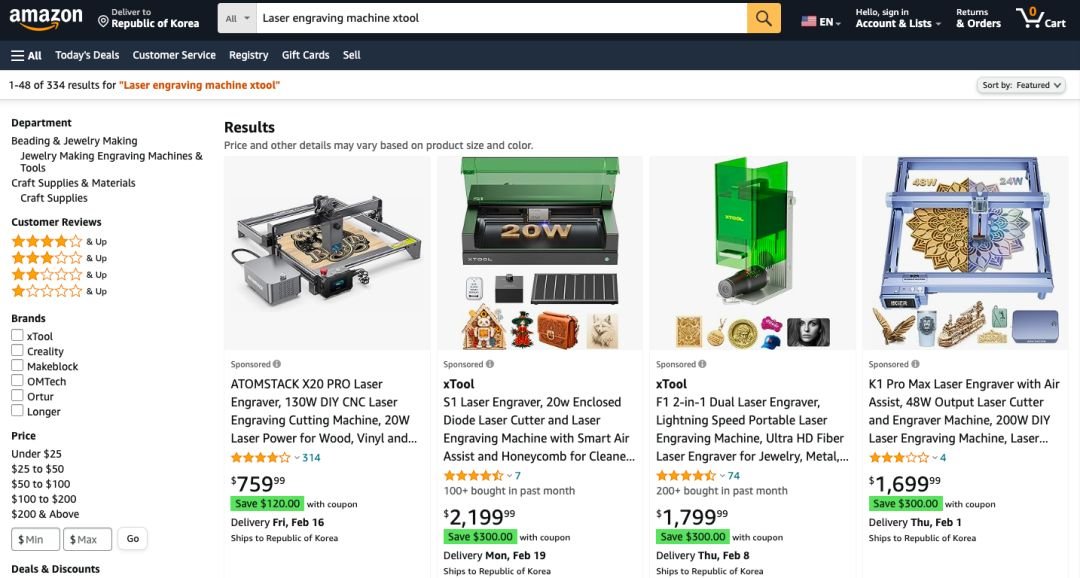
علامة آلات النقش بالليزر xTool، في خضم هذه "الازدهار"، استغلت بدقة احتياجات المستهلكين الذين أرادوا الإبداع في المنزل أثناء الوباء، ورفعت مبيعاتها إلى 800 مليون في عام واحد. وبحلول عام 2023، تجاوز هذا الرقم حاجز المليار، مما أظهر إمكانات سوقية قوية.
لكن نجاح xTool لم يكن مصادفة، بل جاء من البصيرة الحادة لاتجاهات السوق والتحديد الدقيق. فهم لا يقدمون آلات نقش بالليزر عالية الجودة فحسب، بل يروجون بنشاط للدروس والمشاريع الإبداعية ذات الصلة عبر المنصات الإلكترونية ووسائل التواصل الاجتماعي، مما يحفز حماس المستهلكين للإبداع. حساب @xtoolofficial على TikTok وحده جمع 134,000 متابع وحصل على 440,000 إعجاب.

من خلال دراسة رحلة xTool للتوسع العالمي، وجدنا أن التسويق عبر وسائل التواصل الاجتماعي في الخارج أمر بالغ الأهمية لكسب قبول المستخدمين/المستهلكين في المسارات الجديدة. خاصة منصات وسائل التواصل الاجتماعي الخارجية مثل TikTok التي تمتلك تدفقًا هائلاً من حركة المرور، فهي أفضل طريقة لهم "لبناء مجتمعات" وإجراء "تثقيف العملاء".
سواء كان ذلك في قطاع B2C أو B2B، فإن احتياجات العملاء هي مجرد شرارة تنطلق، ولجعل هذه الشرارة تتحول إلى حريق هائل، تحتاج الشركات إلى مواصلة "تثقيف العملاء" عبر وسائل التواصل الاجتماعي.
جعل العملاء الذين ليس لديهم احتياجات مهتمين بالمنتج، وتحويل الاهتمامات الصغيرة إلى احتياجات جماهيرية. هذا ما فعلته DJI حوالي عام 2010، وكذلك xTool.
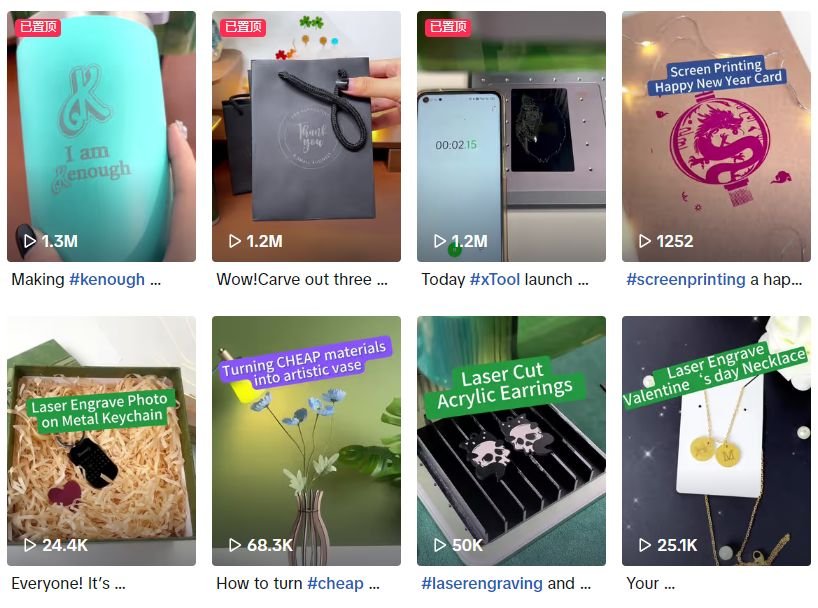
بالنظر إلى تاريخ تطور صناعة التجارة الإلكترونية عبر الحدود، يمكننا أن نرى أنه من النجوم المتلألئة في منطقة قوانغتشو-شنتشن إلى دخول العديد من الشركات الصينية الآن، تشهد هذه الصناعة ازدهارًا غير مسبوق. وفي هذا السياق، فإن قصص النجاح مثل xTool توفر بلا شك خبرات ودروسًا قيمة للقادمين الجدد.
بالنظر إلى المستقبل، لا تزال آفاق تطوير صناعة التجارة الإلكترونية عبر الحدود واسعة. مع صعود منصات مثل Temu وTikTok Shop، وانضمام المزيد من الشركات الصينية، ستشهد هذه الصناعة المزيد من الابتكار والتغيير. وفي هذا السوق الحيوي، نعتقد أن المزيد من الشركات مثل xTool ستبرز وتكتب فصولها الرائعة.