هذا المستند هو دليل تفصيلي لمنصات التجارة الإلكترونية العالمية، تم إعداده ونشره بواسطة ESG跨境. يهدف الدليل إلى مساعدة العاملين في مجال التجارة الإلكترونية عبر الحدود على فهم منصات التجارة الإلكترونية في جميع أنحاء العالم، وتوفير حلول شاملة لهم لمساعدتهم على توسيع الأسواق الدولية.
1. مقدمة
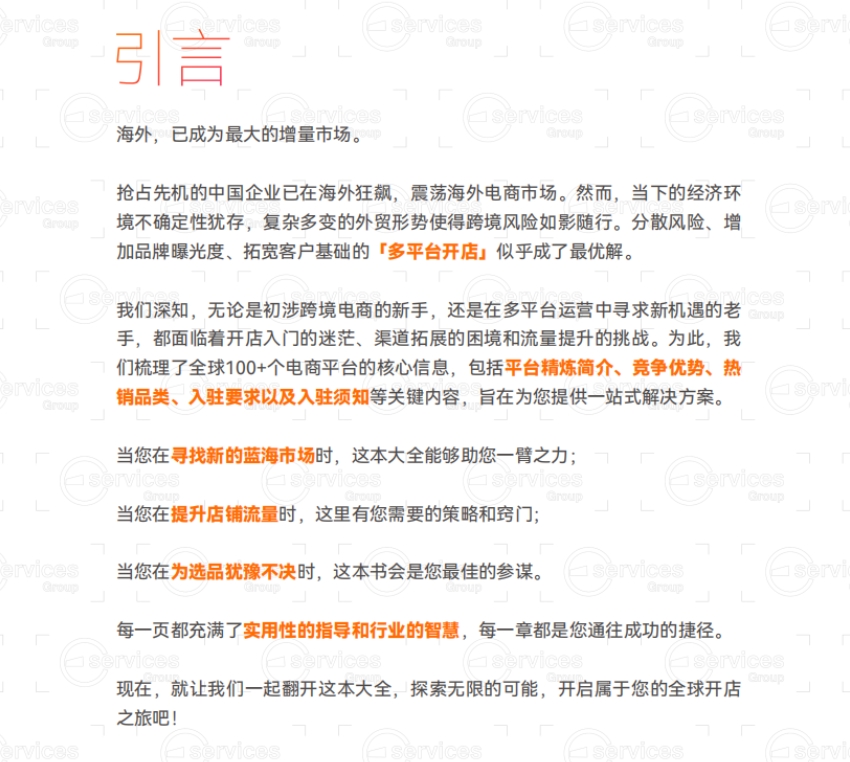
- أصبحت الأسواق الخارجية مفتاحًا لنمو التجارة الإلكترونية، وفي ظل ظروف التجارة الخارجية المعقدة، أصبح "فتح متاجر على منصات متعددة" استراتيجية مثالية لتقليل المخاطر وزيادة ظهور العلامة التجارية وتوسيع قاعدة العملاء.
- قامت ESG跨境 بتجميع المعلومات الأساسية لأكثر من 100 منصة تجارة إلكترونية، بما في ذلك مقدمة المنصة، المزايا، الفئات، متطلبات التسجيل والإرشادات، لمساعدة البائعين على فتح متاجر عالمية.
2. مقدمة عن منصات التجارة الإلكترونية الرئيسية عالميًا
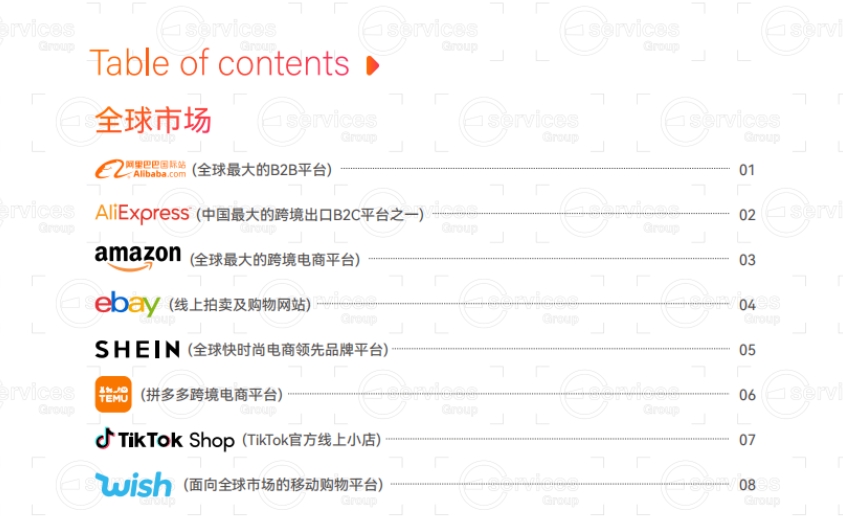
- Alibaba International Station: أكبر منصة B2B عالمية، تأسست عام 1999، تخدم أكثر من 40 مليون مشتري نشط من الشركات، وتغطي أعمالها جميع أنحاء العالم. تقدم خدمات شاملة، وتغطي الشحن أكثر من 200 دولة ومنطقة، وتدعم طرق تجارية متعددة. مناسبة لبيع منتجات متعددة الفئات مثل الآلات، الإلكترونيات، الأدوات المنزلية وغيرها. يتطلب التسجيل وثائق مثل رخصة تجارية، مع نماذج اشتراك مختلفة برسوم.
- AliExpress: واحدة من أكبر منصات B2C للتصدير عبر الحدود في الصين، تأسست عام 2010، تغطي 220 دولة ومنطقة حول العالم، وروسيا والولايات المتحدة وإسبانيا هي أسواقها الرئيسية. تتمتع المنصة بحركة مرور كبيرة، وتدعم لغات متعددة ودفع محلي، وفئاتها الأكثر مبيعًا متنوعة. يتطلب التسجيل مؤهلات شركة ووثائق ذات صلة، وتفرض عمولة على المبيعات، وتدعم طرق شحن واستلام أموال متعددة.
- Amazon: أكبر منصة للتجارة الإلكترونية عبر الحدود عالميًا، تأسست عام 1995، وقد فتحت 18 موقعًا دوليًا رئيسيًا. تتمتع بالعديد من المزايا مثل قاعدة مستخدمين ضخمة، لوجستيات قوية، خدمات عضوية متميزة، وتبيع بشكل أساسي سلعًا متعددة الفئات. يتطلب التسجيل وثائق شركة، وتختلف رسوم الاشتراك الشهري وعمولة المبيعات حسب الموقع والفئة، مع طرق شحن واستلام أموال متعددة.
- eBay: موقع مزادات وتسوق عبر الإنترنت، تأسس عام 1995، يغطي أكثر من 190 دولة ومنطقة. المنصة ناضجة، ذات قوة شرائية عالية، وفئاتها متنوعة. يتطلب التسجيل مؤهلات شركة ووثائق، وتشمل الرسوم رسوم اشتراك المتجر، رسوم المبيعات، رسوم الإدراج، ويدعم الشحن الذاتي والشحن من المستودعات الخارجية.
- SHEIN: منصة رائدة في مجال الأزياء السريعة للتجارة الإلكترونية عالميًا، تأسست عام 2008، تغطي أعمالها أكثر من 150 دولة ومنطقة حول العالم. تتميز بحركة مرور كبيرة، استلام أموال مستقر، لوجستيات مريحة، وإدارة نظام قوية، وتتخصص في منتجات الأزياء وأسلوب الحياة. هناك نموذجان: التشغيل الذاتي والبائعين على المنصة، مع متطلبات ورسوم تسجيل مختلفة.
- Temu: منصة التجارة الإلكترونية عبر الحدود من Pinduoduo، أطلقت في عام 2022، وتطورت بسرعة، ودخلت بالفعل عدة دول. تتميز بحركة مرور فائقة، استلام أموال سريع، تشغيل بسيط، وفئات كاملة. يتطلب التسجيل رخصة تجارية وغيرها، مع نماذج تعاون متنوعة، وقواعد تسعير وتسوية مقابلة.
- TikTok Shop: المتجر الرسمي الصغير من TikTok، أطلق في عام 2022، يستفيد من مزايا حركة مرور TikTok، وتغطي أعماله العالم. يتمتع بمزايا مثل حركة مرور كبيرة، خوارزمية ممتازة، سياسات جيدة، وتشغيل بسيط، وفئاته الأكثر مبيعًا متنوعة. يتطلب التسجيل استيفاء شروط معينة، وتفرض المنصة رسوم ضمان، عمولة، ورسوم معاملات، ودورة استلام الأموال حوالي شهر.
3. نظرة عامة على منصات التجارة الإلكترونية الرئيسية في مناطق أخرى
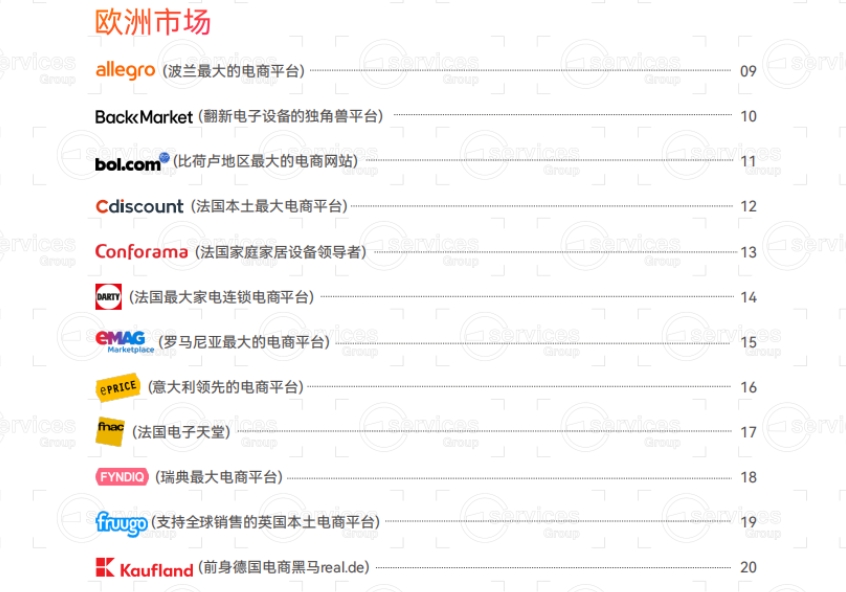
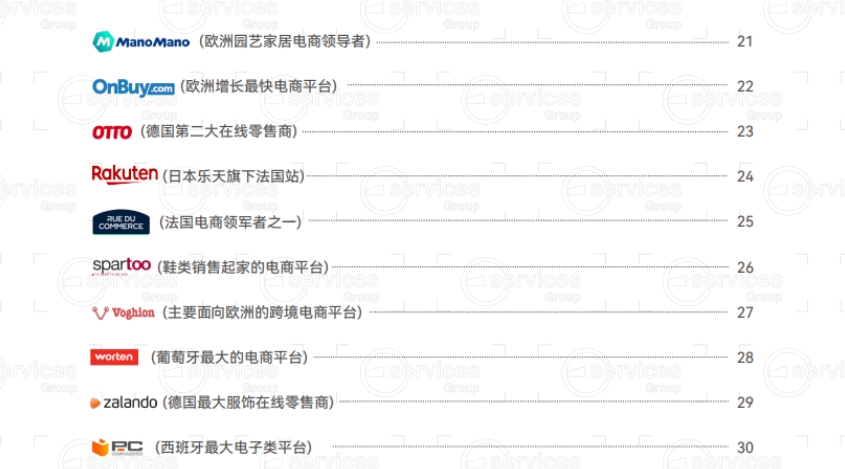
- منطقة أوروبا: تشمل منصات مثل Allegro في بولندا، bol.com في منطقة البنلوكس، Cdiscount في فرنسا، وغيرها الكثير. لكل منصة خصائص ومزايا مختلفة في السوق المحلي، مثل حركة مرور شهرية عالية لـ Allegro، تأثير محلي قوي لـ bol.com، وأدوات تسويق متنوعة لـ Cdiscount.
- منطقة اليابان وكوريا: مثل 11st، Coupang، Gmarket في كوريا، وRakuten، Starday في اليابان. المنصات الكورية تحظى بشعبية بين الشباب، بينما المنصات اليابانية تتميز بحصص سوقية وخدمات متنوعة، مثل حصة سوقية عالية لـ Rakuten، ومزايا لوجستية وتشغيلية واضحة لـ Starday.
- منطقة جنوب آسيا: تشمل منصات مثل Flipkart، Myntra في الهند، التي تحتل مكانة مهمة في السوق الهندي، مثل حصة سوقية عالية لـ Flipkart، وتخصص Myntra في مجال الأزياء.
- منطقة جنوب شرق آسيا: مثل Lazada، Shopee، التي تتطور بسرعة في سوق جنوب شرق آسيا، مع نظام لوجستي متكامل لـ Lazada، وتغطية أعمال واسعة وتشغيل محلي ممتاز لـ Shopee.
- منطقة أمريكا الشمالية: تشمل منصات مثل BestBuy، Walmart في الولايات المتحدة، وWalmart Canada في كندا، التي تتنافس بشدة في سوق التجارة الإلكترونية في أمريكا الشمالية، مثل تخصص BestBuy في تجارة الأجهزة المنزلية، وكون Walmart عملاق تجارة التجزئة الشامل.
- منطقة أمريكا اللاتينية: مثل Americanas، MercadoLibre في البرازيل، التي تتمتع كل منها بمزايا في سوق أمريكا اللاتينية، مع تأثير محلي كبير لـ Americanas، وتغطية واسعة لـ MercadoLibre.
- منطقة تركيا: تشمل منصات مثل Gittigidiyor، Hepsiburada، حيث Gittigidiyor هي منصة مزادات، وHepsiburada تتمتع بحركة مرور كبيرة في تركيا وأوروبا الشرقية.
- منطقة روسيا: تشمل منصات مثل OZON، Wildberries، حيث OZON لديها فئات غنية واعتراف سوقي عالٍ، وWildberries تركز على بيع الأحذية والملابس والإكسسوارات، مع تغطية سوقية واسعة.
- منطقة الشرق الأوسط: مثل Fordeal، Noon، حيث Fordeal تتطور بسرعة ولديها سياسات تفضيلية، وNoon تتمتع برأس مال قوي وتشغيل محلي.
- منطقة أستراليا: Catch هي واحدة من أكبر تجار التجزئة عبر الإنترنت في أستراليا، مع إمكانات سوقية كبيرة وقوة شرائية عالية.
- منطقة أفريقيا: تشمل منصات مثل Jumia، KiKUU، حيث Jumia هي منصة رائدة في التجارة الإلكترونية عبر الحدود في أفريقيا، وKiKUU تقدم خدمات شاملة وتتطور بشكل جيد في السوق الأفريقي.
4. العلامات التجارية للمتاجر المستقلة والخدمات ذات الصلة
- تقديم علامات تجارية لبناء المتاجر المستقلة مثل Shoptop، 2cshop، التي تقدم خدمات شاملة "بناء متجر + تسويق" لمساعدة العلامات التجارية الصينية على التوسع عالميًا.
- تشمل أدوات تحليل اختيار المنتجات مثل Blue Whale BI، Super Store Data، لمساعدة البائعين في تحليل اتجاهات السوق، اختيار المنتجات، وإدارة تشغيل المتجر.
- تشمل منصات التسويق الخارجي مثل Hongque KOL، Nox聚星، التي تقدم خدمات التسويق عبر المؤثرين، الإعلانات، وغيرها، لمساعدة في الترويج للعلامات التجارية.
- تشمل علامات تجارية لخدمات الدفع والامتثال المالي مثل ONERWAY، TaxEasy، التي توفر حلول دفع آمنة ودعم امتثال مالي للتجارة الإلكترونية عبر الحدود.
- تقديم شركات لوجستية وتخزين مثل Baotongda Logistics، Chain Warehouse Technology، التي تقدم خدمات الشحن الدولي، المستودعات الخارجية، وغيرها، لضمان نقل وتخزين بضائع التجارة الإلكترونية عبر الحدود.
- تشمل علامات تجارية لخدمات الملكية الفكرية مثل Ruiguan، Jite Intellectual Property، التي تقدم خدمات الكشف عن مخاطر الانتهاك، تكامل الملكية الفكرية، وغيرها للبائعين عبر الحدود.
- تشير إلى أنظمة ERP عبر الحدود مثل Fingerprint Technology، Puyuan Software، التي تقدم حلول إدارة سلسلة التوريد، تشغيل المتجر، وغيرها، لتحسين كفاءة تشغيل التجارة الإلكترونية عبر الحدود.
- تقديم وسائط صناعية مثل Chuanglan Forum، 41 Finance، وأدوات متصفح مثل Feikua Browser، Zinia Browser، لتوفير مشاركة المعرفة، نشر المعلومات، وضمان التشغيل الآمن للعاملين في التجارة الإلكترونية عبر الحدود.