 3307
3307Im Jahr 2026 ist unter den Cross-Border-E-Commerce-Händlern ein Satz populär: Früher hieß es „Ohne ins Ausland zu gehen, bist du raus“, jetzt heißt es „Chaotisch ins Ausland gehen, schnell raus“.
Sieh dir anTemu und SHEIN erobern aggressiv das Ausland, während TikTok Shop mit Live-Shopping boomen. Juckt es dich auch in den Fingern? Warte noch. Allein in Vietnam wurden zu Jahresbeginn zwei große Plattformen, darunter TikTok, wegen Datenkonformitätsproblemen bestraft, und in Indonesien gibt es eine Welle von Geschäftsschließungen.
Warum ist das so? Weil die globale Regulierung die Zeit der lockeren Regeln hinter sich gelassen hat. Zollprüfungen, Produktzertifizierungen, Datenschutz, lokalisierter Betrieb – jede dieser Fallen kann deine gesamten Jahresgewinne zunichte machen.
Heute nimmt dich Tuke mit, um darüber zu sprechen,Wie man 2026 das Risikomanagement und den complianten Betrieb für den Auslandsmarkt angeht.
Bildquelle: Internet
1. Verstehe zuerst die aktuellen Spielregeln
Viele alte Händler waren früher daran gewöhnt,„Buy-in-Export“ oder mehrere kleine Firmen zu gründen, um Einnahmen aufzuteilen, da sie dachten, das spare Geld. Aber ich muss dir eine kalte Dusche verpassen: Diese Taktik ist 2026 komplett „auf Null gesetzt“.
Die derzeitige Regulierungsumgebung ist wie ein„transparenter Mensch“-Zustand. Die Daten von Steuerbehörden, Zoll, Banken und Plattformen sind vollständig vernetzt, was Experten als „Besteuerung durch Daten“ bezeichnen. Die Einnahmen aus deinen hinter den Kulissen gefälschten Bestellungen werden von der Plattform direkt an die Steuerbehörden gemeldet. Wenn du immer noch persönliche Konten für US-Dollar-Einnahmen nutzt oder durchbestimmte MethodenGeld umzutauschen, ist das wie mit einer Laterne in der Nacht unterwegs zu sein – extrem auffällig.
Empfehlung:
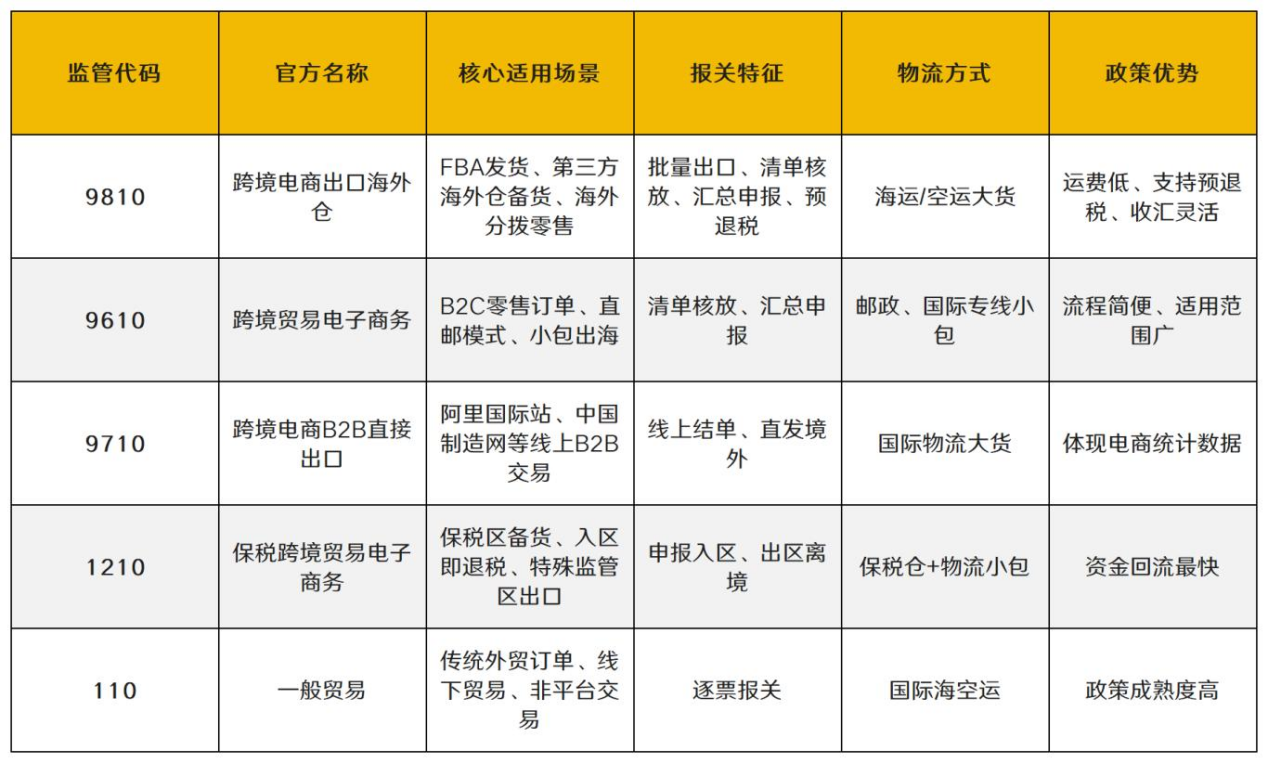
Stelle sofort den Buy-in-Export ein und verzichte auf persönliche Konten für Zahlungseingänge. Der complianten Betrieb muss sicherstellen,dass „Auftragsfluss, Logistikfluss und Geldfluss“ in einem vereint sind. Ein Beispiel: Wenn du auf Amazon oder TikTok Shop verkaufst, musst du unbedingt über offizielle Zahlungskanäle abrechnen und die normale Zollanmeldung 9810 durchführen.
Auch wenn es nach mehr Aufwand aussieht, bekommst du dafür eine stabile Geschäftsumgebung. Nur mit transparenten Daten kannst du ruhig schlafen.
Bildquelle: Internet
Produktcompliance ernst nehmen: Lass dich nicht durch falsche Ware tödlich treffen
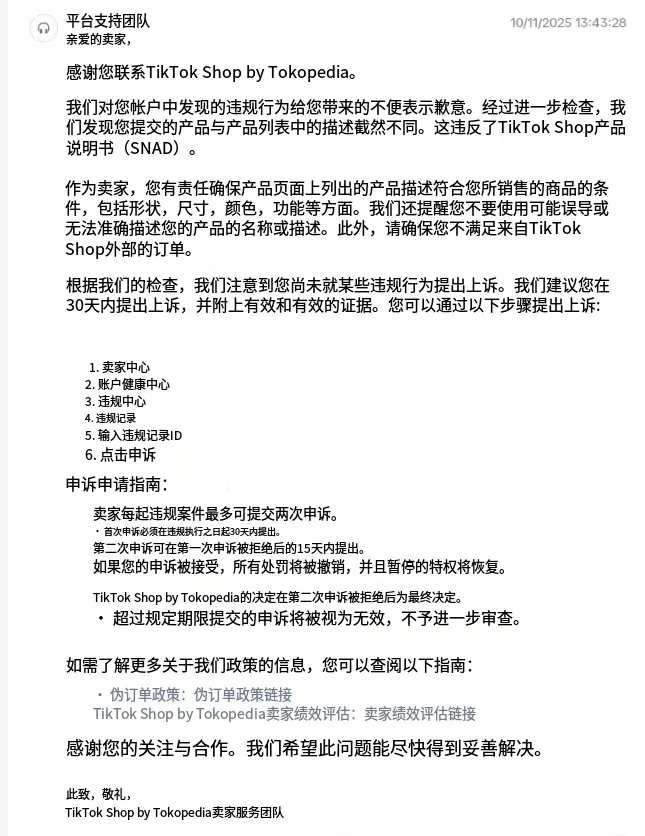
Lass uns weiter darüber sprechen,TikTok. Neben Vietnam führt auch der indonesische Markt kürzlich eine große Säuberung durch. Viele Verkäufer stellen fest, dass ihre Shops plötzlich gesperrt wurden, oft mit der Begründung „Ware entspricht nicht der Beschreibung“. Dahinter stecken zwei tiefere Gründe:
1.Die Plattform-Governance wird strenger:TikTok hat sich der „Feinsteuerung des Betriebs“ zugewandt. Früher konntest du einfach ein Produkt einstellen, solange das Bild gut aussah. Jetzt, wenn es eine Abweichung in Form, Farbe oder Funktion zwischen dem tatsächlichen Produkt und der Beschreibung gibt, betrachtet die Plattform dies als Betrug.
2.Der Zoll prüft streng: Besonders vor dem Ramadan in Indonesien„Rote-Licht-Periode“: Die Zollprüfungsrate für Textilien und Elektronikprodukte liegt nahezu bei 100%. Wenn dein Produkt keine SNI-Zertifizierung oder keine Importlizenz hat, bleibt die Ware im Hafen stecken, was zu Lieferverzögerungen führt, und das Plattformsystem stuft dich automatisch als regelwidrig ein.
Hier ist ein Detail, das viele Medien nicht genau erwähnt haben. WarumTikTok in Vietnam wurde nicht nur wegen Daten bestraft, sondern auch wegen „versteckter Klauseln in den Geschäftsbedingungen“? Weil das Verbraucherschutzrecht in Südostasien großen Wert auf das „Recht auf Information“ legt. Du kannst in deinen Allgemeinen Geschäftsbedingungen nicht deine Hauptverantwortung ausschließen, zum Beispiel mit Formulierungen wie „Keine Haftung für Zollbeschlagnahmungen“. Solche Klauseln sind rechtlich unwirksam und führen stattdessen zu hohen Strafen.
Strategieempfehlung:
Compliance-Prüfung vorverlagern. Bevor du Produkte bestückst, investiere Zeit und Geld, um die obligatorischen Zertifizierungen des Zielmarktes zu erhalten (z. B. die der EUCE, EPR, und Indonesiens SNI). Gib ja nicht der Hoffnung nach, „erstmal versenden und bei einer Prüfung nachbessern“. Im Jahr 2026 hast du keine Zeit mehr zum Nachbessern – sobald die Ware beschlagnahmt wird, sinkt das gesamte Shop-Ranking auf Null.
Bildquelle: Internet
Kaufe keine Konten! Kaufe keine Konten! Das ist Geldverschwendung an Betrüger
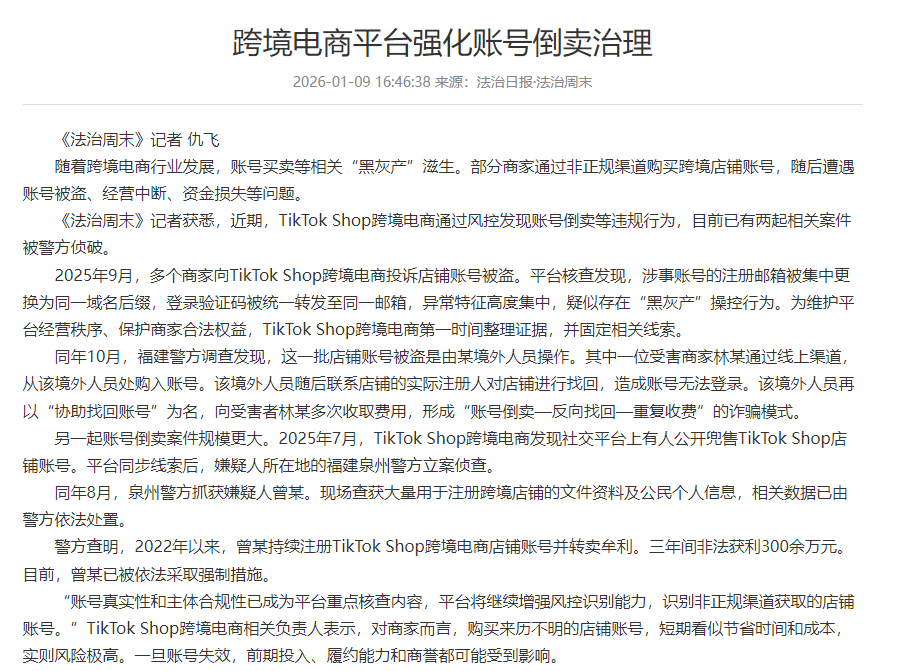
In der grenzüberschreitenden Szene gibt es noch eine große Enthüllung, nämlichTikTok Shop geht hart gegen den Kauf und Verkauf von Konten vor. Manche Verkäufer kaufen aus Bequemlichkeit für ein paar tausend Yuan ein sogenanntes „altes Konto“. Nach einem Jahr Betrieb, wenn sie am Jahresende Geld abheben wollen, wird das Konto als regelwidrig eingestuft, die Gelder werden eingefroren und die Kaution ist weg.
Noch schlimmer ist es, wenn man aufdie Masche des „wiederhergestellten Kontos“ stößt. Ein Fall: Ein ausländischer Betrüger verkauft dir ein Konto, stellt es dann mit den ursprünglichen Registrierungsdaten wieder her und verlangt unter dem Vorwand, dir bei der Wiederherstellung zu helfen, wiederholt Gebühren von dir. Die Polizei in Fujian hat solche Fälle aufgeklärt; ein Verdächtiger hat damit in drei Jahren illegal über 3 Millionen Yuan verdient.
Strategieempfehlung:
Du musst unbedingt„Subjekt-Compliance“ in deinen Kopf einprägen. Nur reguläre Truppen können harte Kämpfe bestehen, denn bei böswilligen Beschwerden oder Betrug untereinander hast du nur mit einem realnamigen Konto das Recht auf Einspruch. Wenn du das Konto gekauft hast, wird die Plattform dich ignorieren, denn rechtlich gesehen bist du gar nicht der Inhaber des Shops.
Bildquelle: Legal Weekend
Compliance ist keine Kosten, sondern die Grundlage deiner Expansion ins Ausland
An diesem Punkt angekommen,Tukeerinnert mich an die Worte eines Supply-Chain-Experten aus Shenzhen:„Compliance ist keine Kosten, sondern eine Investition in die Zukunft, ein risikomindernder Vermögenswert, der dir hilft, Geld zu sparen und zu verdienen.“
In der Tat,Der grenzüberschreitende E-Commerce im Jahr 2026,ist bereitsin die Phase der intensiven Bearbeitung eingetreten. WieDie Geldstrafe von TikTok in Vietnam, auch wenn der Betrag gering ist, hat eine starke Signalwirkung – die globale Regulierung wandelt sich von flexibler Lenkung zu strenger Durchsetzung.
Also, denk nicht, dass Compliance lästig und teuer ist. Du musst es aus einer anderen Perspektive sehen: Wenn deine Gegner, die immer noch auf schwarzen Wegen spielen, einer nach dem anderen gesperrt, mit Geldstrafen belegt und aus dem Markt gedrängt werden, du aber wegen deiner rechtskonformen Geschäftsführung überlebt hast und das Vertrauen des Kapitals und den guten Ruf der Verbraucher gewonnen hast, dann bist du der endgültige Gewinner.