 4834
4834Wenn man Sojamilchmaschinen erwähnt,Welche Marke fällt Ihnen als erstes ein?
Ich bin sicher, dass der Name Joyoung bereits vielen in den Sinn gekommen ist.。
1994 öffnete Wang Xuning mit einer vollautomatischen Haushalts-Sojamilchmaschine die Türen von Hunderten Millionen chinesischer Haushalte.
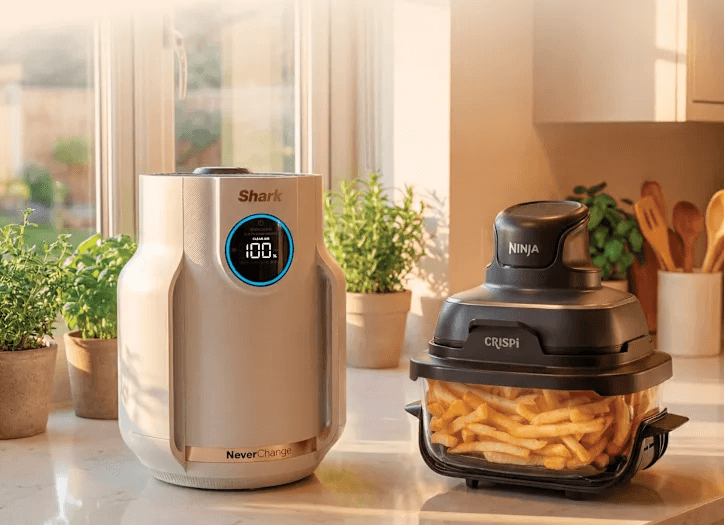
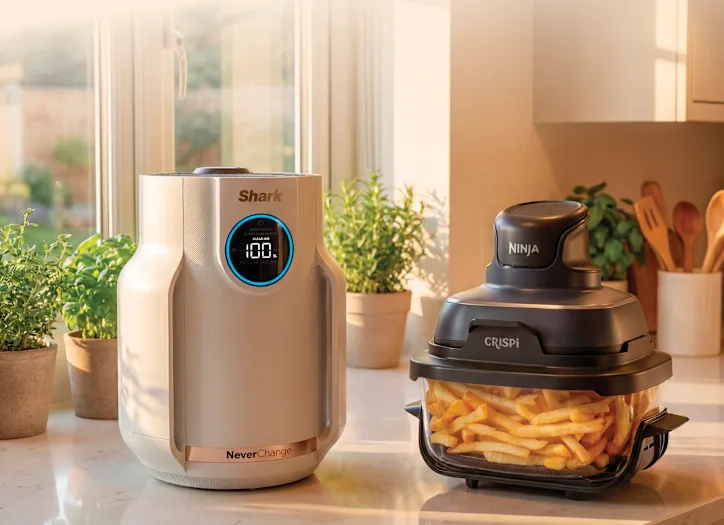
Jahrzehnte später,Erein weiteres Ass——SharkNinja, dasim AuslandDer Markt erhebt sich leise.
Bildquelle:SharkNinja
2025 legte diese seit sieben oder acht Jahren „verborgene“ Marke eine ziemlich beeindruckende Bilanz vor:
Jahresnettoumsatz63.99 Milliarden US-Dollar (etwa 44.2 Milliarden CNY), ein Anstieg von 15.7 % im Vergleich zum Vorjahr; Nettogewinn 7.014 Milliarden US-Dollar, ein Anstieg von 59.9 %.
Im nordamerikanischen Markt für Reinigungsgeräte,Auf 2 Haushalte kommt einer, der Shark-Produkte verwendet. Im Bereich Küchenkleingeräte ist Ninja seit Jahren die Nummer eins in den USA.
Heute werden wir uns genau ansehen,Was hat SharkNinja richtig gemacht?
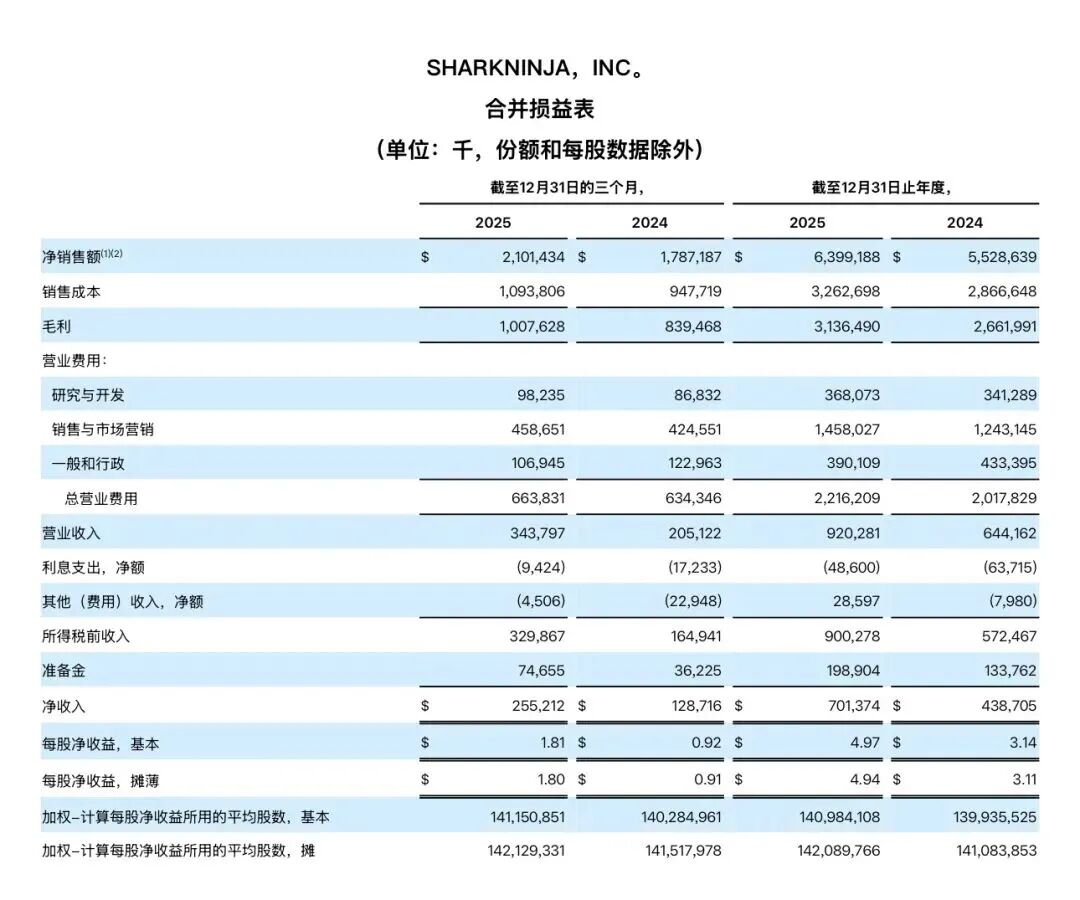
Bildquelle:SharkNinja Finanzbericht
Von Boston nach Hangzhou, eine transpazifische Allianz
Die Geschichte von SharkNinja beginnt im Jahr 1998.
In jenem Jahr,Shark wurde in Boston gegründet und konzentrierte sich auf Reinigungsgeräte,zum BeispielStaubsauger、Dampfreiniger、Saugroboter。später entstandeneNinja konzentriert sich auf Küchengeräte, mit Schwerpunkt auf Mixer, Kaffeemaschinen, Heißluftfritteusen.
Die beiden Marken haben unterschiedliche Schwerpunkte, aber gehen in Nordamerika beide den gleichen Weg: hohe Kostenleistung.
Sharks Staubsauger sind meist unter 200 US-Dollar bepreist und vermeiden den direkten Wettbewerb mit Dyson im High-End-Segment. Ninja hingegen steigt mit Mixern ein, macht die Produkte perfekt und erweitert dann horizontal die Kategorien.
Diese Taktik kommt in Nordamerika gut an,bis2017年前后,Shark和Ninja已经成为亚马逊多个类目的“常胜将军”,吸尘器月销3万+、蒸汽拖把月销9000+都是常态。
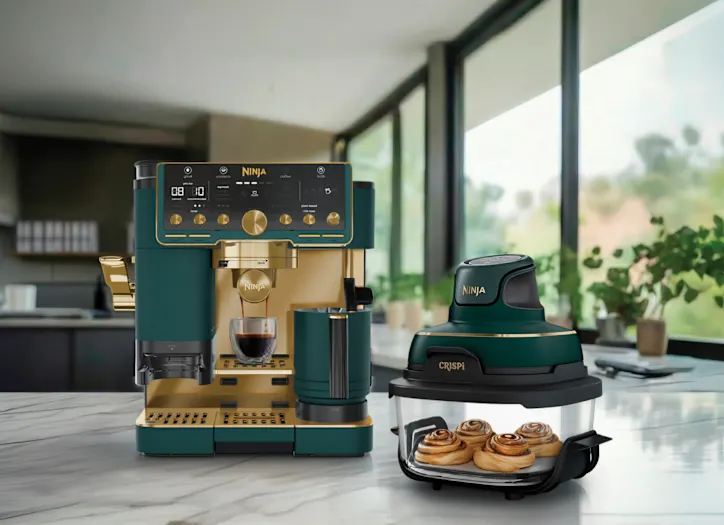
Bildquelle:SharkNinja
auch im2017年,Joyoung stieß an seine Grenzen. Nach der Boomphase 2008-2009 war das Sojamilchmaschinengeschäft kontinuierlich rückläufig. Der Inlandsmarkt war gesättigt, und der Gang ins Ausland wurde zur unvermeidlichen Wahl.
Wang Xuning hatte ein Auge aufSharkNinja. Er wählte nicht den traditionellen Weg der chinesischen Unternehmen nach Übernahmen, sondern eine Struktur aus „strategischer Beteiligung + lokaler Betriebsführung“. Joyoung verbündete sich mit dem Dinghui-Konsortium, erwarb für 1,6 Milliarden US-Dollar 70% der Anteile der Muttergesellschaft von SharkNinja. Anschließend brachte Joyoung sich selbst und SharkNinja durch Aktientausch in dasselbe Unternehmen und gründete JS Global Living, das an der Hongkonger Börse notiert wurde.
Diese Struktur wurde imJahr 2023 erneut angepasst, umSharkNinjas Nordamerika-, Europa- und andere Übersee-Geschäfte auszugliedern und unabhängig in den USA an die Börse zu bringen. Bis Ende 2025 überschritt der Marktwert von SharkNinja 10 Milliarden US-Dollar, während der Marktwert der in Hongkong verbliebenen JS Global Living bei etwa 5,4 Milliarden Hongkong-Dollar lag.
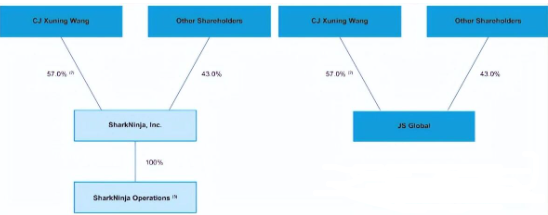
Bildquelle: Internet
Der Branche der Kleingeräte„Gabelung“, wohin geht SharkNinja?
Der Kleingerätemarkt 2025: Mit „zwei unterschiedliche Himmel“ zu beschreiben könnte treffend sein.
Auf der heimischen Seite zeigen Daten:Im ersten Halbjahr 2025 sank der Einzelhandelsumsatz mit Kleingeräten in China um 6%-8% im Jahresvergleich, Heißluftfritteusen, Standmixer und andere in den Vorjahren stark nachgefragte Kategorien verzeichneten unterschiedliche Rückgänge von Menge und Wert.
Der Überseemarkt bietet jedoch ein anderes Bild. Laut Daten der Generalzollverwaltung,In den ersten drei Quartalen 2025 verzeichneten die Exporte chinesischer Kleingeräte weiterhin ein Wachstum, wobei einige Unternehmen in den Märkten Südostasien, Naher Osten und Europa zweistellige Zuwachsraten erzielten.
Der globale Markt für Kleingeräte wird voraussichtlich bisIm Jahr 2028 einen Wert von 3050 Milliarden US-Dollar erreichen. Das heißt, dass nicht die Kleingeräte selbst versagen, sondern diejenigen, die „nur auf Konzepte setzen und keine echten Fähigkeiten haben“.
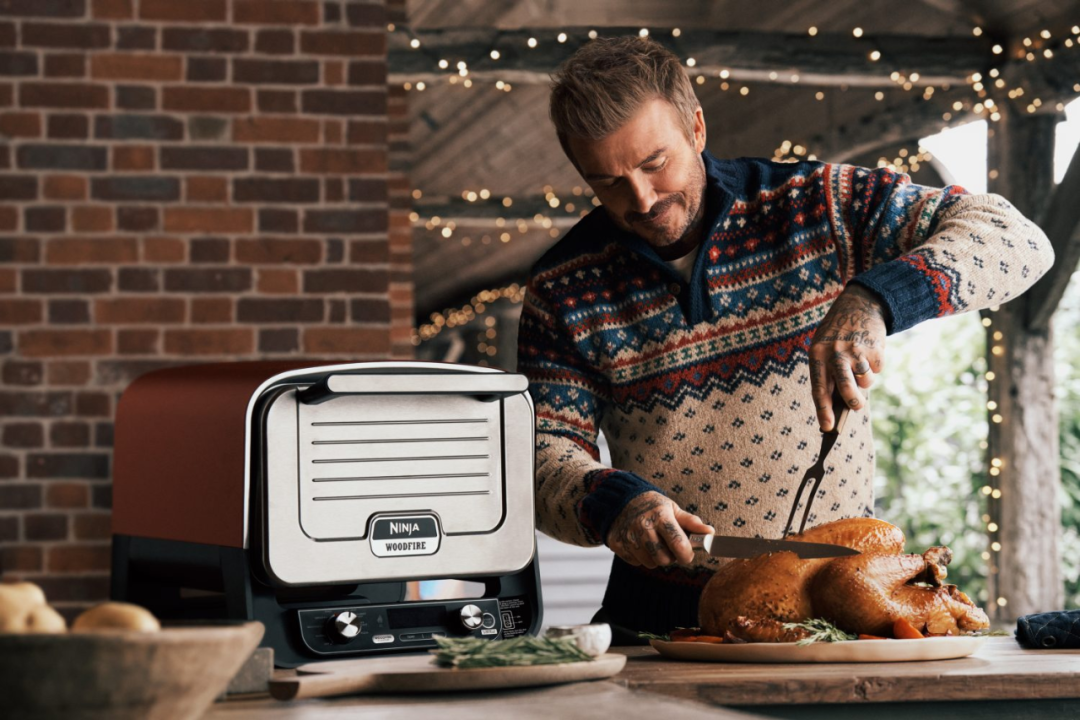
Quelle:SharkNinja
SharkNinja hat dieses Fenster präzise genutzt. Seine Strategie ist klar: Technologie-Upgrades auf der Produktseite und parallele Vorstöße auf Online- und Offline-Kanälen.
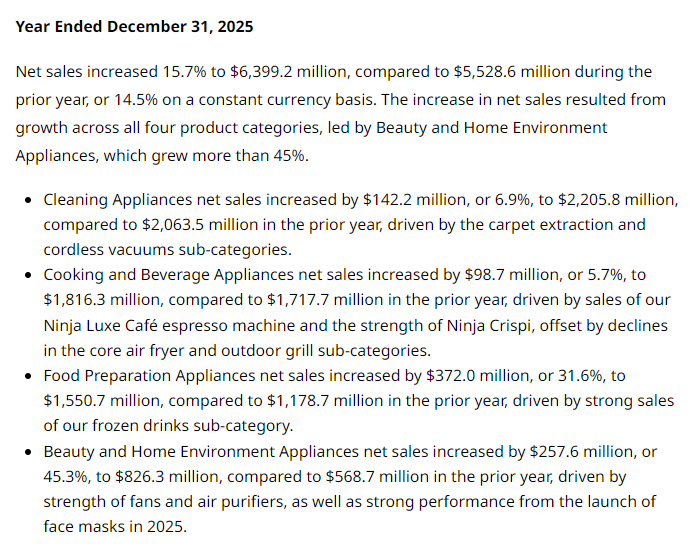
Der Jahresbericht 2025 zeigt, dass alle vier Produktlinien von SharkNinja ein Wachstum verzeichneten, wobei die Kategorie Schönheits- und Haushaltsumweltgeräte um über 45 % und die Lebensmittelverarbeitungsgeräte um 31,6 % zulegten. Dieses Wachstum resultiert nicht aus einer einfachen Anhäufung von Funktionen, sondern aus der Erkenntnis der tatsächlichen Bedürfnisse der Nutzer.
GleichzeitigDas Layout von SharkNinja auf der Kanalseite ist noch bemerkenswerter. Seine Leistung auf Amazon bedarf keiner weiteren Erwähnung, mehrere Kategorien stehen fest auf der Best-Seller-Liste.
Was ihm jedoch wirklich zu einem sprunghaften Wachstum verhalf, ist das mehrdimensionale Kanalsystem, das es auf sozialen Medien und auf seiner unabhängigen Website aufgebaut hat.
Quelle:barchart
Social-Media-Layout, Kern des szenarienbezogenen Marketings
Als die derzeit am schnellsten wachsende Social-Commerce-Plattform für globalen Traffic,SharkNinjaAufTikTokangewendetdie Account-Matrix-Strategie „nach Kategorie und Region“。
Angesichts der Verbrauchsunterschiede in verschiedenen Märkten,Sieeingeführthabenverschiedenelokalisierte Konten, mit Kernfokus auf den Hauptmärkten wie USA, Großbritannien, Frankreich usw., und haben für regionale Märkte auch eingeführt wie@sharkninjaidsolche lokalisierten Betriebskonten.
Jahreseinkommen über63 Milliarden US-Dollar, die von Joyoung übernommene Kleingerätemarke hat still und leise groß verdient!

Bildquelle:TikTok
In der Kategorie-Operation,SharkNinja wählte, die beiden Marken getrennt zu betreiben, und hat bereits ein beträchtliches Volumen aufgebaut.
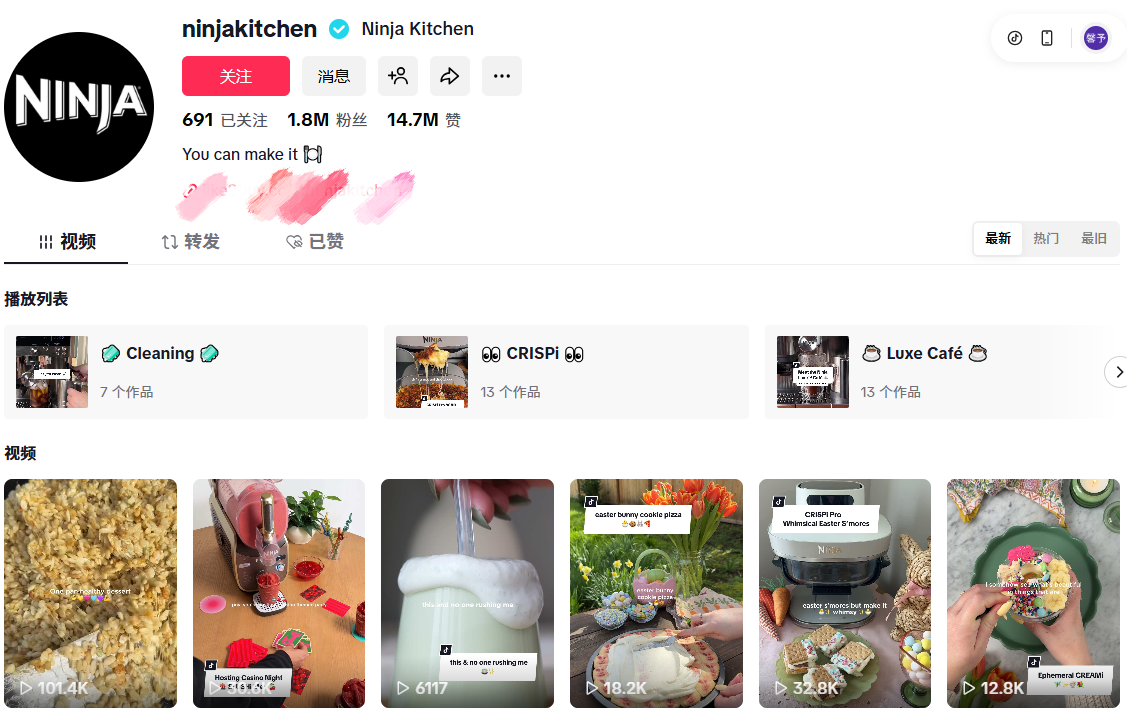
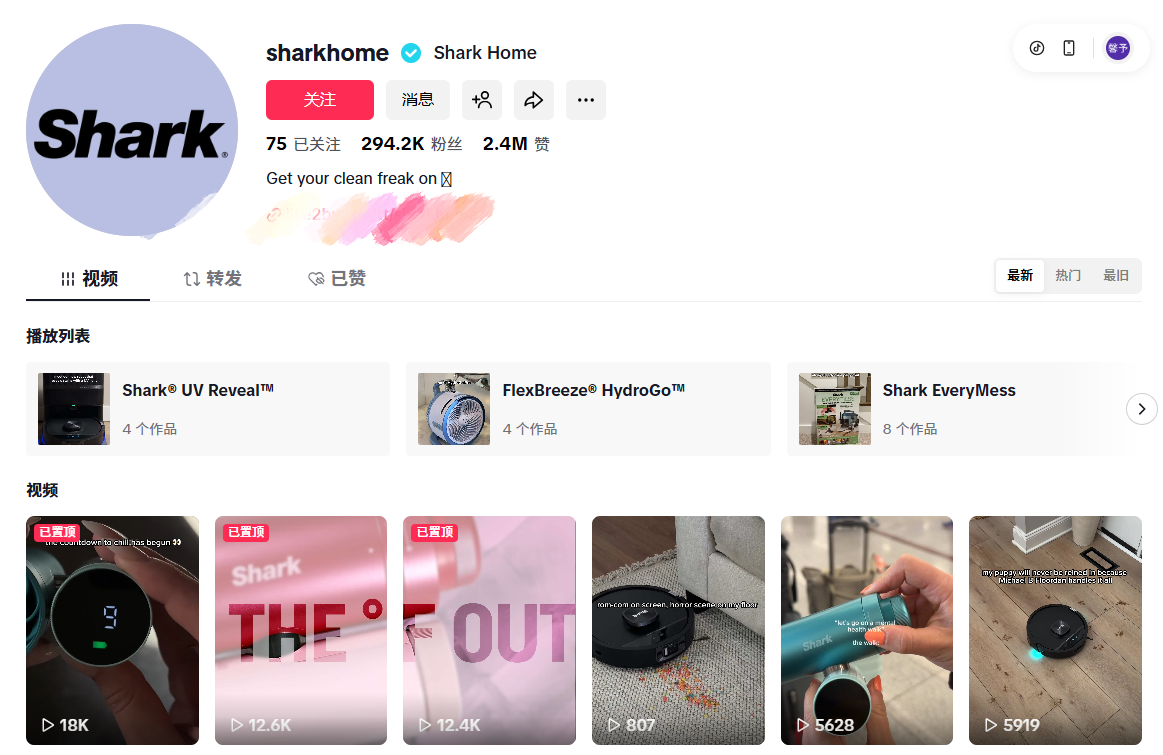
Bis zumMärz 2026, @ninjakitchen hat bereits 1,8 Millionen Follower gesammelt, 14,7 Millionen Likes erhalten, @sharkhome hat auch 294.200 Follower, insgesamt 2,4 Millionen Likes, die beiden Konten erreichen jeweils Nutzer mit unterschiedlichen Bedürfnissen in den Bereichen Küchengeräte und Reinigung, um eine Verwirrung der Markenpositionierung zu vermeiden.
Bildquelle:TikTok
Heute, beginnen wir zuerst mitNinja, um zu sehen, wie es auf TikTok Inhalte erstellt.
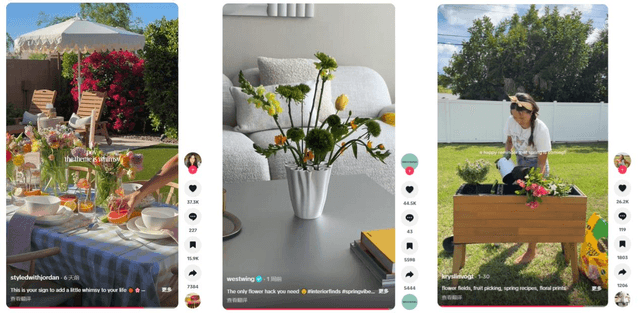
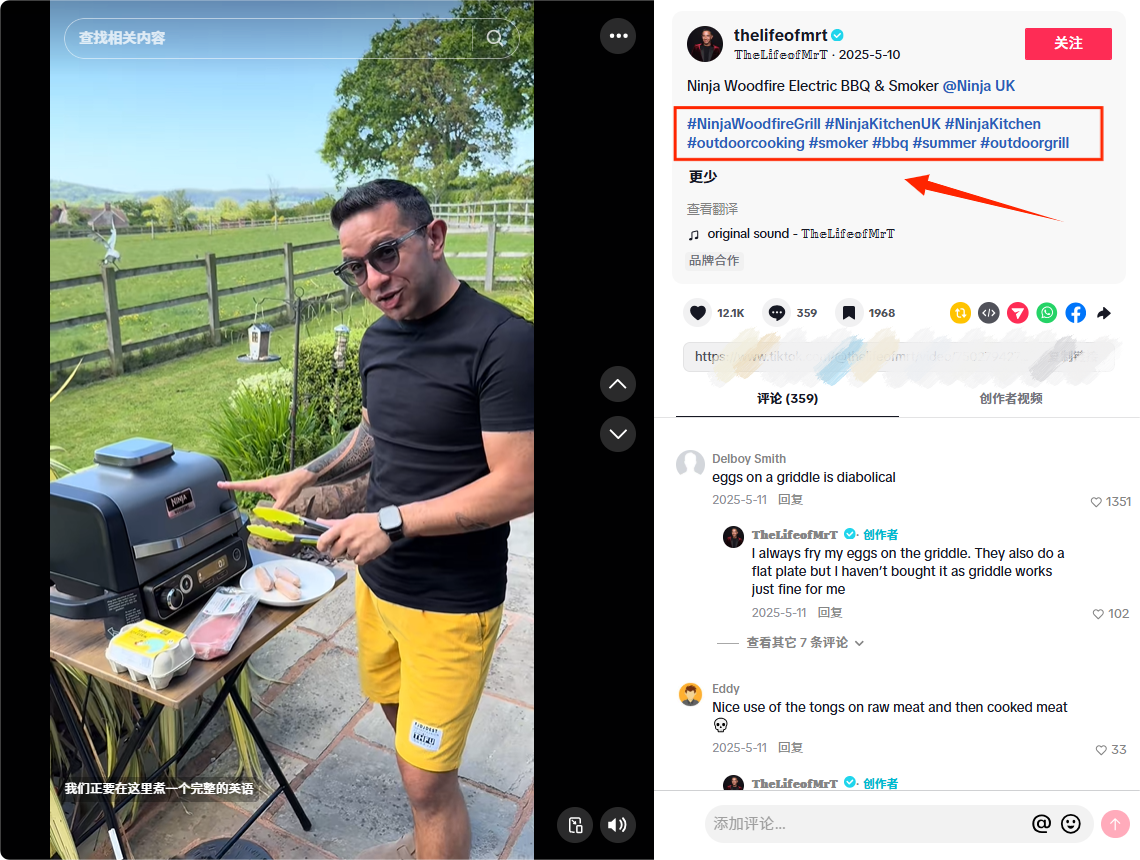
Die Content-Strategie von Ninja ist sehr methodisch, einfach gesagt, zuerstbindet man an heiße Themen,dannszenische Einbettung. Zum Beispiel, sie werdendas Produkt integrieren in#OutdoorCooking、#CampingEssentials und andere Themen, um die Produktvorteile in realen Nutzungsszenarien natürlich darzustellen, anstatt grob die Verkaufsargumente zu rufen.
Bildquelle:TikTok
Auf dem Account@ninjakitchen sieht man oft solche szenischen Inhalte.
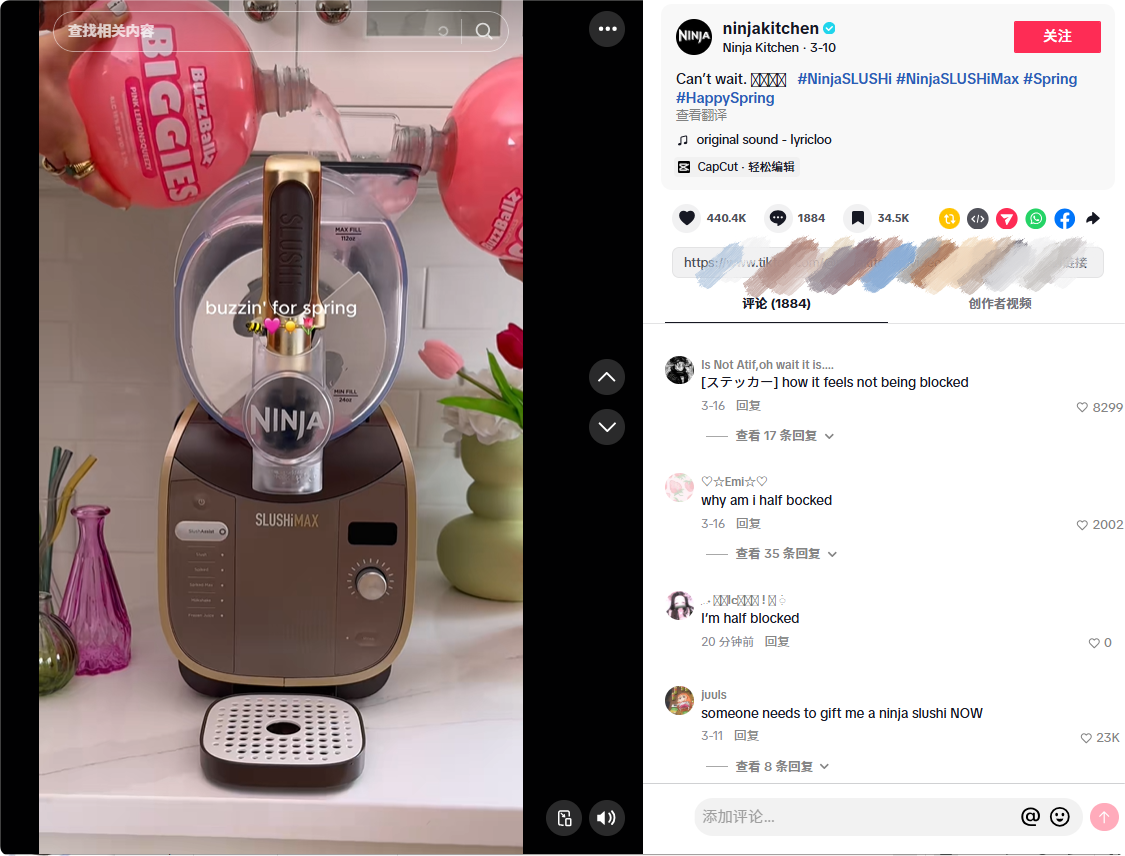
Zum Beispiel, dieses JahrEin Anfang März veröffentlichtes Video, sie haben geschickt den #Spring-Tag integriert, den Ninja SLUSHii Smoothie-Maker in die Frühlingsatmosphäre eingebunden und sofort die Sehnsucht der Nutzer nach saisonal begrenzten Szenen entfacht.
Dieses Video hat am Ende über5,2 Millionen Aufrufe erzielt. Die Kommentarbereiche waren voller Erwartungen und Diskussionen über das Produkt. Der Effekt von szenariobasierten Inhalten war deutlich sichtbar.
Bildquelle:TikTok
Im Bereich der Influencer-Kooperationen,Auch Ninja übersprang das traditionelle Werbemodell und ging stattdessen langfristige Kooperationen mit Influencern in vertikalen Nischen ein.
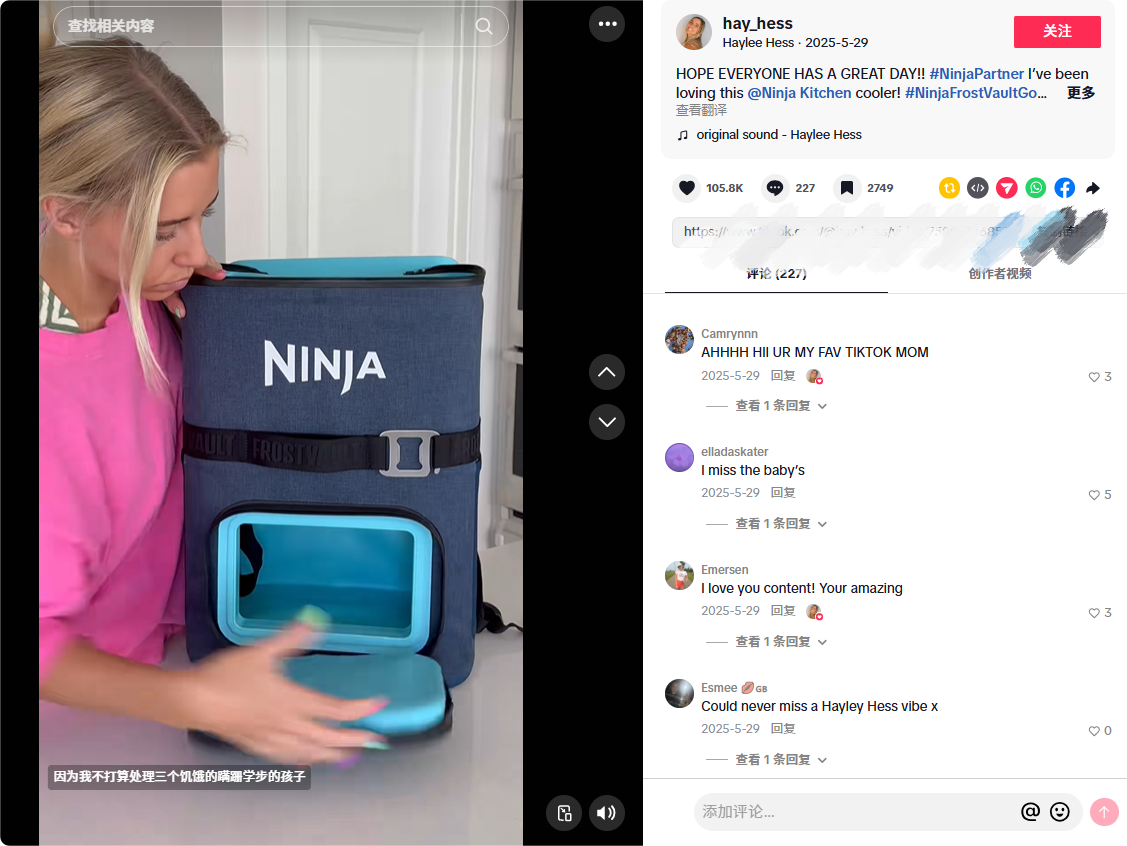
Am Beispiel der TikTok-Influencerin @hay_hes, die normalerweise Familieninhalte teilt und einen natürlichen und authentischen Stil hat.
In dem Video in Zusammenarbeit mit der Marke wählte sie den Familienalltag, in dem sie ihre Kinder zum Schwimmbad mitnimmt, als Hintergrund und integrierte auf natürliche Weiseden Nutzungskontext des Ninja FrostVault Kühlschranks, und erklärte nebenbei die Kernvorteile wie „24 Stunden Kälteerhalt, separates Trockenlager“.
Die gesamte Sequenz fügte sich in den herzlichen Familienalltag ein, passte sowohl zum gewohnten Inhaltsstil des Influencers als auch ließ die Zuschauer unbewusst den Produktwert spüren, was für Familiennutzer leicht eine Identifikation erzeugte.
Bildquelle:TikTok
Diese Art des Influencer-Marketings erzielte ebenfalls sehr beeindruckende Ergebnisse.
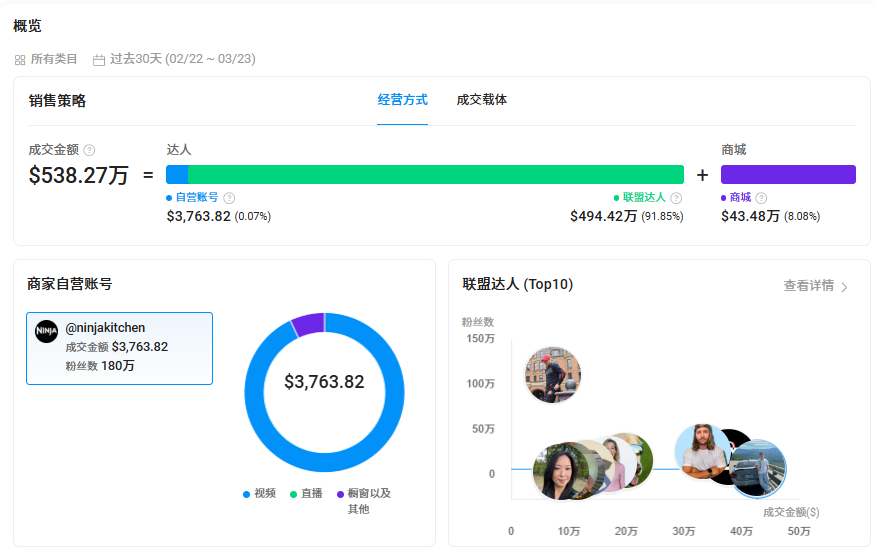
Lautden öffentlichen Daten des TikTok Shops vom 22. Februar bis 23. März 2026 erzielte der Ninja Kitchen US-Shop in den letzten 30 Tagen einen Umsatz von 5.382.700 USD, wobei der Umsatz über Affiliate-Influencer 4.944.200 USD betrug, was 91,85 % des Gesamtumsatzes ausmachte. Dies bestätigt die Machbarkeit dieses Modells.
Bildquelle:kalodata
Die unabhängige Website und DTC: Die Kundenbeziehungen selbst in der Hand halten
Neben traditionellen Einzelhandelskanälen und Plattform-E-Commerce,hat SharkNinja in den letzten Jahren ebenfalls aktiv den Aufbau der unabhängigen Website und des Direct-to-Consumer (DTC) vorangetrieben.
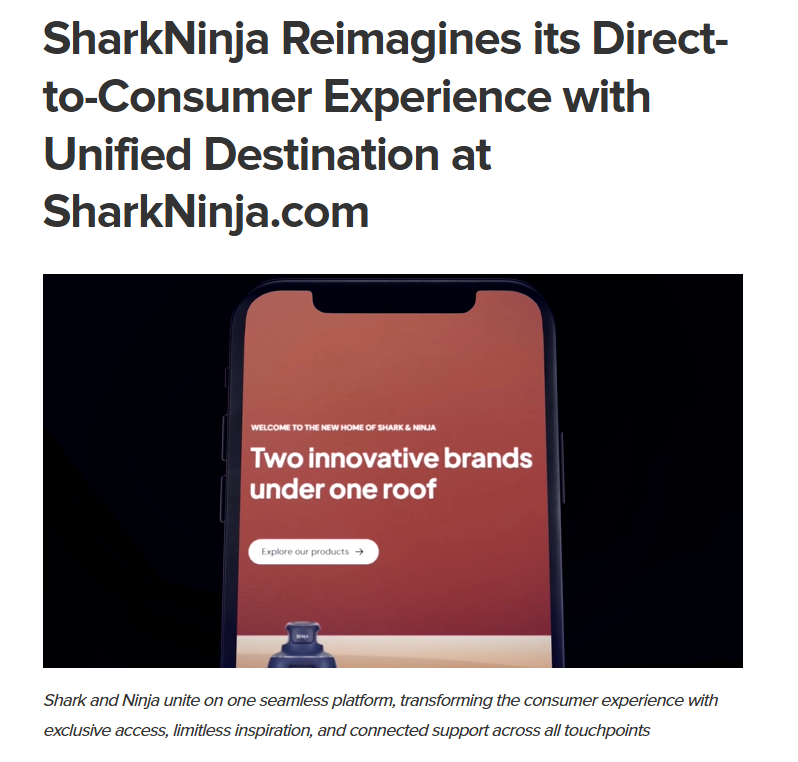
Gemäß der Pressemitteilung des Unternehmensvom Oktober 2025 hat SharkNinja die unabhängige Website einheitlich aufgewertet und darauf ein „einheitliches Ziel“ aufgebaut, um die Conversion-Rate und die Konsistenz des Markenerlebnisses zu verbessern.
Dies bedeutet, dass die Marke nicht mehr nur von Drittanbieter-Einzelhandel und Plattform-Traffic abhängig ist, sondern durch die unabhängige Website First-Party-Nutzerdaten sammelt und gleichzeitig mit Social-Ads und Content-Marketing verknüpft, um einen Kreislauf zu bilden: „Einführung – Weiterleitung – Abschluss – Mitgliederbindung“-Kreislauf.
Darüber hinaus ist das Management des Unternehmens auchIn der Kommunikation zum Geschäftsbericht 2025 wurde klar erwähnt, dass die Investitionen in Softwarefähigkeiten und Direct-to-Consumer-Plattformen erhöht werden, um bei der globalen Expansion die Verhandlungsmacht und Markenkontrolle der eigenen Vertriebskanäle zu stärken.
Bildquelle:SharkNinja
vonVom Weg von SharkNinja kann man einen immer deutlicher werdenden Trend erkennen: Im Auslandsmarkt zu agieren, geht weit über das einfache “Verkauf von etablierten Inlandsprodukten ins Ausland” hinaus. Vielmehr ist eine systematische Neustrukturierung von Marke, Produkt, Vertriebskanal bis hin zur Organisationsform erforderlich.
Man muss verstehen, dass das Auslandsgeschäft nicht mehr nur“Aufgabe der Marketingabteilung”, sondern ein langfristiges strategisches Projekt von oben nach unten.
Für Unternehmen, die noch zögern, ob sie ins Ausland gehen sollen, oder die nur“Pilotprojekte” durchführenden Unternehmen zufolge, ist es derzeit am wichtigsten, so schnell wie möglich einen klaren Zeitplan und Investitionsplan festzulegen und im Rahmen des Machbaren den ersten Schritt zu tun.