 1571
1571
Freunde, die im Cross-Border E-Commerce tätig sind, sollten dies in den letzten zwei Jahren gespürt haben:TikTok Shop ist nicht mehr der wilde Wachstums-Traffic-Punkt, die Plattform ist vollständig in eine neue Phase der "Feinsteuerung, Compliance und Markenbildung" eingetreten. Viele Anfänger sind verwirrt – Cross-Border-Shop oder Local Shop, welchen Weg soll man wählen?
Von der Registrierungsidentität, Versandmethode bis hin zur Rückzahlungsgeschwindigkeit und Plattform-Traffic sind die Unterschiede enorm. Einfach gesagt, Local Shops sind bodenständiger und haben in der Regel höhere Konversionsraten, aber auch höhere Eintrittsbarrieren; Cross-Border-Shops sind freundlicher für chinesische Verkäufer und eignen sich für kostengünstige Tests. Heute erklären wir es klar, um dir zu helfen, den für dich am besten geeigneten Weg zu finden.

Bildquelle: Internet
1. Zuerst verstehenWas ist der Unterschied zwischen "Local Shop" und "Cross-Border Shop"?
Viele denken, es sei nur Verkauf auf der Plattform, wie groß kann der Unterschied schon sein? Tatsächlich sind es von Grund auf zwei verschiedene Spielweisen.
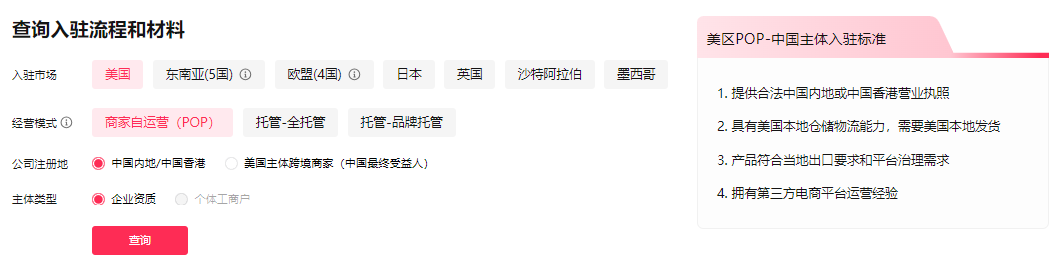
Cross-Border Shop,einfach gesagtDas bedeutet, mit inländischen Unternehmensqualifikationen (z.B. chinesische Gewerbelizenz) einen Shop auf einer Übersee-Plattform zu eröffnen. Du musst die Ware nur an das inländische Sammellager der Plattform senden, den Rest – grenzüberschreitenden Transport, Zollabfertigung und letzte Meile – übernimmt die Plattform vollständig.
Der größte Vorteil dieses Modells ist die niedrige Eintrittsschwelle und Sorgenfreiheit– Anfänger-Teams und Einzelverkäufer können zu geringen Kosten testen.
Aber die Nachteile sind auch offensichtlich: Der Versand dauert normalerweise7 bis 15 Tage, und Produkte wie Flüssigkeiten, batteriebetriebene Artikel und viele Beauty-Kategorien unterliegen strengen Beschränkungen bei der Listung in Cross-Border-Shops.
Bildquelle:TikTok Shop
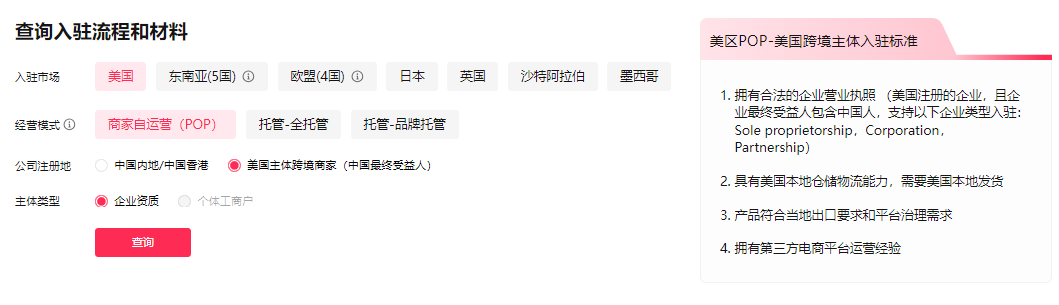
Local Shops hingegen werden mit Unternehmensqualifikationen des Ziellandes vor Ort registriert. Wenn du z.B. den US-Markt erschließen willst, benötigst du eine Lizenz eines US-Unternehmens, eine Steuernummer und ein lokales Bankkonto.
Der größte Vorteil von Local Shops ist das höhere Traffic-Gewicht, die Plattformalgorithmen geben eine gewisse Bevorzugung, Verbraucher sehen"Lokaler Versand" und sind eher bereit zu bestellen, die Konversionsrate ist deutlich besser als bei Cross-Border-Shops. Zudem können fast alle Kategorien verkauft werden, die Lieferung erfolgt in 3 bis 5 Tagen, was die Benutzererfahrung deutlich verbessert.
Aber der Preis ist direkt: Du musst vorab Waren in Überseelagern einlagern, der Kapitaldruck ist hoch, die Steuer-Compliance-Kosten sind ebenfalls hoch, und bei Fehlentscheidungen bei der Produktauswahl kannst du alles verlieren.
Bildquelle:TikTok Shop
2. Wähle nicht blind, nutze diese einfache Methode, um herauszufinden, welcher Weg zu dir passt
Das Prinzip zur Entscheidung ist ein Satz:Benutze nicht taktischen Fleiß, um strategische Faulheit zu verbergen. Viele Menschen zögern gleich zu Beginn"Welcher Shop verdient mehr Geld?", aber die Kernfrage ist, welche Ressourcen du zur Verfügung hast.
Wenn deine Situation so ist,Das Team ist klein, das Startkapital begrenzt, und du möchtest zuerst sehen, ob das Produkt im Ausland einen Markt hat. Dann wird empfohlen, mit einem grenzüberschreitenden Shop zu beginnen. Die Einstiegshürde für einen grenzüberschreitenden Shop ist relativ niedrig; mit einem Satz inländischer Unterlagen kannst du dich bewerben. Du kannst die Marktreaktion zu niedrigen Kosten testen, und nachdem du einen Hit gelandet und Daten gesammelt hast, kannst du über die nächsten Schritte nachdenken.
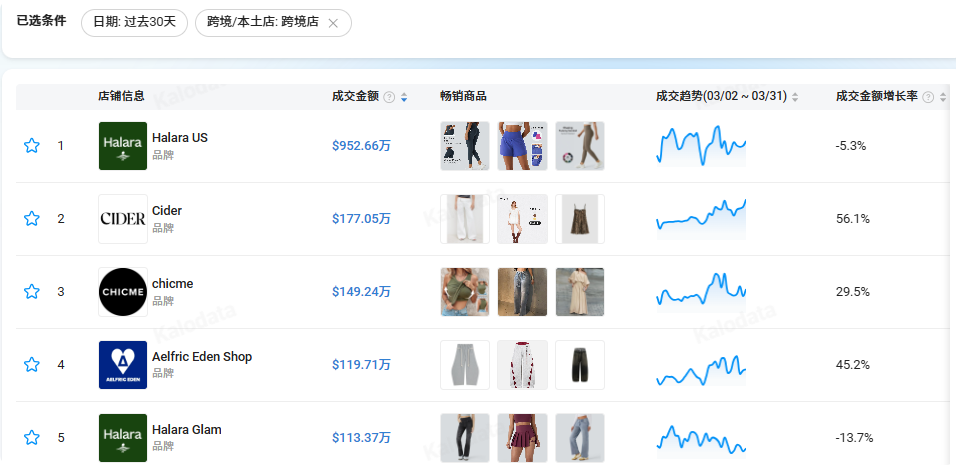
Bildquelle:kalodata
Wenn du ein Team mit einer soliden Lieferkette bist, über eine gewisse finanzielle Stärke verfügst und vorhast, in einem bestimmten Markt langfristig zu investieren, dann zögere nicht.,Ein lokaler Shop ist die unvermeidliche Wahl. Er hilft dir, Wachstumsengpässe zu überwinden, ein Markenimage aufzubauen, und du kannst an verschiedenen lokalen Werbeaktionen der Plattform teilnehmen und mehr Traffic-Subventionen erhalten.
Es gibt auch eine fortgeschrittene Methode namens Kombinationsschlag: Zuerst testest du mit einem grenzüberschreitenden Shop, wählst einige vielversprechende Hits aus, lagerst diese Produkte dann in einem Übersee-Lager ein und eröffnest einen lokalen Shop, um das Volumen zu steigern. Zum Beispiel manche3C-Verkäufer verlagern nach einem stabilen monatlichen Verkauf von 5000 Stück entschlossen ihre Lagerbestände in ein US-Lager, was sowohl die Fehlerkosten senkt als auch die Conversion-Vorteile des lokalen Versands nutzt.
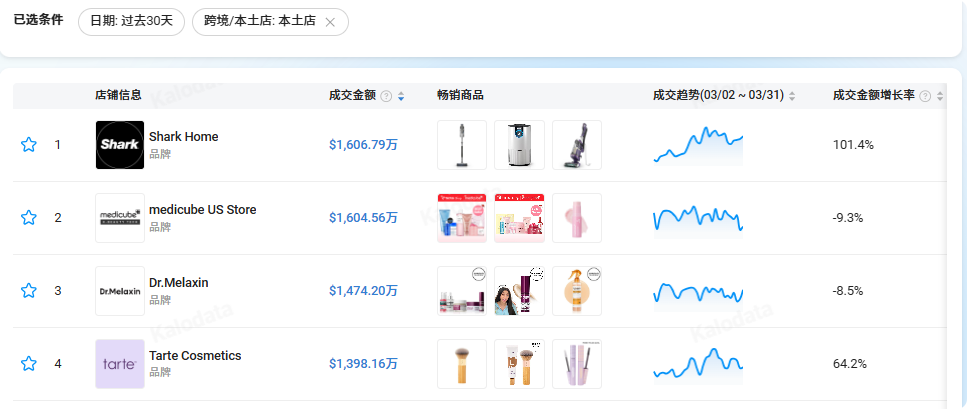
Bildquelle:kalodata
Drei、Frühling ist die beste Zeit, einzusteigen, warte nicht
Jetzt istFünfAnfang des Monats,TikTok Shop hat gerade die Frühjahrsaktion beendet. Die Schwerpunktkategorien der Plattform umfassen Modebekleidung, Schönheits- und Körperpflege, Haushaltsreinigung und Outdoor-Ausrüstung.
Die große Aktion ist gerade vorbei, aber die Konsumbegeisterung hält an.,Viele Nutzer wurden während der Aktion begeistert und haben auch danach noch ein starkes Kaufbedürfnis.
Egal, ob du dich letztendlich für einen lokalen Shop oder einen grenzüberschreitenden Shop entscheidest, es gibt zwei Punkte, die alle beachten müssen:
Erstens, halte dich an die Vorschriften und stolpere nicht über Details.Im Jahr 2026 werden die Anforderungen der Plattform an die Qualifikationsprüfung und Steuerkonformität immer höher. Grenzüberschreitende Shops sollten auf die Kaution (bis zu 5000 USD) achten, lokale Shops müssen die lokalen Steuern ordentlich regeln, zum Beispiel ist die europäische Umsatzsteuer (VAT) ein nicht unerheblicher versteckter Kostenfaktor.
Zweitens, Content-Fähigkeit ist dein Burggraben. Egal ob Kurzvideos oder Live-Streaming, die Plattform neigt jetzt eher dazu, denjenigen, die„原生感” Inhalte produzieren, Traffic zu geben. Einfach gesagt, deine Videos sollten aussehen, als wären sie von Einheimischen gedreht, der Sprachstil und die ästhetische Ausrichtung müssen passen.
Bildquelle: Internet
Zum Schluss
Die Wahl zwischen einem lokalen und einem grenzüberschreitenden Shop ist im Grunde kein„Welches ist besser“ Problem, sondern ein „Welches passt besser zu dir jetzt“ Problem. Anfänger können zuerst mit dem grenzüberschreitenden Shop Erfahrungen sammeln, und wenn es läuft, auf den lokalen Shop upgraden. Teams mit Stärke können direkt den lokalen Shop nutzen, um von Traffic und Conversion-Vorteilen zu profitieren. Kluge Verkäufer nutzen die Kombination von „grenzüberschreitender Shop für Produkttests + lokaler Shop für Mengenverkauf“, um die Vorteile beider Wege zu nutzen.
Der Frühling wartet nicht, die saisonalen Einkaufsbedürfnisse der Überseekunden sind direkt vor der Tür. Zuerst die eigenen Ressourcen überprüfen, dann mutig ausprobieren. Denken Sie an einen Satz: Bei Cross-Border E-Commerce ist das Schlimmste nicht, das falsche Modell zu wählen, sondern ständig zu zögern und nichts zu tun. Los geht's!