 2120
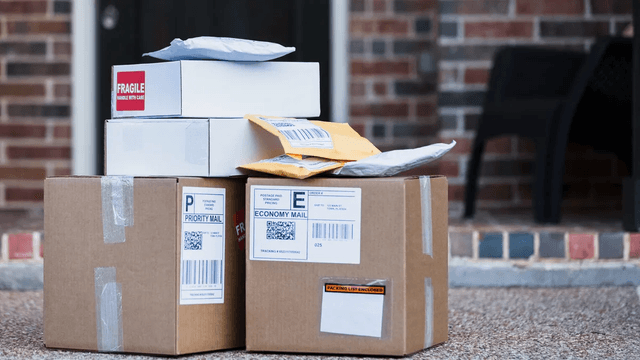
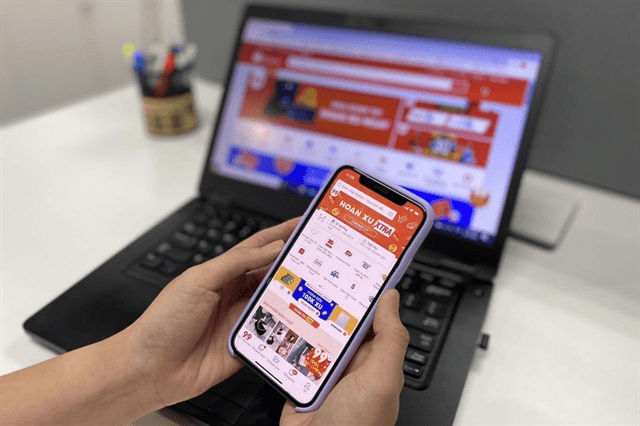
2120Auf einer E-Commerce-Plattform ein günstiges „Originalprodukt“ kaufen, aber stattdessen eine Fälschung erhalten, die aus Materialien im Wert von ein paar Cent zusammengebastelt wurde.
Solche Vorfälle bereiten nicht nur Verbrauchern Kopfzerbrechen, sondern auch den Aufsichtsbehörden große Mühe. Kürzlich veröffentlichte die vietnamesische Zollbehörde alarmierende Daten: Im Jahr 2024 wurden gefälschte und minderwertige Waren im Wert von bis zu 12,3 Milliarden US-Dollar beschlagnahmt, ein Anstieg von 151,3 % im Vergleich zum Vorjahr. Fälle von Schmuggel, Handelsbetrug und gefälschten Waren häufen sich, und auch E-Commerce-Plattformen stehen im Zentrum des Sturms.
Quelle: Internet
Warum ist das Problem der Fälschungen so gravierend?
Laut Zolldaten wurden in Vietnam im Jahr 2024 insgesamt fast 18.000 Fälle von Schmuggel, Handelsbetrug und gefälschten Waren aufgedeckt, ein Anstieg von 12,5 % gegenüber 2023. Die beschlagnahmten illegalen Waren sind vielfältig und reichen von gefälschten Medikamenten bis hin zu Alltagsgegenständen, die fast alle Bereiche des Verbraucherlebens abdecken. Ein typisches Beispiel ereignete sich in der Provinz Thanh Hóa, wo die örtliche Polizei bei einer Aktion eine große Menge an fertigen gefälschten Gelenkschmerzmitteln und Produktionswerkzeugen beschlagnahmte, wobei die betroffenen Materialien bis zu 1.000 Kartons umfassten – ein Zeichen für das enorme Ausmaß der Fälschungsproduktion.
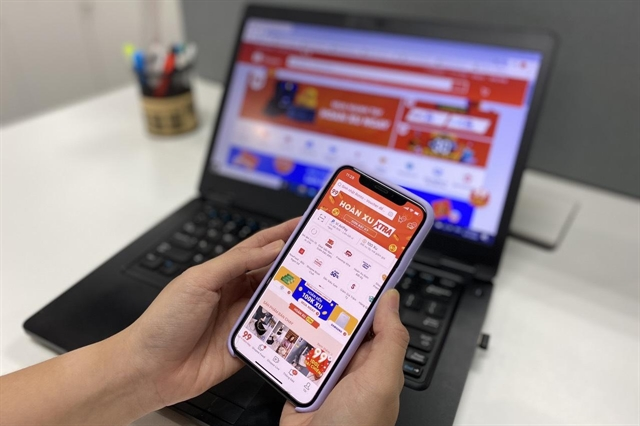
Noch besorgniserregender ist, dass Kriminelle E-Commerce-Plattformen und soziale Netzwerke als Hauptkanäle für den Verkauf von Fälschungen nutzen. Die vietnamesische Zollbehörde weist darauf hin, dass die Bequemlichkeit des E-Commerce und die Anonymität von Online-Transaktionen einen Nährboden für den Umlauf von Fälschungen bieten. Viele Verbraucher werden von den niedrigen Preisen angelockt, ohne sich der enormen Qualitäts- und Sicherheitsrisiken bewusst zu sein, die dahinterstecken.
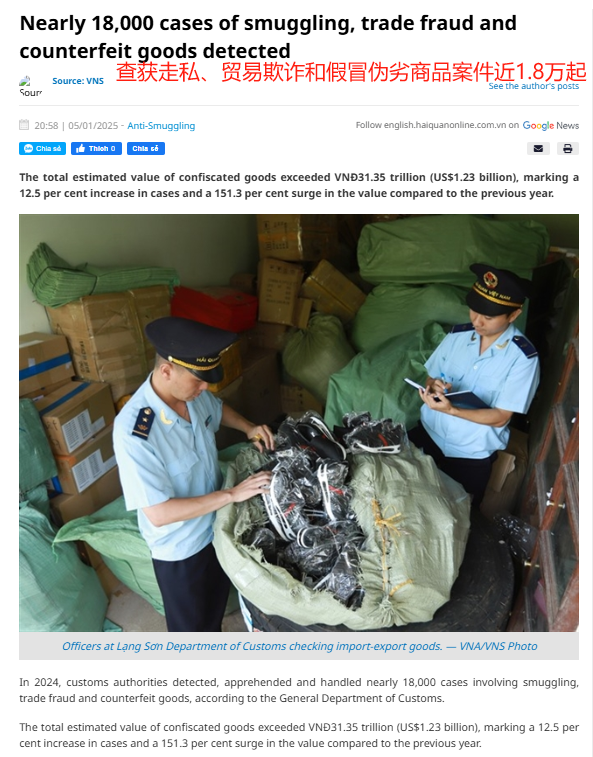
Vietnam deckte fast 18.000 Schmuggelfälle auf. Quelle: Hải quan Online
Nicht nur Vietnam, ganz Südostasien ist betroffen
Das Problem der Fälschungen in Vietnam ist kein Einzelfall. Auch andere südostasiatische Länder kämpfen mit dem Schatten gefälschter und minderwertiger Waren. Auf den Philippinen beispielsweise belief sich der Gesamtwert der 2024 beschlagnahmten Schmuggelware auf 81 Milliarden Philippinische Pesos, fast doppelt so viel wie im Jahr 2023. Zu diesen Waren gehören sowohl nicht lizenzierte Elektronikprodukte als auch gefälschte Luxusgüter und sogar einige Alltagsgegenstände.
Warum ist das Problem der Fälschungen in Südostasien so weit verbreitet? Die Hauptgründe lassen sich wie folgt zusammenfassen:
1. Regulatorische Verzögerung: Der E-Commerce-Markt in Südostasien wächst rasant, aber das Regulierungssystem hat mit der Branche nicht Schritt gehalten. Viele Länder verfügen nicht über umfassende Gesetze und Vorschriften für Online-Transaktionen.
2. Hohe Verbrauchernachfrage: Preisbewusste Verbraucher sind die Haupttreiber des Fälschungsmarktes. Die Verlockung billiger Waren verleitet viele dazu, ein „Risiko einzugehen“.
3. Vielfältige Vertriebskanäle: Von sozialen Medien bis hin zu grenzüberschreitender Logistik können Fälschungen über verschiedene Wege zu den Verbrauchern gelangen, was die Regulierung zusätzlich erschwert.
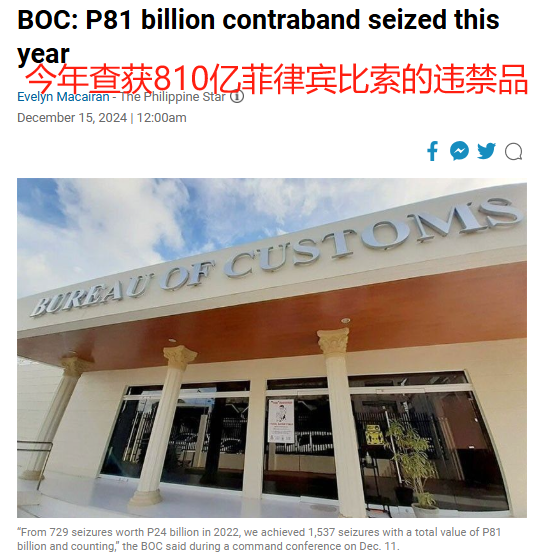
Philippinen 2024 beschlagnahmte Schmuggelware im Gesamtwert von 81 Milliarden Philippinischen Pesos. Quelle: philstar
Warum sind E-Commerce-Plattformen zu „Brennpunkten“ geworden?
Das Phänomen, dass Fälschungen über E-Commerce-Plattformen in den Markt gelangen, ist nicht neu, hat sich aber in den letzten Jahren verschärft. Für Verbraucher bedeuten E-Commerce-Plattformen Bequemlichkeit, große Auswahl und niedrige Preise – genau diese Eigenschaften bieten einen Nährboden für Fälschungen. Niedrige Preise ziehen die Aufmerksamkeit auf sich, und wenn Händler unter dem Deckmantel von „Rabattaktionen“ Fälschungen als „hochwertige Schnäppchen“ tarnen, können normale Verbraucher sie oft nur schwer unterscheiden.
Noch schlimmer ist, dass viele E-Commerce-Plattformen Lücken in ihren Überprüfungsmechanismen aufweisen. Einige unseriöse Händler registrieren Geschäfte mit falschen Identitäten, tätigen innerhalb kurzer Zeit Verkäufe und ziehen sich dann schnell zurück, wobei sie Fälschungen und Beschwerden hinterlassen. Das Problem der Fälschungen auf dem vietnamesischen Markt verärgert nicht nur die Verbraucher, sondern schadet auch dem Ruf der Plattformen erheblich.
Aber sind die Plattformen wirklich „unschuldig“? Tatsache ist, dass viele Plattformen bei der Verfolgung von Transaktionsvolumen und der Anzahl der gelisteten Verkäufer die Qualität der Waren nicht ausreichend überprüfen. Einige Plattformen tolerieren dieses Phänomen sogar stillschweigend, solange es die Gesamteinnahmen der Plattform nicht beeinträchtigt, und entscheiden sich dafür, „ein Auge zuzudrücken“.

Quelle: Internet
Mehrseitige Zusammenarbeit: Ein „Maßnahmenpaket“ zur Bekämpfung von Fälschungen ist nötig
Angesichts des zunehmend grassierenden Handels mit Fälschungen hat die vietnamesische Regierung bereits Maßnahmen ergriffen. Le Hoang Oanh, Direktor der Abteilung für E-Commerce und digitale Wirtschaft des Ministeriums für Industrie und Handel Vietnams, erklärte kürzlich, dass die einschlägigen Gesetze bis 2025 verbessert und die Verwaltung des grenzüberschreitenden E-Commerce verstärkt werden sollen. Gleichzeitig versucht der vietnamesische Zoll, Big Data und technologische Mittel einzusetzen, um die Effizienz der Bekämpfung zu steigern.
Aber die alleinigen Bemühungen der Aufsichtsbehörden reichen offensichtlich nicht aus. Um das Problem der Fälschungen wirklich zu lösen, ist eine gemeinsame Anstrengung mehrerer Akteure erforderlich:
· Regierung: Verbesserung der Gesetze und Vorschriften, verstärkte Durchsetzung und strengere Strafen für die Produktion und den Verkauf von Fälschungen.
· Plattformen: Übernahme sozialer Verantwortung, Aufrüstung technischer Werkzeuge und Einrichtung robuster Mechanismen zur Erkennung und Meldung von Fälschungen.
· Verbraucher: Erhöhung der Wachsamkeit beim Einkauf, keine Waren unbekannter Herkunft aufgrund von Niedrigpreisangeboten kaufen.

Le Hoang Oanh. Quelle: vietnam.vn
Ein gesundes E-Commerce-Ökosystem erfordert mehr Geduld
Die Ursachen des Fälschungsproblems sind nicht von heute auf morgen zu lösen, aber die Aktionen Vietnams im Jahr 2024 sind zweifellos ein positives Signal. Von der Beschlagnahmung illegaler Waren im Wert von über 12 Milliarden US-Dollar bis hin zur strengen Bestrafung damit verbundener Gesetzesverstöße zeigt Vietnam der Welt seine Entschlossenheit im Kampf gegen Fälschungen. Die Lösung des Fälschungsproblems betrifft jedoch nicht nur Vietnam, sondern auch die Glaubwürdigkeit und Zukunft des gesamten südostasiatischen Marktes.
Mit der weiteren Entwicklung des E-Commerce-Marktes werden die Verbesserung des Regulierungssystems, das Bewusstsein der Plattformen und die Reife der Verbraucher entscheidend sein. In Zukunft wird eine gesunde, transparente E-Commerce-Umgebung nicht nur das Ziel der Regulierungsbehörden sein, sondern auch die gemeinsame Erwartung von Verbrauchern und der Branche.