 2063
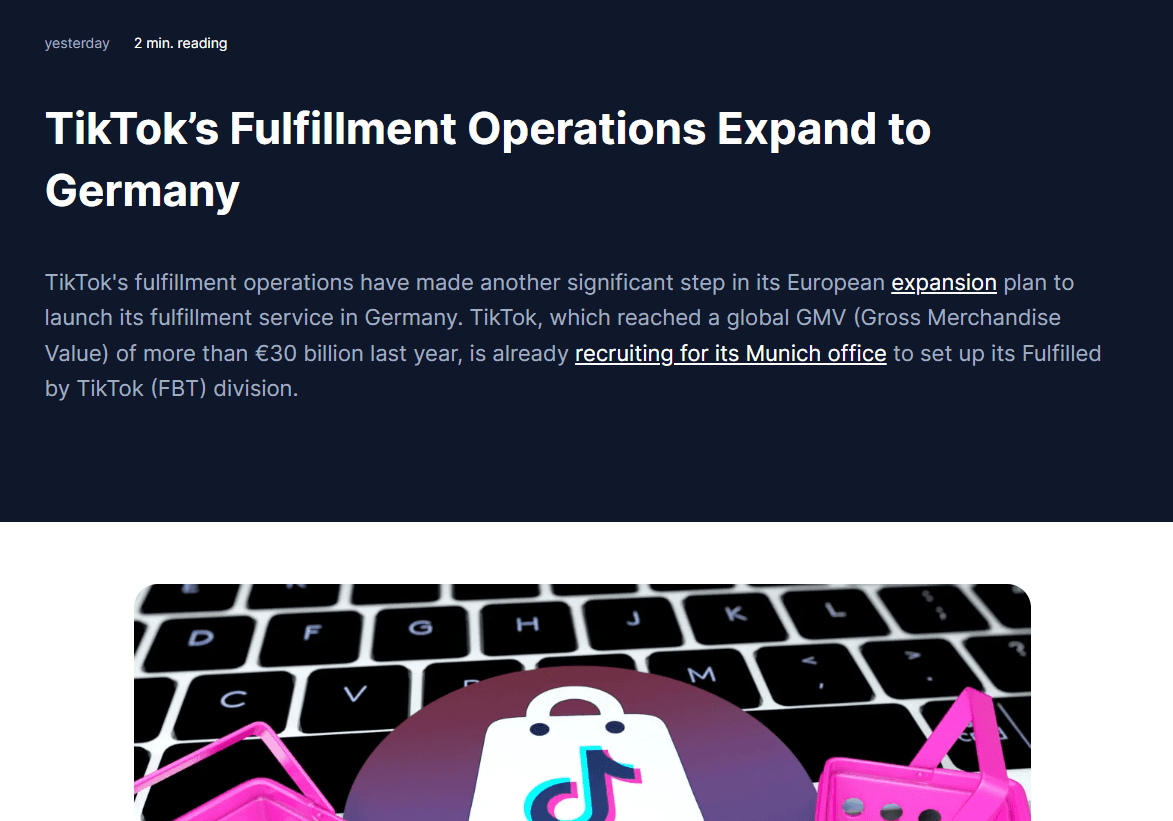
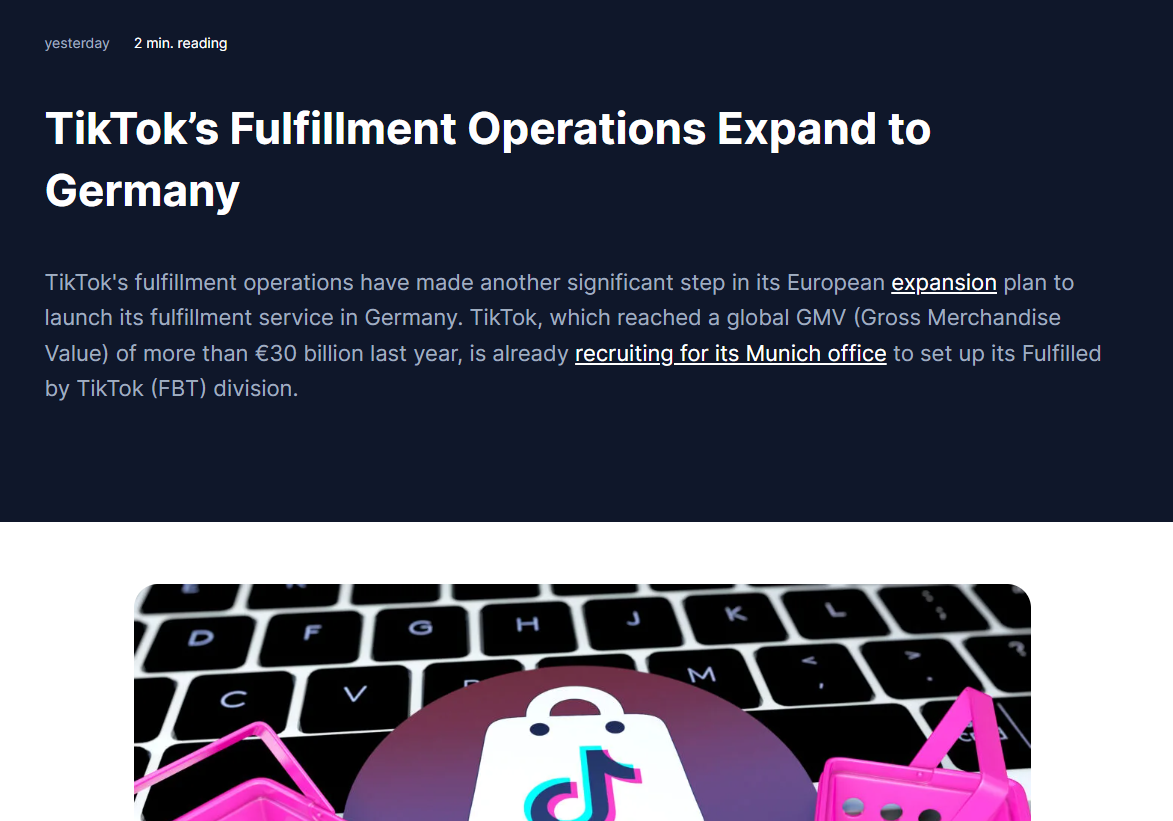
2063Während chinesische Internetnutzer noch TikTok-Kurzvideos schauen und sich amüsieren, bereitet der globale Social-Media-Riese in Europa bereits Großes vor. Jüngsten Berichten zufolge plant TikTok, in Deutschland den Logistikdienst „Fulfilled by TikTok“ (FBT) einzuführen und gleichzeitig sein E-Commerce-Geschäft in mehreren europäischen Ländern voranzutreiben. Von Großbritannien über die USA bis nach Deutschland – TikToks Logistik- und E-Commerce-Imperium expandiert Schritt für Schritt. Kann TikTok in diesem „europäischen E-Commerce-Krieg“ für Aufsehen sorgen?
Quelle: ecommercebridge.com
1. Logistik in Deutschland: TikTok als Rückhalt für Verkäufer
Für grenzüberschreitende Verkäufer war Logistik schon immer eine Herausforderung – hohe Lagerkosten, langsame Lieferung, komplizierte Retouren, und schon ist der Gewinn dahin. Mit dem FBT-Dienst in Deutschland zielt TikTok genau auf diese Probleme ab.
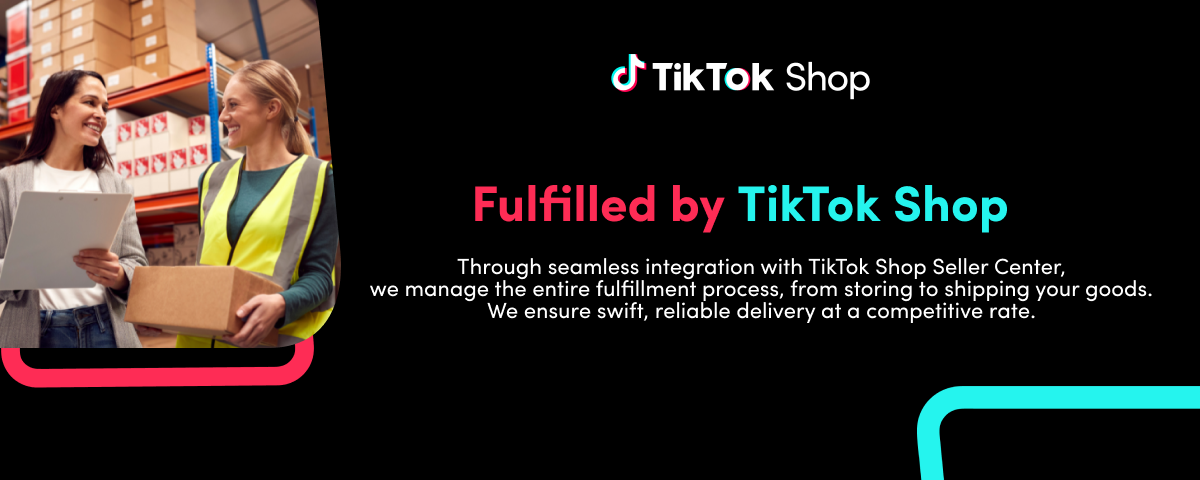
Berichten zufolge hat TikTok in München ein Logistikteam aufgebaut und plant, lokalen Verkäufern einen Komplettservice aus Lagerung, Kommissionierung, Verpackung und Versand anzubieten. Einfach gesagt: Verkäufer liefern ihre Ware nur noch an TikToks Lager, und der Rest – Verpackung und Versand – wird von der Plattform erledigt. Dieses Modell ähnelt Amazons FBA (Fulfillment by Amazon), aber TikToks Ambitionen gehen offenbar weit darüber hinaus.
Quelle: tiktokglobalshop
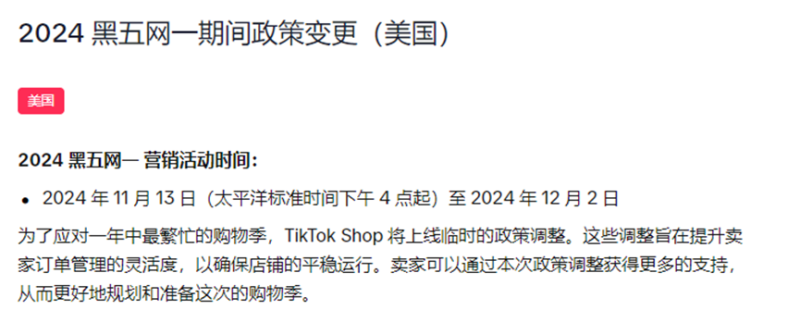
Zuvor wurde der FBT-Dienst von TikTok bereits in Großbritannien und den USA getestet. Während des Black Friday im letzten Jahr verlängerte TikTok beispielsweise die Auftragserfüllungsfristen und Rückgabefristen, um Verkäufern bei Spitzenbelastungen zu helfen. In den USA arbeitete TikTok zudem mit dem Logistikdienstleister ShipBob zusammen, um die Liefereffizienz weiter zu optimieren. Diese Erfahrungen werden nun auf Deutschland übertragen, mit einem klaren Ziel: Mit Logistikvorteilen mehr Verkäufer anzuziehen und gleichzeitig das Verbrauchererlebnis zu verbessern.
Quelle: TikTok Shop Academy
Warum Deutschland?
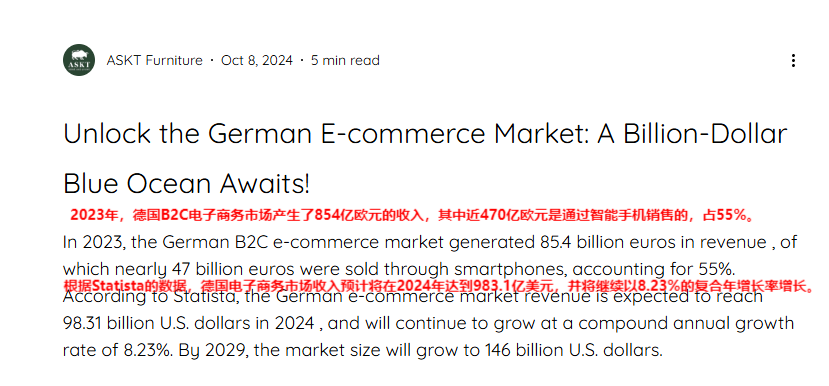
Deutschland ist einer der größten E-Commerce-Märkte in Europa, mit einem Volumen von über 85,4 Milliarden Euro im Jahr 2023. Allerdings plagen Verkäufer seit langem Probleme wie hohe Logistikkosten und unzuverlässige Lieferzeiten. TikTok betritt nun den Markt, um diese Lücke zu füllen und gleichzeitig mit lokalen Giganten zu konkurrieren. Der deutsche Mode-E-Commerce-Riese Zalando könnte beispielsweise ein Partner für TikTok werden – Zalando hat bereits Live-Shopping auf TikToks britischer Plattform getestet und dabei beeindruckende Verkaufszahlen erzielt. Sollten die beiden zusammenarbeiten, wäre TikToks Logistik- und E-Commerce-Geschäft in Deutschland ein großer Gewinn.
Quelle: ASKT Furniture
2. E-Commerce in Europa auf dem Vormarsch: Von Live-Shopping bis zum „kleinen gelben Wagen“
Logistik ist nur ein Teil von TikToks Europa-Plan; der eigentliche Schwerpunkt liegt auf dem E-Commerce.
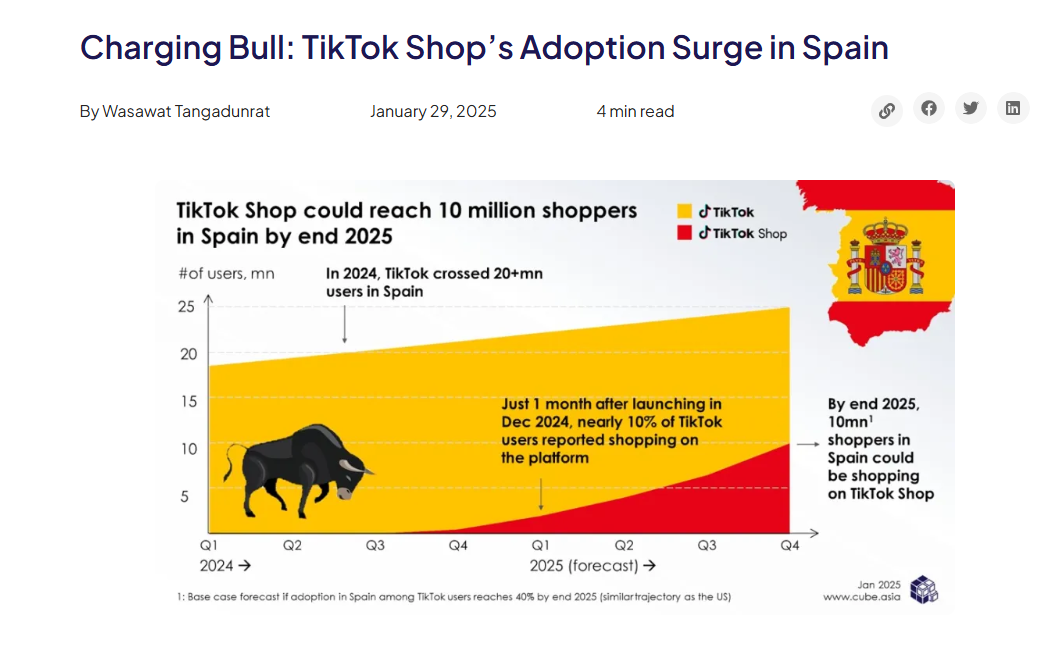
Ende 2023 wurde TikTok Shop (die Shop-Funktion) in Spanien und Irland eingeführt, mit einem Fokus auf „Live-Shopping + kleiner gelber Wagen (Produktlinks) + Affiliate-Marketing“. Spanische Nutzer können direkt in TikTok-Livestreams bestellen, und irische Verbraucher können beim Scrollen durch Kurzvideos „nebenbei einkaufen“. Wie erfolgreich war dieser Schritt? Bereits einen Monat nach dem Start im Dezember 2024 kauften fast 10 % der TikTok-Nutzer auf der Plattform ein. Prognosen zufolge wird die Nutzungsrate von TikTok in Spanien bis Ende 2025 40 % erreichen.
Quelle: cube.asia
Größere Schritte stehen bevor.
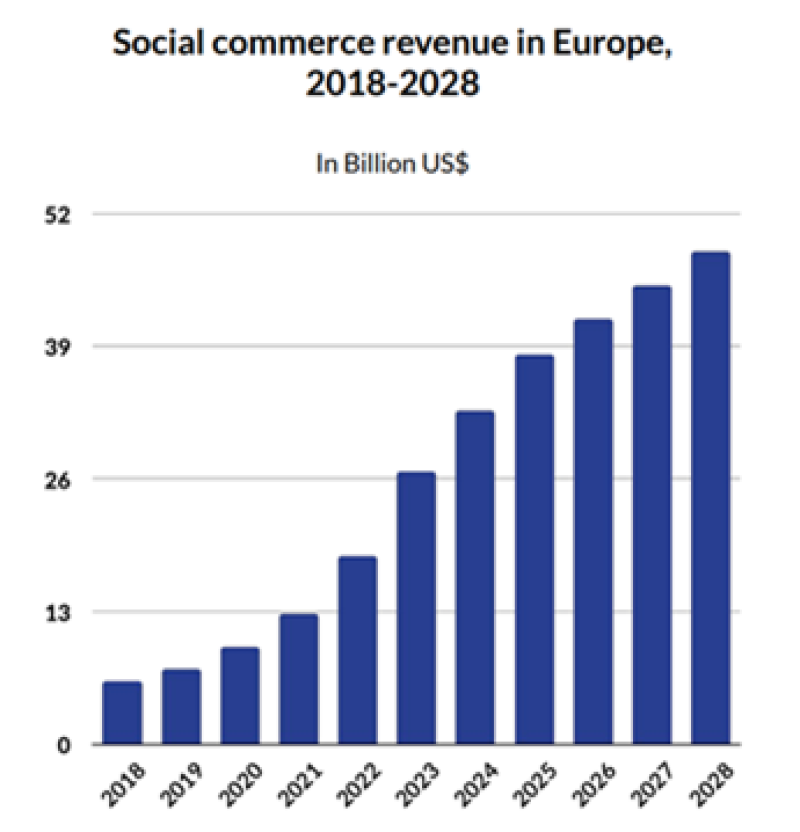
Derzeit stellt TikTok in europäischen Städten wie Amsterdam, Paris und Mailand aktiv Geschäfts- und Betriebspersonal ein. Es wird spekuliert, dass diese Regionen die nächsten Länder sein könnten, in denen TikTok Shop eingeführt wird. Schließlich ist das Potenzial des europäischen Social Commerce verlockend – der Markt hatte 2023 ein Volumen von 26,7 Milliarden US-Dollar und soll bis 2028 auf 48,3 Milliarden US-Dollar anwachsen. Großbritannien ist dabei der „große Bruder“, Spanien wächst am schnellsten, während Märkte wie Deutschland und Frankreich noch vor ihrem Durchbruch stehen.
Quelle: MikMak
3. Kann TikTok den Erfolg von Douyin in China wiederholen?
Der explosionsartige Aufstieg von Douyin E-Commerce in China hat der Branche das Potenzial von „Interest E-Commerce“ gezeigt. Im Jahr 2023 überstieg der Bruttowarenwert (GMV) von Douyin E-Commerce 2 Billionen Yuan, wobei Live-Shopping eine entscheidende Rolle spielte. Nun versucht TikTok offensichtlich, dieses Modell in Europa zu replizieren.
Kurzfristig liegt TikToks Durchbruch in der Kombination von „Logistik + lokalisierte Inhalte“. Durch den FBT-Dienst werden die Einstiegshürden für Verkäufer gesenkt, während Kurzvideos und Livestreams die Verbrauchernachfrage anregen, um letztendlich einen Kreislauf aus „Traffic – Conversion – Erfüllung“ zu schaffen.
Langfristig könnte TikTok Allianzen mit lokalen Unternehmen eingehen müssen. Beispielsweise eine Zusammenarbeit mit Zalando im Bekleidungsbereich, mit MediaMarkt bei Elektronikprodukten oder sogar eine Beteiligung an lokalen Logistikunternehmen. Schließlich ist es schwer, gegen lokale Größen anzukommen; Kooperation ist der Schlüssel zum europäischen Markt.

Bildquelle: Internet
Fazit: Ein Krieg, der die europäische E-Commerce-Landschaft verändert
Von der Logistik bis zum E-Commerce – TikToks Expansion in Europa ist keine Laune, sondern ein entscheidender Schritt in seiner globalen Strategie. Für Verkäufer bedeutet dies neue Chancen – niedrige Einstiegskosten, Traffic-Vorteile und Logistikunterstützung. Für Verbraucher könnte es ein bequemeres und unterhaltsameres Einkaufserlebnis bedeuten.
Natürlich wird dieser Krieg nicht einfach. Aber unabhängig davon hat TikToks Eintritt den europäischen E-Commerce-Markt bereits in Aufruhr versetzt. Wer wird am Ende gewinnen? Die Zeit wird es zeigen.
(Anmerkung: Die Daten und Informationen in diesem Artikel basieren auf öffentlichen Berichten und Branchenanalysen. Die konkreten Geschäftsentwicklungen entnehmen Sie bitte den offiziellen Ankündigungen von TikTok.)