 1652
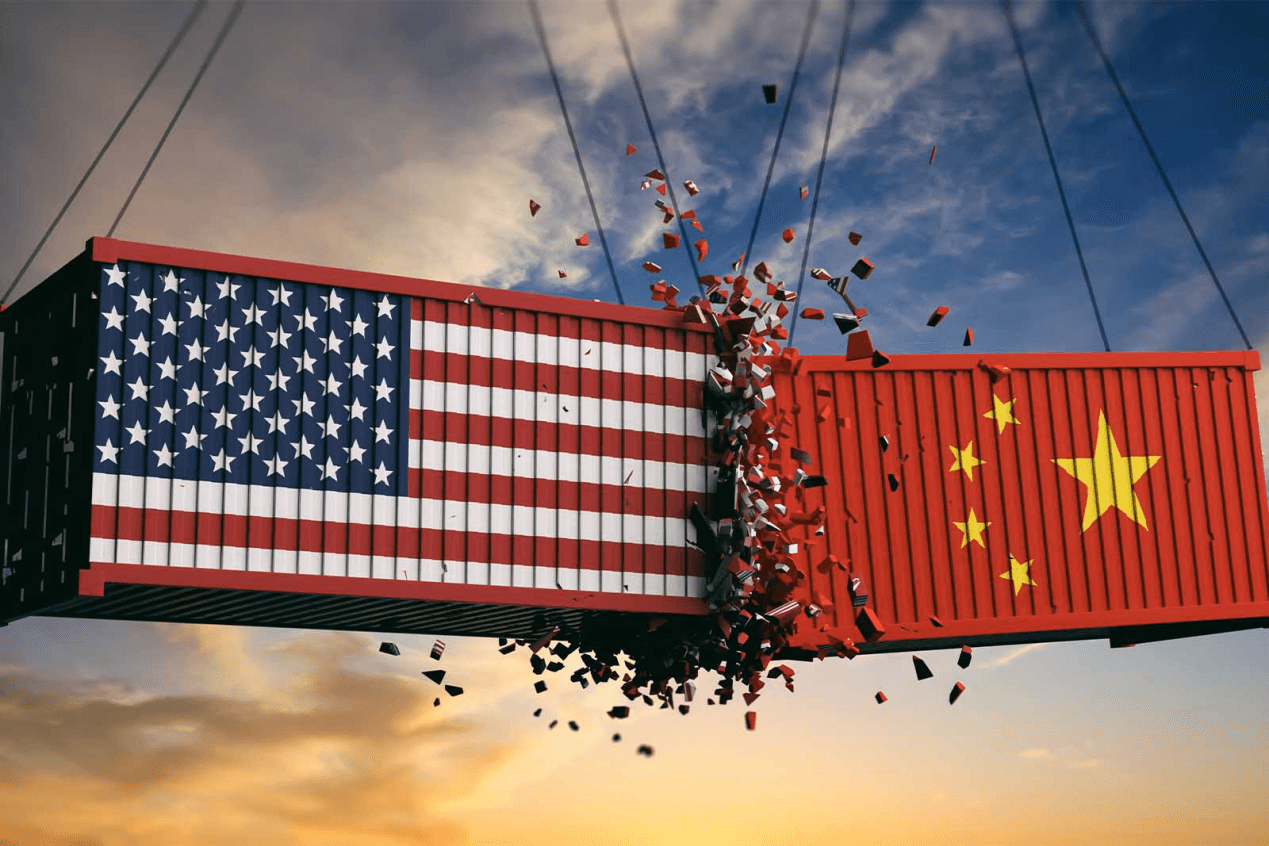
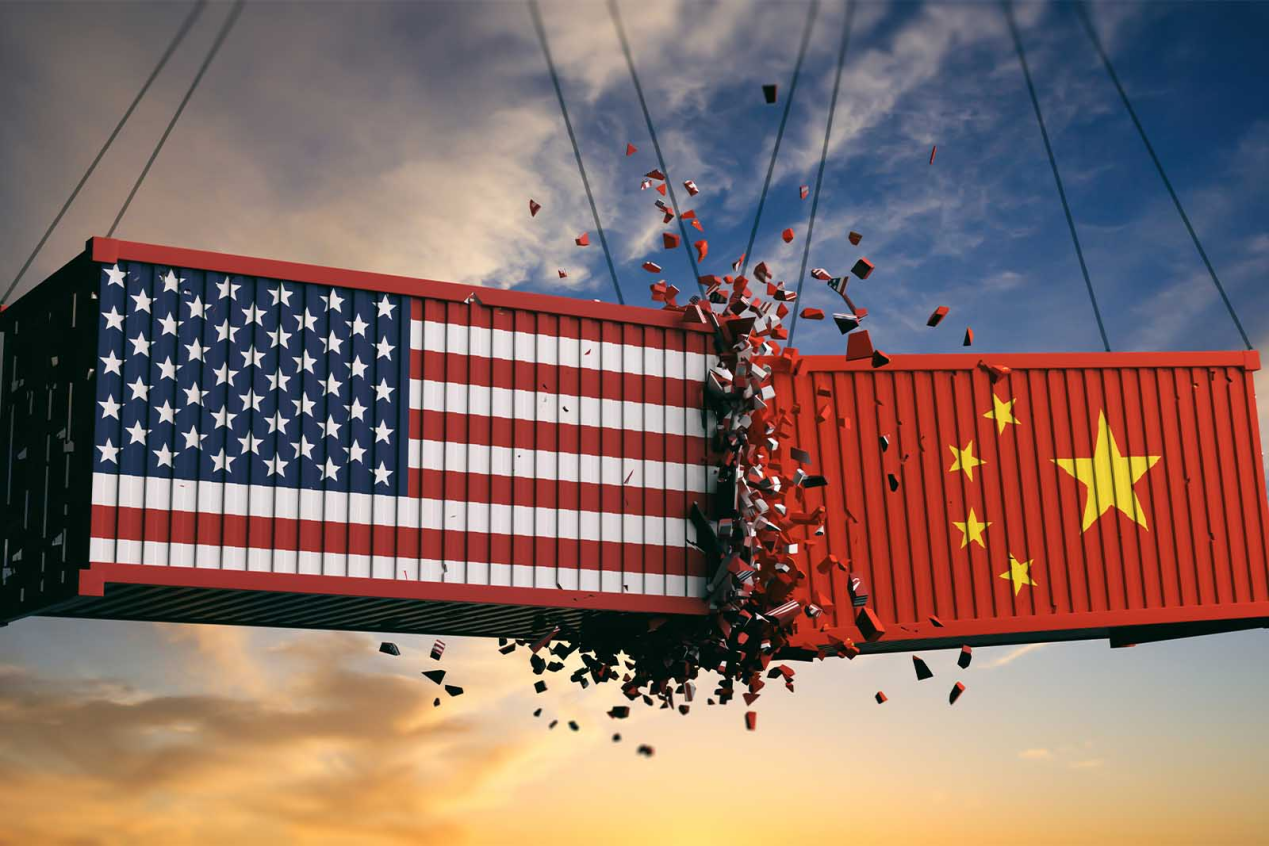
1652In den letzten gut einem Monat glich der Handelskrieg zwischen den USA und China einer Achterbahnfahrt.
Kaum hatte Trump die Zollkeule geschwungen, legte China eine Liste mit Zollerhöhungen vor.
Die Szene erinnerte an zwei Meister im Duell: Du stichst mich, ich steche zurück.
Quelle: Internet
Trumps „Dreifachschlag“: Chinesische Unternehmen rechnen mitten in der Nacht
Die Sache begann am 1. Februar. Trump unterzeichnete eine Executive Order und kündigte einen Zoll von 10 % auf chinesische Waren an. Viele Händler atmeten damals auf: „Immerhin nicht die 60 %, die zuvor durchgesickert waren.“
Auch Mexiko und Kanada kamen nicht davon: Die 25 % Zölle wurden ohne Umschweife wieder eingeführt.
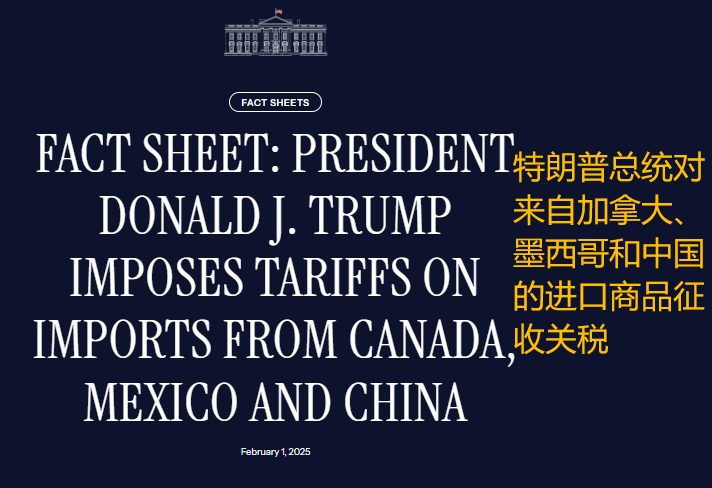
Offizielle Ankündigung des Weißen Hauses zu Zollerhöhungen
Doch nur 26 Tage später legte Trump nach: Ab dem 4. März kommen weitere 10 % dazu, der Gesamtzoll steigt direkt auf 20 %.
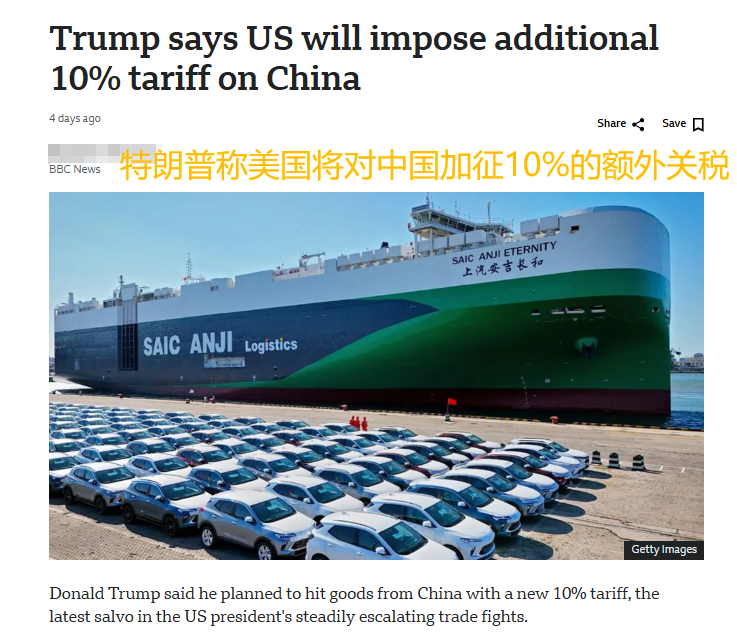
Quelle: BBC
Die Begründung des Weißen Hauses klang rechtschaffen: „Um den Zustrom von Fentanyl in die USA zu stoppen.“ Doch jedem Durchblicker war klar: Das ist nur ein Feigenblatt für den Handelskrieg. Ein Analyst sprach Klartext: Am 2. April wollen die USA noch „reziproke Zölle“ einführen – die jetzigen Aktionen sind reine Vorbereitung.
Am schlimmsten traf es die E-Commerce-Händler. Für Waren, die ursprünglich 100 Dollar kosteten, müssen jetzt allein 20 Dollar Zoll mehr bezahlt werden. Manche Kleinunternehmer rechneten die ganze Nacht durch und stellten fest: Selbst wenn sie die Preise um 10 % erhöhen, würden drei von zehn Bestellungen wegbrechen.
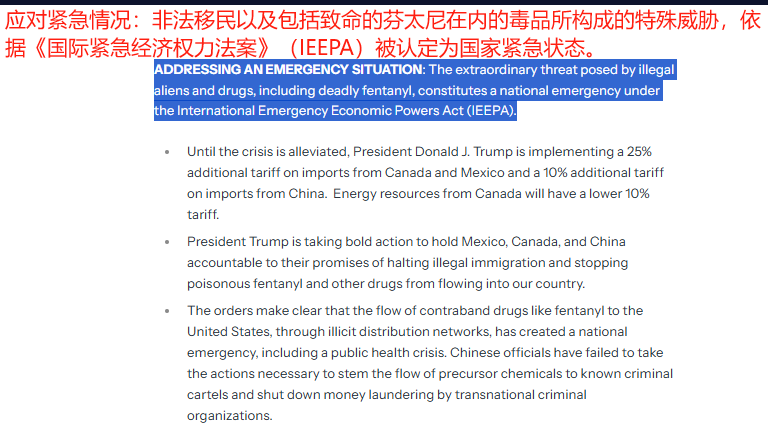
Offizielle Mitteilung des Weißen Hauses (Auszug)
Chinas Vergeltungsliste enthüllt: Gezielte Schläge gegen die „Lebensadern“ der US-Wirtschaft
Auch China legte eine Liste mit „Präzisionsschlägen“ vor. Direkt an der Energieversorgung der US-Wirtschaft angesetzt: Kohle und Flüssigerdgas werden mit 15 % Zoll belegt, Rohöl, Landmaschinen, große Geländewagen und Pick-ups erhalten einen „Hammer“ von 10 %.
Jeder Durchblicker erkannte: Das zielt gezielt auf die Kernindustrien der USA. Pick-ups zum Beispiel – letztes Jahr wurden in den USA fast 3 Millionen verkauft, sie gelten als „Nationalauto“. Jeder importierte Dodge Ram in China kostet jetzt fast 5.000 Dollar mehr an Zoll.
Noch härter traf es den Energiesektor. Die USA exportierten letztes Jahr Flüssigerdgas im Wert von 12 Milliarden Dollar nach China. Die Zollerhöhung macht langfristige Verträge der Händler zu heißen Kartoffeln.
Diese Vergeltung war kein spontaner Entschluss. Gesetze wie das Zollgesetz und das Außenhandelsgesetz legen alles klar fest, selbst die Liste der zollpflichtigen Waren ist bis zur zehnstelligen Zolltarifnummer präzise.
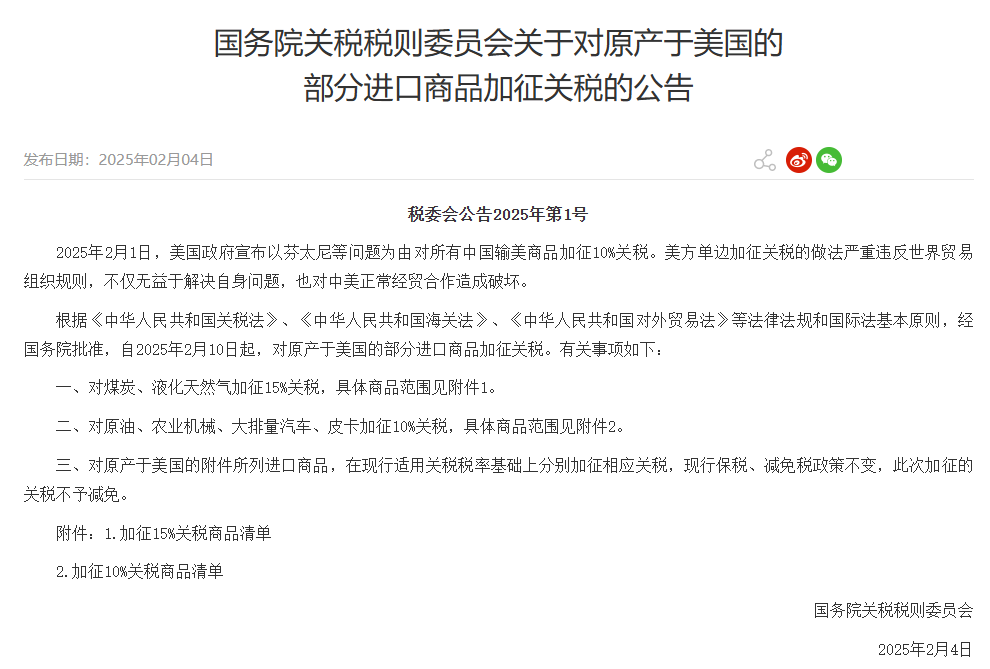
Bekanntmachung des Zolltarifausschusses des Staatsrates
Der langfristige Krieg beginnt: Diese Signale sind tödlicher als Zölle
So hitzig die Schlagabtausche auch sind, wirklich gefährlich sind diese beiden Trends:
Erstens: Trump will Zölle offenbar als „Dauerwaffe“ einsetzen. Am 2. April könnte es neue Aktionen geben, um China bei der Fentanyl-Kontrolle Zugeständnisse abzuringen. Diese Taktik des „stumpfen Messers, das Fleisch schneidet“, ist quälender als eine einmalige Zollerhöhung.
Zweitens: Die globalen Lieferketten werden neu geordnet. Seit Inkrafttreten des RCEP-Abkommens sind die Zollvorteile für ASEAN, Japan und Südkorea verlockend. Ein Unternehmer rechnete vor: Wenn man einen Teil der Produktion nach Vietnam verlagert und über RCEP nach Japan und Südkorea exportiert, sind die Gesamtkosten niedriger, als wenn man die US-Zölle durchsteht.
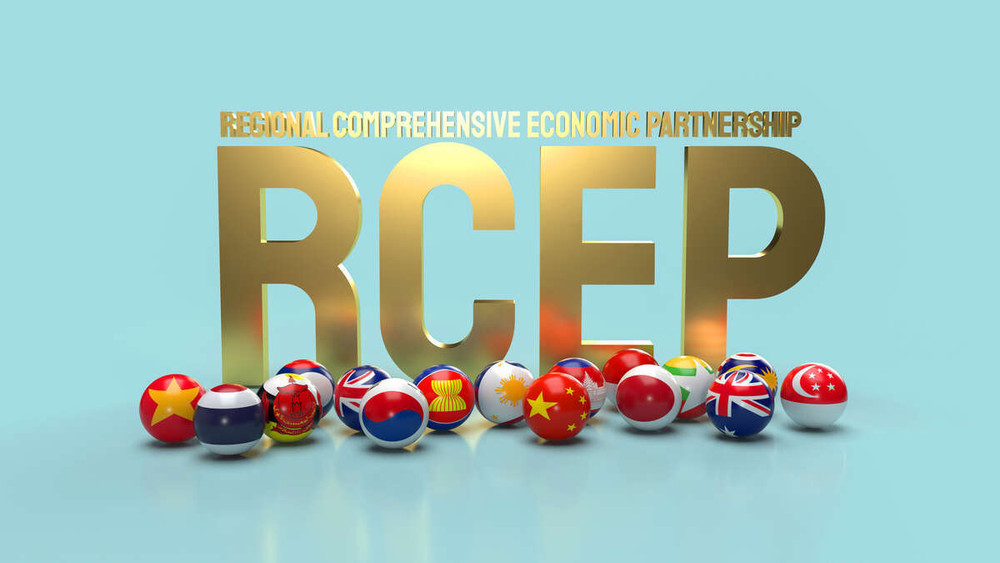
Quelle: Internet
Zum Schluss
Dieser Zollkrieg ist längst nicht mehr das einfache „Du erhöhst Zölle, ich schlage zurück“.
Dahinter steckt ein US-Haushaltsloch von 1,8 Billionen Dollar und die Drosselung des chinesischen Fertigungsaufstiegs.
Für normale Händler bringt es nichts, über die Politik zu schimpfen – die Routen über Nacht zu ändern, ist die einzig richtige Sache. Denn im Kugelhagel des Handelskriegs überlebt nicht unbedingt das größte Schiff, sondern das, das am schnellsten wendet.
(Anmerkung: Die Informationen in diesem Artikel stammen aus verschiedenen öffentlichen Nachrichtenberichten. Die Einzelheiten der Politik richten sich nach den offiziellen Veröffentlichungen.)