 2235
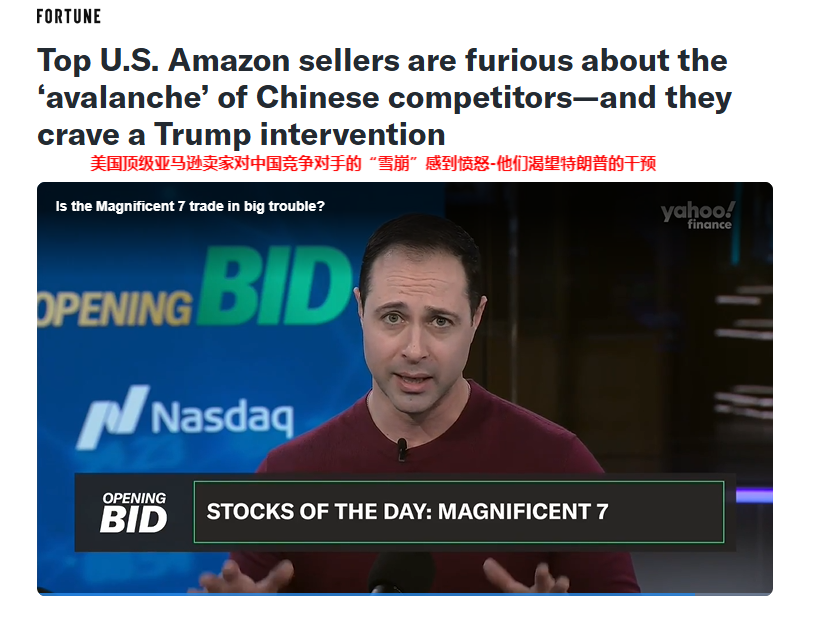
2235In jüngster Zeit eskaliert eine von US-amerikanischen Verkäufern initiierte Aktion zum „Boykott chinesischer Verkäufer“ und erschüttert die grenzüberschreitende E-Commerce-Branche. Laut Daten der Amazon-Plattform vom Ende 2024 liegt der Anteil chinesischer Verkäufer unter den Top 10.000 der wichtigsten Verkäuferliste bei über 50 % und stieg im vierten Quartal sogar auf 62 % – ein Rekordhoch.
Gleichzeitig kamen 41 % der neuen Verkäufer auf der Walmart-Plattform im letzten Jahr aus China, und der Beitrag aktiver Verkäufer erreichte 28 %. Dieser Wachstumstrend hat bei US-Verkäufern kollektive Ängste ausgelöst. Einige führende Händler haben ein Bündnis gegründet und der US-Regierung fünf gezielte Reformvorschläge unterbreitet, um durch politischen Druck die Wettbewerbsvorteile chinesischer Verkäufer einzudämmen.
Quelle: Yahoo Finance
Brennpunkt des Konflikts hinter dem „Boykott“
Die Unzufriedenheit der US-Verkäufer konzentriert sich auf drei Bereiche: Kostenunterschiede, Effizienz der Lieferkette und Wettbewerbsregeln.
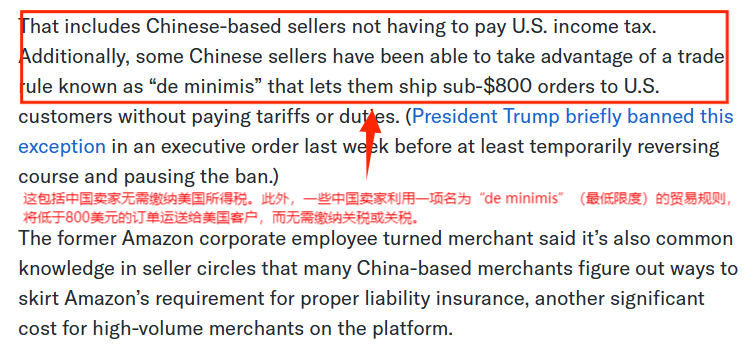
Auf steuerlicher Ebene verschafft die Kleinbetragsbefreiung für Sendungen unter 800 US-Dollar (die sogenannte T86-Politik) chinesischen Verkäufern einen Preisvorteil. Laut US-Verkäufern können chinesische Verkäufer durch die Steuerbefreiung die Kosten für ähnliche Produkte um 15 % bis 25 % senken, während US-amerikanische Unternehmen 21 % Körperschaftsteuer und hohe Versicherungskosten tragen müssen. Darüber hinaus nutzen chinesische Verkäufer die Fertigungscluster im Jangtse-Delta und Perlfluss-Delta, um ein schnelles Reaktionssystem von „Design – Produktion – Logistik“ innerhalb von 7 Tagen aufzubauen, während US-Verkäufer auf grenzüberschreitende Beschaffung angewiesen sind und die Einführungszyklen neuer Produkte in der Regel über 30 Tage betragen. Einige aggressive Wettbewerbsmethoden (wie böswillige Bewertungen und Ausnutzung von Regelungslücken) verschärfen den Konflikt weiter, obwohl solche Handlungen in der Minderheit sind, dienen sie als Auslöser für den Boykott.
Quelle: Yahoo Finance
Die „Fünf Vorschläge“ der US-Verkäufer und das politische Tauziehen
Angesichts des Wettbewerbsdrucks hat das Bündnis der US-Verkäufer der Trump-Regierung fünf Reformvorschläge unterbreitet, um chinesische Verkäufer durch politische Maßnahmen einzuschränken:
- Abschaffung der Kleinbetragsbefreiung unter 800 US-Dollar (T86-Politik): Schließung der Steuerumgehung chinesischer Verkäufer durch Kleinpaket-Direktversand;
- Zwang zur Registrierung einer US-amerikanischen juristischen Person und Steuerzahlung: Beseitigung der Kostenvorteile von Offshore-Geschäften;
- Vereinheitlichung der Haftpflichtversicherungsstandards: Forderung einer Million-Dollar-Versicherung von ausländischen Verkäufern, gleichwertig mit US-amerikanischen Verkäufern;
- Offenlegung der Nationalität und Zollinformationen der Verkäufer: Lenkung der „bewussten Wahl“ der Verbraucher;
- Einführung einer 90-tägigen Patentprüfungsfrist: Strenge Prüfung von Verletzungsrisiken bei chinesischen Waren.
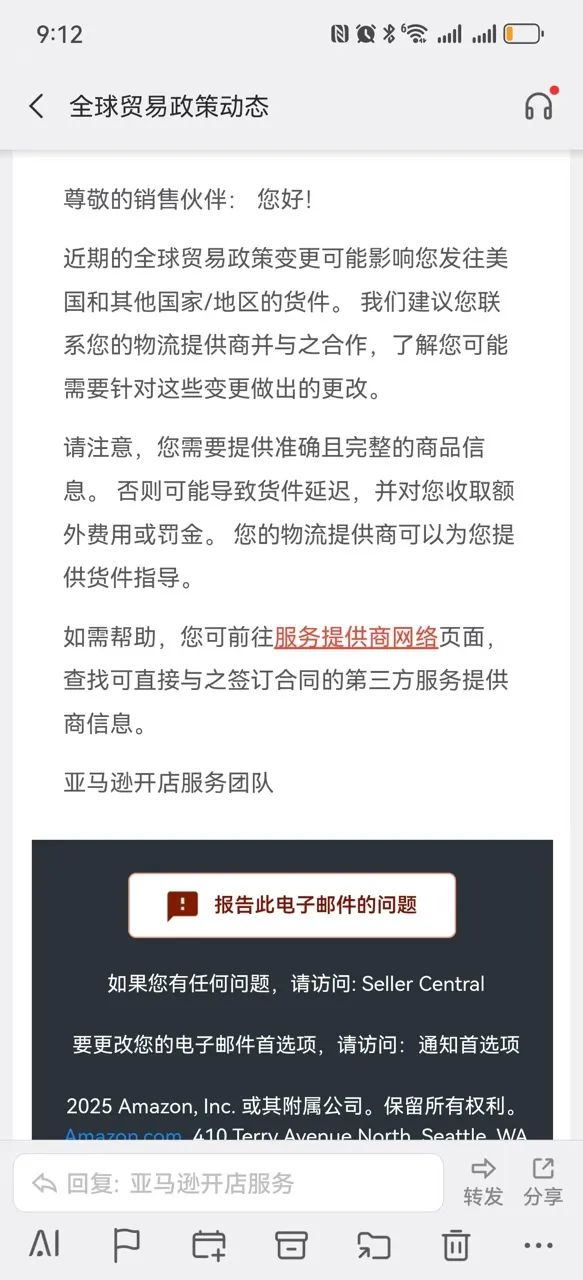
Derzeit wird in der Branche allgemein davon ausgegangen, dass die Abschaffung der T86-Politik so gut wie sicher ist. Amazon hat Verkäufer offiziell vor politischen Änderungen gewarnt. Bundesbehörden werden bis zum 1. April einen Prüfbericht vorlegen, und die Trump-Regierung könnte am 2. April eine entsprechende Executive Order unterzeichnen. Sollte die Politik umgesetzt werden, könnten chinesische Verkäufer mit Zollerhöhungen von 10 % bis 60 % konfrontiert sein, die zusammen mit den bestehenden 20 % Zöllen die Gesamtkosten einiger Produkte um 30 % bis 40 % erhöhen könnten.
Quelle: Hugo Cross-Border
Auswege und Zukunftstrends für grenzüberschreitende Verkäufer
Angesichts des doppelten Drucks durch Politik und Wettbewerb müssen chinesische Verkäufer ihre Widerstandsfähigkeit in drei Bereichen aufbauen:
1. Compliance-Upgrade: Vorzeitige Registrierung eines US-Unternehmens, Abschluss einer Haftpflichtversicherung und Anpassung an steuerliche und regulatorische Anforderungen. Beispielsweise haben einige führende Unternehmen durch Lagerhaltung in Überseelagern die Zollauswirkungen reduziert, wobei die Logistikkosten im Vergleich zum Direktversand um 15 % gesunken sind;
2. Neugestaltung der Lieferkette: Verlagerung der Produktion nach Südostasien oder Zusammenarbeit mit lokalen Lieferanten zur Verkürzung der Lieferzeiten. Daten der Walmart-Plattform zeigen, dass Verkäufer, die „Überseelager + lokale Lieferung“ nutzen, die Auftragserfüllungszeit von 15 Tagen auf 3 Tage verkürzen und die Rücklaufquote um 12 % senken konnten;
3. Wertwettbewerb statt Preiskampf: Stärkung des Markenaufbaus und der technologischen Innovation. Markenverkäufer wie Anker und SHEIN haben durch F&E-Investitionen und Patentstrategien ihre Produktaufschläge um 30 % bis 50 % erhöht und so die politischen Kosten ausgeglichen.
Quelle: Internet
Fazit
Handelsprotektionismus mag US-Verkäufern eine Verschnaufpause verschaffen, aber die grundlegende Logik des globalen E-Commerce-Marktes bleibt, dass „Verbraucher nach einem guten Preis-Leistungs-Verhältnis streben“. Für chinesische Verkäufer ist die Krise auch eine Chance. Nur durch die Nutzung der Widerstandsfähigkeit der Lieferkette und die Beschleunigung des Marken-Upgrades können sie in turbulenten Zeiten ungeschlagen bleiben.
(Hinweis: Die Daten in diesem Artikel stammen aus öffentlichen Berichten und Branchenstudien. Bitte beachten Sie für spezifische politische Änderungen die offiziellen Veröffentlichungen.)