 2161
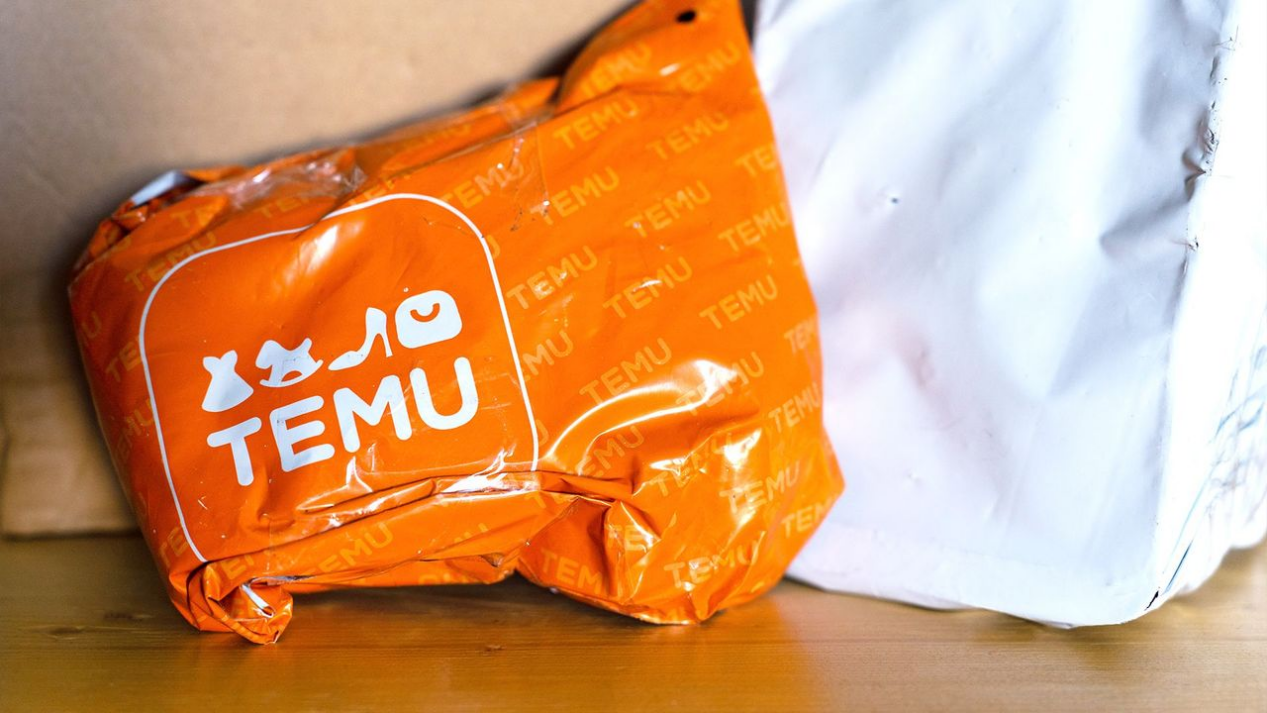
2161Kürzlich gab Temu überraschend bekannt, den Verkauf von direkt aus China versendeten Waren an US-Verbraucher über die Plattform einzustellen und massenhaft Vollverwaltungs-Links zu entfernen. Diese strategische Anpassung hat im Bereich des grenzüberschreitenden E-Commerce große Aufmerksamkeit erregt.
Ein Sprecher von Temu bestätigte, dass der Verkauf auf dem US-Markt nun vollständig von lokalen Händlern dominiert wird. Für Waren, die aus den USA versendet werden, fallen keine Importgebühren an, und es gibt keine zusätzlichen Kosten bei der Lieferung. Im Gegensatz dazu müssen direkt aus China versendete Waren in der Regel Importgebühren in Höhe des 1,3- bis 1,5-fachen des Warenwerts tragen, wobei die tatsächlichen Gesamtkosten einiger Bestellungen sogar mehr als das Doppelte des ursprünglichen Warenpreises betragen können. Diese Anpassung ist auf mehrere Faktoren zurückzuführen, wobei die jüngsten Änderungen der US-Zollpolitik eine Schlüsselrolle spielen.

Bildquelle: Google
Neue US-Zollvorschriften erzwingen Plattformänderungen
Gemäß einer Mitteilung der US-Zoll- und Grenzschutzbehörde vom 1. Mai wird ab dem 2. Mai 2025 die Zollbefreiung für Kleinsendungen aus dem chinesischen Festland und der Region Hongkong nicht mehr gewährt. Alle aus China in die USA versendeten Waren müssen gemäß den vorgeschriebenen Zollanmeldetypen (z. B. Typ 11 oder Typ 01) angemeldet und die entsprechenden Zölle und Steuern entrichtet werden. Nicht konforme Kleinsendungen laufen Gefahr, nicht abgefertigt zu werden.
Diese neue Regelung wird die Kosten für den Markteintritt chinesischer Waren in die USA erheblich erhöhen und sich direkt auf die Kostenstruktur und Preisstrategie des grenzüberschreitenden E-Commerce auswirken. Für Plattformen, die auf direkt aus China versendete Waren angewiesen sind, könnten die durch die gestiegenen Importkosten verursachten höheren Endverkaufspreise ihre Wettbewerbsfähigkeit auf dem Markt schwächen. Die Anpassung von Temu dient offensichtlich dazu, sich an diese politischen Änderungen anzupassen, den Betrieb der Plattform gemäß den neuen Vorschriften sicherzustellen und die Marktzugangsberechtigung für die USA zu erhalten.

Bildquelle: Google
Lokalisierungsstrategie gestaltet das Plattform-Ökosystem neu
Für die Plattform selbst wird die Lokalisierungsstrategie zweierlei Auswirkungen haben.
Einerseits könnte das Wachstum kurzfristig gebremst werden. Nach dem Wegfall des Preisvorteils der chinesischen Lieferkette muss Temu ein neues Netzwerk lokaler Händler aufbauen, was die Warenvielfalt und Preiswettbewerbsfähigkeit beeinträchtigen könnte. Andererseits steigt langfristig die Compliance. Durch lokale Lager- und Händlersysteme kann die Plattform flexibler auf Änderungen der Handelspolitik verschiedener Länder reagieren und die Risiken grenzüberschreitender Logistik in Bezug auf Lieferzeiten und Zollabfertigung verringern.
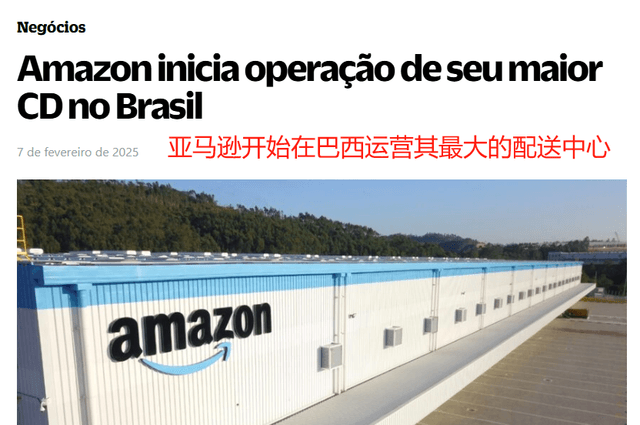
Darüber hinaus könnte die beschleunigte Rekrutierung von US-Verkäufern durch Temu den Wandel von einer chinesischen Fertigungs-Exportplattform zu einem globalen lokalisierten E-Commerce vorantreiben und einen differenzierten Wettbewerb mit Konkurrenten wie Amazon und TikTok Shop ermöglichen.

Bildquelle: Google
Überlebensstrategien für Verkäufer
Für chinesische Verkäufer ist eine Kombination aus „kurzfristiger Schadensbegrenzung“ und „langfristiger Transformation“ erforderlich, um diesen Schock zu bewältigen.
Kurzfristig können sie sich darauf konzentrieren, schwer verkäufliche Lagerbestände abzubauen, indem sie durch Aktionen oder den Wechsel zu anderen Märkten, die noch Direktversand unterstützen (z. B. Europa, Südostasien), Kapital freisetzen. Mittel- bis langfristig müssen sie das Modell der „Lagerbestückung vor Ort“ erkunden oder mit Dienstleistern für Auslandslager zusammenarbeiten, um einen Teil der schnell drehenden Waren vorab in den USA zu lagern und so die Marktpräsenz aufrechtzuerhalten. Darüber hinaus könnten einige Verkäufer auf ein halbverwaltetes Modell umsteigen, um die Kosten durch optimierte Produktauswahl (z. B. hochwertige, kleine und leichte Artikel) und Logistiklösungen zu senken.
Für Temu besteht die Herausforderung nach der strategischen Anpassung darin, „Lokalisierung“ und „Preis-Leistungs-Verhältnis“ in Einklang zu bringen. Gelingt es der Plattform, erfolgreich kleine und mittlere US-Händler anzuziehen und sie mit Hilfe der Lieferkettenressourcen der Pinduoduo-Gruppe bei der Produktauswahl zu unterstützen, könnte sie ihr Billig-Image bewahren. Andernfalls, wenn die Kosten der lokalen Lieferkette zu hoch sind, könnte sie preissensible Nutzer verlieren. Gleichzeitig könnten andere grenzüberschreitende Plattformen versuchen, die Ressourcen chinesischer Verkäufer abzuwerben, was den Wettbewerb auf dem globalen E-Commerce-Markt weiter verschärfen würde.
Bildquelle: Google
Neue grenzüberschreitende Ordnung im Zeitalter der Compliance
Die strategische Schrumpfung von Temu ist sowohl eine passive Reaktion auf den Druck der US-Handelspolitik als auch ein unvermeidlicher Schmerz des Übergangs des grenzüberschreitenden E-Commerce von wildem Wachstum zu regelkonformem Betrieb. Mit der Verschärfung der Regulierung von grenzüberschreitenden Steuern, Datenschutz usw. in verschiedenen Ländern ist ein Modell, das sich ausschließlich auf politische Dividenden stützt, nicht mehr nachhaltig.
Für chinesische Verkäufer mag diese Veränderung eine brutale Bereinigung sein, aber sie zwingt sie auch dazu, die Widerstandsfähigkeit ihrer Lieferkette zu verbessern. Für Plattformen werden Lokalisierung und Compliance zu den Kernbarrieren für den zukünftigen Wettbewerb. In der zweiten Hälfte des grenzüberschreitenden E-Commerce werden nur diejenigen Akteure, die sich aktiv an die Regeln anpassen und tief in das lokale Ökosystem integrieren, in diesem globalen Spiel bestehen können.