 2124
2124Im Zuge der rasanten Entwicklung des globalen Cross-Border E-Commerce ist die Logistikeffizienz zum zentralen Schlachtfeld für Unternehmen geworden. Ein effizientes Logistiknetzwerk ist nicht nur der Schlüssel zur Verbesserung des Einkaufserlebnisses der Verbraucher, sondern auch die Grundlage für Unternehmen, um erfolgreich internationale Märkte zu erschließen.
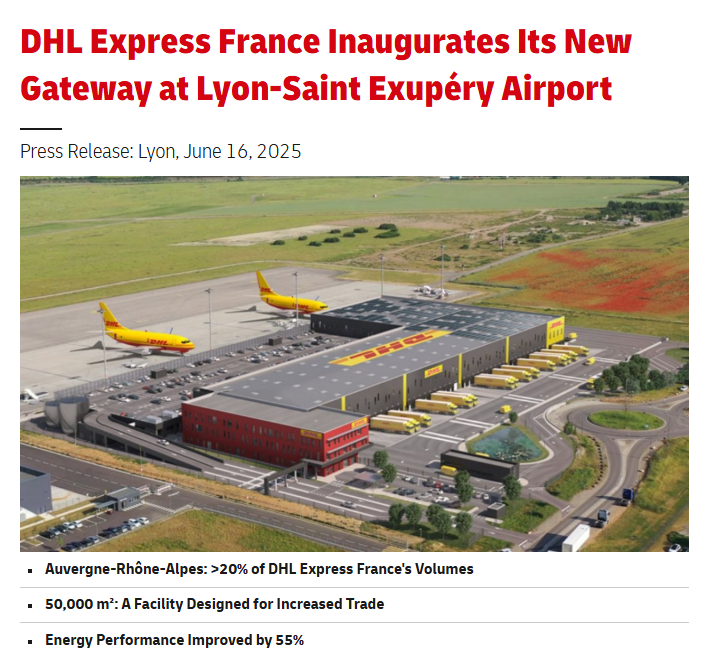
Der internationale Logistikriese DHL, der dies genau versteht, hat kürzlich eine bedeutende Investition am Flughafen Lyon-Saint-Exupéry in Frankreich angekündigt.

Bildquelle: Internet
Das von DHL hier in Betrieb genommene neue Logistikzentrum hat ein Gesamtinvestitionsvolumen von 121 Millionen Euro und eine Fläche von 50.000 Quadratmetern. Es ist das zweitgrößte Investitionsprojekt von DHL in Frankreich nach dem Luftfrachtdrehkreuz am Flughafen Paris-Charles-de-Gaulle. DHL gab bekannt, dass am Flughafen ein neues Multifunktions-Gateway in Betrieb genommen wird, das speziell für internationale Time-Definite (TDI)- und Day-Definite (DDI)-Sendungen zuständig ist,
Die Paketverarbeitungskapazität des neuen Drehkreuzes stellt einen Quantensprung dar. Die maximale Kapazität wird 17.500 Pakete pro Stunde erreichen, das Fünffache der Kapazität der bestehenden Anlage.
Derzeit bearbeitet das dortige Logistikzentrum von DHL täglich rund 38.000 Pakete, in der Spitzenzeit der Feiertage kann die Zahl auf 60.000 ansteigen. Als führender Anbieter von Express-, interkontinentalen Transport- und Luftfrachtdienstleistungen verfügt DHL über ein riesiges Netzwerk, das mehr als 220 Länder und Regionen weltweit abdeckt. Die Inbetriebnahme des neuen Drehkreuzes wird den Logistikdruck erheblich verringern und die Paketverarbeitungseffizienz sowie die Netzwerkresilienz deutlich verbessern.
Bildquelle: DHL
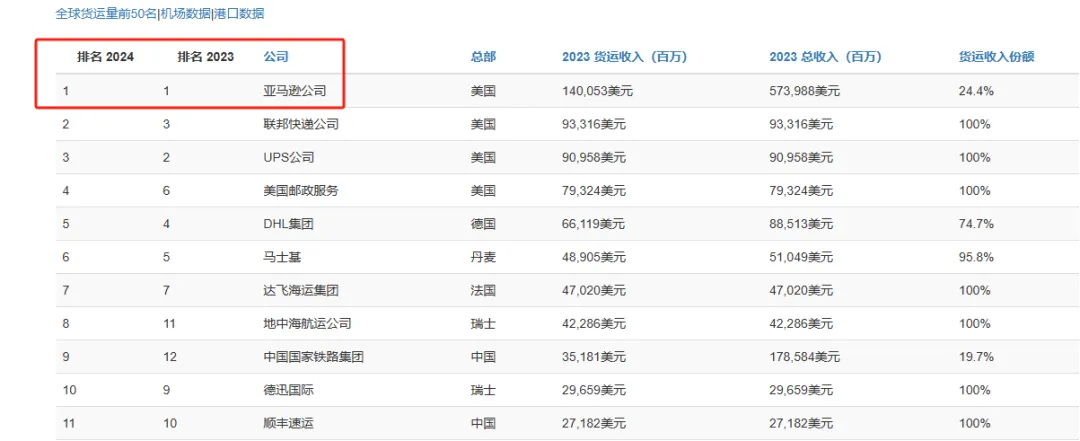
Allerdings wird die Wettbewerbslandschaft der Logistikriesen neu geschrieben. Gestützt auf seine über Jahre aufgebaute riesige Infrastruktur und sein umfassendes Logistiksystem hat sich der E-Commerce-Riese Amazon zu einer nicht zu übersehenden Macht entwickelt. Laut der von Transport Topics veröffentlichten „Liste der 50 größten Frachtunternehmen der Welt“ hat Amazon in den Jahren 2023 und 2024 in Folge die traditionellen Logistikriesen UPS, FedEx und DHL überholt und den Spitzenplatz als größtes Frachtunternehmen der Welt eingenommen.
Bei Cross-Border E-Commerce-Transaktionen ist die Logistikgeschwindigkeit der entscheidende Faktor für das Kundenerlebnis. Sowohl Plattformen als auch Logistikdienstleister, die Waren schneller an die Verbraucher liefern können, gewinnen mehr Vertrauen und Loyalität der Kunden.
Bildquelle: Transport Topics
Kostensenkung und Effizienzsteigerung: Überlebensregel in widrigen Zeiten
In den letzten Jahren war die Nachfrage auf dem globalen Frachtmarkt schwach, und die gesamte Branche stand vor der Herausforderung unzureichender Wachstumsimpulse. DHL-CEO Tobias Meyer wies darauf hin, dass das Briefvolumen von DHL zwischen 2022 und 2024 um 20,3 % deutlich zurückgegangen sei. Der Druck auf die Rentabilität lastet auf vielen Logistikunternehmen, und DHL kann sich dem nicht entziehen.
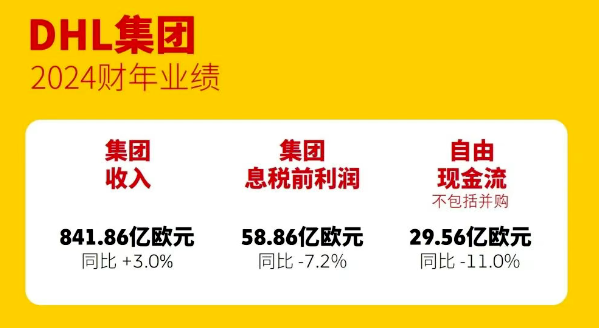
Die veröffentlichten Geschäftszahlen für 2024 zeigen: Der Jahresumsatz stieg im Jahresvergleich um 3 % auf 84,186 Milliarden Euro, aber das Ergebnis vor Zinsen und Steuern (EBIT) sank um 7,2 %; der freie Cashflow ging ebenfalls um 11 % zurück.
Angesichts der unsicheren wirtschaftlichen Erwartungen (DHL rechnet damit, dass die Situation bis 2025 anhält) hat das Unternehmen die Hoffnung auf Wachstum nicht aufgegeben, sondern den Schwerpunkt auf „Kostensenkung und Effizienzsteigerung“ verlagert. Tobias Meyer erklärte klar: „Wir arbeiten aktiv an der Steigerung der Effizienz und streben an, bis 2027 mehr als 1 Milliarde Euro an Kosten einzusparen.“
Bildquelle: DHL
Zu diesem Zweck hat DHL eine Reihe entschlossener Maßnahmen ergriffen:
Geschäfts- und Vermögensstraffung: Im März dieses Jahres kündigte DHL an, rund 8.000 Stellen im deutschen Brief- und Paketgeschäft abzubauen und anschließend die Tochtergesellschaft Standard Forwarding zu verkaufen; im Mai folgte die Ankündigung, bis Ende August 346 Mitarbeiter im Bereich Kontraktlogistik zu entlassen und ein Verteilzentrum in Ontario, Kalifornien, zu schließen.
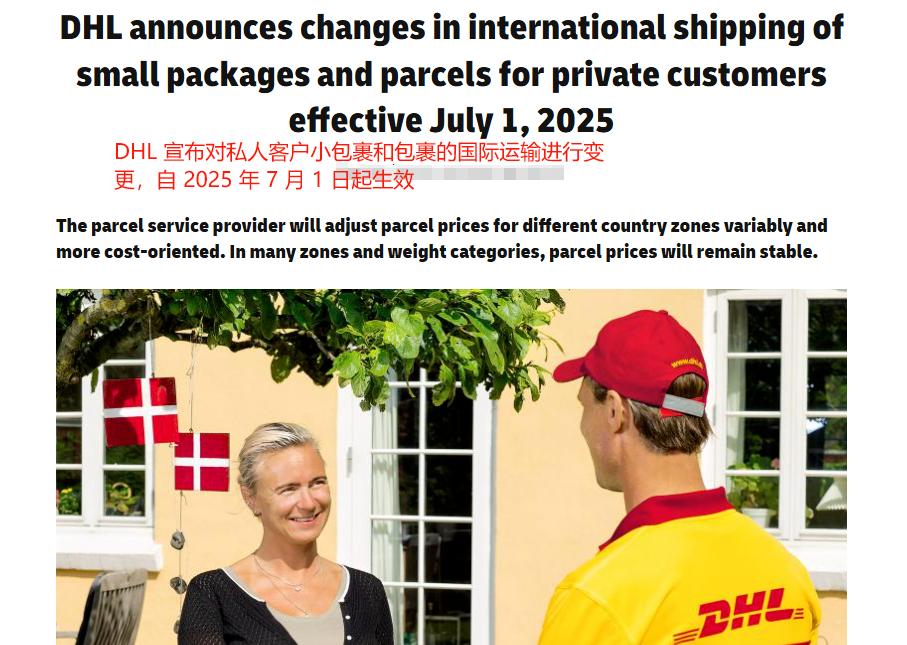
Preis- und Serviceanpassung: Ab dem 1. Juli dieses Jahres wird für DHL-Pakete und den DHL-Rückversand (mit Ausnahme des DHL-Kleinpaketdienstes) eine Pauschalgebühr erhoben, gleichzeitig werden die Paketpreise angepasst. Obwohl die Kosten für einzelne Sendungen sinken, könnte die Pauschalgebühr für Verkäufer mit geringem Sendungsvolumen eine Kostensteigerung bedeuten.
Bildquelle: DHL
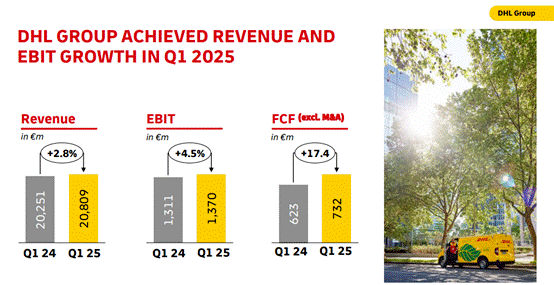
Diese Maßnahmen zeigen bereits Wirkung. Im ersten Quartal 2024 erzielte DHL einen Umsatz von 20,81 Milliarden Euro, ein Plus von 2,8 % im Jahresvergleich; das EBIT erreichte 1,37 Milliarden Euro, ein Plus von 4,5 %; der Konzernüberschuss stieg um 6,2 % auf 790 Millionen Euro. Tobias Meyer führte diese positive Entwicklung auf das „strenge Management von Kosten und Erträgen“ zurück.
Bildquelle: DHL
Neues Drehkreuz: Strategischer Dreh- und Angelpunkt unter Herausforderungen
Vor dem Hintergrund des gesamten Branchendrucks und der internen massiven Kostensenkungs- und Effizienzsteigerungsmaßnahmen hat sich DHL dennoch dafür entschieden, Hunderte Millionen Euro in den Bau seines zweitgrößten Logistikdrehkreuzes in Lyon, Frankreich, zu investieren – zweifellos eine wohlüberlegte, bedeutende strategische Entscheidung.
Obwohl die globale Logistikbranche derzeit vor großen Herausforderungen steht, sind die langfristigen Aussichten der Cross-Border E-Commerce-Branche angesichts des Trends zur kontinuierlichen Optimierung der Logistiktechnologie und steigender Effizienz dennoch vielversprechend. Für DHL ist dieses moderne, hocheffiziente Drehkreuz in Lyon der entscheidende Hebel zur Optimierung seines globalen Netzwerks und zur Neugestaltung seiner zukünftigen Wettbewerbsfähigkeit. Es trägt die Entschlossenheit von DHL in sich, in widrigen Zeiten seine Kernkompetenzen zu stärken und zukünftige Wachstumschancen zu nutzen.