
 2749
2749Bekanntlich wird die grenzüberschreitende E-Commerce-Plattform AliExpress von Juli bis August fünf thematische Werbeaktionen in Folge durchführen und so ein Marketingmatrix über zwei Monate hinweg bilden. Anders als landläufig angenommen, handelt es sich bei diesen fünf Aktionen nicht um traditionelle S-Klasse-Promotionen, sondern um wichtige Knotenpunkte des täglichen Marketings der Plattform, die Verkäufern kontinuierliche Traffic-Möglichkeiten für Wachstum bieten sollen.

Bildquelle: Google
Konkrete Planung und Besonderheiten der fünf Aktionen
Laut offiziellen Angaben von AliExpress lassen sich die fünf Aktionen in drei Aktionsformen unterteilen, jede dauert etwa eine Woche. Im Einzelnen:
1. Choice Day (jeweils eine im Juli & August)
Choice Day im Juli: Bereits Anfang Juli gestartet, deckt alle Kategorien ab, konzentriert sich auf preiswerte Bestseller-Produkte und eignet sich für Verkäufer, die schnell Lager abbauen oder die Marktreaktion testen möchten.
Choice Day im August: Fokussiert auf halb verwaltete Waren, richtet sich hauptsächlich an Händler, die bereits den halb verwalteten Service von AliExpress nutzen. Die Plattform gewährt exklusive Traffic-Unterstützung.
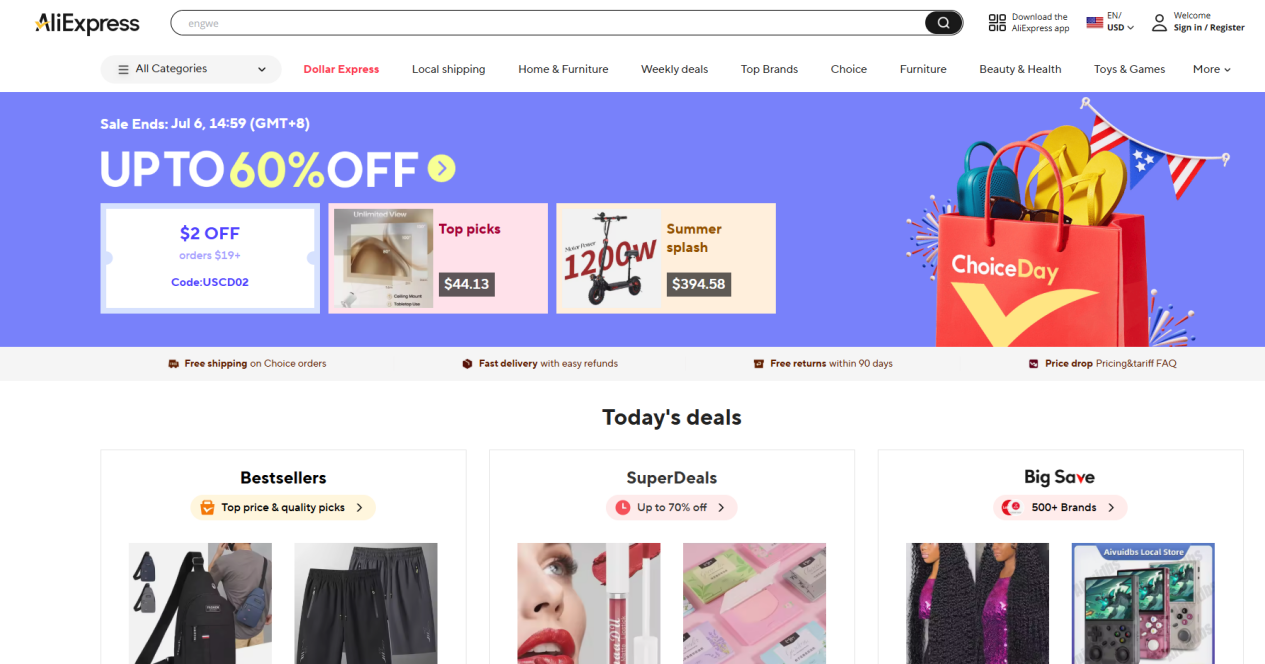
Bildquelle: AliExpress
2. Getaway Deals (Mitte Juli)
Hierbei handelt es sich um eine kategorieübergreifende Aktion, die sich hauptsächlich auf sommerliche Konsumszenarien konzentriert, wie Reiseausrüstung, Outdoor-Produkte, Sonnenschutz und Hautpflege – saisonal stark nachgefragte Kategorien. Verkäufer können ihre Produktauswahlstrategie an die sommerlichen Konsumtrends anpassen und von den Ferienwirtschaftsrabatten profitieren.
3. Saisonale Kategorientage (jeweils einer im Juli & August)
Anders als die kategorieübergreifenden Aktionen verfolgen die saisonalen Kategorientage eine fein abgestimmte Betriebsstrategie: Sie sind nur für bestimmte Kategorien und ausgewählte nationale Märkte geöffnet. Zum Beispiel könnten Haushaltswaren auf dem europäischen Markt beworben werden, während Modewaren auf Lateinamerika abzielen. Verkäufer müssen die Ankündigungen der Plattform zur Händlerakquise beachten und ihre eigenen Stärken und Zielmärkte abgleichen.
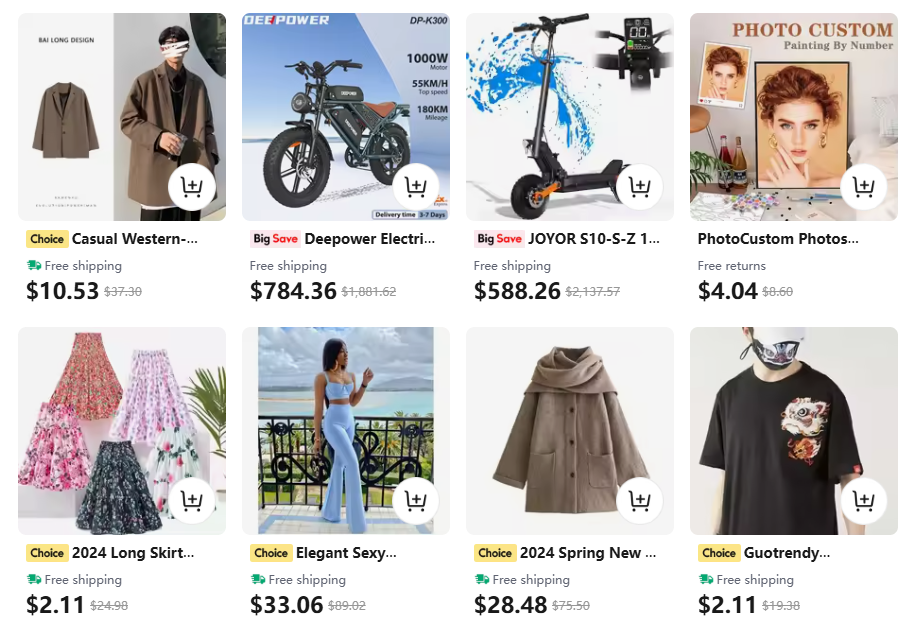
Bildquelle: AliExpress
Chancen und Strategien für grenzüberschreitende Verkäufer
Angesichts der dichten Aktionszeiträume müssen Verkäufer systematisierte Betriebspläne entwickeln. Zunächst sollten sie die Eigenschaften der einzelnen Aktionen eingehend untersuchen.
Kategorieübergreifende Aktionen eignen sich für gut sortierte Generalisten-Verkäufer, um schnell Lager abzubauen, während gezielte Kategorientage das entscheidende Schlachtfeld für vertikale Händler sind, um Markenbewusstsein aufzubauen. Für Händler, die an der halb verwalteten Sonderaktion teilnehmen, ist es besonders wichtig, die Logistikfristen und den Kundenservice streng zu kontrollieren, um den hohen Anforderungen der Plattform an die Waren gerecht zu werden.
Bei der Bestandsstrategie wird eine pyramidenartige Bestandsverwaltung empfohlen: 30% der Hauptprodukte für kategorieübergreifende Bestseller nutzen, 50% der Standardprodukte für gezielte Aktionen einsetzen und 20% flexible Kapazität für unerwartete Nachfrage vorhalten. Gleichzeitig sollte ein dynamischer Preismechanismus etabliert werden, der mithilfe der Datenanalyse-Tools der Plattform die Konkurrenz in Echtzeit überwacht und die Preiswettbewerbsfähigkeit unter Wahrung der Gewinnmargen aufrechterhält.
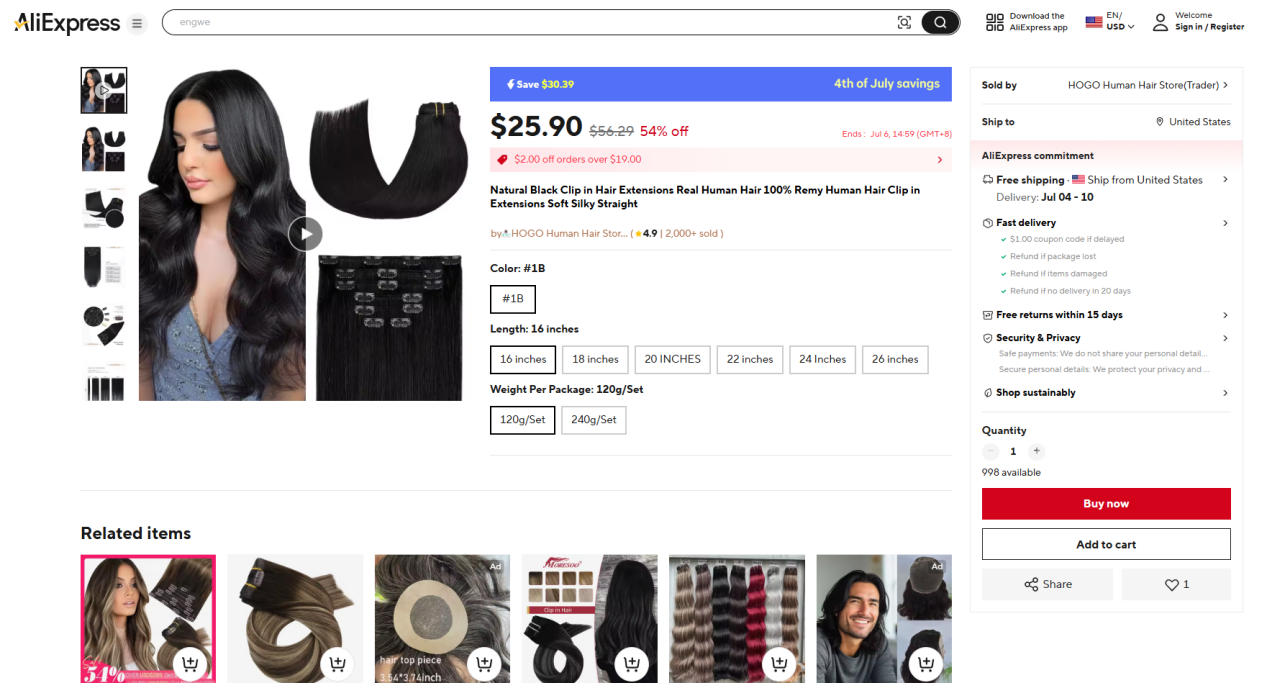
Bildquelle: AliExpress
Strategische Bedeutung des Plattform-Ökosystemaufbaus
Diese Aktionsplanung offenbart drei Schlüsselsignale für die Entwicklung der AliExpress-Plattform: Erstens wird durch die Kombination von Choice Day und halb verwalteten Specials das Angebot an hochwertigen Waren kontinuierlich gestärkt; zweitens zeigt die länderspezifische Ausrichtung der saisonalen Kategorientage die Vertiefung der Lokalisierungsstrategie der Plattform; drittens schließen die zwischen den beiden S-Klasse-Aktionen 618 und 828 eingefügten Marketingaktivitäten die saisonale Flaute effektiv und erzeugen anhaltende Marktpräsenz.
Langfristig gesehen wird dieses hochfrequente, vielseitige Aktionssystem die Optimierung des Traffic-Verteilungsmechanismus der Plattform beschleunigen. Daten zeigen, dass Händler, die kontinuierlich an mehreren Aktionen teilnehmen, im Durchschnitt eine Steigerung ihrer Shop-Gewichtung um 15% bis 20% erzielen. Dies deutet darauf hin, dass der Wettbewerb im grenzüberschreitenden E-Commerce zunehmend von der umfassenden Fähigkeit der Händler abhängt, den gesamten Betriebszyklus zu managen.

Bildquelle: Google
Fazit
Die sorgfältige Planung der Zwischensaison-Aktionen von AliExpress schafft nicht nur vielfältige Einkaufsszenarien für globale Verbraucher, sondern bietet auch chinesischen Unternehmen, die ins Ausland expandieren, abgestufte Wachstumspfade.
In einer Zeit, in der der grenzüberschreitende E-Commerce in eine Phase der Feinabstimmung eintritt, ist die kooperative Evolution von Plattform und Verkäufern besonders wichtig. Dieser zweimonatige Marketing-Marathon könnte sich als der beste Prüfstein für die Anpassungsfähigkeit der Händler erweisen und ein neues Kapitel für den Export chinesischer Produkte schreiben.