 2130
2130Am 20. April verabschiedete das US-Repräsentantenhaus mit 360 zu 58 Stimmen das wichtige Gesetz namens "21st Century Peace through Strength Act" (H.R. 8038). Dieses überparteiliche Abstimmungsergebnis zeigt breite Unterstützung für nationale Sicherheitsprioritäten, darunter Sanktionen gegen den Iran, die Beschlagnahme eingefrorener russischer Staatsvermögen sowie eine Klausel, die zu einem landesweiten Verbot von TikTok in den USA führen könnte.
Gemäß dem Gesetz muss ByteDance, die Muttergesellschaft von TikTok, seine Anteile an TikTok innerhalb eines Jahres verkaufen. Sollte der Verkauf nicht fristgerecht erfolgen, droht TikTok ein Betriebsverbot in den USA.
Laut Associated Press hatten die Republikaner im Repräsentantenhaus zuvor die TikTok-Abtrennung in ein größeres Auslandshilfepaket integriert, das eine Priorität von Präsident Biden darstellt und breite Unterstützung im Kongress für die Unterstützung von Verbündeten wie der Ukraine und Israel erhielt. Die Verabschiedung dieses Gesetzes zeigt, dass die nationalen Sicherheitsbedenken beider Seiten gegenüber TikTok die kommerziellen Interessen der Plattform überwiegen.
Nach Verhandlungen verlängerte der Senat die Frist für ByteDance zum Verkauf der TikTok-Anteile von sechs auf neun Monate und erlaubte eine weitere Verlängerung um drei Monate während des laufenden Geschäfts. Diese Änderung zielt darauf ab, Bedenken einiger Senatoren zu zerstreuen, die die ursprüngliche Sechsmonatsfrist als zu kurz ansahen, um einen fairen Deal zu ermöglichen.
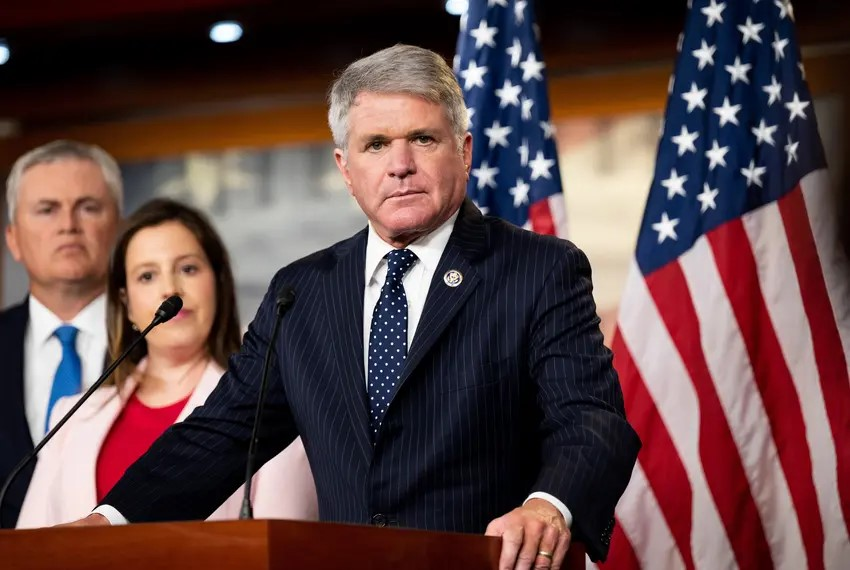
Vorsitzender des Auswärtigen Ausschusses des US-Repräsentantenhauses, McCaul
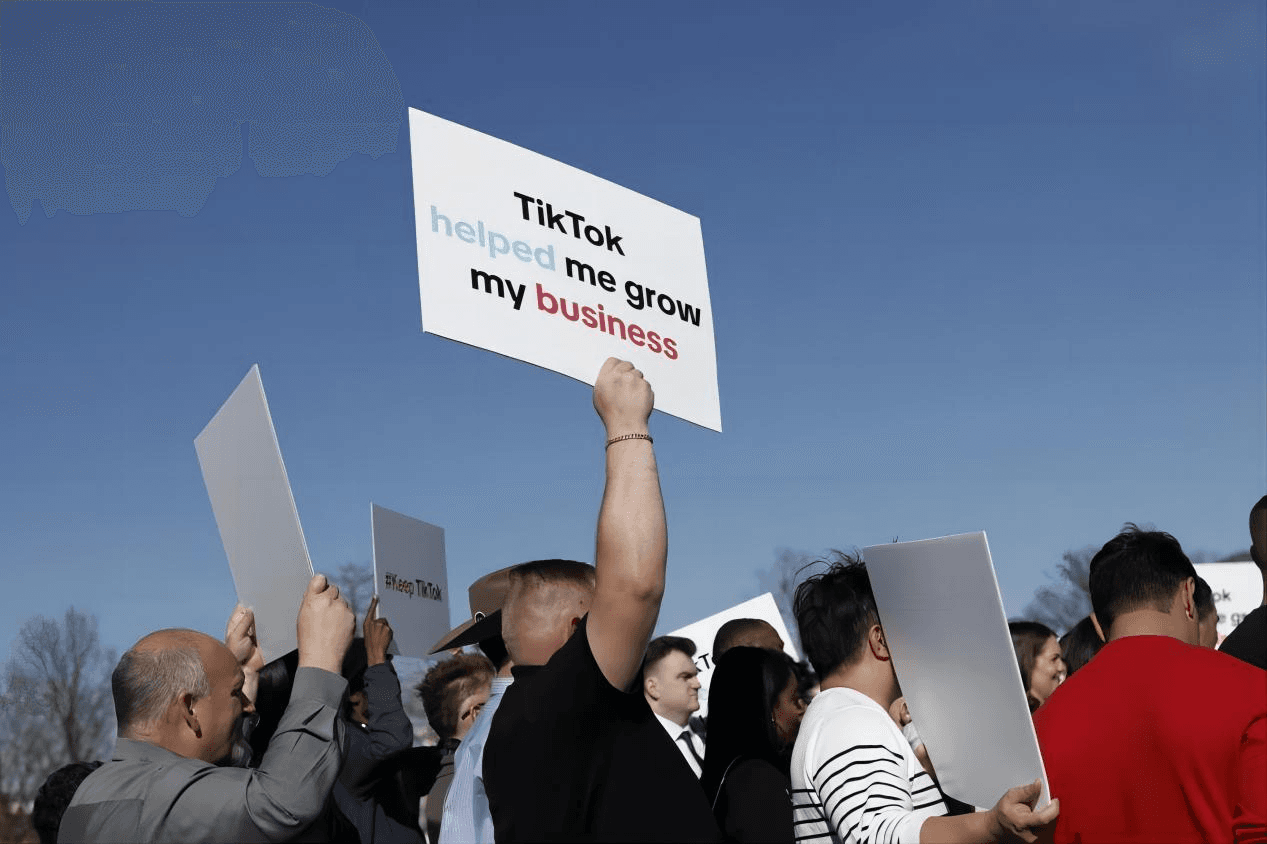
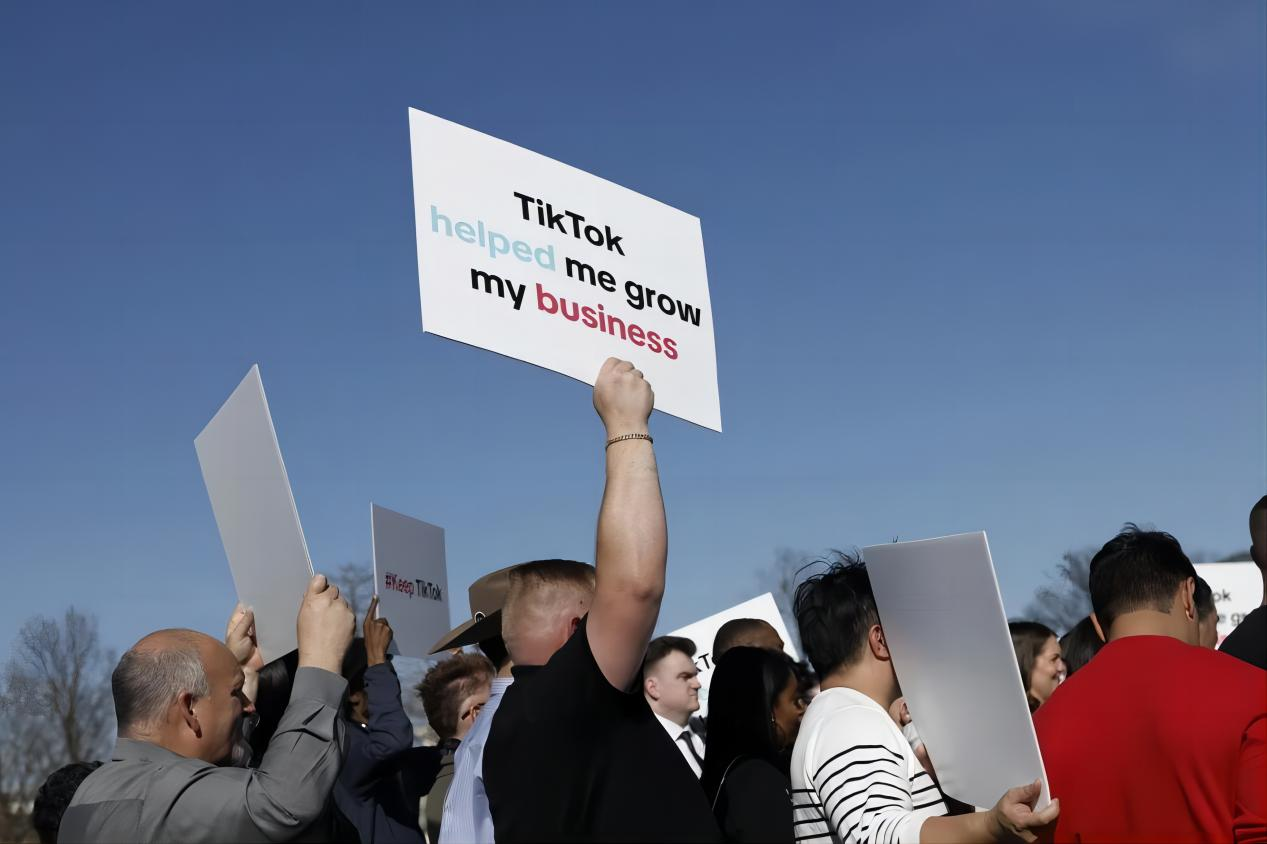
TikTok hat angekündigt, dass es vor Gericht ziehen wird, um die Umsetzung des Gesetzes zu verhindern, falls es in Kraft tritt. TikTok argumentiert, dass das Gesetz das Recht seiner rund 170 Millionen US-Nutzer auf Meinungsfreiheit gemäß dem Ersten Verfassungszusatz verletzt. Zudem betont TikTok, dass die Plattform jährlich 24 Milliarden Dollar zur US-Wirtschaft beiträgt und 7 Millionen Unternehmen unterstützt.
Laut aktuellen Daten des Pew Research Centers verbringen etwa 170 Millionen Menschen in den USA täglich mindestens eine Stunde auf TikTok, wobei 60 % der Nutzer Jugendliche sind. Von diesen geben 20 % an, die Plattform "fast ständig" zu nutzen. Zudem betrachten über 40 % der US-TikTok-Nutzer die Plattform als ihre Hauptnachrichtenquelle.
Angesichts dieser breiten Nutzerbasis hat der Vorschlag, TikTok zu verbieten, eine Debatte über die Einschränkung der Meinungsfreiheit ausgelöst. Gegner des Verbots argumentieren, dass ein Verbot nicht nur den Informationsfluss einschränken, sondern den Nutzern auch die Freiheit nehmen würde, Informationen zu erhalten und zu teilen, was durch den Ersten Verfassungszusatz ausdrücklich geschützt wird.
Derzeit wird erwartet, dass das Gesetz am Dienstag (23. April) dem Senat vorgelegt wird. Sollte der Senat zustimmen, wird es Präsident Biden zur Unterzeichnung vorgelegt.
Wie es weitergeht, wird Tuke weiterhin verfolgen!