
 1883
1883For beginners who have just entered the Tuke field, the most common confusion is: My product is great, and the website is set up, so why am I not getting the traffic I want? In fact, the key issue is often not the quality of the content, but a deviation in keyword placement.
Tuke marketing is fundamentally different from domestic promotion. In the domestic market, we face a user group with a single language and cultural background, while Tuke means facing a diversified audience from different countries, with different language habits and search behaviors.
In this context, keyword placement is no longer a simple translation task, but the key to breaking through and acquiring precise traffic.

Image source:Google
Understanding Search Intent is the Foundation of Keyword Placement
Many Tuke beginners easily fall into a trap, assuming that whatever words users use to search, those are the words to use for keywords. In reality, users from different countries and cultural backgrounds have vastly different search habits.
For example, an American user who wants to buy a waterproof bluetooth speaker might search directly for“waterproof bluetooth speaker”. But a German user might search for “wasserdichter bluetooth-lautsprecher”.
This is not just a language difference, but also a difference in search habits. German users tend to use compound words, while American users prefer to search with phrases.
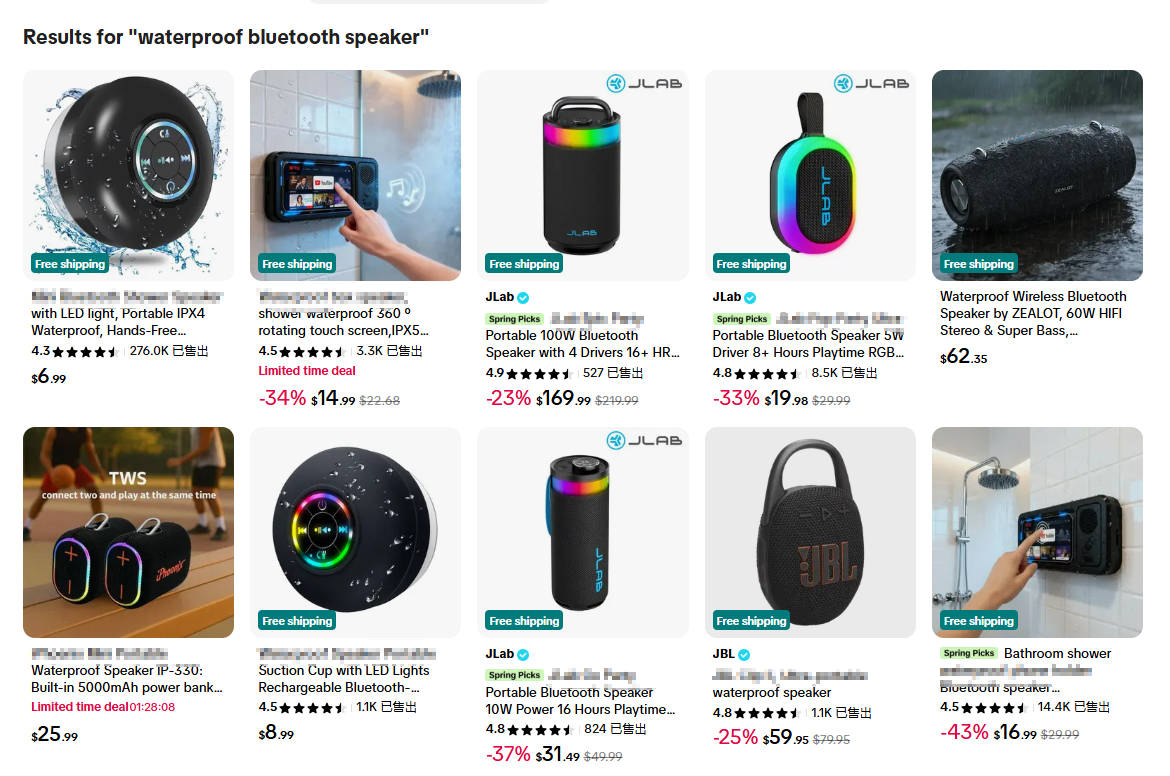
Image source:TikTok Shop
On a deeper level, we also need to understand the user's search intent. For the same search“running shoes”, some users want to know how to choose running shoes, some want to see reviews of the latest styles, and some are ready to buy directly. These three different intents correspond to completely different keyword choices and content layout strategies.
How Different Categories Should Differentiate Keyword Placement
The keyword placement for Tuke products needs to be differentiated according to the characteristics of the category. I roughly divide Tuke products into three categories, each with its own unique keyword placement logic.
The first category is mass consumer goods, such as clothing, household goods,3C accessories, etc.
The characteristic of this type of product is fierce competition, with large but broad search volumes. When placing keywords for such products, you can't just focus on the core words, but should be good at mining long-tail keywords.
For example, if you are selling yoga wear, besides“yoga wear” as the core word, you can also use long-tail keywords like “high waist yoga pants for women” or “breathable yoga top for hot yoga”. Although these keywords have lower search volumes, their conversion rates are often higher, because users searching for these terms have a very clear purchase intent.
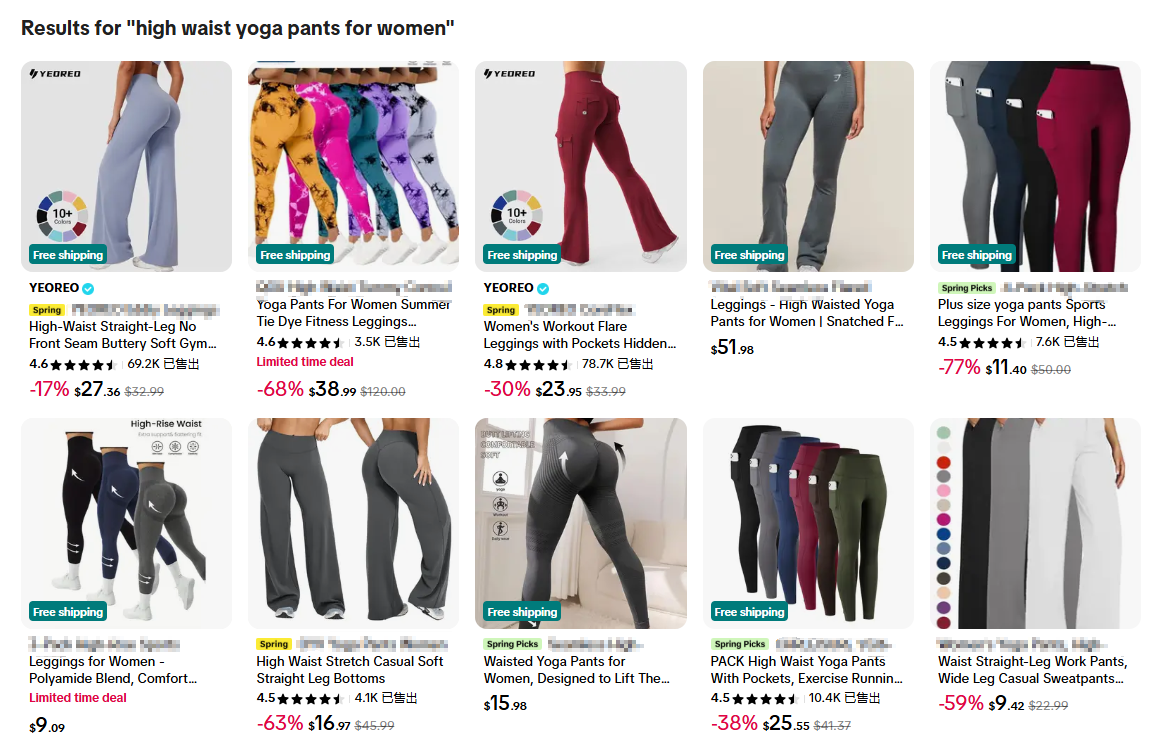
Image source:TikTok Shop
The second category is professional or niche products, such as industrial equipment, professional tools, and gear for specific enthusiasts.
The keyword placement for this type of product should focus on professionalism and scenarios. For example, if you are selling drones but focusing on agricultural crop protection, then“agricultural drone for crop spraying” is more valuable than simply “drone for sale”.
You need to think from the perspective of your target users: in what scenarios would they need your product, and what professional terms would they use to describe this need?
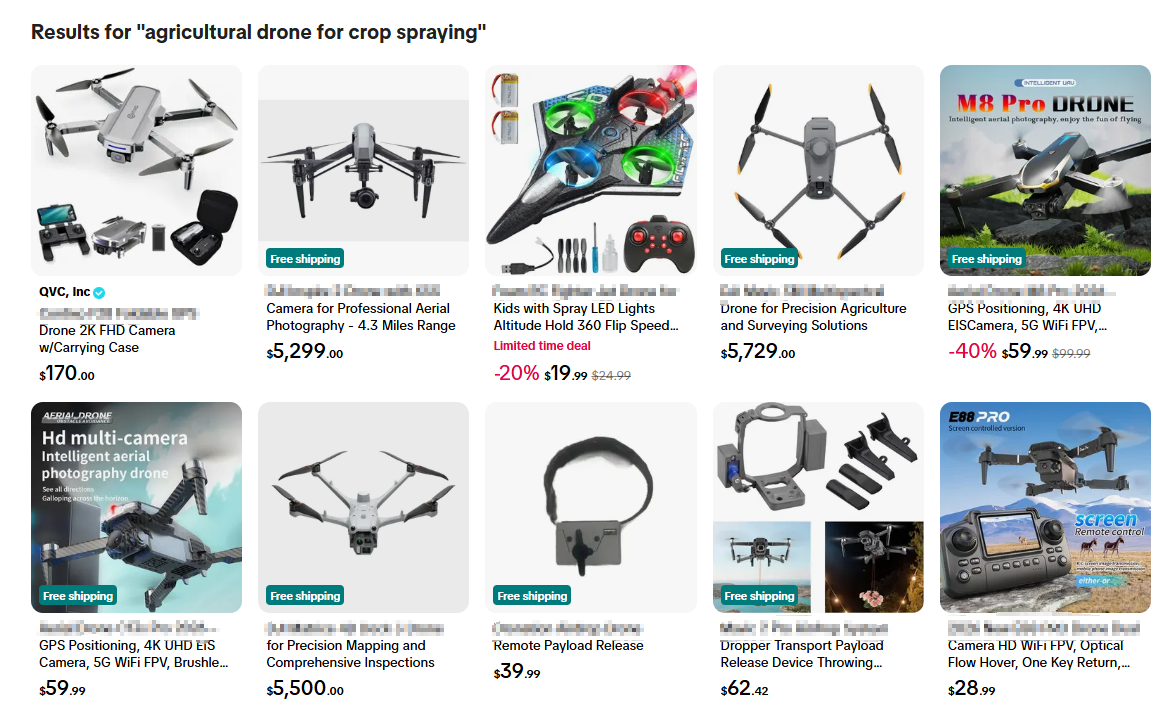
Image source:TikTok Shop
The third category is service-based products or solutions, such asSaaS tools, consulting services, and customized services.
The keyword placement for this type of product should highlight problem-solving and value points. For example, if you provide a cross-border e-commerceERP system, then problem-based keywords like “how to manage multi-channel inventory efficiently” may attract more precise users than keywords directly selling the software.
Because users searching for such questions have already realized they have management difficulties and are looking for solutions.
Deep Integration of Local Language Habits
Keyword placement cannot stop at simple translation, but must truly integrate into the language habits of the target market. This requires us to deeply understand the local cultural background and ways of expression.
Take the English market as an example. Although both the UK and the US speak English, their expressions differ greatly. Americans say“fall”, while the British say “autumn”; Americans say “apartment”, while the British say “flat”. These subtle differences all need to be considered in keyword placement.
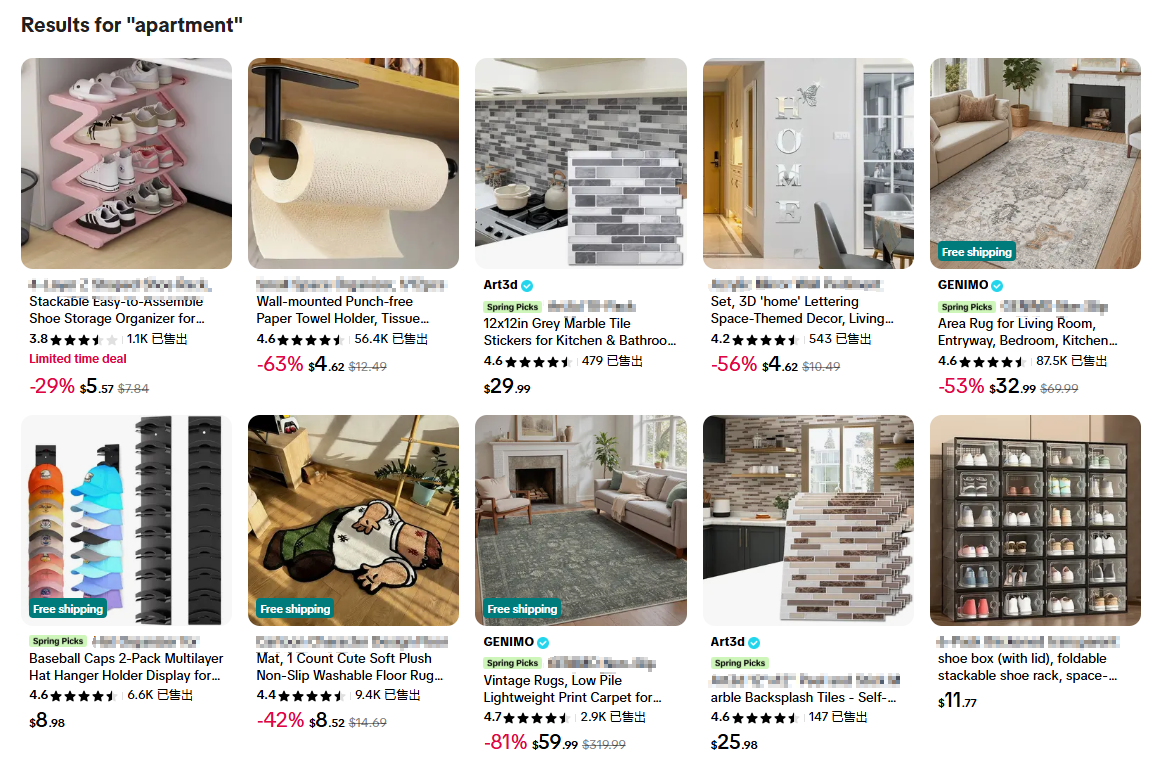
Image source:TikTok Shop
Furthermore, pay attention to slang and colloquial expressions in different regions. For example, in Australia, they often use“arvo” to mean afternoon and “barbie” to mean barbecue. If your product is related to these life scenarios, appropriately incorporating these localized expressions can often yield unexpected results.
Competitive Analysis and Keyword Opportunity Mining
In addition, before finalizing the keyword placement plan, it is also crucial to conduct competitive analysis. This not only affects keyword selection, but also the subsequent content strategy and allocation of promotional resources.
Analyzing competitors' keyword placement can be approached from several dimensions. See which core keywords they focus their content on, which keywords bring them the most traffic, and which keywords have less traffic but lower competition. Through these analyses, we can find opportunities for keyword placement.
For example, suppose you are doing Tuke for pet supplies. Through analysis, you find that most competitors are competing for big keywords like“dog food”, “cat toys”, then you can consider entering from a more segmented angle, such as “grain free puppy food for sensitive stomach” or “interactive cat puzzle feeder”. These keywords are relatively less competitive, but users searching for them are often more precise target customers.
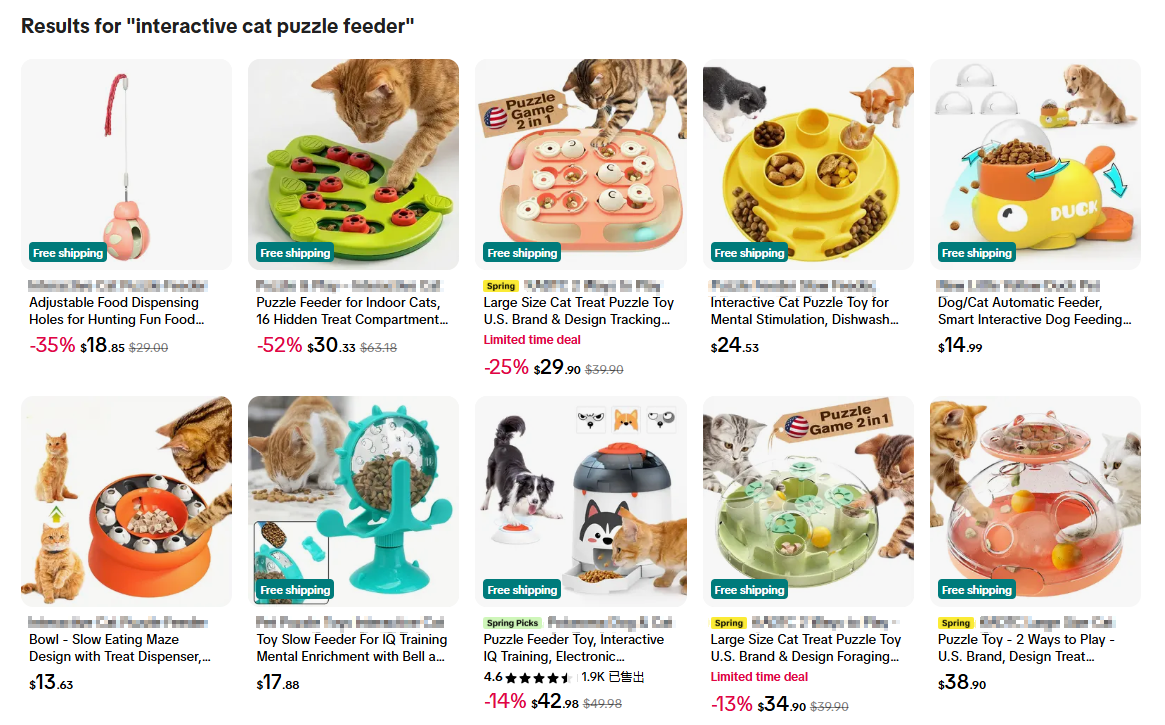
Image source:TikTok Shop
At the same time, pay attention to emerging trends and seasonal demands. For example, in the European and American markets, every summer,“cooling dog bed” sees a significant increase in search volume. Laying out such seasonal keywords in advance often brings good traffic dividends when demand explodes.
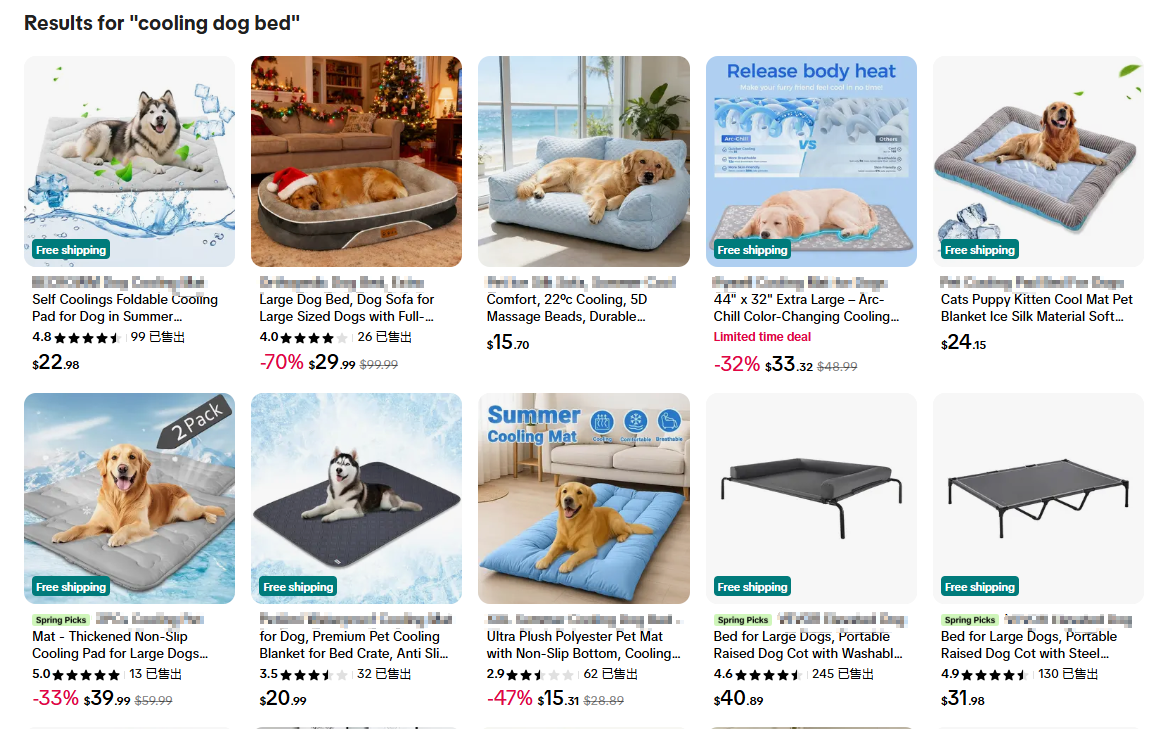
Image source:TikTok Shop
Conclusion
The layout of Tuke keywords is not a one-time job, but a process that requires continuous adjustment and optimization in practice.
When we truly stand in the shoes of our target users, understand their search habits and real needs, and build a keyword system and content matrix around these needs, precise traffic will naturally follow.