 2306
2306
Many cross-border sellers who have just started Tuke havethe same confusion:“The product is ready, the team is set up, but when entering the local market, why does it always feel like punching into cotton?”
The pain point behind this problem is something almost every Tuke person will experience. You bring your domestic success experience over, but users don’t buy it; you translate your product into the local language, but conversion rates are still poor; you spend a lot of money hiring local employees, yet cultural conflicts keep emerging.
In the end, Tuke is not difficult, what’s difficult is localization!Today’s article will discuss how to do Tuke localization, using several real brand case studies.?
Image source:Google
Redefine the product from a local perspective, not just transfer functions
The first mistake most novice Tuke people make is directly “transferring” a proven domestic product to overseas markets. They think the core functions are universal, and as long as the interface language is switched, users will naturally accept it.
But the reality is often the opposite—what you think is a necessity may not exist locally; the features you are proud of may be considered burdensome by local users.
The first step in localization is to let go of “what I think” and truly understand “what users think.”
In this regard, Transsion is a typical successful case. When entering the African market, it didn’t launch standardized products like other phone manufacturers, but deeply customized for the real pain points of African users.
They found that there were many operators in Africa and cross-network call fees were high, so they launched dual SIM dual standby and even four SIM four standby phones, directly solving users’ actual needs.
Moreover, since traditional phone camera algorithms performed poorly for dark skin, Transsion collected a large amount of local African user photo data and retrained exposure and facial recognition algorithms, allowing users with dark skin to capture clear and natural facial details.
These innovations were made only after the team truly immersed themselves in the local market and observed user scenarios. Transsion’s success in the local market comes from not directly transferring mature domestic products, but redefining what a phone should be for African users.

Image source:Google
Localizing organizational capabilities is much more complex than hiring a few local employees
Many Tuke companies realize the need for a local team, so they start hiring sales, operations, and customer service locally. But soon problems arise—domestic managers find they simply “can’t manage” local employees. Meetings are not punctual, work is not urgent, reporting is casual, and these cultural differences frustrate both sides.
The core of organizational localization is not hiring locals, but establishing a management mechanism that can accommodate diverse cultures.
TikTok’s organizational construction overseas provides a valuable reference. It has set up local offices in multiple global markets, and appointed many local managers in key positions. These managers not only understand the market, but also the local compliance environment, cultural sensitivities, and government-business relations.
At the same time,TikTok has established a relatively clear collaboration mechanism between headquarters and local teams—the local team is responsible for content operations, creator ecosystem, brand partnerships and other market-facing execution, while headquarters supports product logic, algorithm iteration, and security risk control.
This model, where headquarters manages the backend and local teams manage the frontend, ensures product core consistency while giving local teams enough flexibility to meet regional market needs.

Image source:Google
Brand communication should translate cultural context, not just language
This is the most easily overlooked yet most fatal part of localization. Many brands translate their website and social media copy into the local language and think they’ve localized. But true communication localization is the reconstruction of cultural context.
The same marketing idea may resonate in China but be meaningless in Thailand; the same brand color may seem lively in Latin America but not dignified enough in the Middle East. Brand communication failures are often not due to language translation errors, but cultural “translation” errors.
Mixue Ice City’s localization strategy in Southeast Asia provides a very clear example. When entering Indonesia and Vietnam, it didn’t simply copy domestic marketing scripts, but systematically adjusted its brand image for the local context.Invisual presentation, they incorporated design elements that fit local aesthetics; in store experience, the music played changed from Chinese songs to local popular singles.
This approach, not imposing Chinese brand aesthetics on Southeast Asian users, but letting the brand wear local cultural clothing and communicate in ways familiar to locals, is the true essence of localized brand communication.
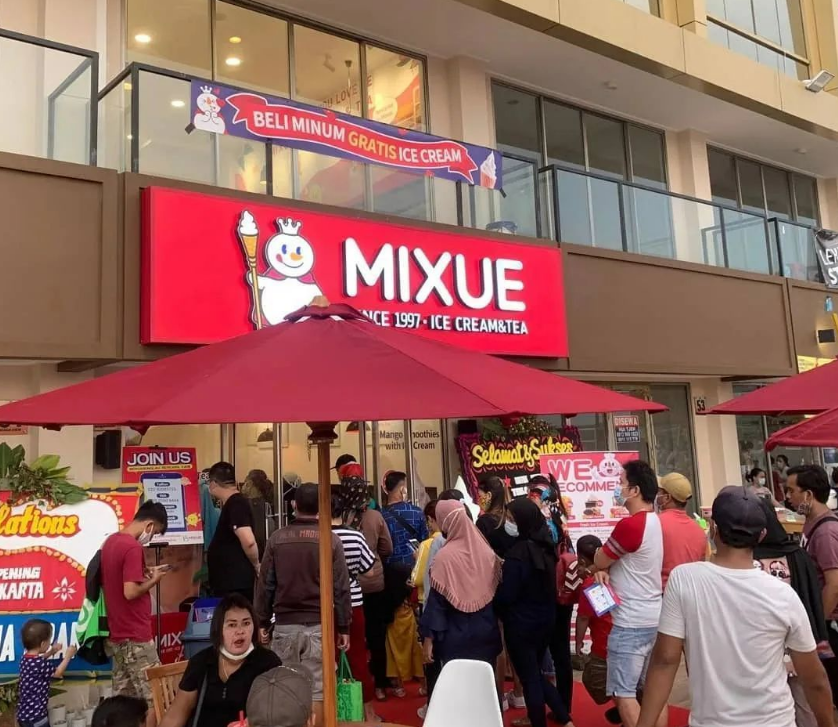
Image source:Google
Conclusion
In summary, the practices of these brands tell us a clear truth: there are no shortcuts to Tuke localization, nor a once-and-for-all solution. It requires continuous investment of patience, resources, and sincerity.
The future of globalization is no longer about Chinese products being sold to the world, but about Chinese enterprises taking root in the world. And the premise of taking root is being willing to let go of the identity of an outsider and truly become part of the local ecosystem.
This road is difficult, but if you make it through, it becomes true core competitiveness.