 3449
3449
In recent years, the e-commerce market in Southeast Asia has developed rapidly. With the deepening of market competition, platform operation models are also constantly being adjusted and upgraded.
Starting from May 1, 2026, TikTok Shop and Tokopedia will officially charge sellers a logistics service fee.
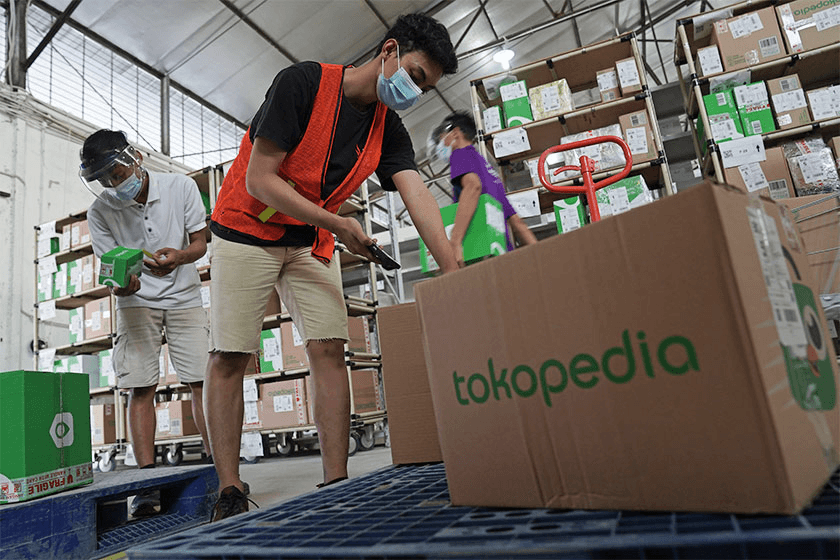
This new regulation means that the costs previously borne by the platform for order processing, delivery, and other logistics steps will now be borne by the sellers themselves. For Tuke merchants who are adapting to the integration process of Indonesia's e-commerce ecosystem, this additional expense will undoubtedly need to be recalculated into their operating accounts.
Image source:Google
How are logistics fees calculated?
According to the official notices released by both platforms, the logistics service fee will be determined as a percentage of the actual shipping fee paid by the buyer. The specific amount will also be affected by the order's origin, destination, and package weight.
According to platform regulations, there is a cap on the logistics service fee for a single order:TikTok Shop has a maximum of 5,055 IDR per order, while Tokopedia's cap is 10,110 IDR. It is especially important to note that this fee is fully borne by the seller and will not be displayed to consumers at the buyer's checkout stage.
In addition, the platform also reminds sellers that for some remote or complex shipping routes, the actual logistics service fee may exceed the general estimated range displayed by the system.
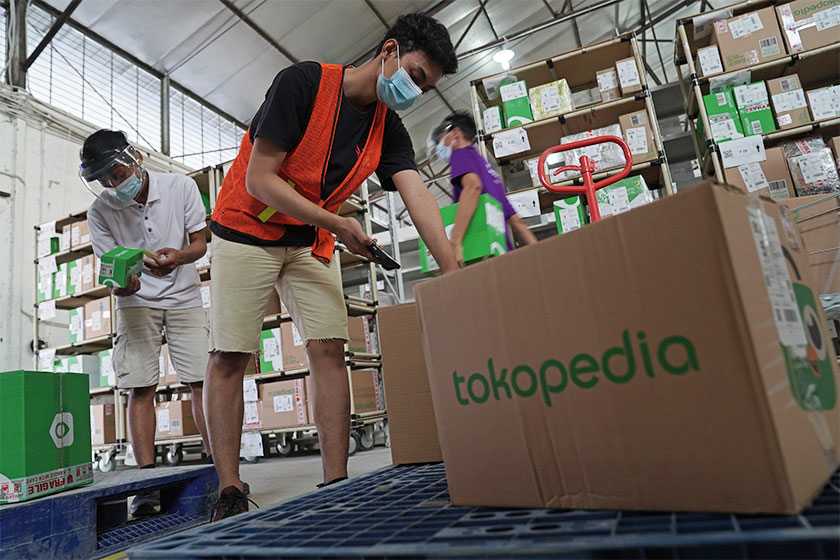
Image source:Google
Significant impact on profit margin and pricing
For the majority of sellers, the most direct change is the alteration of the operating cost structure.
Previously, some hidden costs in the logistics process were absorbed by the platform. However, after May 1, the logistics service fee for each order will become a fixed expenditure. For sellers with a large number of orders, this accumulated fee will significantly affect the net profit margin. Especially for merchants selling low-priced products, the logistics service fee may account for a high proportion of the order value, squeezing an already thin profit margin.
In terms of pricing strategy, sellers have to reconsider the logic of product pricing. Since buyers do not directly see this fee, consumers' price sensitivity will not be impacted in the short term, but sellers need to reserve enough cost buffer in their backend calculations.
On the other hand, the warning about excess fees for remote or complex shipping routes also requires sellers to be more cautious when setting shipping templates and regional coverage strategies, to avoid overall profit erosion caused by uncontrolled logistics costs of individual orders.
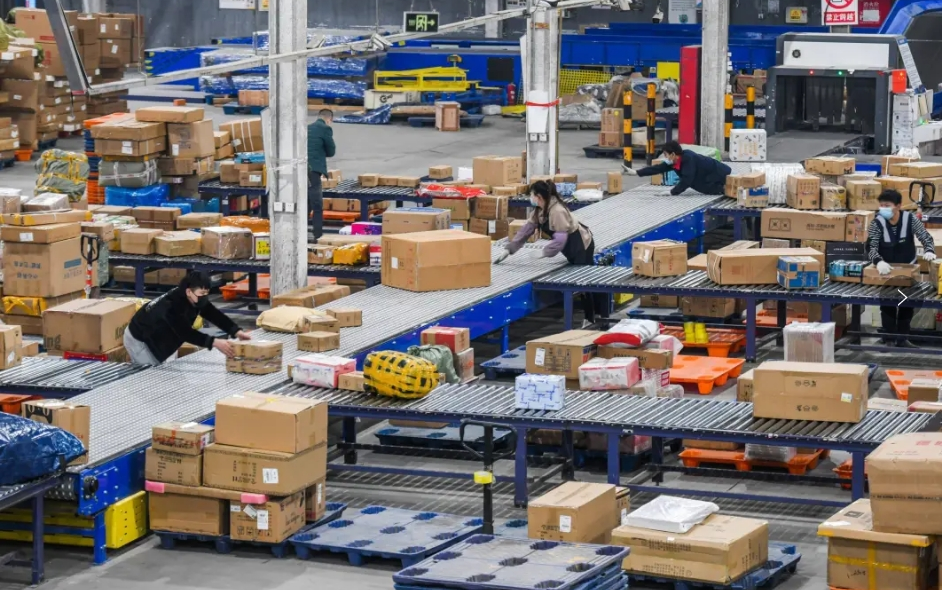
Image source:Google
Refined operations become the key
Faced with the upcoming new charging policy, sellers can make adjustments from several directions.
First is to optimize the product mix. Appropriately increasing the proportion of high-priced and high-margin products can effectively offset the cost pressure brought by the logistics service fee per order.
Second is to increase the average order value. Through bundled sales, discount promotions, and other methods, the logistics cost per order can be spread over more products, thus reducing the proportion of the fee.
In addition, sellers can also re-examine their warehousing and shipping layouts. Choosing warehouses closer to major consumer areas helps shorten transportation distances, reduce the base shipping cost, and thus reduce the percentage-based logistics service fee. For merchants with a certain order scale, negotiating better delivery prices with logistics service providers is also an effective way to reduce overall costs.
Finally, closely monitor any subsidies or preferential policies that the platform may introduce in the future, and adjust your own pace in a timely manner. This is also a pragmatic choice.
Image source:Google
Conclusion
Every adjustment of platform rules is a test of sellers' adaptability.The new logistics service fee policy, which will take effect on May 1, will increase operating costs in the short term, but it will also force sellers to shift from extensive growth to refined operations.
For merchants who can quickly adjust their strategies and optimize their cost structures, this may be an opportunity to widen the competitive gap.
In the future, as the integration of TikTok Shop and Tokopedia continues to deepen, the regulatory system of Indonesia's e-commerce market will become more transparent and standardized.
Only by keeping up with changes and responding flexibly can sellers maintain their footing in this promising market and find new growth points.