
 2310
2310En el contexto de la globalización y el rápido desarrollo del comercio electrónico transfronterizo, cada vez más empresas y particulares dirigen su atención al mercado internacional. Para los creadores, propietarios de marcas o vendedores que se inician en el mercado exterior,"cómo invertir en publicidad para la exportación" suele ser la pregunta más urgente y también la más confusa.
Con muchas plataformas, reglas diferentes y diferencias culturales significativas, sin ideas claras y planes viables, es fácil caer en una inversión ciega y resultados deficientes.
Hoy, partiendo de la lógica principal para principiantes, desglosaremos la elección del punto de partida de la inversión, la planificación de la ruta y la estrategia de asignación de presupuesto, proporcionando una guía de referencia tanto profesional como práctica para quienes se lanzan al mercado exterior.

Fuente de la imagen:Google
Primero la conciencia: definir objetivos y mercado
El primer paso para un principiante no es abrir directamente el fondo de anuncios para crear una campaña, sino establecer una comprensión sistemática de la"publicidad para la exportación".
Muchos principiantes tienen prisa por obtener resultados y ven que sus competidores lanzan un producto exitoso en una plataforma y los siguen, ignorando las diferencias en los hábitos de los usuarios, la estructura competitiva y las características de la plataforma en diferentes mercados.
Por ejemplo, los usuarios del mercado del Sudeste Asiático dependen más de las plataformas sociales que de la búsqueda tradicional, mientras que los mercados maduros de Europa y Estados Unidos valoran más la profesionalidad del contenido y la confianza en la marca;los anuncios de TikTok son más adecuados para atraer tráfico rápido y exitoso, mientras que Google Ads es experto en captar usuarios con intención de búsqueda precisa.

Fuente de la imagen:Google
Por lo tanto, un principiante debe responder primero tres preguntas clave:Primero, ¿cuál es el objetivo principal? ¿Exposición de marca, conversión de producto o retención de usuarios?
El objetivo determina directamente la dirección de la estrategia de inversión. Si se trata de conversión, se deben priorizar las plataformas con un embudo de conversión corto (como los anuncios de compras deFacebook/Instagram); si es para construcción de marca, se debe equilibrar el tono del contenido y el alcance a largo plazo (como videos de historias de marca en YouTube).
Segundo,¿cuál es el perfil del usuario del mercado objetivo?Se pueden utilizar herramientas de datos de terceros (comoSimilarWeb, Statista) para analizar la distribución por edades, preferencias de consumo, categorías populares y dinámicas de la competencia en el país objetivo, evitando un enfoque único de contenido e inversión.

Fuente de la imagen:Google
Tercero,¿qué tan adecuado es el propio producto?Los productos de alto precio unitario y fuerte experiencia (como los dispositivos3C) son más adecuados para generar confianza a través de reseñas de KOL y contenido profundo, mientras que los productos de bajo precio unitario y alta frecuencia de recompra, como los artículos de uso diario, pueden basarse en anuncios de redes sociales para aumentar rápidamente el volumen.
Una conciencia clara permite que las acciones posteriores eviten esfuerzos inútiles y realmente se centren en el campo de batalla efectivo.
Ruptura del camino: de pruebas puntuales a construcción de sistemas
Una vez definidos los objetivos y el mercado, los principiantes a menudo se preguntan"desde qué plataforma empezar a invertir". En realidad, en lugar de obsesionarse con la elección de una sola plataforma, es mejor adoptar un camino progresivo de avance puntual, verificación multiplataforma e integración de sistemas. Al principio, se recomienda centrarse en 1-2 plataformas principales que coincidan altamente con el mercado objetivo, concentrando recursos para profundizar, en lugar de dispersar esfuerzos en muchas direcciones.
Tomando como ejemplo los principales mercados de exportación:
Si se enfoca en elSudeste Asiático, los anuncios internos en plataformas de comercio electrónico comoShopee, Lazada(como promoción por palabras clave, recomendaciones relacionadas) pueden ser un punto de partida, ya que sus usuarios ya tienen una intención de compra clara y el embudo de conversión es más corto.

Fuente de la imagen:Google
Al mismo tiempo, complementar con la operación de comunidades localizadas enFacebook, Instagram, utilizando temas locales populares (como festivales, cultura pop) para diseñar contenido interactivo y reducir la resistencia a los anuncios.
Si se apunta almercado de Europa y Estados Unidos, los anuncios de búsqueda deGoogle Adsson adecuados para capturar la demanda activa de los usuarios, mientras que los desafíos y la colaboración con creadores enTikTokpueden despertar el interés potencial, formando un doble impulso de búsqueda+interés.
Fuente de la imagen:Google
Es importante señalar que los principiantes deben establecer una conciencia de prueba—revisión—iteración. La inversión inicial no necesita buscar un presupuesto masivo; se pueden configurar pruebas A/B a pequeña escala (como diferentes materiales, audiencias segmentadas, páginas de destino) y verificar rápidamente la efectividad a través de indicadores clave como la tasa de clics (CTR), la tasa de conversión (CVR) y el costo por adquisición (CPA).
Presupuesto preciso: de la supervivencia al crecimiento
La asignación de presupuesto es el aspecto donde los principiantes cometen más errores—ya sea por un exceso de conservadurismo que resulta en tráfico insuficiente, o por una expansión ciega que provoca desperdicio de fondos. Una planificación presupuestaria científica debe equilibrar la línea de supervivencia y la elasticidad de crecimiento, asegurando que cada inversión sirva a los objetivos de la etapa correspondiente.
Primero, es necesario dividir el presupuesto básico de supervivencia y el presupuesto de exploración de crecimiento.
El presupuesto básico de supervivencia se utiliza para garantizar la inversión estable en los canales principales, asegurando la presencia de la marca en el mercado objetivo (generalmente representa entre el50% y el 60% del presupuesto total); el presupuesto de exploración de crecimiento se utiliza para probar nuevas plataformas, nuevos materiales o nuevas audiencias (entre el 20% y el 30%), y el 10%-20% restante se reserva como fondo de emergencia para hacer frente a fluctuaciones repentinas de tráfico o ataques de la competencia.

Fuente de la imagen:Google
En segundo lugar, la asignación del presupuesto debe estar fuertemente vinculada a los objetivos de la etapa.
En la fase de arranque en frío (primeros1-3 meses), el enfoque está en validar el modelo; el presupuesto debe dirigirse a canales con alto potencial de conversión (como anuncios de búsqueda ya validados o recuperación de clientes antiguos con alta tasa de recompra), evitando la pérdida de control de costos por buscar escala.
En la fase de crecimiento (3-6 meses), se debe expandir la cobertura de los canales efectivos y aumentar gradualmente la proporción de exploración de nuevos canales.
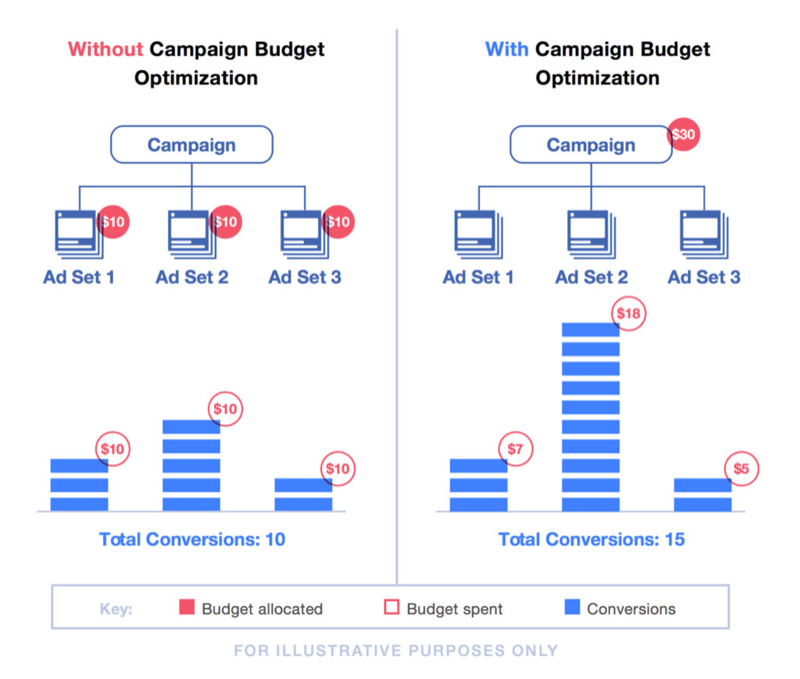
En la fase de madurez (más de6 meses), se pueden introducir herramientas de automatización (como la Optimización de Presupuesto de Campaña de Facebook) para lograr una asignación inteligente del presupuesto, y al mismo tiempo, mediante el análisis del LTV (valor de vida del usuario), mejorar la prioridad de inversión en usuarios de alto valor.
Fuente de la imagen:Google
Conclusión
Para los principiantes, en lugar de angustiarse por dónde empezar, es mejor calmarse y realizar una buena investigación de mercado y pruebas; en lugar de obsesionarse con el presupuesto, es mejor aprender a validar la lógica con el menor costo.
Con la acumulación de experiencia, la inversión pasará de ser una cuestión de suerte a una ciencia predecible, ayudando finalmente a quienes se lanzan al mercado exterior a encontrar su propio ritmo de crecimiento en el mercado global.