
 2635
2635
Aujourd'hui, dans un contexte de concurrence mondiale accrue, l'expansion à l'international est devenue une voie importante pour de nombreuses entreprises afin de développer leurs marchés et de rechercher une croissance.
Cependant, de nombreuses entreprises qui se développent à l'international sont confrontées à un défi commun : comment établir une relation utilisateur stable et durable sur un marché étranger inconnu ? La réponse réside peut-être dans la construction d'un trafic privé.
Contrairement à l'écosystème de trafic privé en Chine, le trafic privé à l'international doit franchir les barrières multiples liées à la culture, à la langue, aux plateformes et aux habitudes des utilisateurs. Mais sa valeur fondamentale reste la même : créer un pool d'actifs utilisateur appartenant à la marque, directement accessible, réutilisable et permettant un ciblage précis des opérations.

Source : Google
Définir le positionnement du trafic privé et les bases de sa construction : les travaux de fondation du trafic privé à l'international
Avant de commencer toute action d'acquisition de trafic, l'entreprise doit d'abord clarifier le positionnement et l'architecture de base de son trafic privé à l'international. Cela inclut le choix du support de trafic privé adapté au marché cible.
Contrairement à la position monopolistique de l'écosystème WeChat en Chine, les supports de trafic privé à l'international sont plus dispersés : WhatsApp possède une large base d'utilisateurs en Amérique latine, en Asie du Sud et en Europe ; Line domine les marchés japonais et taïwanais ; KakaoTalk est le choix dominant en Corée du Sud ; tandis que Telegram est populaire en Europe de l'Est, au Moyen-Orient et dans les communautés techniques.

Source : Google
De plus, le courrier électronique reste un canal de trafic privé à haute confiance et à fort taux de conversion dans de nombreux marchés occidentaux. Les marques doivent choisir 1 à 2 supports principaux comme plateforme centrale de trafic privé, en fonction de la répartition géographique, de la tranche d'âge et des habitudes d'utilisation des utilisateurs cibles.
Un autre élément clé de la construction de base est la préparation des outils techniques. Les marchés internationaux disposent de nombreux outils d'automatisation marketing matures, tels que HubSpot, Mailchimp, Klaviyo, etc., qui aident les marques à intégrer les données utilisateur, à suivre les comportements et à concevoir des flux d'automatisation.
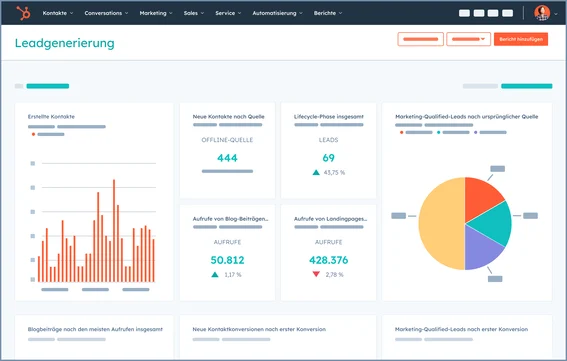
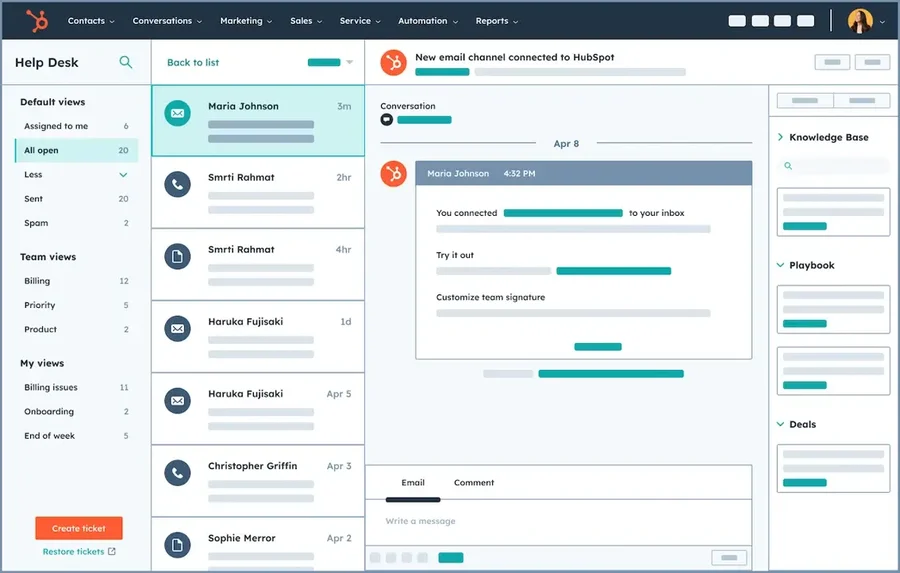
Source : HubSpot
Parallèlement, la mise en place d'une plateforme de données clients (CDP) devient de plus en plus importante. Elle permet d'unifier les données des utilisateurs provenant de multiples canaux (site web, application, médias sociaux, etc.) pour former un profil utilisateur complet, fournissant ainsi un support de données pour une segmentation des opérations.
Stratégie d'acquisition depuis le trafic public : construction d'un champ magnétique pour attirer précisément les utilisateurs internationaux
L'essence du trafic privé est de « capturer » les utilisateurs depuis le trafic public. Par conséquent, une acquisition efficace depuis le trafic public est une condition préalable à la construction du trafic privé. Le défi pour les entreprises qui se développent à l'international réside dans la diversité des plateformes de trafic public à l'étranger, dont les algorithmes et les comportements des utilisateurs diffèrent considérablement de ceux de la Chine.
Le marketing de contenu est une stratégie clé pour créer un champ magnétique d'acquisition à long terme. L'essor de la marque DTC américaine Glossier en est un exemple emblématique.
La marque publie en continu des tutoriels de maquillage, des avis d'utilisateurs réels, des coulisses, etc. sur des plateformes comme Instagram et TikTok. Non seulement elle attire un grand nombre de fans, mais elle guide également le trafic public vers l'abonnement à la newsletter du site web et le forum communautaire via des liens dans la biographie et des commentaires épinglés, étendant ainsi considérablement l'influence de la marque dans le domaine public et alimentant continuellement le trafic privé en utilisateurs de qualité.

Source : TikTok
De plus, la publicité payante nécessite une gestion plus fine. Les marques doivent choisir différentes formes en fonction des caractéristiques du produit, telles que les annonces de recherche Google, les publicités dans le fil d'actualité Facebook/Instagram, les défis de marque TikTok, etc. Le point clé est d'optimiser en permanence le ciblage de l'audience, le contenu créatif et la conception des pages de destination via des tests A/B, afin de réduire le coût d'acquisition.
Quelle que soit la méthode d'acquisition utilisée, il est essentiel de concevoir un « appât » clair et un parcours fluide pour guider l'utilisateur dans le passage du trafic public au trafic privé.
Système d'opérations segmentées : une culture fine pour maximiser la valeur des utilisateurs internationaux
Une fois que les utilisateurs entrent dans le trafic privé, comment éviter qu'ils ne deviennent des « silencieux » et les transformer progressivement en défenseurs de la marque ? La segmentation des opérations est la clé. La logique de segmentation du trafic privé à l'international doit reposer sur des données multidimensionnelles telles que les caractéristiques géographiques des utilisateurs, leur comportement d'achat et leurs préférences de contenu.
La segmentation de base peut être basée sur le cycle de vie de l'utilisateur. Les nouveaux abonnés doivent immédiatement déclencher une séquence de bienvenue (Welcome Sequence), avec 3 à 5 e-mails ou messages présentant l'histoire de la marque, sa valeur fondamentale et un guide d'utilisation, afin de créer une première impression.
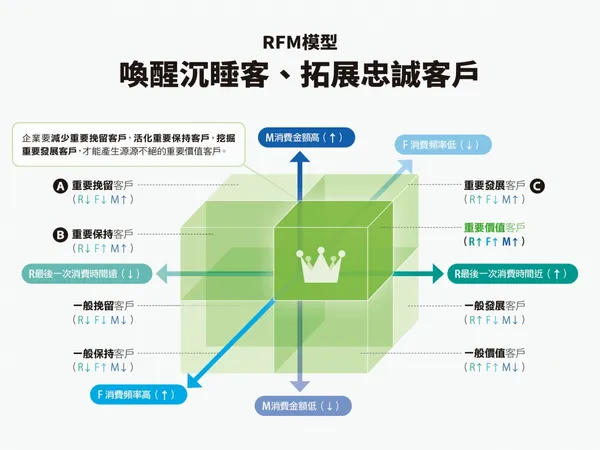
Les utilisateurs actifs peuvent être ensuite segmentés selon le modèle RFM (récence, fréquence, montant d'achat). Les utilisateurs à forte valeur doivent bénéficier d'avantages exclusifs, d'un accès prioritaire aux nouveaux produits, etc. ; les utilisateurs inactifs doivent être réactivés via des campagnes de réengagement (Re-engagement Campaign).
Source : Google
La segmentation du contenu est également cruciale. Il faut ajuster le type, la fréquence et le format du contenu envoyé en fonction des données d'interaction des utilisateurs (clics, durée de lecture, partages, etc.). Les tutoriels vidéo, les guides illustrés, les cas clients, les analyses sectorielles, etc., doivent correspondre aux besoins des utilisateurs à différents stades.
Mécanismes de parrainage et de conversion : l'effet de volant pour la croissance du trafic privé à l'international
Un trafic privé sain, en plus de l'acquisition externe et des opérations internes, doit également avoir la capacité de croître de manière autonome. La conception d'un mécanisme de parrainage peut inciter les utilisateurs du trafic privé à attirer de nouveaux utilisateurs pour la marque, créant ainsi un volant de croissance.
La conception des incitations au parrainage doit tenir compte des différences culturelles. Les utilisateurs nord-américains peuvent être plus réceptifs au modèle « Recommandez un ami, les deux gagnent » ; tandis que les utilisateurs de certains marchés asiatiques peuvent préférer les récompenses par paliers ou les mécanismes de classement concurrentiel.
De plus, l'intégration des scénarios de parrainage doit être naturelle et discrète. Proposer une invitation au partage au moment opportun, comme après un achat, la réception d'un produit ou un avis positif, est souvent plus efficace qu'une publicité intrusive.

Source : Google
Le trafic privé à l'international : un pont de connexion profonde entre les marques mondiales et les utilisateurs
La construction du trafic privé à l'international, de 0 à 1, est un projet systémique qui allie vision globale et ancrage local approfondi.
Ce n'est pas seulement une accumulation d'outils techniques, mais aussi une compréhension profonde de la psychologie des utilisateurs interculturels, un investissement ferme dans la valeur à long terme de la marque. Du choix du support à l'acquisition depuis le trafic public, de la segmentation des opérations au mécanisme de parrainage, chaque étape nécessite une optimisation continue basée sur les données, les tests et les connaissances locales.
À l'avenir, avec le développement de l'intelligence artificielle et du big data, les opérations de trafic privé à l'international deviendront plus intelligentes et personnalisées, mais le cœur restera toujours le même : placer l'utilisateur au centre, créer de la valeur réelle, et bâtir une communauté de marque qui transcende les frontières.