 3136
3136D'après les données de recherche,En 2024, le marché mondial des appareils de cuisine électroménagers a atteint 269,27 milliards de dollars américains et devrait continuer à croître à un taux de croissance annuel composé de 4,2 %, pour atteindre 388,58 milliards de dollars d'ici 2033. Cette croissance est motivée par la double demande des consommateurs pour une « cuisine pratique » et une « alimentation saine » – en particulier sur les marchés européens et américains, où le conflit entre les aliments frits traditionnels riches en calories et les nouvelles tendances santé a déclenché l'explosion de produits comme les friteuses à air.
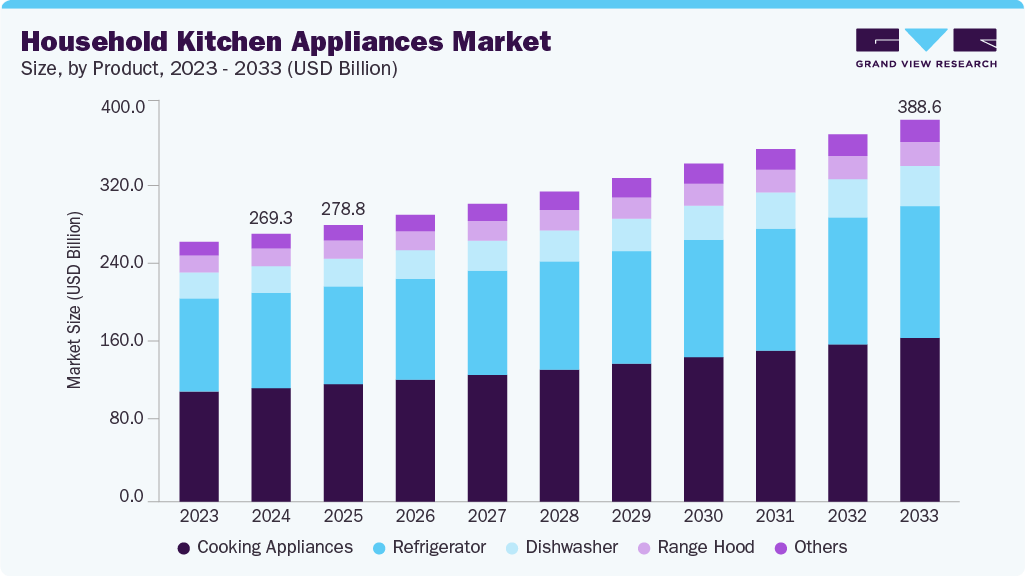
Source de l'image :grand view research
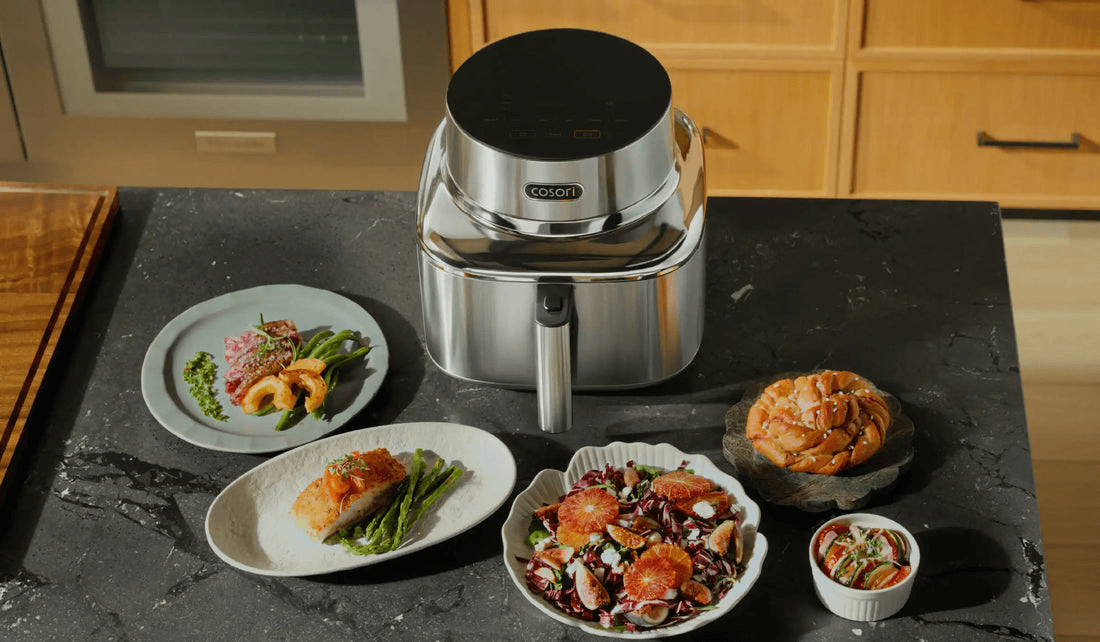
Dans cette transformation, la marque chinoiseCosori se démarque particulièrement. Sa friteuse à air occupe depuis longtemps le top 3 des ventes sur Amazon États-Unis et a conquis la première place en parts de marché dans des pays européens comme l'Espagne et la Norvège. Selon le rapport annuel 2024 de Vesync, Cosori a réalisé un chiffre d'affaires annuel de 165 millions de dollars américains, contribuant à 25,3 % du chiffre d'affaires total du groupe.
Une marque créée il y a seulement8 ans, comment est-elle devenue le « champion invisible » du petit électroménager de cuisine mondial ?
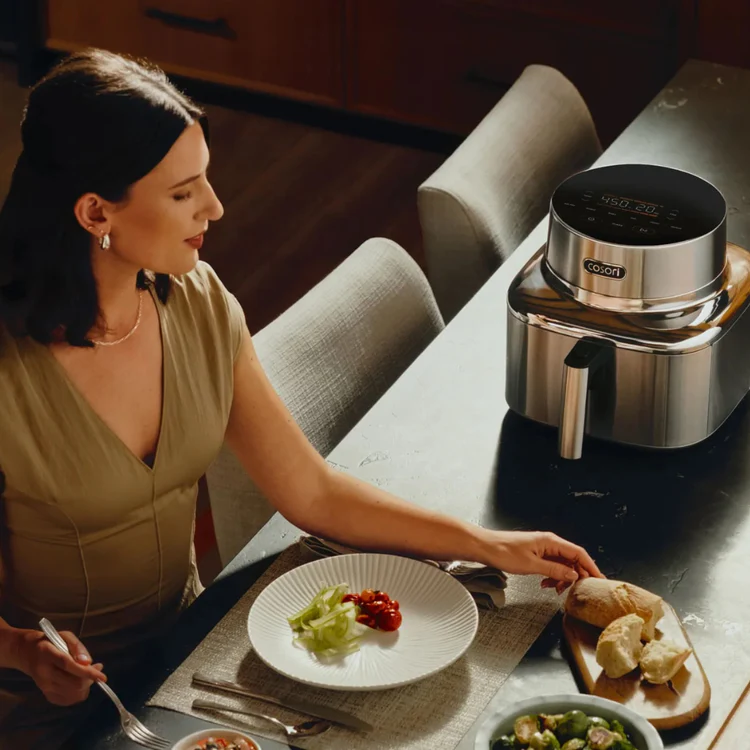
Source de l'image :Cosori
Saisirl'anxiété liée à la santé des « accros aux fritures »
D'après les informations,l'histoire de la marque Cosori commence en 2016.
Sa société mèreVesync a démarré en s'appuyant sur Amazon. Dans l'écosystème du commerce transfrontalier de Shenzhen, habitué à la sous-traitance et au dropshipping, Vesync a très tôt affiché une ambition différente : créer une marque.
Le point de départ entrepreneurial de Cosori est très précis et simple : les Européens et Américains sont des « accros aux fritures » notoires, mais la tendance à une alimentation saine les fait osciller entre plaisir et culpabilité.
Sur la base de ce problème, l'équipe de la marque s'est résolument concentréesur la niche des « friteuses à air sans huile ». Ils ne se contentent pas de vendre un matériel, mais ont lancé le slogan « EASY COOKING, EASIER CLEANUP » (cuisson facile, nettoyage facile), ciblant précisément le désir des jeunes consommateurs occidentaux de vouloir à la fois paresser et bien manger.

Source de l'image :Vesync
En matière de conception de produit,Cosori n'a pas simplement fait de l'OEM, mais a approfondi les habitudes locales. Pour répondre aux préférences des foyers occidentaux pour les grosses pièces de viande, ils ont développé un contrôle précis de la température, permettant aux aliments de conserver un croustillant « comme frit » même avec peu d'huile. Cette micro-innovation localisée basée sur les besoins des utilisateurs a rapidement ouvert une brèche sur le marché.
En2018, les friteuses à air Cosori ont commencé à occuper les premières places du classement Best Sellers d'Amazon, marquant le premier coup de feu de leur offensive.
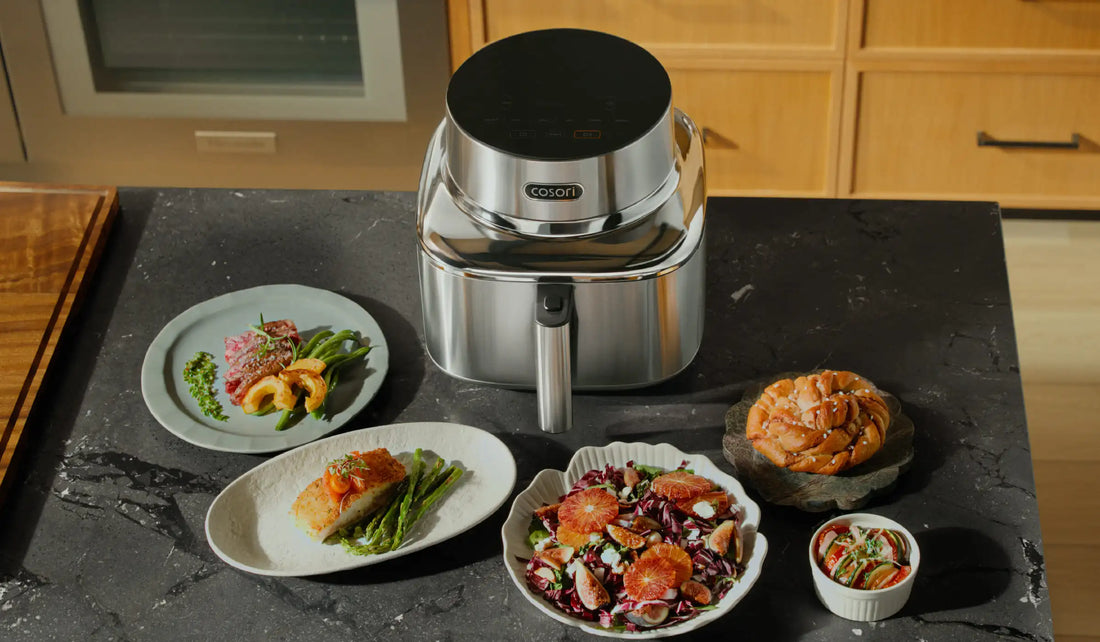
Selon le rapport annuel 2024 publié par la société mèreVesync, le chiffre d'affaires annuel de Cosori a atteint 165 millions de dollars américains, soit 25,3 % du chiffre d'affaires total du groupe. Non seulement la marque tient fermement la première place en Amérique du Nord, mais elle a également pris la tête du marché dans plusieurs pays européens comme l'Espagne et la Norvège.
Source de l'image:Cosori
Chasse multi-canal : pas seulement vendre, mais aussi« planter la graine »
marqueLe succès fulgurant, si on l'attribue uniquement à la force du produit, alorscertainementne suffit pas. Aujourd'hui, dans la fragmentation du trafic à l'étranger,Cosori a montré une capacité de déploiement multi-plateforme extrêmement habile.
Ilsd'une part, ils cultivent en profondeur les tiersréseaux sociauxplateformes, d'autre part, ils construisent simultanément leur propre site indépendant, transformantle « trafic » en « actif » progressivement.
1.TikTok
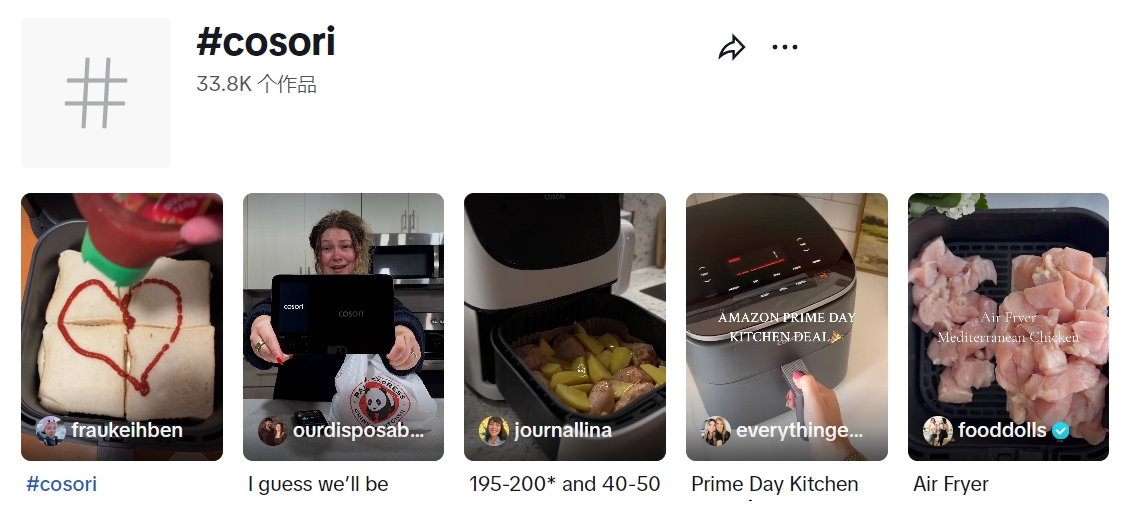
SurTikTok, le hashtag #Cosori a atteint 220 millions de vues.
Face à un tel bassin de trafic massif,ilsn'ont pas aveuglément suivi les tendances, mais ont utilisé une approche très claire pour transformer le trafic en une véritable reconnaissance de marque.
Source de l'image:TikTok
La marquesait très bien quele jeu de TikTok est « divertissement » et « court, plat, rapide », donc sa stratégie de collaboration avec les influenceurs est très ciblée。
Selon des cas publics,Cosori, en coopération sur TikTok,expertSe divise grossièrement en deux catégories :
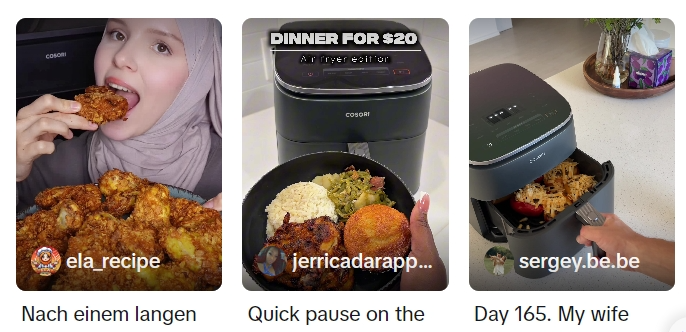
Une catégorie est la pure présentation par les influenceurs gastronomiques spécialisés., pas d'intrigue complexe ni de longue explication, laissez l'efficacité du produit être la seule vedette.
Source :TikTok
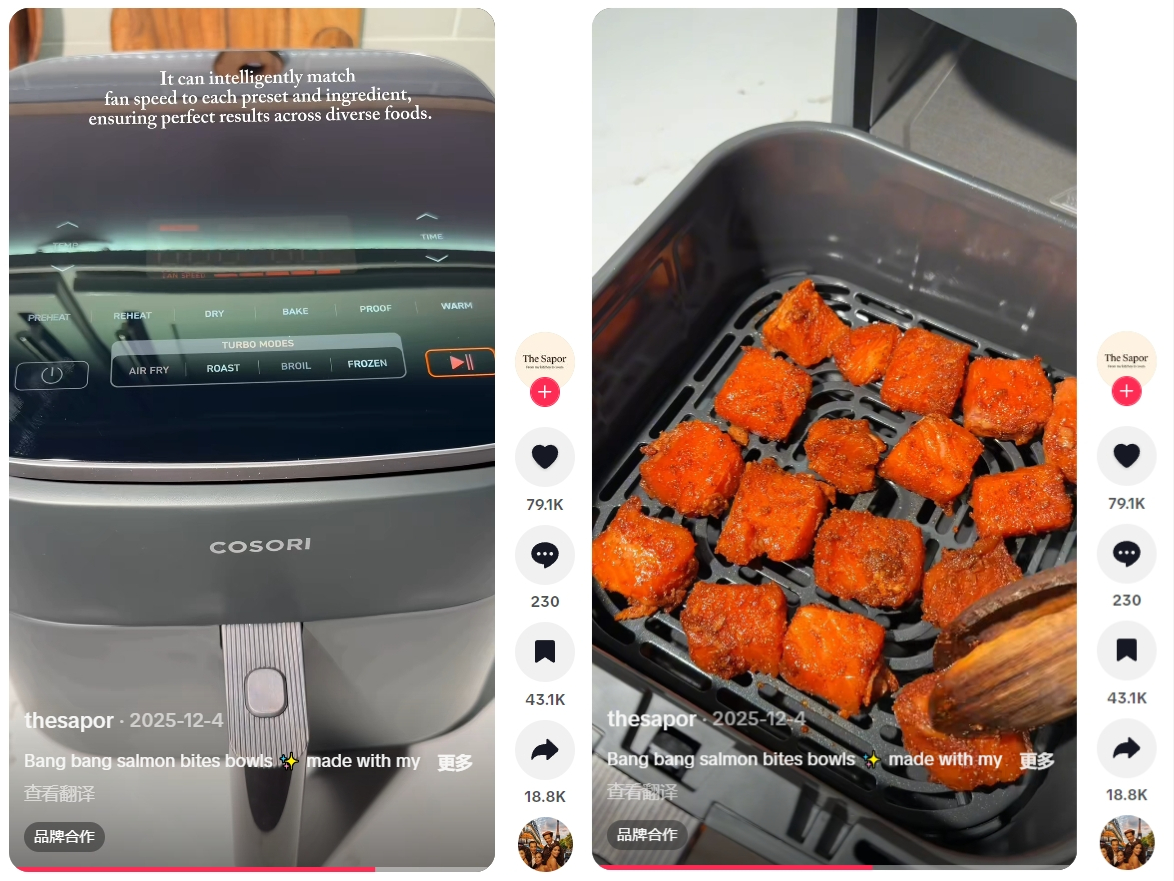
avecinfluenceur TikTok@thesaporpar exemple,en collaboration avec la marquevidéomilieuPas de longs commentaires, tout se concentre sur la nourriture elle-même, des gros plans captent les effets audiovisuels de la cuisson à la friteuse à air, et seuls les moments clés sont annotés par du texte."Grande capacité de 6.0 quarts" et "contrôle intelligent de la température".
Cette façon de laisser la nourriture parler d'elle-même a obtenu12010 000 lectures et7.9Dix mille likes, la section des commentaires est devenue un grand lieu de demande de liens. 。
Source de l'image :TikTok
L'autre catégorie repose sur des expériences authentiques et des recommandations de canaux : des influenceurs partagent leurs ressentis réels après avoir testé les produits, dissipant ainsi les doutes grâce à des tests concrets et établissant la confiance via les canaux.
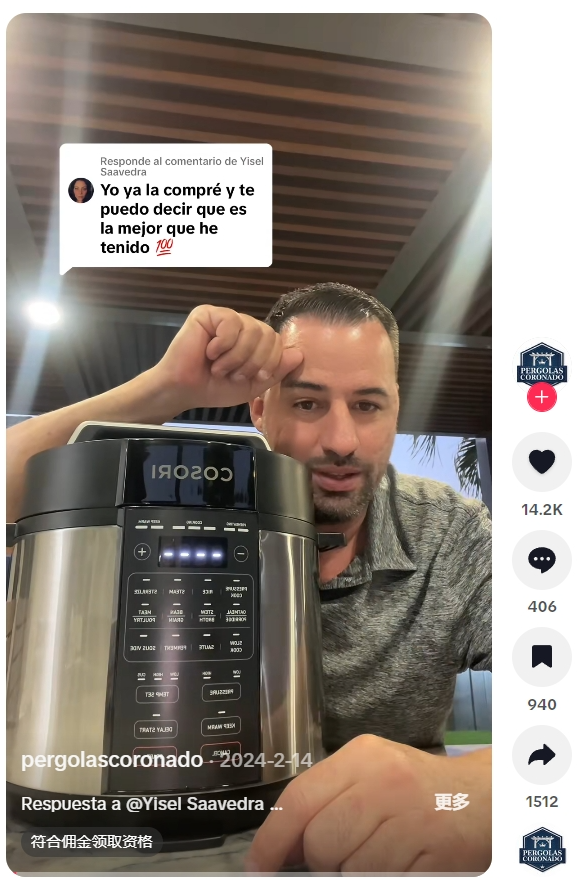
Le TikToker @pergolascoronado en est un bon exemple. Dans sa vidéo pour la cocotte-minute Cosori, il fait semblant d'annoncer une "mauvaise nouvelle" alors qu'il recommande fortement le produit.
Il a non seulement partagé lui-mêmeUne expérience de test de 5 jours, en insistant particulièrement : « J'ai vu cette marque chez Costco et Walmart, ce n'est pas un inconnu. » Cette technique de cautionner la confiance en ligne via les canaux de vente au détail physiques élimine astucieusement les doutes des utilisateurs quant à la qualité des nouvelles marques nées sur Internet.
Source :TikTok
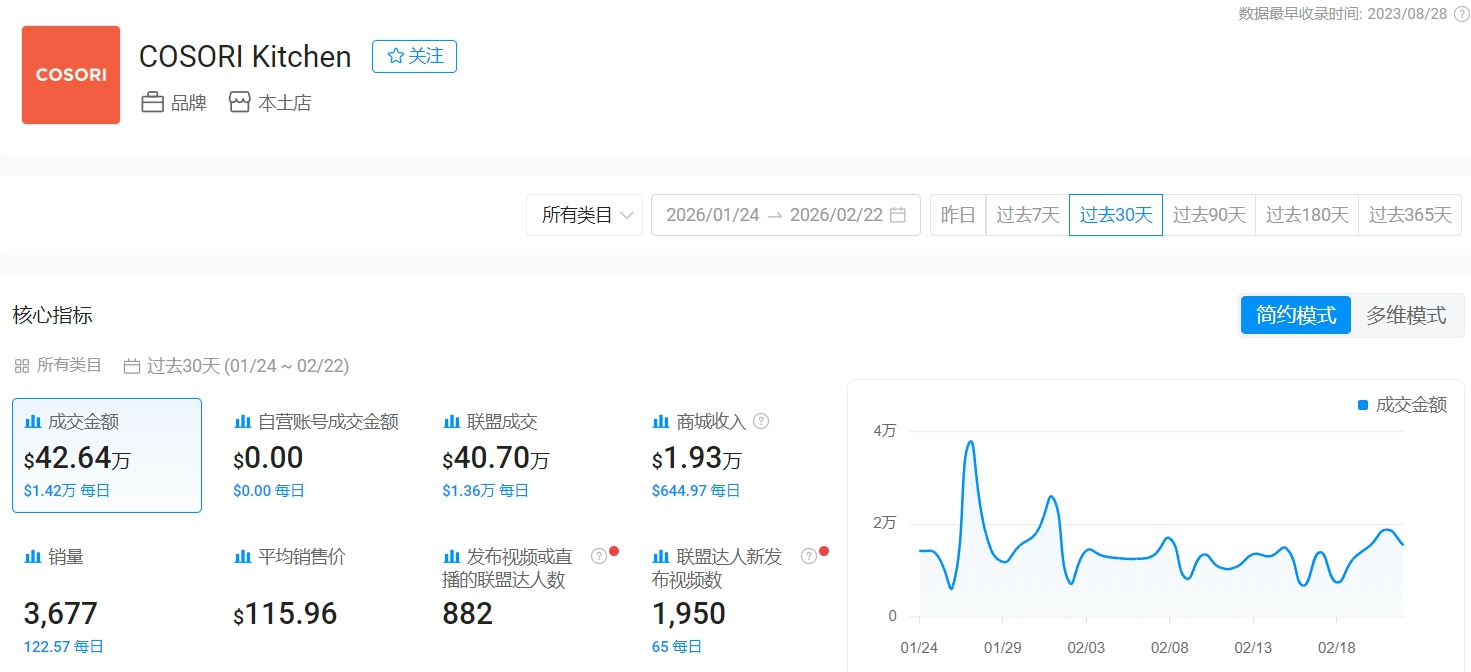
Selon les données des plateformes tierces, prèsDans les 30 jours, CosoriMarqueRégion américaineTikTokLes ventes de la petite boutique ont atteint426 400 dollars américains, dont 407 000 dollars proviennent des influenceurs, soit plus de 95%.
Ces données montrent suffisamment que, pour des catégories comme les appareils de cuisine qui nécessitent une persuasion visuelle et une crédibilité, le contenu des influenceurs devient un levier clé pour stimuler les conversions.
Source de l'image :kalodata
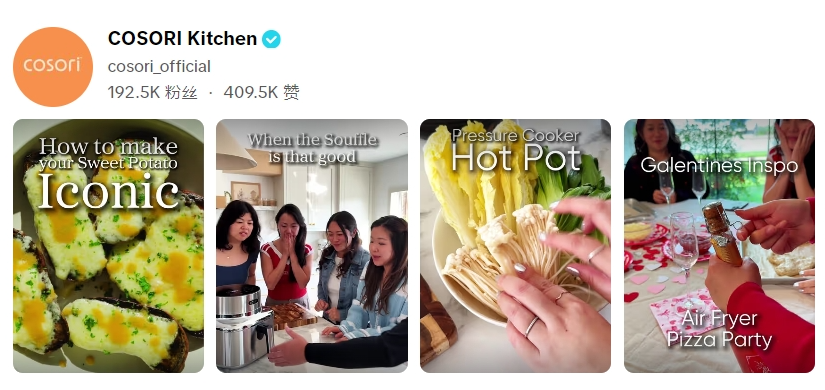
Parallèlement, le compte officiel de la marque publie en continu des contenus de tutoriels de recettes, décomposant les scénarios d'utilisation du produit en« un repas, un plat », offrant à long terme des idées d'utilisation, transformant ainsi une relation d'achat unique en une relation d'accompagnement continu par le contenu.
Actuellement,Le compte officiel Cosori @cosori_official a obtenu 192 500 abonnés, avec un résultat global très satisfaisant.
Source de l'image :TikTok
2.YouTube
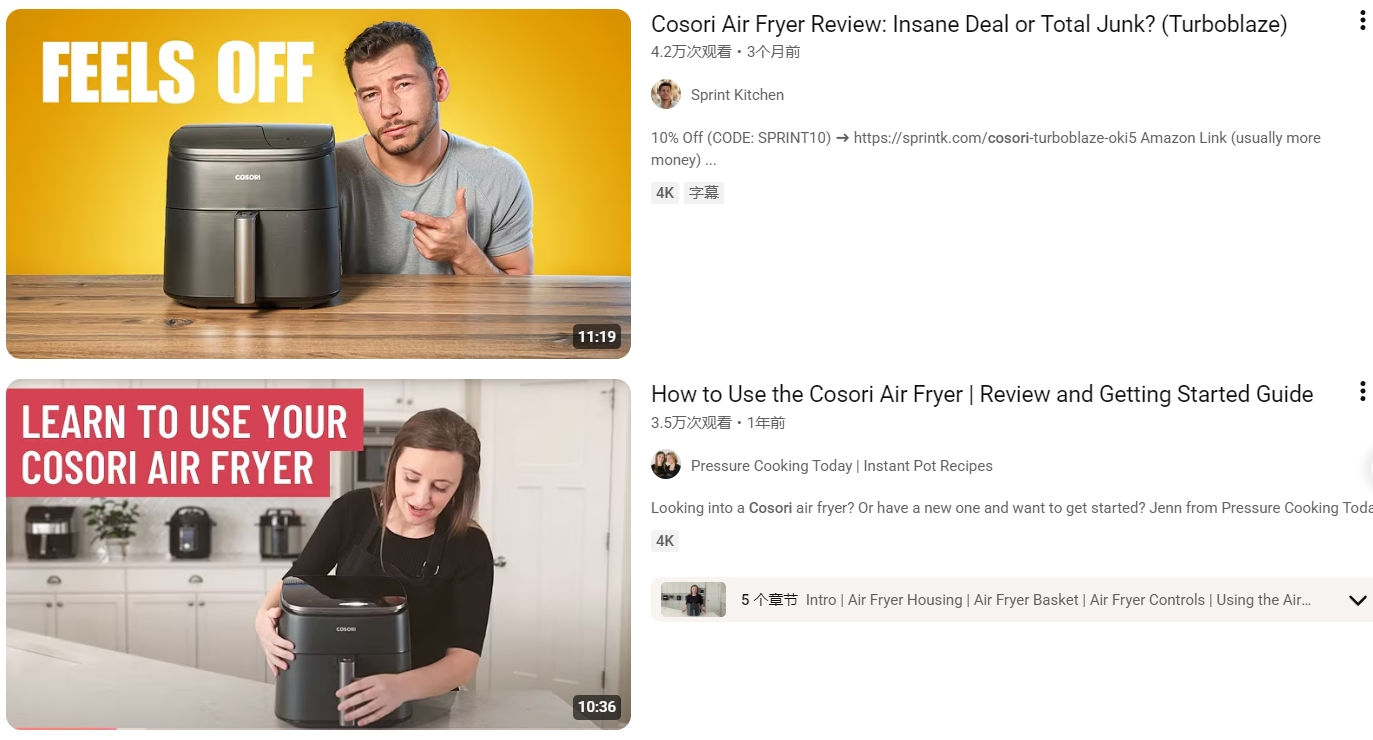
Contrairement àTikTok privilégie le « quick seeding » (suscitation rapide de l'intérêt), tandis que YouTube est plus adapté pour héberger des vidéos longues, des tests approfondis et des contenus comparatifs. CosoriMarqueLes principaux partenaires sont des créateurs de contenu de test d'électroménagerainsi que des amateurs de petits appareils de cuisine. Ils décomposent le produit sous tous les angles, du point de vue de la structure, des fonctions, de la consommation d'énergie, des matériaux, des résultats de cuisson réels, etc.
Par exemple, certaines vidéos de test se concentrent sur un modèle de friteuse à air à deux tiroirs, expliquant point par point la disposition des éléments chauffants, la configuration de la capacité, la sécurité du revêtement, la connectivité intelligente, les différences entre versions, et effectuant même des tests de consommation d'énergie et des comparaisons avec les concurrents, tout en indiquant honnêtement les lacunes fonctionnelles (par exemple, l'absence de certaines alertes ou fonctions de préchauffage).
Ce type detest objectif qui « présente à la fois des avantages et des inconvénients » est souvent plus efficace que la publicité pure pour convaincre les utilisateurs « rationnels », aidant ainsi la marque à gagner en crédibilité dans les catégories à prix élevé.
Source de l'image :YouTube
3. Site indépendant
Lorsque le trafic afflue depuis les réseaux sociaux,Cosorila marquene les laisse pas simplement rester sur des plateformes tierces. Grâce au site indépendant,Cosori a réalisé une présentation unifiée de son image de marque et l'accumulation des données utilisateurs.Amen
Les données de Similarweb montrent que CosoriSite de marque indépendantà2026année1Le nombre de visites mensuel est d'environ52dix mille fois, dontLa proportion de trafic organique a atteintplus de 80%,cela signifie qu'il y a déjà un grand nombre d'utilisateurs qui sont"Saisissez directement l'URL ou le nom de la marque pour rechercher" — la notoriété de la marque se construit progressivement.
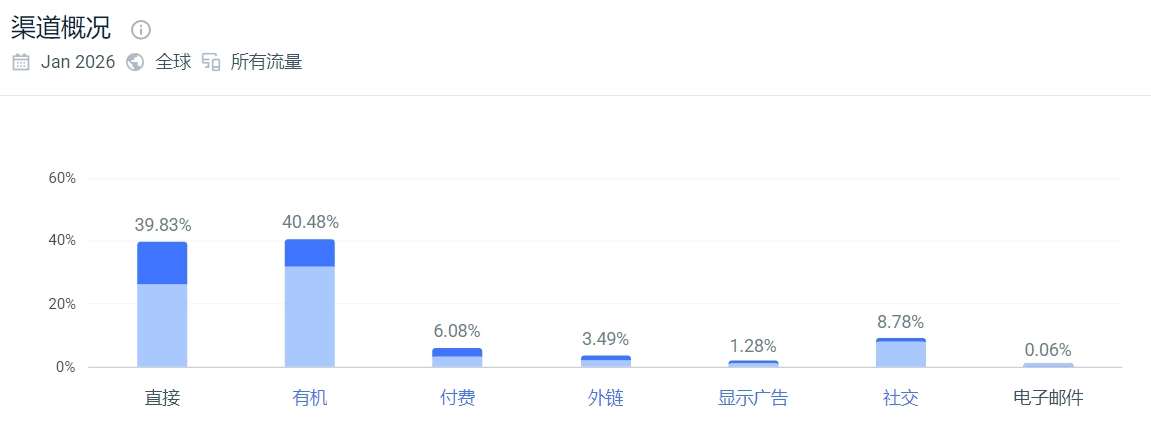
Source :Similarweb
En outre,Cosori a également mis en place des sites web régionaux tels que cosori.site sur le marché européen, par exemple 202.6année1Les visites mensuelles de ce site sont d'environ16.48dix mille fois, dont l'Espagneet françaisLa part de trafic dépasse75%,naturellement au service de la synergie entre la langue locale et les canaux de vente au détail locaux.
Ces sites régionaux assurent à la fois les fonctions de présentation des produits et de service après-vente, et servent également en tant que coopération avec les détaillants locaux."La vitrine de la marque" a rehaussé son image professionnelle locale.
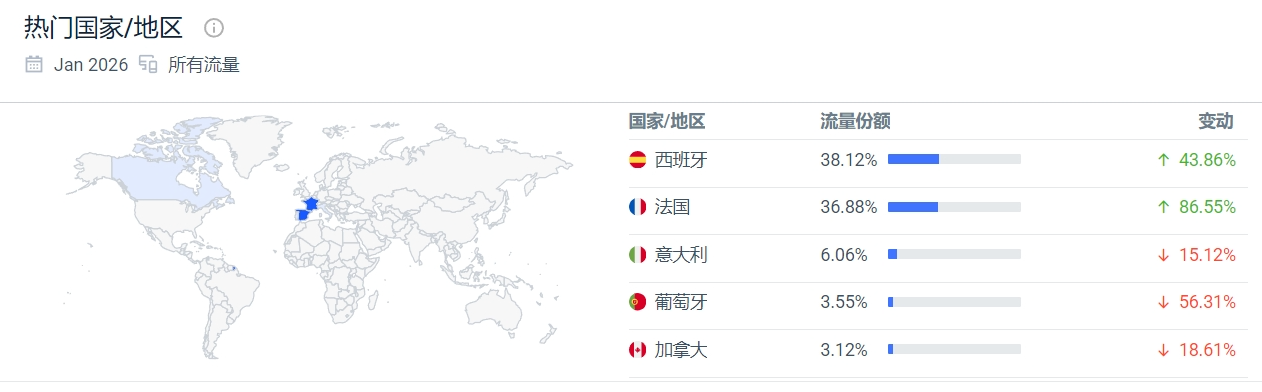
Source :Similarweb
Conclusion
DepuisLe parcours de la marque Cosori montre un signal clair : à l'heure où le marché mondial des appareils de cuisine continue de s'étendre et où les besoins des consommateurs se diversifient de plus en plus, les marques chinoises ne sont plus seulement des "usines de production" ou des "fournisseurs en coulisses", mais ont pleinement l'opportunité de se présenter directement aux utilisateurs finaux du monde entier avec leur propre image de marque.
On peut prévoir que la concurrence sur les marchés étrangers ne fera que s'intensifier dans les années à venir, mais les opportunités deviendront également plus fines et plus riches : des habitudes alimentaires des différents pays, aux conceptions de la cuisine des différentes générations, en passant par les formats de contenu des diverses plateformes émergentes, l'espace laissé aux entreprises chinoises est loin d'être saturé.
Dans ce contexte, les entreprises qui sont prêtes à perfectionner leurs produits avec patience, à respecter les besoins des utilisateurs locaux, et à se déployer sur plusieurs plateformes tout en gérant leurs actifs de marque à long terme, ont plus de chances de trouver leur place sur les marchés étrangers.
Pour les fabricants nationaux qui possèdent déjà des avantages en matière de chaîne d'approvisionnement et de R&D, c'est vraiment une fenêtre d'opportunité pour l'expansion à l'international qu'il faut saisir.