 1196
1196
Beaucoup d'amis qui commencent tout juste à se lancer à l'international demandent souvent :« Avec un budget limité, comment investir pour acquérir des clients de manière ciblée ? »
En réalité, l'essence de cette question est de demander——Comment trouver, sur un marché étranger inconnu, les personnes les plus susceptibles d'acheter avec le moins d'argent possible.
Aujourd'hui, je vais vous parler de la façon de dépenser chaque centime de votre budget de marketing à l'international de manière optimale, même avec un budget limité.
Comprenez d'abord le marché avant de parler de campagnes, ne faites pas comme une mouche sans tête.
Beaucoup de gens se précipitent à ouvrir un compte et à lancer des publicités, mais finissent par brûler beaucoup d'argent avec peu de conversions. Pourquoi ? Parce qu'ils n'ont pas compris les « caractéristiques » du marché cible.« tempérament ».
Par exemple, si vous voulez vendre des cosmétiques en Asie du Sud-Est, vous ne pouvez pas copier le discours sur les ingrédients utilisé en Occident. Les consommateurs locaux accordent plus d'importance au rapport qualité-prix et aux attributs sociaux ; si vous allez au Moyen-Orient, vous devez également tenir compte des tabous religieux et culturels, la couleur de l'emballage et la tenue des mannequins doivent être ajustées.
C'est là qu'il faut faire deux choses :
La première est d'utiliser des outils pour vérifier les données, utiliserGoogle Trends pour voir la popularité des mots-clés des produits, SimilarWeb pour analyser les sources de trafic des concurrents, Facebook Audience Insights pour creuser les centres d'intérêt des utilisateurs, et ainsi comprendre les préférences du marché.
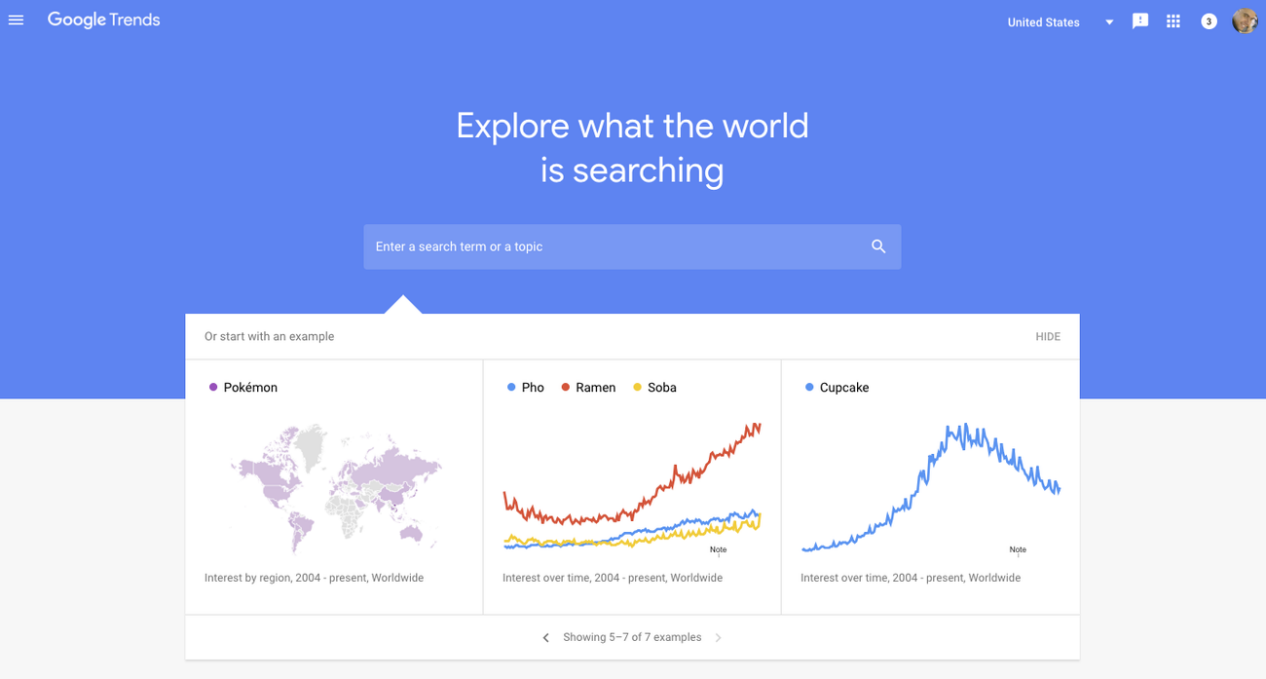
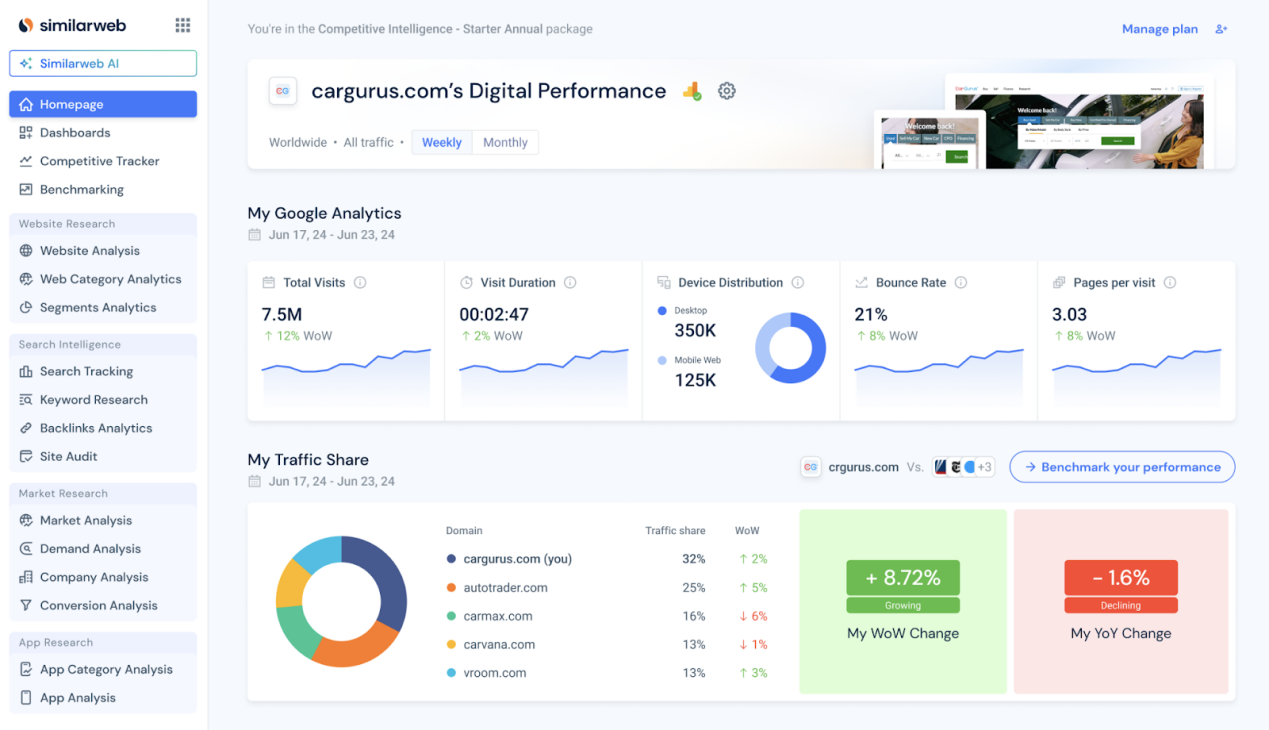
Source de l'image :Google
La seconde est de demander conseil aux locaux, par exemple en vous faisant connaître dans les communautés locales, les forums professionnels, ou directement avec desKOL étrangers pour discuter, ce sont eux qui connaissent le mieux les points faibles et les points forts des utilisateurs locaux. Passer une semaine supplémentaire au début pour faire des recherches permet d'économiser trois mois de détours par la suite, ce calcul est absolument rentable.
La localisation du contenu n'est pas une traduction, c'est« parler comme un humain »
J'ai vu trop de cas de campagnes à l'international qui ont échoué : des vidéos courtes très populaires en Chine, directement traduites en anglais et postées surTikTok, le nombre de vues n'atteint même pas une fraction du coût. Où est le problème ? Le contenu n'a pas réussi à créer une résonance localisée.
La véritable localisation ne consiste pas à traduire mot à mot avec un logiciel de traduction, mais à reconstruire le contenu du point de vue des utilisateurs locaux.
Par exemple, pour vendre une même bouteille isotherme, aux utilisateurs japonais, il faut insister sur la portabilité et le gain de place, avec une scène de trajet en métro ; aux utilisateurs allemands, il faut mettre en avant la certification écologique des matériaux, avec des images de tests en laboratoire ; aux utilisateurs brésiliens, on peut ajouter des éléments de samba pour transmettre une sensation de vie passionnée et essentielle.
De plus, les symboles visuels doivent également être adaptés. L'Asie du Sud-Est aime les couleurs vives, l'Europe du Nord préfère le style minimaliste, le Moyen-Orient interdit les éléments comme le porc, l'alcool, etc. Souvenez-vous, le début de la publicité que l'utilisateur voit3 secondes, si vous ne ressentez pas « c'est fait pour moi », vous passez.

Source de l'image :Google
De l'approche large au ciblage précis, la stratégie de ciblage doit faire des réductions
L'erreur courante des débutants est de vouloir tout couvrir, en sélectionnant tous les groupes de population, pensant que plus la couverture est large, mieux c'est. Mais la réalité est cruelle : les clics issus du trafic général proviennent principalement d'utilisateurs non intéressés, le taux de conversion est extrêmement faible, c'est comme jeter de l'argent dans l'eau pour entendre le bruit.
Le cœur de l'optimisation est de faire des réductions.Première étape : utiliser la méthode d'exclusion pour réduire la portée.Par exemple, pour vendre des équipements de plein air haut de gamme, exclure les populations à faible revenu qui ne consultent habituellement que des produits économiques.
Deuxième étape : cibler les caractéristiques essentielles.ÂgeLes utilisateurs de 25 à 40 ans, ayant recherché « équipement de randonnée » ou « guide de camping » au cours des 30 derniers jours, et ayant suivi des comptes de marques de plein air, sont la cible prioritaire.
Troisième étape : utiliser les outils de la plateforme.Par exempleLes Audiences personnalisées de Meta permettent de télécharger les emails des clients existants pour créer des audiences similaires, tandis que les segments In-Market de Google Ads permettent de cibler les acheteurs potentiels qui recherchent activement des produits similaires. Rappelez-vous : le ciblage précis ne consiste pas à faire voir à plus de monde, mais à faire voir aux bonnes personnes.
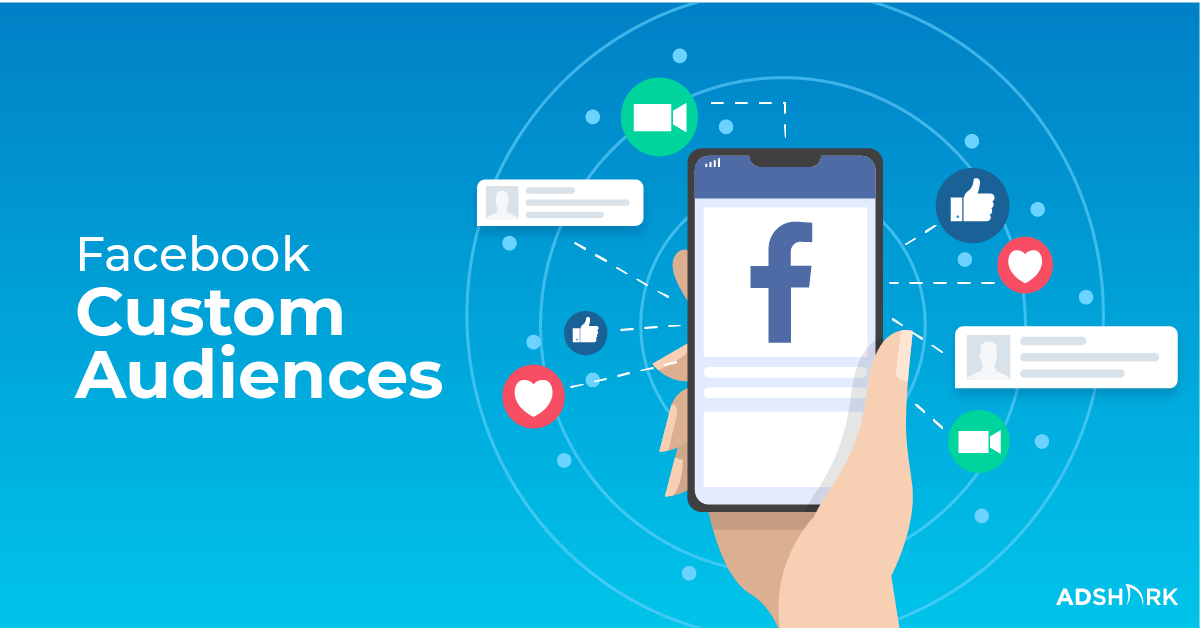
Source de l'image :Google
Le réexamen des données ne consiste pas à lire des rapports, mais à trouver les gouffres de gaspillage.
De nombreuses équipes après avoir diffusé des publicités ne regardent que leROI : si c'est rentable, ils continuent, sinon ils arrêtent, sans jamais comprendre où l'argent a été perdu. En réalité, le réexamen des données doit se faire comme un détective, en identifiant pas à pas les points de gaspillage.
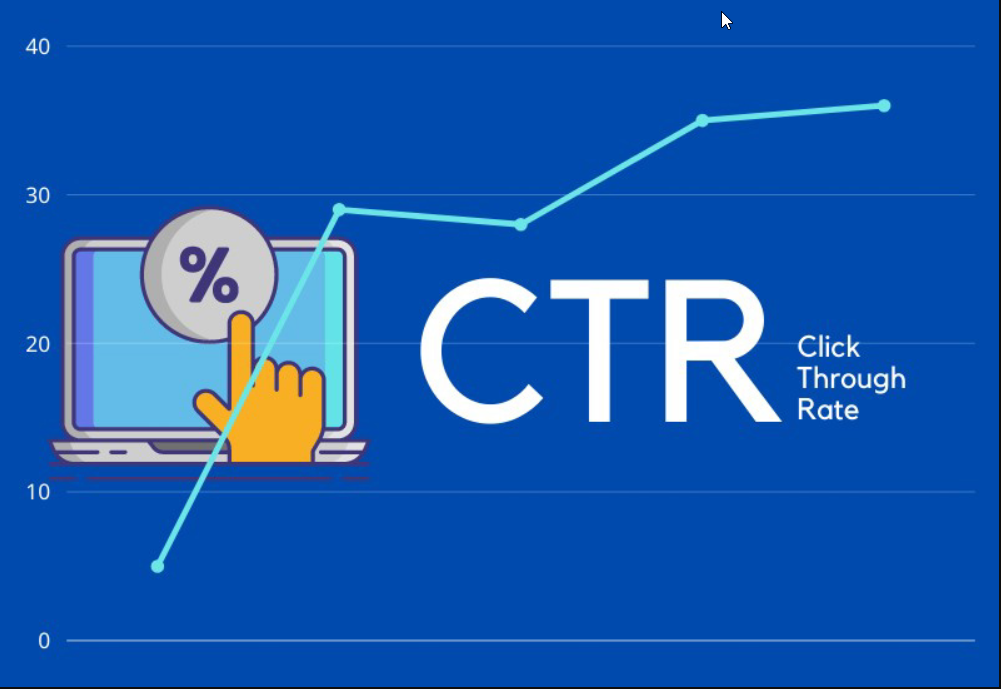
Regardez d'abord le taux de clicsSi l'impression publicitaire est élevée mais le taux de clics faible, cela signifie que le contenu n'attire pas assez : peut-être que le titre est trop plat, l'image sans éclat. Dans ce cas, il faut changer le contenu et tester.
Source de l'image :Google
Regardez ensuite le taux de conversionSi beaucoup de gens cliquent mais peu achètent, il faut vérifier la page de destination. Est-elle trop lente à charger ? Le processus de paiement est-il trop compliqué ? Les informations promotionnelles sont-elles trop cachées ?
Enfin, surveillez le coûtPour un même coût d'acquisition100 personnes, le canal A a dépensé 500 dollars, le canal B a dépensé 800 dollars, il faut donc analyser si la qualité des utilisateurs du canal B est meilleure et si le taux de réachat est plus élevé, sans simplement supprimer le canal à bas prix.
Il est recommandé de comparer les données chaque semaine, d'arrêter rapidement les groupes d'annonces peu performants et d'allouer le budget aux combinaisons à haut retour sur investissement.
Long-termisme : utiliser le privé pour transformer les clients ponctuels en actifs à vie.
La publicité pour attirer de nouveaux clients n'est que le début, ce qui permet vraiment de réduire les coûts, c'est de garder les clients chez soi.« dans le bassin. »
Par exemple, guider les utilisateurs acheteurs à rejoindre.Groupes WhatsApp, envoi régulier d’avant-premières et de réductions exclusives ; sur la page Instagram, lien d’abonnement par e-mail, échange d’un ebook gratuit contre des coordonnées ; voire mise en place d’un système de fidélité sur un site indépendant, avec échange de points d’achat contre des goodies. Ces actions semblent contraignantes, mais elles permettent de se libérer de la dépendance aux flux payants.

Source :Google
Et en plus, l'espace client privé peut alimenter les campagnes publicitaires : en analysant les comportements d'achat des clients existants, vous pouvez cibler plus précisément le profil des nouveaux clients. Les captures d'écran de vrais avis positifs et les vidéos d'utilisation des clients existants sont en elles-mêmes les meilleurs supports publicitaires. C'est comme planter un arbre : au début, il faut arroser et fertiliser (lancer des publicités) avec un peu d'effort, mais une fois l'arbre mature, vous pouvez cueillir des fruits chaque année (réachat).+référence)
Conclusion
L'optimisation des campagnes publicitaires à l'étranger n'a jamais été« Une compétence unique suffit pour conquérir le monde », c'est plutôt une guerre de longue haleine qui demande de la patience et des détails.
De la compréhension du marché à l'affinement des contenus localisés, du ciblage précis à l'analyse des données, et jusqu'à la consolidation de la base privée, chaque étape prépare le terrain pour dépenser moins et acquérir des clients de manière ciblée.
Dans la future compétition d’expansion à l’international, ce ne sera plus une question de qui dépense le plus, mais de qui sait utiliser chaque centime de son budget là où il compte le plus. Après tout, seules les marques qui fidélisent leurs utilisateurs peuvent aller loin.