 2154
2154
in Cinadinell'ambientePochissimi marchi riescono ad affermarsi nell'"economia del cortile"., maArrivatoesteroQuestosituazionepuòÈ molto diverso.Sappi che,Americanoma è famosoValorizzare la cultura del giardino, comelampada da giardino、tagliaerba, aeratore per prato……Questi prodotti per il giardino non avranno problemi di mercato all'estero.
E recentemente, un chiamatoIl marchio cinese di HOODINK, proprio su TikTok si mangia.ArrivatiQuesta ondata di benefici. SolosuoQuesta singola lampada per vasi solare,negli ultimi30 giorniha venduto più di10.200pezzi, il fatturato di questo singolo prodotto ha superato27.9610.000 dollari;Il reddito mensile del negozio ha addirittura superato1.180.000 dollari(equivalente a8.014.000 yuan),suTikTok USA ha conquistato una quota considerevole.
Questo risultato, se considerato in Cina,raramentenel settore delle luci da giardino poco notato,può davvero essere definitoun esempio di 'fare fortuna in silenzio'.
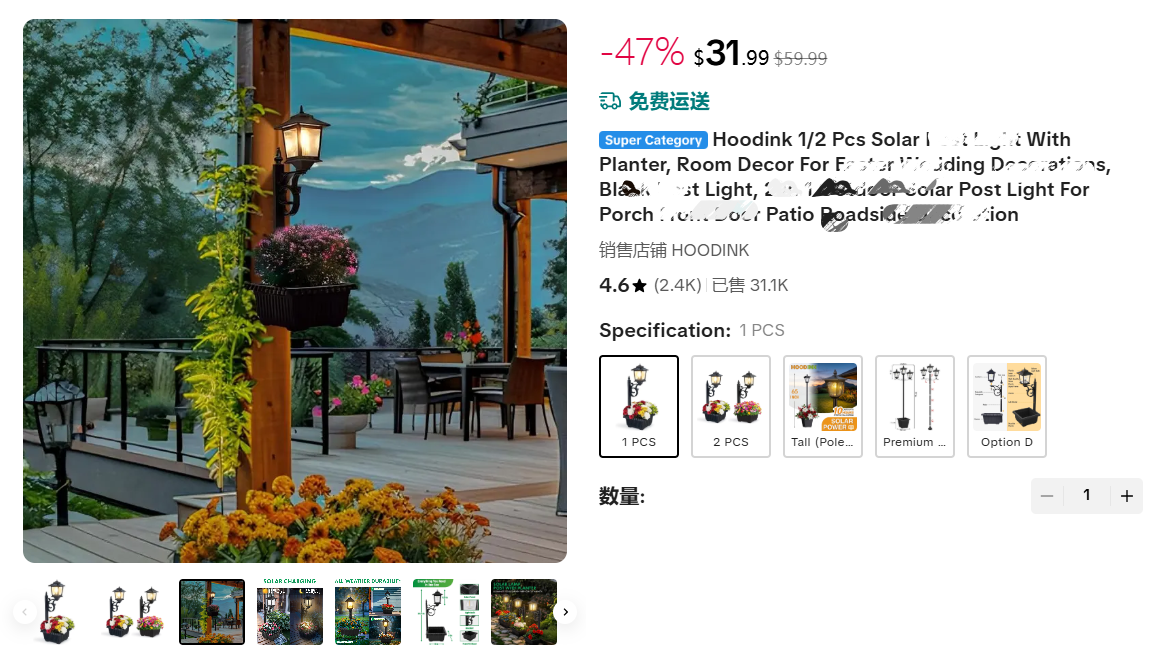
Fonte immagine:TikTok
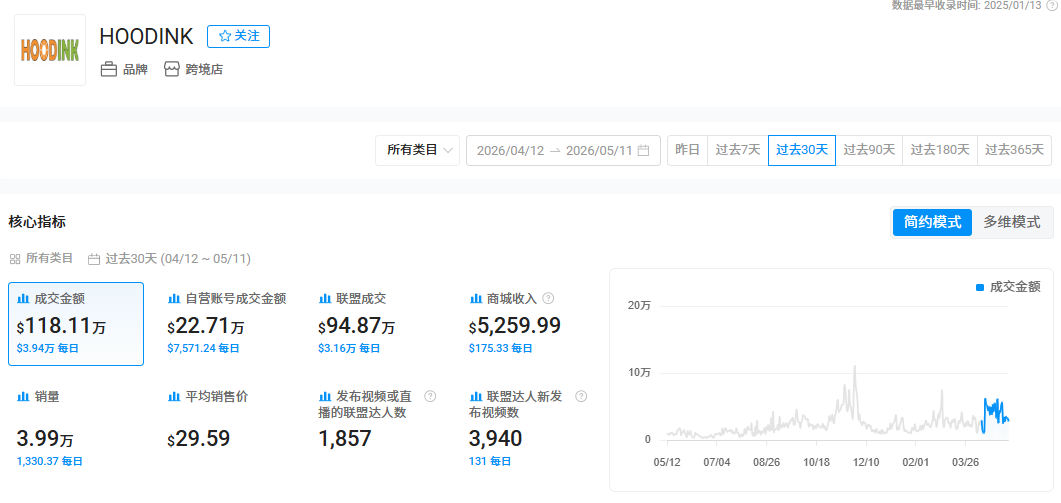
Fonte immagine:kalodata
Un marchio di lampioni, comeha spopolato su TikTok
Obiettivamente parlando,il metodo di HOODINKnon è molto profondo, le idee chiave sono due: far vendere la gente comune, farscenaguidare il ritmo.
“Far vendere la gente comune” dovrebbe essere facile da capire, significa concentrarsi sulla collaborazione con un gran numero di influencer di medio-basso livello o anche con meno follower.
Questo si può vedere chiaramente nel profilo dei collaboratori del brand. La maggior parte di questi influencer sono normali utenti domestici, appassionati di giardinaggio.
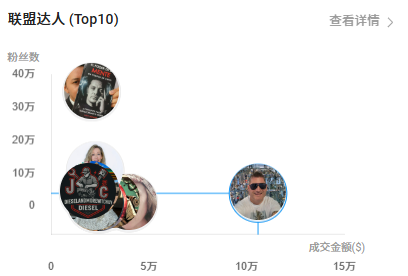
Fonte immagine:kalodata
Perché farlo? Perché gli utenti credono più facilmente“persone come loro”.
Ad esempio,un collaboratore di HOODINK di nome Ray Marcoche èun influencer, ha solo38.700 follower, la biografia dice: “Uomo di famiglia, appassionato di gadget, mio figlio pensa che sia diventato famoso, mia moglie pensa che sia fastidioso”.

Fonte immagine:TikTok
Proprio un normale padre di mezza età, nell'ultimoannoin, solo con lo streaming live ha portato aHOODINK un fatturato di 495.100 dollari, con un importo totale delle transazioni di 546.300 dollari.
Una persona comune con meno di40.000 follower, grazie a condivisioni sincere e streaming continuo, ha sostenuto una parte considerevole del fatturato del brand. Non è più convincente che investire in un grande influencer con milioni di follower?
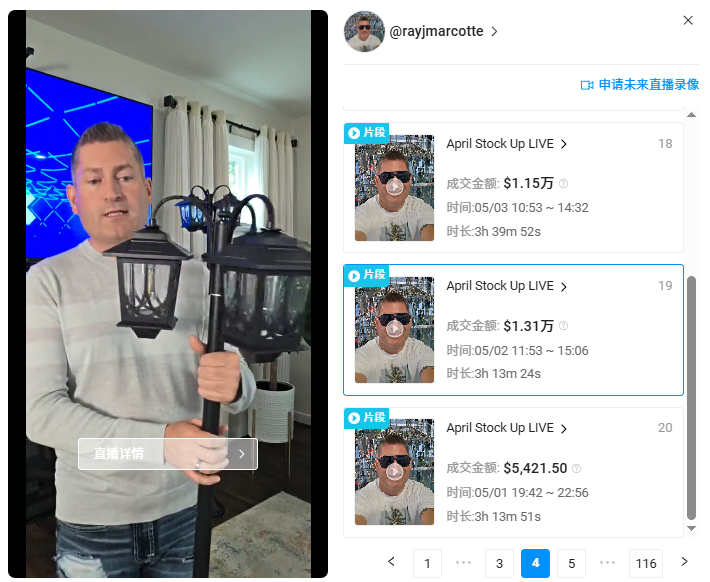
Fonte immagine:kalodata
Allora“scenaDettare il ritmo”Cos'è? In poche parole,èusare una specifica scena emotiva per colpire l'utente.
Non servenel videoessere prolissoi parametri 'IP65 impermeabile', 'lumen elevati', quelli nella pagina dei dettaglie nel copyscrivere chiaramente è sufficiente. Il video breve deve far sì che le persone entro3 secondi generino l'impulso 'lo voglio anche io'.
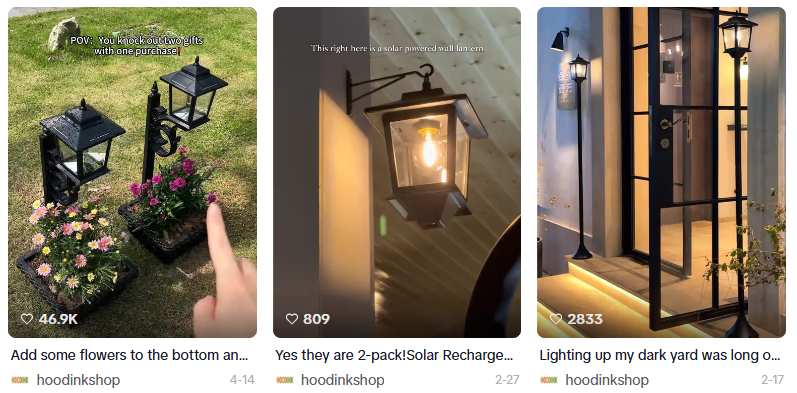
Fonte immagine:TikTok
Se non hai ancora capito, ecco direttamente un caso da analizzare per tutti.
28 febbraio,L'influencer di TikTok Mandiha pubblicato un video con la didascalia“Questo è il regalo più carino per la Festa della Mamma”. L'intero video non ha una sceneggiatura complicata, mostra in modo molto diretto l'aspetto e le funzionalità del prodotto.
Ma perché è diventato virale? Perché ha usato un gancio emotivo che tutti possono capire, e che si adatta al calore della festa attuale—— regalare per la Festa della Mamma.
È questo video dall'aspetto molto casual,in 6 giorni su TikTok ha superato 7,6 milioni di visualizzazioni,ora ha addirittura raggiunto11,12 milioni di visualizzazioni, generando un totale di vendite di 86.500 dollari USA.
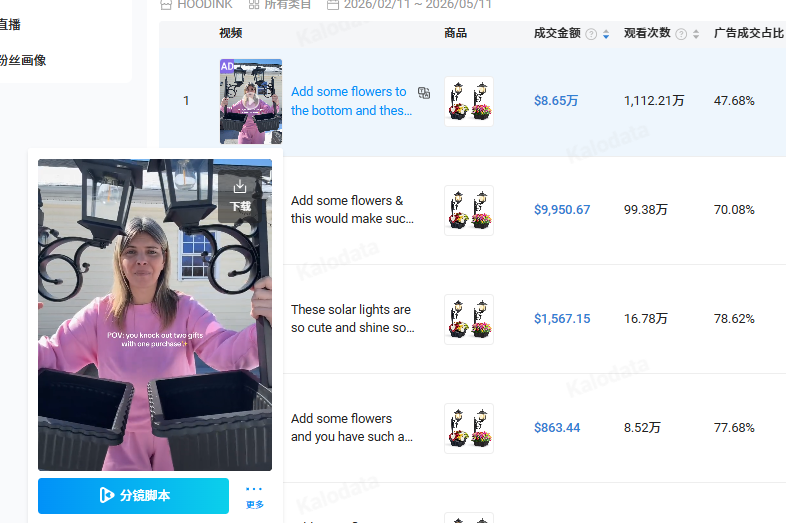
Fonte immagine:kalodata
Non solo i video dei talent vengono girati così,Anche il brand account di HOODINK segue la stessa strada.
Per esempio, questovideo qui sotto, all'inizio dice“Uno per la mamma, uno per la suocera”, una frasenon solo lancia l'esca,ma porta anche fuori lo sconto promozionale del prodotto.
Niente trame complicate, solo qualche parola sul prodotto. Risultato: un mese dopo la pubblicazione, il video ha raggiunto1030milioni di visualizzazioni, con un fatturato di9,86 milioni di dollari.
E se non c'è una festa già pronta come la Festa della Mamma o del Papà? In realtà le feste sono solo l'esca più comoda. Ci sono molti più punti di partenza quotidiani— per esempio “Il mio cortile di notte era troppo buio, ho installato questo ed è diventato luminoso” oppure “Mi sono trasferito in una nuova casa, ho aggiunto qualcosa al giardino.”
Basta sfruttare i primi3 secondi d'oro di un video breve,a volte l'esca può essere anche un po' assurda.
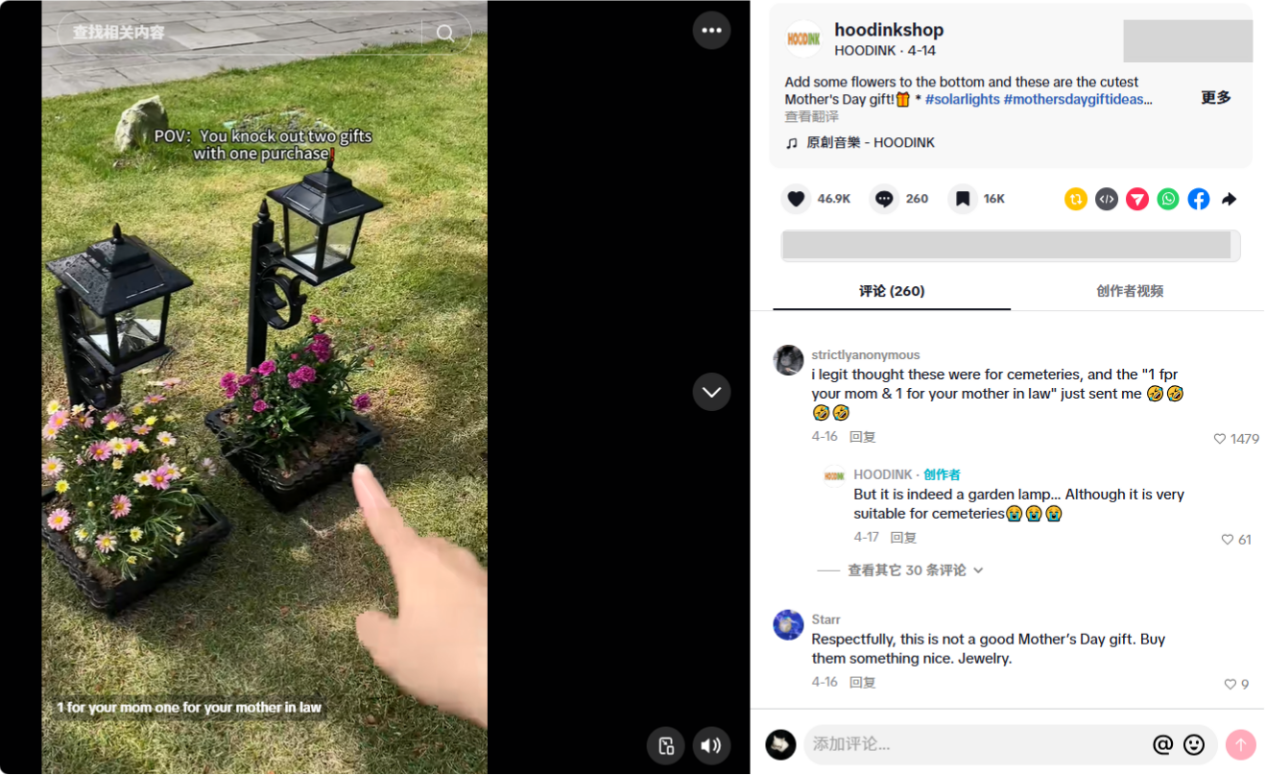
Fonte immagine:TikTok
“Economia del cortile” non è una falsa esigenza, ma un vero bisogno del mercato
Il successo di HOODINK, in definitiva, deriva dalla precisa comprensione del bisogno del prodotto. TikTok è il catalizzatore,mala vera forza trainante di fondo viene dalla domanda costantemente forte del mercato estero per articoli da giardinaggio e per esterni.
Prendendo il mercato statunitense come esempio, a parte alcune grandi metropoli, le case unifamiliari indipendenti sono la norma per l'edilizia abitativa locale. Se c'è un cortile bisogna curarlo, e per curarlo servono attrezzi e decorazioni: questa èla logica di base dell'“economia del cortile”.
Secondo un'agenzia di ricerche di mercatoSecondo i dati di Grand View Research, si prevede che il mercato globale delle attrezzature per giardinaggio raggiungerà 138,9 miliardi di dollari entro il 2030, con un tasso di crescita annuale composto (CAGR) del 6,3% dal 2025 al 2030, dove gli Stati Uniti rappresentano il mercato singolo più grande.
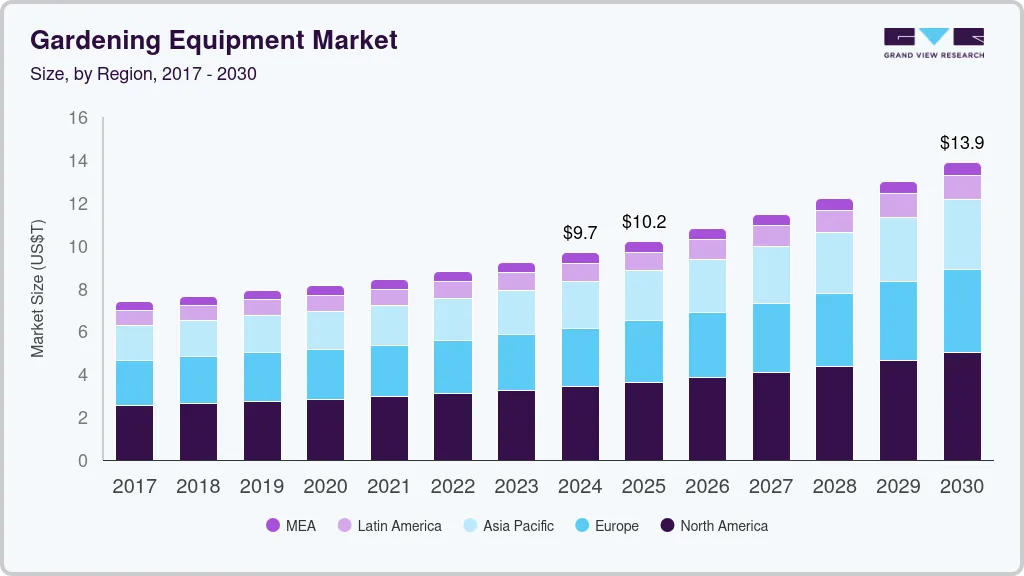
Fonte immagine:Grand View Research
In realtà, ciò che merita più attenzione è che le abitudini di consumo stanno cambiando silenziosamente.
In passato, quando si compravano articoli da giardinaggio, si pensava principalmente a tosaerba e annaffiatoi, per pura praticità. Ma ora non è più così: sempre più persone sono disposte a spendere per l'estetica e l'umore— Luci decorative, oggetti d'atmosfera, quelle piccole cose inutili ma che rendono felici solo a guardarle, invece vendono sempre meglio.
In parole povere, i vasi luminosi non vendono affatto illuminazione. Alla gente non importa quanti metri quadrati possano illuminare, importa solo che quando la luce si accende di sera,“Wow, il mio giardino può essere così bello”. Questo è un tipico prodotto di consumo emozionale.
Dalla funzionalità all'emozione, con questa svolta, molte piccole cose a cui nessuno prestava attenzione in passato sono diventate oceani blu.

Fonte immagine: Internet
In conclusione
Francamente,Questa metodologia di HOODINK non è complessa, anche i venditori comuni possono replicarla.
La chiave è se hai la mentalità del miglior venditore. Nonbisognaaspettare che l'utente ti dica di cosa ha bisogno, ma aiutare attivamente l'utente a trovare un motivo per cui ne ha bisogno.
Come la classica domanda,“Come vendere un pettine a un calvo?” Alcuni reagiscono subito dicendo che è impossibile, ma altri iniziano a riflettere: come posso innovare, come farti avere un bisogno.
Lo stesso vale per il mercato estero. Non fissarti sempre su“avere bisogno o no”, pensa di più a “chi può usarlo, in che scenario sarebbe disposto a pagare”.
Il mercato estero è abbastanza grande, tanto che un vaso luminoso può guadagnare un milione al mesedi dollari. L'opportunità è lì, il resto dipende da come la cogli.