 2520
2520
ในอดีตที่ผ่านมา อเมซอนแทบจะเป็นคำพ้องความหมายของการออกสู่ต่างประเทศ แบรนด์จีนที่ต้องการไปต่างประเทศไม่สามารถหลีกเลี่ยงแพลตฟอร์มยักษ์ใหญ่นี้ได้
แต่ในปัจจุบัน ด้วยการเปลี่ยนแปลงของตรรกะการตัดสินใจของผู้บริโภคต่างประเทศ และความพยายามร่วมกันของแพลตฟอร์มใหม่ๆ รูปแบบการผูกขาดเดียวกำลังถูกทำลาย โดยมีอาลีเอ็กซ์เพรสเป็นตัวแทน“สี่มังกรน้อยข้ามทะเล” กำลังเพิ่มขึ้นอย่างรวดเร็ว แบรนด์จีนในการออกสู่ต่างประเทศได้บอกลาการพึ่งพาจุดเดียวอย่างเป็นทางการ และเข้าสู่ขั้นตอนใหม่ของการแข่งขันและความร่วมมือหลายขั้ว
ตามข้อมูลล่าสุดในปี 2025 ผู้ใช้ต่างประเทศมากถึง 89% ได้เปลี่ยนช่องทางการช้อปปิ้งที่ใช้บ่อย ในด้านอัตราการเติบโตของการบริโภค อาลีเอ็กซ์เพรสเติบโต 25% ต่อปี สูงกว่าอเมซอนที่ 19%
ที่มารูปภาพ:Google
เบื้องหลังตัวเลขนี้ ไม่ใช่แค่การย้ายของการเข้าชม แต่ยังเป็นการเปลี่ยนแปลงของจิตใจผู้ใช้——ผู้บริโภค不再只关注ราคาต่ำสุด แต่ยินดีจ่ายสำหรับคุณค่ารวมของแบรนด์+ประสบการณ์ นี่หมายความว่า ผู้ค้าจีนที่มีพลังผลิตภัณฑ์และพลังแบรนด์อย่างแท้จริง ได้รับหน้าต่างโอกาสใหม่
การเปลี่ยนตำแหน่งหลักของแบรนด์: จากการเสริมการเข้าชมสู่แกนหลักเชิงกลยุทธ์
ในอดีต แบรนด์จีนหลายแห่งมองอาลีเอ็กซ์เพรสเป็นช่องทางเสริมนอกเหนือจากอเมซอน ใช้เพื่อระบายสต็อกหรือทดสอบสินค้าใหม่ แต่วันนี้ บทบาทนี้กำลังกลับกัน
ผลสำรวจแสดงว่าในปี 2025 มีแบรนด์ที่ออกสู่ต่างประเทศ 34% ที่ขยายการวางแผนหลายแพลตฟอร์มอย่างจริงจัง ในการเลือกของบริษัทเหล่านี้ สัดส่วนการเข้าร่วมของอาลีเอ็กซ์เพรสสูงถึง 59% ซึ่งใกล้เคียงกับอเมซอนมาก
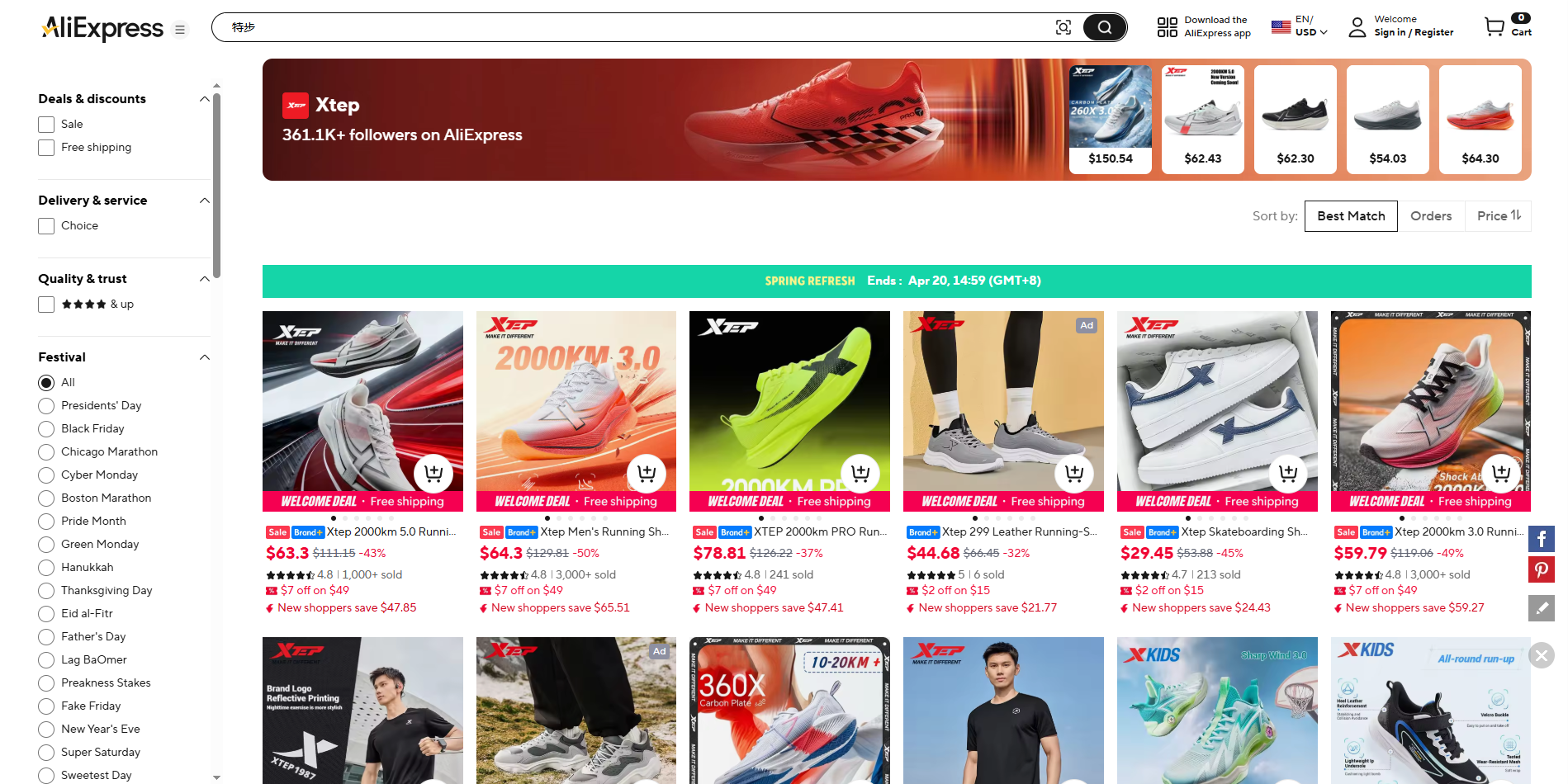
ที่น่าสนใจยิ่งกว่านั้นคือ ปีนี้วันที่ 15 เมษายน อาลีเอ็กซ์เพรสจัดประชุมปิด TOP แบรนด์ข้ามทะเล ในการประชุม Dreame, Li-Ning, Unitree, และ Xtep ได้บรรลุความร่วมมืออย่างเป็นทางการกับแพลตฟอร์ม และเซ็นสัญญาเข้าร่วมโครงการ “Brand+” ซูเปอร์แบรนด์ข้ามทะเล
ที่มารูปภาพ: อาลีเอ็กซ์เพรส
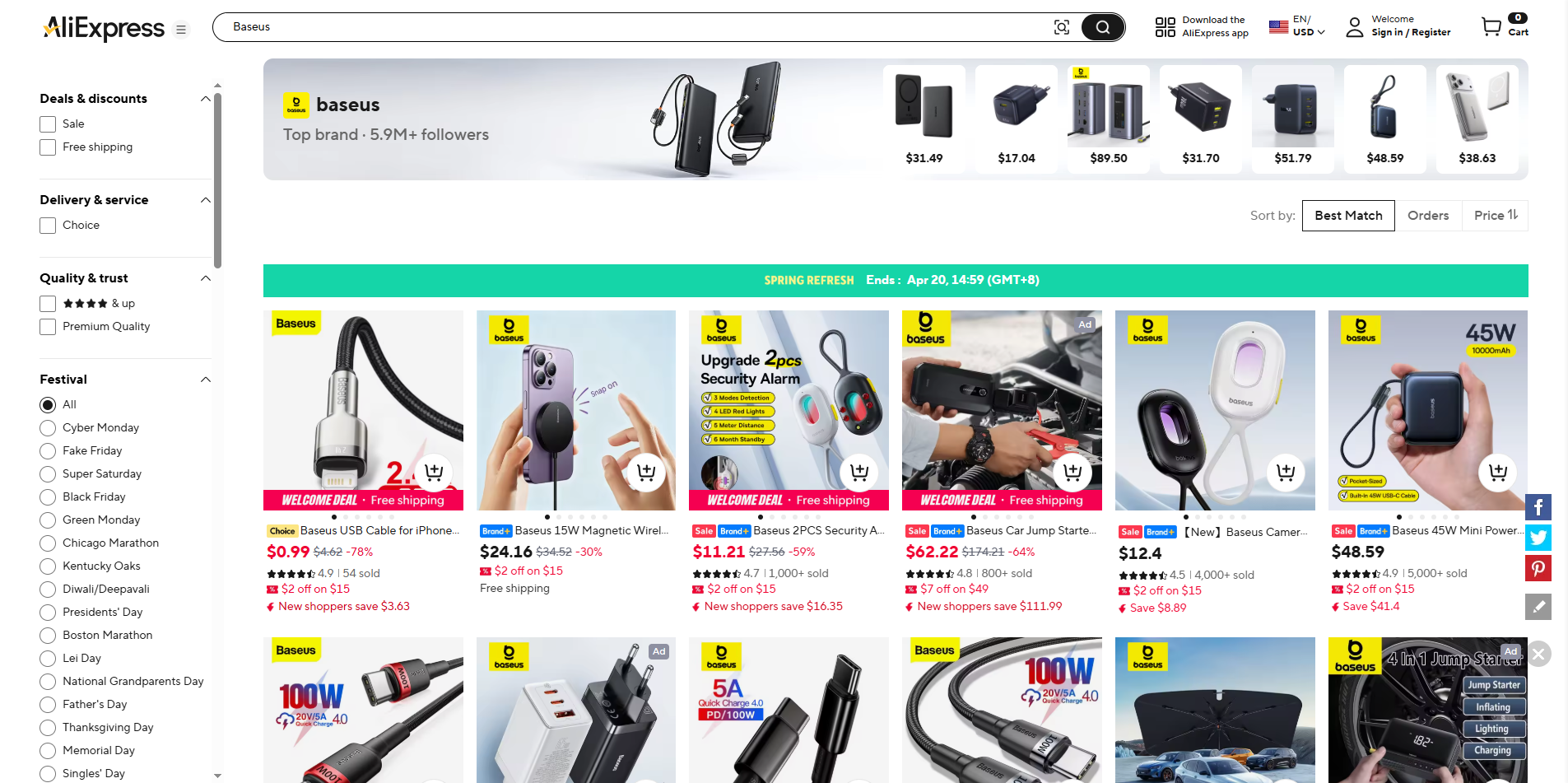
ในความเป็นจริง ตั้งแต่ตั้งแต่โครงการเปิดตัวในเดือนกันยายน 2025 ได้ดึงดูดแบรนด์ชั้นนำในอุตสาหกรรมมากกว่า 50 ราย เช่น Honor, Baseus, Nubia เป็นต้น ตั้งแต่เครื่องใช้ไฟฟ้าสำหรับผู้บริโภคไปจนถึงฮาร์ดแวร์อัจฉริยะ ตั้งแต่เสื้อผ้ากีฬาไปจนถึงของใช้ในบ้าน ผู้เล่นชั้นนำมากขึ้นเรื่อยๆ กำลังเปลี่ยนอาลีเอ็กซ์เพรสจากตัวเลือกให้เป็นสิ่งที่ต้องเลือก
ที่มารูปภาพ: อาลีเอ็กซ์เพรส
สำหรับผู้ค้าแบรนด์ การเปลี่ยนแปลงนี้หมายถึงอะไร? ผลกระทบที่ชัดเจนที่สุดคือ: ไม่ใส่ไข่ทั้งหมดไว้ในตะกร้าใบเดียวอีกต่อไป
การพึ่งพาแพลตฟอร์มเดียวมากเกินไป หมายถึงอำนาจการต่อรองต่ำ ความสามารถในการรับมือความเสี่ยงต่ำ เมื่อต้นทุนการเข้าชมของอเมซอนเพิ่มขึ้นอย่างต่อเนื่องและการเติบโตพบกับอุปสรรค การวางแผนหลายแพลตฟอร์มได้เปลี่ยนจากตัวเลือกทางยุทธวิธีเป็นสิ่งที่จำเป็นเชิงกลยุทธ์
และอาลีเอ็กซ์เพรส凭借其在全球บริการ托管ต่างประเทศในกว่า 30 ตลาดสำคัญทั่วโลก ครอบคลุมยุโรป อเมริกาเหนือ เอเชียแปซิฟิก ละตินอเมริกา เป็นต้น ให้พื้นที่การเติบโตใหม่ที่มีความหมายอย่างแท้จริงแก่แบรนด์
แผน “Brand+”: ใช้ต้นทุนครึ่งหนึ่งเพื่อกระตุ้นการเติบโตสองเท่า
แล้ว อาลีเอ็กซ์เพรสมีอะไรที่ดึงดูดแบรนด์ชั้นนำเหล่านี้? คำตอบคือ“Brand+” แผนการส่งเสริมแบรนด์ระดับซูเปอร์ไปต่างประเทศ
แผนนี้นำเสนอคุณค่าที่น่าดึงดูดอย่างยิ่ง นั่นคือ การ实现การเติบโตใหม่ทั้งหมดด้วยต้นทุนเพียงครึ่งหนึ่งของ Amazon
บน Amazon ต้นทุนการเข้าถึงสูง การประมูลโฆษณารุนแรง การแข่งขันที่ซ้ำซากจำเจรุนแรง หลายแบรนด์陷入困境 ขายได้มากขึ้นแต่賺ได้น้อยลง ในขณะที่ AliExpress 通过品牌出海+กลยุทธ์สำคัญของการ托管ต่างประเทศ ช่วยให้ผู้ค้าลดต้นทุนการดำเนินงาน เพิ่มประสิทธิภาพ พร้อมทั้งได้รับการสนับสนุน重点จากแพลตฟอร์มในด้านการเข้าถึง การตลาด โลจิสติกส์ เป็นต้น
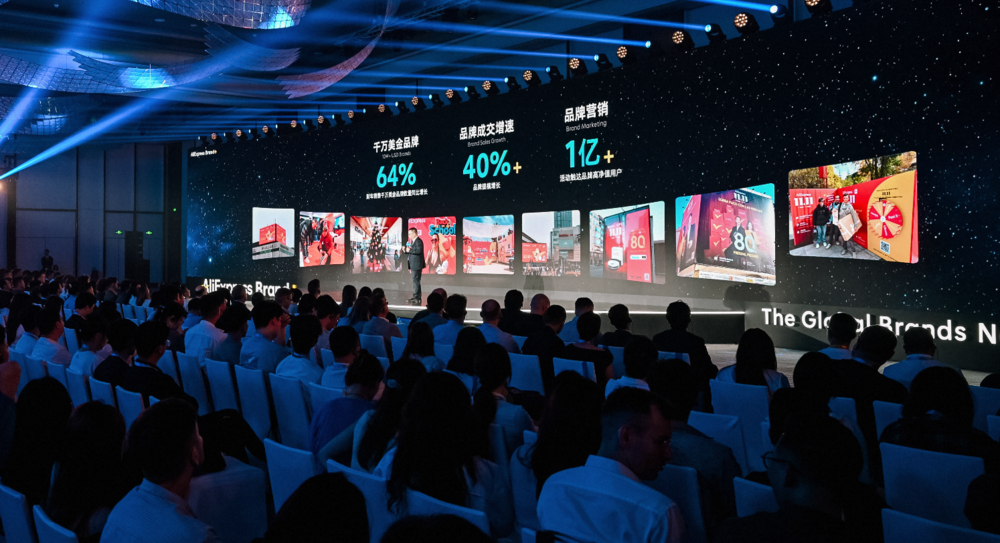
ข้อมูลได้พิสูจน์ประสิทธิภาพของแนวทางนี้แล้ว ในปีที่ผ่านมา อัตราการเติบโตของแบรนด์บน AliExpress เกิน40% จำนวนแบรนด์ที่มีรายได้ต่อปีเกิน 10 ล้านเหรียญสหรัฐเพิ่มขึ้น 64% ในปี 2026 แพลตฟอร์มได้ระบุเป้าหมาย核心ที่ทะเยอทะยานอย่างชัดเจน: ช่วยให้แบรนด์จีน 2000 ราย实现การเติบโตสองเท่าในระดับการส่งออก
ที่มาภาพ:smarthey
สำหรับผู้ขาย นี่既是โอกาส ก็提出了ข้อกำหนดใหม่ โอกาสคือ ช่องทางที่มีต้นทุนต่ำกว่า、เติบโตเร็วกว่ากำลังเปิดขึ้น ความท้าทายคือ แบรนด์ต้องมีความสามารถด้านผลิตภัณฑ์และห่วงโซ่อุปทานที่แข็งแกร่งขึ้น เพื่อที่จะรับประโยชน์นี้ได้อย่างแท้จริง
รูปแบบการกระจายสินค้าแบบง่าย、ลดราคาเพื่อเพิ่มปริมาณใช้ไม่ได้อีกต่อไป ผู้บริโภคต้องการประสบการณ์แบรนด์ที่มีเอกลักษณ์และรับประกันคุณภาพ กล่าวอีกนัยหนึ่ง การเติบโตของ AliExpress กำลังบีบให้แบรนด์จีนเปลี่ยนจากการคิดเชิงขายสินค้าไปสู่การคิดเชิงแบรนด์
บทสรุป
กระดานหมากรุกการค้าข้ามพรมแดนทั่วโลกกำลังถูกวางใหม่ Amazon ไม่ใช่ทางเลือกเดียวอีกต่อไป AliExpress กำลังเติบโตในอัตราที่เห็นได้ชัดเจน成为สนามหลักใหม่สำหรับแบรนด์จีนในการออกไปต่างประเทศ
สำหรับผู้ค้าที่ออกไปต่างประเทศ นี่หมายถึงการคำนวณใหม่เกี่ยวกับต้นทุน ประสิทธิภาพ และพลังแบรนด์ แบรนด์ที่สามารถวางแผนเชิงรุก、โอบรับการเปลี่ยนแปลง มีแนวโน้มที่จะได้เปรียบในการแข่งขันแบบหลายขั้วรอบนี้
ในปี 2026 AliExpress ได้ประกาศเป้าหมาย "ช่วยให้แบรนด์จีน 2000 รายเติบโตสองเท่า" นี่ไม่ใช่แค่ KPI ของแพลตฟอร์มเอง แต่เป็นสัญญาณ: ยุคแห่งความสามารถเชิงระบบของการส่งออกแบรนด์จีนได้เริ่มต้นอย่างเต็มรูปแบบแล้ว