 1811
1811أصبح TikTok منصة أساسية للتسويق للعلامات التجارية، ولكن نظرًا لسرعة انتشار المعلومات وارتفاع مستوى التعرض، تواجه العلامات التجارية ضغوطًا هائلة من الرأي العام على هذه المنصة. عند حدوث حدث سلبي، تصبح كيفية استجابة العلامة التجارية بسرعة، وإصلاح صورتها، واستعادة ثقة المستخدمين تحديًا لا يمكن تجاهله.
بعد ذلك، تناقش Tuke استراتيجيات التعامل مع الأزمات للعلامات التجارية على TikTok، وتعرض من خلال أمثلة محددة كيفية التعامل الفعال مع الأزمات.
المصدر: من الإنترنت
أولاً: الاستجابة السريعة: الرد الفوري والمبادرة بالإعلان
عند مواجهة العلامة التجارية لحدث سلبي، تكون سرعة رد الفعل أمرًا بالغ الأهمية. خاصة على منصات التواصل الاجتماعي مثل TikTok، حيث تنتشر المعلومات بسرعة كبيرة، وبمجرد وقوع الحدث، تحتاج العلامة التجارية إلى الرد علنًا فورًا لمنع تفاقم الرأي العام. البيانات العامة، والتعبير عن القلق، وحتى بدء التحقيقات، كلها خطوات أساسية في رد الفعل الأولي للعلامة التجارية.
مثال محدد: رد LEGO على الجدل البيئي
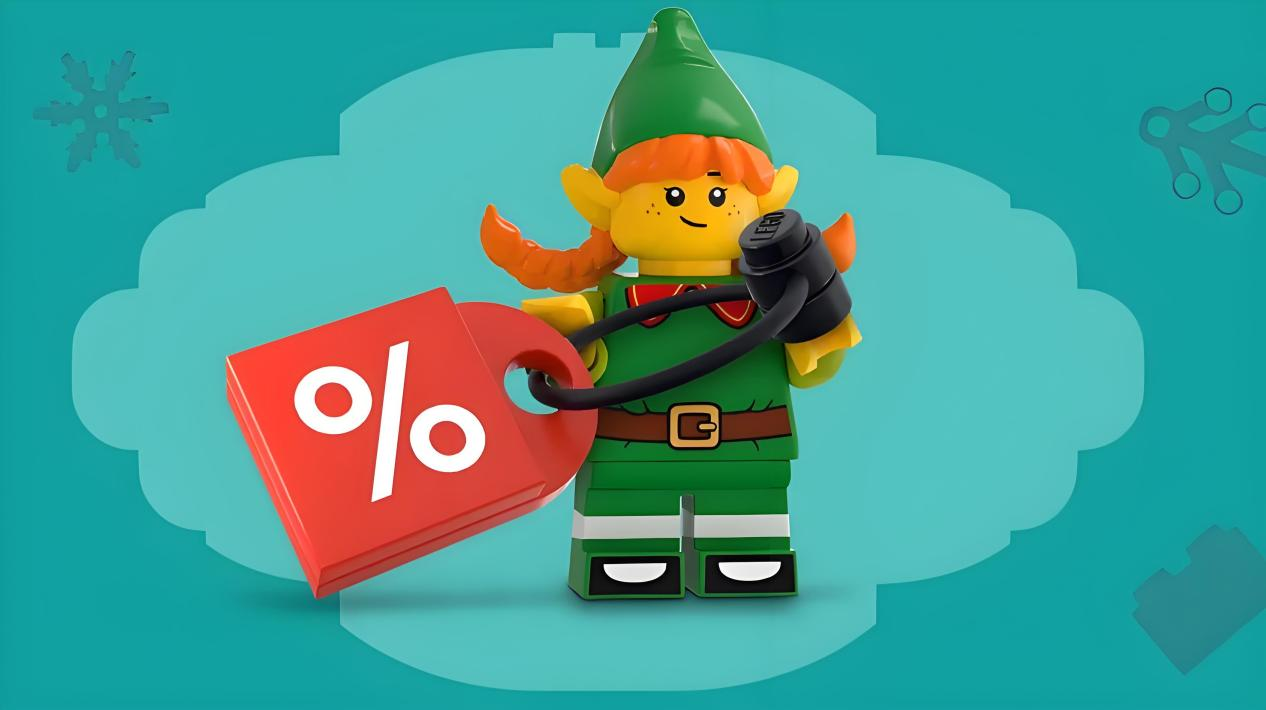
انتقد أحد مستخدمي TikTok تأثير مكعبات LEGO البلاستيكية على البيئة، فاستجابت LEGO بسرعة على TikTok، معربة عن أهمية القضايا البيئية، وأعلنت عن تطوير مواد مستدامة لتحل محل البلاستيك الحالي.
من خلال الرد السريع، لم تخفف LEGO من استياء المستخدمين فحسب، بل أظهرت أيضًا مسؤوليتها البيئية، مما أكسبها ثقة المستخدمين.
المصدر: الموقع المستقل لعلامة LEGO التجارية
ثانيًا: الاعتذار الصادق: الاعتذار بصدق وتحمل المسؤولية
عندما تدرك العلامة التجارية وجود خطأ من جانبها في بعض النواحي، يكون الاعتذار في الوقت المناسب وتحمل المسؤولية أمرًا بالغ الأهمية. بدلاً من محاولة إخفاء المشكلة من خلال "الإصلاح العلاقات العامة"، من الأفضل الاعتذار علنًا وبصدق، وإظهار كيفية التحسين. يمكن للموقف الصادق أن يساعد العلامة التجارية في استعادة الثقة المفقودة.
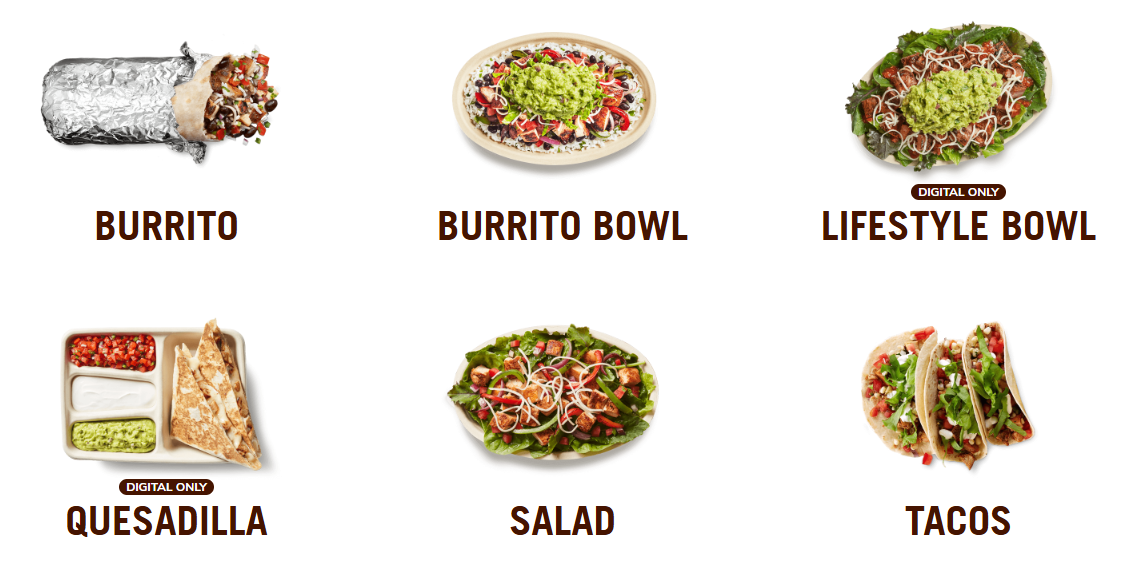
مثال محدد: أزمة "المكونات منتهية الصلاحية" لـ Chipotle
في عام 2020، واجهت Chipotle أزمة سلامة غذائية، حيث نشر أحد المستهلكين على TikTok مقطع فيديو حول انتهاء صلاحية مكوناتها ومشاكل النظافة. انتشر الفيديو بسرعة، مما أضر بصورة العلامة التجارية. في مواجهة الرأي العام السلبي المفاجئ، لم تهرب Chipotle، بل أصدرت مقطع فيديو اعتذار رسمي عبر TikTok. في الفيديو، ظهر كبار المسؤولين في Chipotle شخصيًا، وتعهدوا للمستهلكين بتعزيز إدارة سلامة الغذاء، وقدمت معايير جديدة لفحص الطعام وعملية شراء شفافة.
من خلال هذا التواصل المباشر والشفاف، لم تهدئ Chipotle من غضب الجمهور فحسب، بل أظهرت أيضًا شعور العلامة التجارية بالمسؤولية، ونجحت في استعادة ثقة المستهلكين.
المصدر: الموقع المستقل لعلامة Chipotle التجارية
ثالثًا: إصلاح صورة العلامة التجارية: إثبات التغيير من خلال العمل
بعد الأزمة، لا تحتاج العلامة التجارية إلى الاعتذار فحسب، بل تحتاج أيضًا إلى اتخاذ إجراءات عملية لإصلاح الصورة. يمكن للعلامة التجارية إظهار جهودها لحل المشكلة من خلال تحسين المنتج، وتعزيز التواصل مع المستخدمين، أو تنظيم أنشطة خيرية.
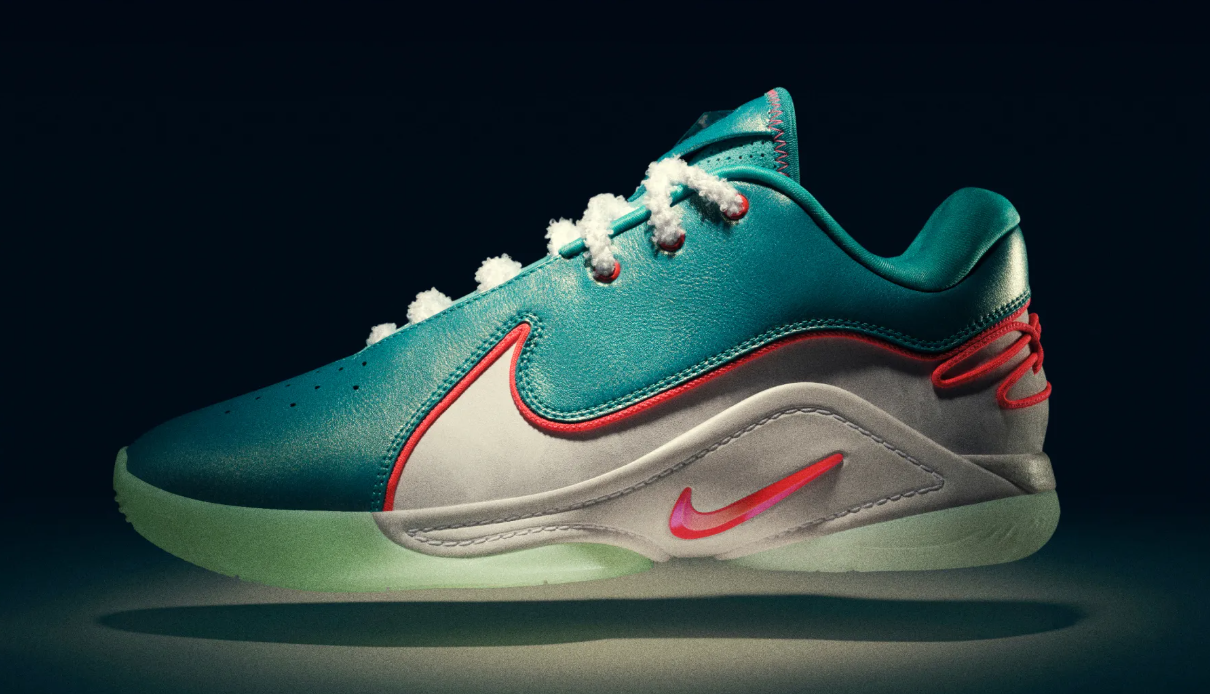
مثال محدد: دعم Nike للمساواة الاجتماعية
واجهت Nike جدلاً بسبب تعاونها الإعلاني مع كابينيك، حيث انتقد بعض المستهلكين العلامة التجارية بسبب محتوى الإعلان. لم تتراجع Nike، بل نشرت عبر منصات مثل TikTok جهودها في مجال المساواة الاجتماعية، وأظهرت دعمها للرياضيات وتعزيز التنوع.
من خلال هذه السلسلة من الإجراءات، لم تخفف Nike من التأثير السلبي فحسب، بل نجحت أيضًا في جذب المزيد من المستهلكين الشباب والنساء، مما عزز في النهاية ولاء العلامة التجارية.
المصدر: الموقع المستقل لعلامة Nike التجارية
رابعًا: استعادة ثقة المستخدمين: بناء آلية ثقة طويلة الأمد
الثقة هي أكبر أصول العلامة التجارية، واستعادتها تحتاج إلى وقت. يجب على العلامة التجارية الاستمرار في إظهار موقف شفاف ومسؤول بعد الأزمة، والحفاظ على تواصل جيد مع المستخدمين. يمكن للإجراءات الإيجابية طويلة الأمد أن تساعد العلامة التجارية في استعادة ثقة المستخدمين تدريجيًا.
مثال محدد: دعم Starbucks للمجتمع
واجهت Starbucks ضغوطًا من الرأي العام بسبب حادثة تمييز عنصري، فاتخذت الشركة إجراءات سريعة، وأغلقت 8,000 متجرًا في جميع أنحاء الولايات المتحدة لإجراء تدريب على مكافحة التمييز، ونشرت مقاطع فيديو ذات صلة عبر TikTok، لإظهار التزامها بالمسؤولية الاجتماعية. لم يقتصر دور الشفافية والتحسين الإيجابي للعلامة التجارية على إصلاح الصورة فحسب، بل زاد أيضًا من الارتباط العاطفي مع المستخدمين.

المصدر: الموقع المستقل لعلامة Starbucks التجارية
خاتمة
عند مواجهة العلامة التجارية لحدث سلبي على TikTok، فإن كيفية الاستجابة بسرعة، والاعتذار بصدق، واتخاذ إجراءات عملية، واستعادة الثقة، تؤثر بشكل مباشر على قدرة العلامة التجارية على تجاوز الأزمة بنجاح.
من خلال الأمثلة الناجحة للعلامات التجارية الأربع المذكورة أعلاه، يمكننا أن نرى أن إدارة الأزمات ليست مجرد "استجابة طارئة للعلاقات العامة"، بل هي اختبار لمسؤولية العلامة التجارية وشفافيتها والتزامها طويل الأمد. إذا تمكنت العلامة التجارية من إظهار تحسن حقيقي بعد الأزمة، فستتمكن بالتأكيد من تحويل الأزمة إلى فرصة، وكسب احترام وثقة المستخدمين.