 2444
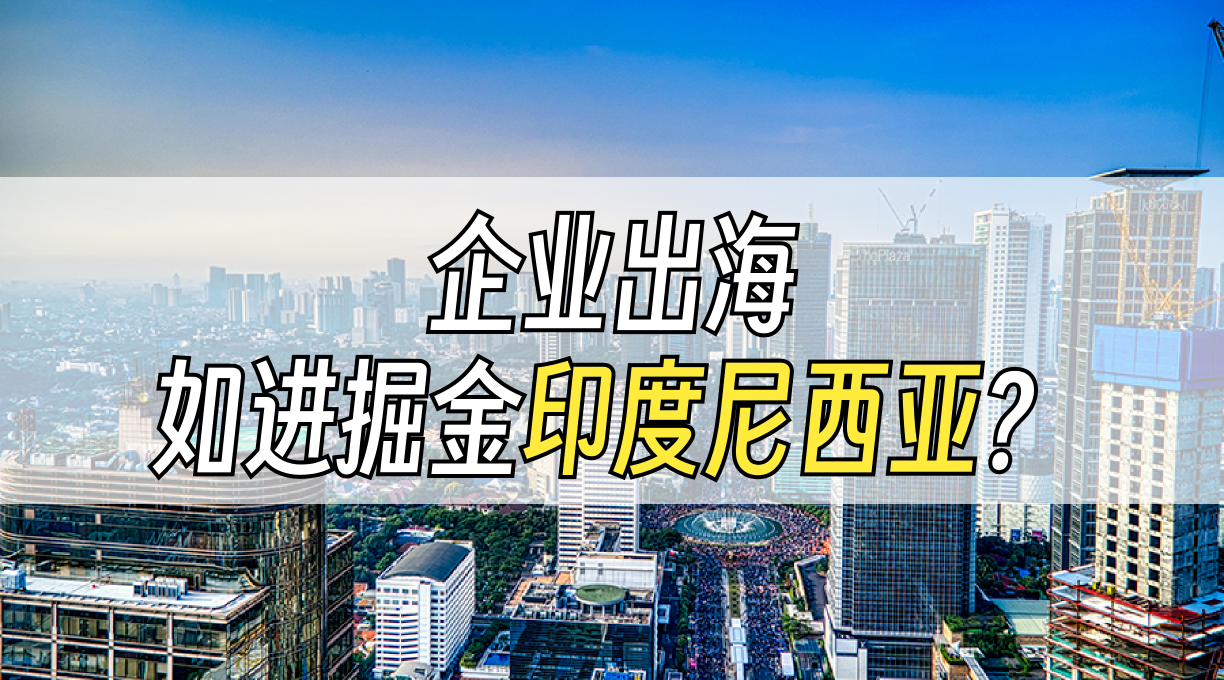
2444أصبحت سوق جنوب شرق آسيا في السنوات الأخيرة خيارًا ساخنًا للشركات التي تتوسع عالميًا، وتجذب إندونيسيا بفضل مزاياها الفريدة انتباه العديد من المستثمرين. بالنسبة للشركات التي ترغب في التواجد في إندونيسيا، من الضروري فهم بيئة الاستثمار المحلية والمزايا السياسية والمخاطر المحتملة.
مصدر الصورة: الإنترنت
إمكانات السوق الإندونيسية وجاذبية الاستثمار
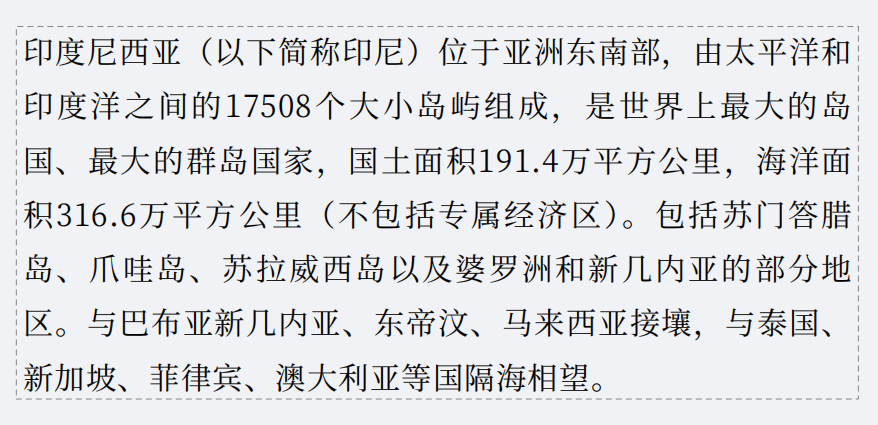
《 من إصدار هونغشين الدوليةدليل إندونيسيا 2025》، كأكبر اقتصاد في جنوب شرق آسيا، يبلغ عدد سكان إندونيسيا 270 مليون نسمة، وتوفر سوق استهلاكية ضخمة مساحة واسعة للشركات.
هنا ليست تكلفة العمالة منخفضة فحسب، بل تمتلك أيضًا موارد طبيعية وفيرة، من زيت النخيل والمطاط إلى النيكل والغاز الطبيعي، مما يضع أساسًا متينًا للصناعات التحويلية والطاقة.
بالإضافة إلى ذلك، تواصل الحكومة الإندونيسية في السنوات الأخيرة تحسين سياسات الاستثمار الأجنبي، وتبسيط إجراءات الموافقة، مما يقلل من عتبة الدخول للشركات.
من الناحية الجغرافية، تسيطر إندونيسيا على ممرات ملاحية رئيسية مثل مضيق ملقا، وهي محور يربط آسيا وأوقيانوسيا.
بالنسبة للشركات التي تعتمد على التجارة الدولية، يعد هذا بلا شك الخيار المثالي للتوزيع الإقليمي. بالإضافة إلى ذلك،دفع خطة “الصناعة 4.0”، ترفع إندونيسيا تدريجياً مستوى البنية التحتية والصناعة، وإمكانات النمو المستقبلية كبيرة.
مصدر الصورة: 《دليل إندونيسيا 2025》
الصناعات الرئيسية وفرص الاستثمار
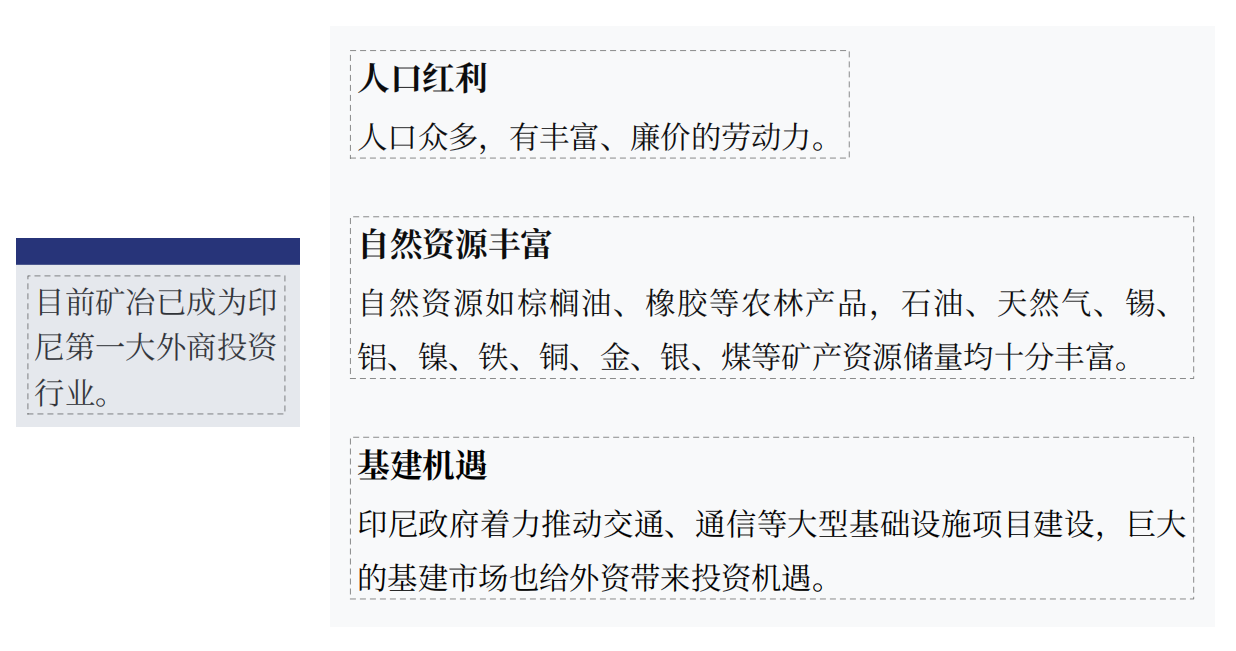
الهيكل الصناعي الإندونيسي متنوع، وكان تطوير الموارد المعدنية دائمًا محط اهتمام الاستثمار الأجنبي، خاصة النيكل والفحم، وتوجه الحكومة من خلال السياسات الاستثمار الأجنبي نحو مجالات المعالجة النهائية، مثل مصاهر ومصانع إنتاج مواد البطاريات.
في مجال التصنيع، لدى قطاعات النسيج والإلكترونيات والسيارات أساس معين، ولكن المستوى التقني والقدرة الإنتاجية لا يزالان بحاجة إلى تحسين، مما يوفر فرص تعاون للشركات ذات التقنيات المتقدمة.
السياحة أيضًا من الصناعات الأساسية في إندونيسيا،في عام 2023، تضاعف عدد السياح الأجانب تقريبًا مقارنة بالعام السابق، مما أدى إلى ازدهار الفنادق والمطاعم والترفيه وغيرها من القطاعات ذات الصلة.
بالإضافة إلى ذلك، يتطور الاقتصاد الرقمي بسرعة في إندونيسيا، وهناك طلب كبير في مجالات مثل التجارة الإلكترونية والتكنولوجيا المالية واللوجستيات، مما يناسب الشركات ذات النموذج الخفيف الأصول للدخول بسرعة.
مصدر الصورة: 《دليل إندونيسيا 2025》
المزايا السياسية والمناطق الاقتصادية الخاصة
لجذب الاستثمار الأجنبي، أنشأت إندونيسيا عدة مناطق اقتصادية خاصة ومناطق صناعية، وتوفر إعفاءات ضريبية ومزايا على الأراضي وغيرها من السياسات.
على سبيل المثال، في المناطق الاقتصادية الخاصة في جزر باتام وبينتان، يمكن للشركات التمتع بـفترة إعفاء ضريبي لمدة 5-10 سنوات من ضريبة الدخل، كما يمكن إعفاء المعدات والمواد الخام المستوردة من الرسوم الجمركية.
هذه المناطق قريبة من سنغافورة، ويمكن للشركات الاستفادة الكاملة من مزايا سنغافورة المالية واللوجستية مع خفض تكاليف التشغيل.
فيما يتعلق بالضرائب، يبلغ معدل ضريبة دخل الشركات في إندونيسيا22%، ولكن هناك حوافز إضافية للشركات الصغيرة والمتوسطة والصغيرة جدًا.
من الجدير بالذكر أنه إذا أعادت الشركة استثمار أرباحها في إندونيسيا، يمكن خفض ضريبة الدخل الشخصي إلى0%، وهذه السياسة تشجع الاستثمار الأجنبي على الاستقرار طويل الأمد.
وعلاوة على ذلك، تخطط الحكومة أيضًا لفرض ضريبة على الكربون، تستهدف بشكل رئيسي الصناعات عالية التلوث، وقد تحصل الشركات الصديقة للبيئة على دعم أكبر.
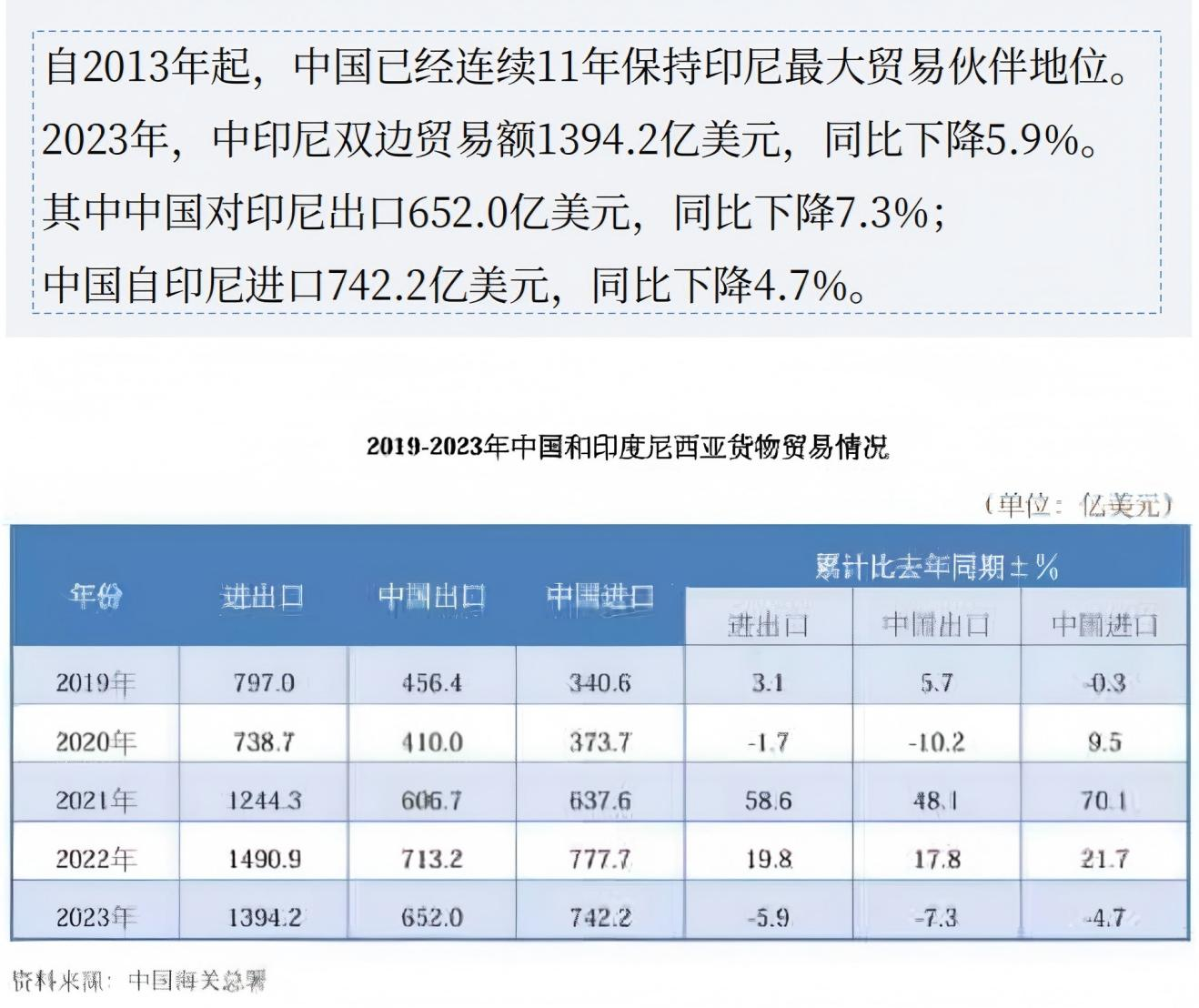
المصدر: 《دليل إندونيسيا 2025》
التحديات ونصائح المواجهة
على الرغم من الفرص الكثيرة، إلا أن السوق الإندونيسي يواجه بعض التحديات، مثل قوانين الأراضي التي تنص على أن المستثمر الأجنبي لا يمكنه امتلاك الأراضي مباشرة، بل يمكنه الحصول على حقوق محدودة المدة من خلال حقوق البناء، حقوق الاستخدام، وغيرها من الأشكال، مما يتطلب من الشركات التخطيط طويل الأمد قبل الاستثمار.
وعلى الرغم من أن سوق العمل لديهم كبير، إلا أن مستويات المهارات متفاوتة، كما أن توظيف العمال الأجانب مقيد بشدة، لذا يجب على الشركات التخطيط مسبقًا لتدريب الكوادر المحلية.
بالإضافة إلى ذلك، فإن النظام القانوني في إندونيسيا معقد للغاية، وقد تختلف معايير التنفيذ بين المناطق، لذا يُنصح الشركات باستشارة مؤسسات متخصصة قبل دخول السوق لضمان الامتثال.

المصدر: الإنترنت
الخاتمة
إندونيسيا كسوق رئيسي في جنوب شرق آسيا، لديها إمكانات نمو جذابة وتحديات تشغيلية فريدة.
بالنسبة للشركات المتجهة للخارج، يكمن المفتاح في تحديد نقطة الدخول المناسبة للصناعة، والاستفادة الكاملة من الفوائد السياسية، مع القيام بالترتيبات المحلية الجيدة.
سواء كان تطوير الموارد، أو ترقية الصناعات التحويلية، أو خدمات الاقتصاد الرقمي، فإن إندونيسيا توفر إمكانيات غنية.
التخطيط المسبق والتقدم الثابت هما مفتاح تحقيق النجاح طويل الأمد في هذه الأرض الخصبة.