 2341
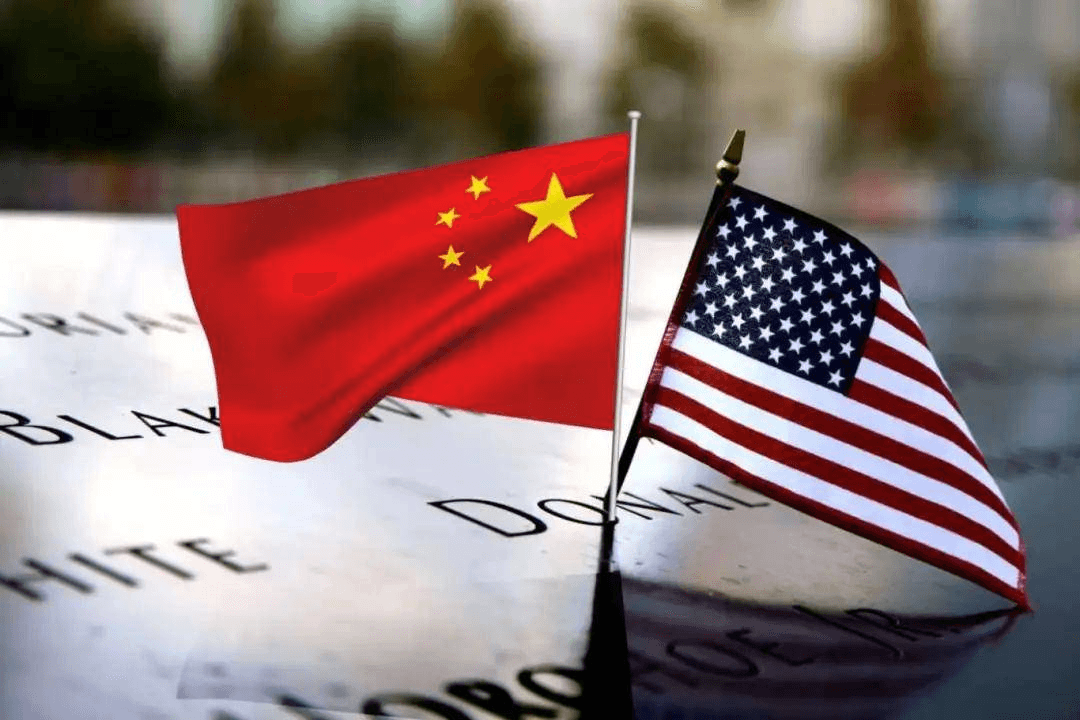
2341“في ساحة الرأي العام الدولي، كل تذبذب في العلاقات الصينية الأمريكية يشد أعصاب العالم، وهذه المرة، أخيرًا، ارتاح العالم من الخبر القادم من كوالالمبور.”
بعد مشاورات مكثفة استمرت يومين، توصل فريقا التجارة والاقتصاد الصيني والأمريكي في كوالالمبور بماليزيا إلى اتفاق إطاري جوهري،وأوضح الجانب الأمريكي أنه لم يعد يفكر في فرض رسوم إضافية على الصينرسوم جمركية بنسبة 100%。
وذلك منذمنذ مايو، الجولة الخامسة من المشاورات وجهًا لوجه بين فريقي التجارة الصيني والأمريكي، وهي أيضًا تقدم اختراقي بعد أكثر من شهر من الاضطرابات في العلاقات التجارية بين الجانبين.
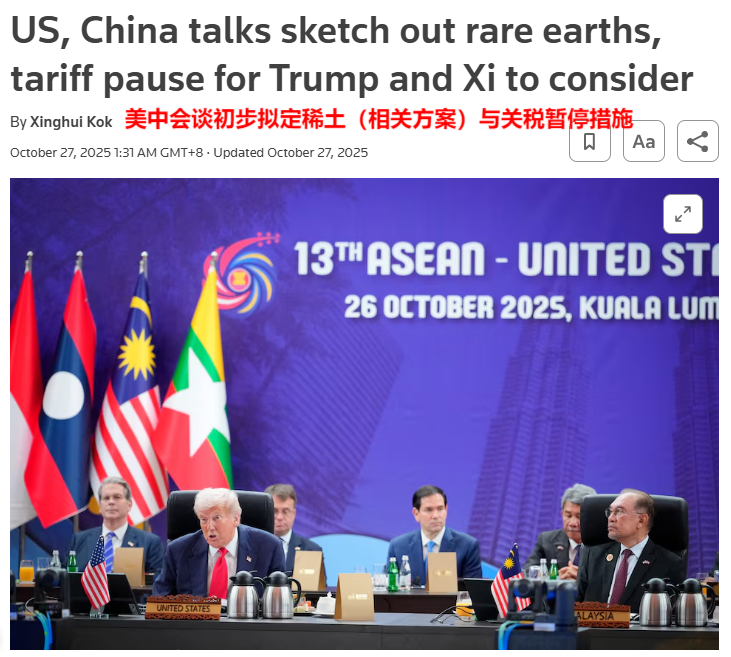
المصدر: رويترز
انعقدت مشاورات كوالالمبور هذه في ظل أوضاع تجارية دولية متوترة.
في السابق، هددت إدارة ترامب بأنها ستبدأ من1 نوفمبر فرض رسوم جمركية بنسبة 100% على السلع الصينية.
شهدت العلاقات التجارية والاقتصادية بين الصين والولايات المتحدة اضطرابات وتقلبات خلال الشهر الماضي، وفي سبتمبر أصدر الجانب الأمريكي قواعد اختراق قائمة الكيانات الخاضعة للرقابة، ووسع نطاق إدراج آلاف الشركات الصينية في"قائمة الكيانات".
في 14 أكتوبر، نفذت الولايات المتحدة أيضًا فرض رسوم موانئ على السفن المصنوعة في الصين.
في مواجهة سلسلة من إجراءات القمع الأمريكية، ردت الصين بمجموعة من الإجراءات المضادة، بما في ذلك فرض رسوم موانئ على السفن المتعلقة بأمريكا، وإدراج5 شركات تابعة أمريكية لشركة هانوا أوشن المحدودة في قائمة الإجراءات المضادة.
وشدّدت إجراءات مراقبة صادرات العناصر الأرضية النادرة وفقًا للممارسات الدولية، مستهدفة نقاط الضعف في صناعات السيارات الكهربائية وأشباه الموصلات والدفاع الأمريكية.
في ظل هذه الأجواء المتوترة، جلس الجانبان إلى طاولة المفاوضات.
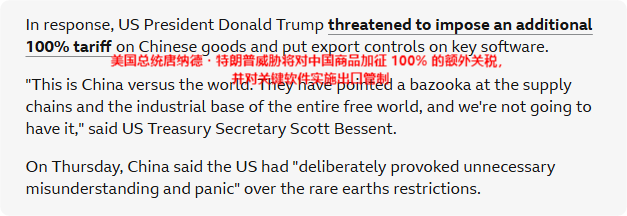
المصدر:BBC
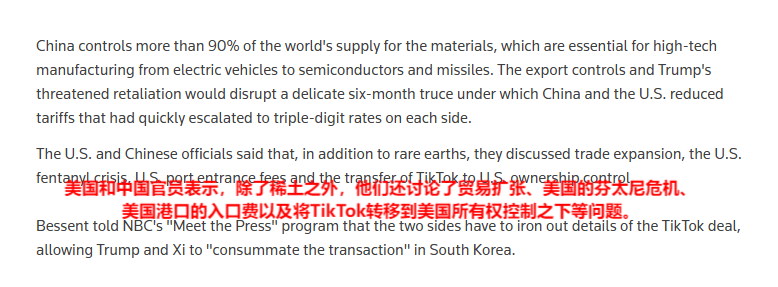
ووفقًا لـتقارير رويترز، في هذه المشاورات، بالإضافة إلى العناصر الأرضية النادرة، ناقشوا أيضًا التوسع التجاري، وأزمة الفنتانيل في أمريكا، ورسوم دخول الموانئ الأمريكية، ونقلنقل ملكية TikTok إلى السيطرة الأمريكيةوغيرها من القضايا.
في النهاية، توصل الجانبان إلى توافق أساسي حول الترتيبات لحل مخاوف كل منهما، ووافقا على تحديد المزيد من التفاصيل والوفاء بإجراءات الموافقة المحلية لكل منهما.
بالمقارنة مع جولات المشاورات السابقة، أظهر الجانب الأمريكي هذه المرة موقفًا أكثر واقعية.
الذي طرحهموقف 'حل الخلافات بطريقة متساوية ومحترمة' يشير إلى أن الاستراتيجية الأمريكية تتحول من الضغط الأحادي إلى الحوار والتعاون بشكل أكبر.
المصدر: رويترز
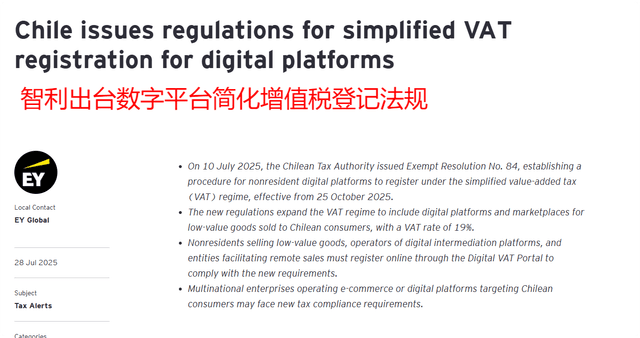
الاتفاق الإطاري الذي تم التوصل إليه في هذه المشاورات أضفى استقرارًا حاسمًا على قطاع التجارة الإلكترونية عبر الحدود الذي كان يتخبط في حالة من عدم اليقين.
حيث أوضح الجانب الأمريكي'لم يعد يفكر' في فرض رسوم جمركية بنسبة 100٪ على الصين، وهذا بمثابة 'حبة طمأنة' للتجارة الإلكترونية عبر الحدود التي تعمل في التجارة بين الصين والولايات المتحدة.
في السابق، كان ظل الرسوم الجمركية المرتفعة يجبر العديد من البائعين على تخزين البضائع مسبقًا ورفع الأسعار، بل والتفكير في تقليص خطوط الأعمال. رفع التهديد يعني أن توقعات التكلفة أصبحت مستقرة، وأصبح لدى التجار رؤية أوضح عند التخزين والتسعير والتخطيط طويل الأجل.
بالإضافة إلى ذلك، اتفق الجانبان على'تمديد فترة تعليق التعريفات الجمركية المتبادلة بشكل أكبر'، مما خفف بشكل مباشر ضغوط التشغيل على التجارة الإلكترونية عبر الحدود.
تمديد فترة تعليق الرسوم الجمركية يتيح للعديد من السلع الاستهلاكية المصدرة من الصين إلى الولايات المتحدة، مثل الأثاث والأجهزة المنزلية والمنسوجات، الاستمرار في دخول السوق الأمريكية بتكلفة منخفضة لفترة من الوقت، مما يحافظ على هوامش الربح والقدرة التنافسية السعرية للبائعين عبر الحدود.
المصدر: الإنترنت
بالنسبة لملايين العاملين في التجارة الإلكترونية عبر الحدود، فإن نتائج هذه المشاورات هي بمثابة إشارة واضحة: جوهر التجارة في النهاية هو التعاون والربح المشترك.
بينما تعمل حكومتا البلدين على نزعفتيل 'قنبلة الرسوم الجمركية'، يجب على التجار تحسين قدراتهم الداخلية، وإيجاد التوازن الأمثل بين الاستقرار والمرونة، والإبحار نحو سوق دولية أوسع.